2026 assembly elections: Survive or revive? Congress's alliance dilemma in states
Congress prepares for crucial 2026 assembly elections in key states. The party's ability to form effective alliances will be critical. Past electoral struggles highlight the challenges in balancing relevance with maintaining political ground. Recent alliance negotiations suggest a continuation of complex bargaining tactics. The outcomes of these strategies will shape Congress's electoral future.
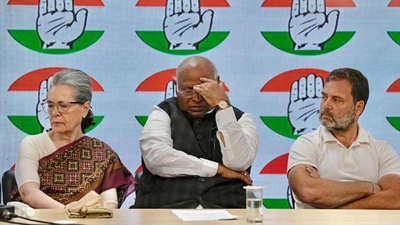
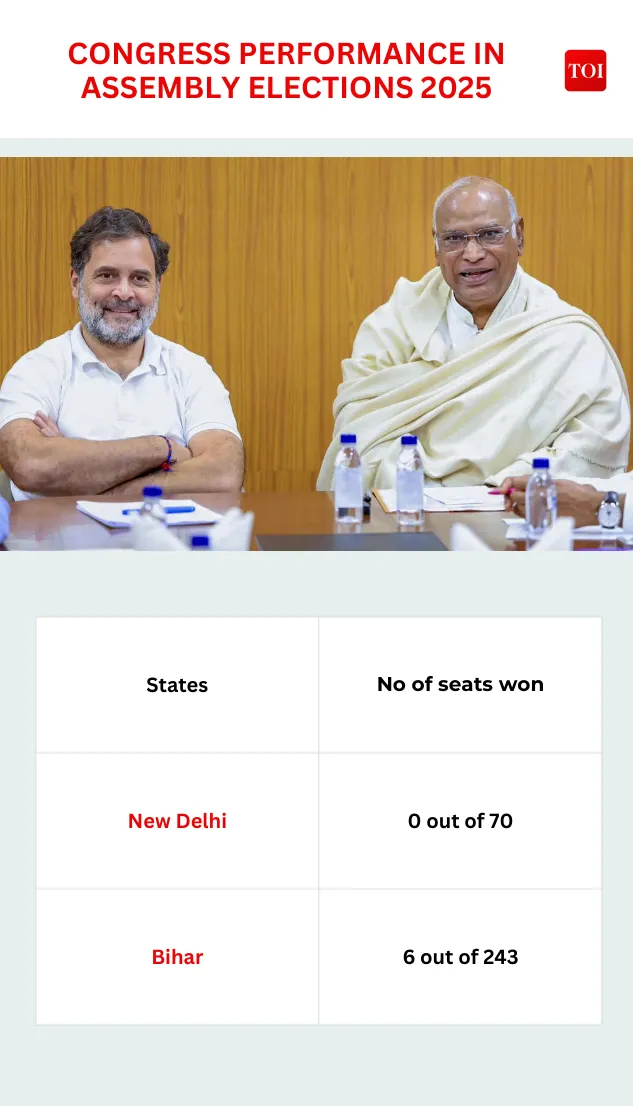
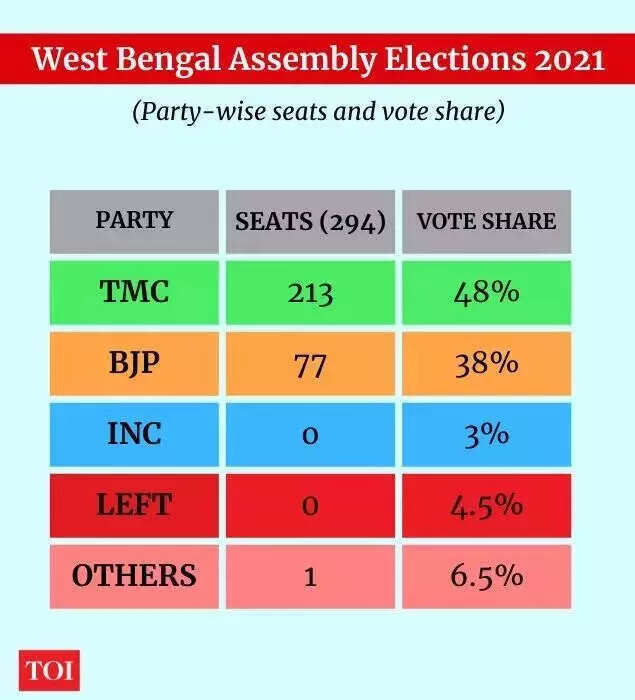
NEW DELHI: The Congress is gearing up for the latest round of electoral challenges in 2026. With assembly elections due in four key states - Assam, West Bengal, Tamil Nadu, and Kerala, as well as one Union Territory, Puducherry - there is a lot at stake for the grand old party. The Congress is the principal challenger to the ruling dispensation in Kerala and Assam, while in Tamil Nadu, it will try to win a second term along with its ally, the DMK.2025 was a disastrous year for the Congress electorally. It could not open its account in the Delhi assembly elections, while it was reduced to its lowest score in Bihar.So, will 2026 see a change in the electoral fortunes of the Congress? Well, it all depends on how the grand-old party negotiates with its “grand-old problems.” And one of the biggest problems of the Congress in recent times has been its dilemma over alliances.
The party, which successfully ran two coalition governments at the Centre between 2004 and 2014, has been struggling to get its alliance arithmetic right ever since it was pushed out of the ‘centre’stage of Indian politics by the BJP in 2014.
A string of electoral defeats and the simultaneous winning spree of the BJP forced the Congress to join hands with parties that were once its political opponents in several states.
And this perhaps explains why the grand-old party struggles when it comes to forming alliances. While on the one hand, the Congress wants to use coalitions to stay politically relevant, on the other, it also does not want to cede much space to the regional partners to ensure that it does not lose its political ground and influence. Torn between these two objectives, the Congress often finds itself juggling between “bullying”, “blackmailing” and “bargaining” to stitch alliances.
2026 is unlikely to be any different, as the initial developments show. In Tamil Nadu, the Congress seems to be flexing its muscles with the DMK, with which it has had a stable alliance for a very long time, but is not part of the state government.Congress MP Manickam Tagore had set the stage for this arm-twisting earlier this week when he said that alliances remain the political reality in Tamil Nadu and the time has come to move beyond seat-sharing and initiate discussions on the sharing of power.
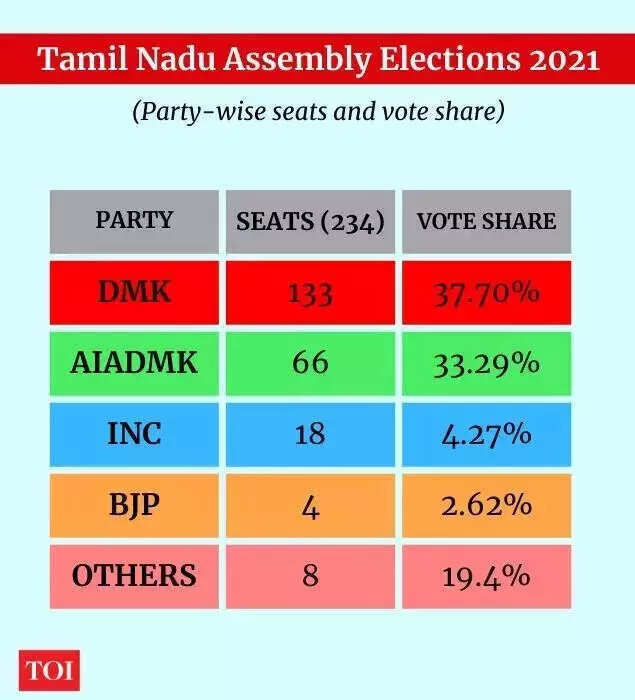
However, with his statement leading to speculations on the future of the alliance, Manickam Tagore was quick to do damage control and said: "Tamil Nadu is an important state, and we all know that the INDIA alliance is a significant alliance, with Congress being a part of it and the DMK as its major partner. We have contested eight elections together, as the DMK is a long-term ally of Congress."