A fentanyl vaccine enters human trials in 2026 — here's how it works
A vaccine in development would be the first proactive treatment for overdose and fentanyl addiction, if approved.
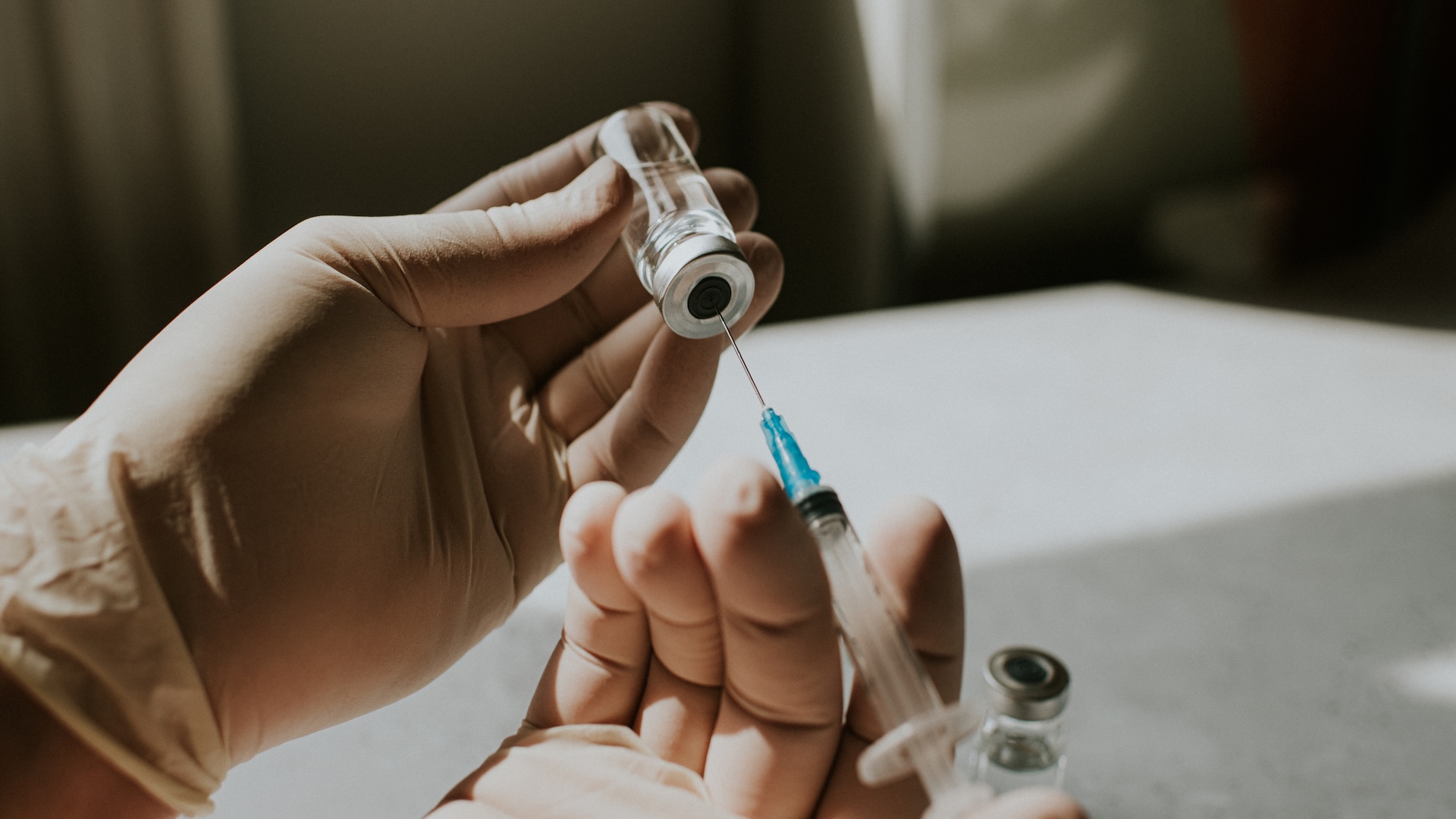
An experimental vaccine against fentanyl will enter human trials in early 2026. (Image credit: Getty Images)
A vaccine that blocks the effects of fentanyl — including overdose — will enter human trials in the coming months, perhaps leading the way to the first-ever proactive treatment for opioid use disorder.
The initial trials will focus on assessing the safety of the vaccine, which was initially developed with funding from the U.S. Department of Defense. The shot was previously tested in rats and showed promising results. Now, it's been licensed by startup ARMR Sciences, which will begin enrolling patients for Phase I clinical trials in the Netherlands in 2026, starting in either January or February.
How does the vaccine work?
The vaccine works by keeping fentanyl out of the brain, which it does by making the molecule a target of the immune system.
Fentanyl is a synthetic opioid with effects 50 times stronger than heroin. Opioids, also called narcotics, broadly work by binding to opioid receptors in the brain and spinal cord, triggering changes in nerve cell signaling that prevent pain and can create a euphoric high.
But these opioid receptors are also found in the part of the brain that controls breathing, so fentanyl can also reduce respiration to a deadly degree if used in excess. A 2-milligram dose of fentanyl — similar in volume to about a dozen grains of salt — can be fatal, according to the Drug Enforcement Agency (DEA).
If a person overdosing on fentanyl is treated with naloxone (better known by the brand name Narcan), quickly enough, these effects can be reversed. This antidote also binds to opioid receptors, thus blocking the effects of fentanyl.
Get the world’s most fascinating discoveries delivered straight to your inbox.
ARMR's vaccine takes a different approach: It works in the circulatory system, before the drug can reach the brain.
"This would be the first-ever treatment that does not work on the [opioid] receptor," Gage told Live Science.
What's in the vaccine?
To keep fentanyl from reaching the brain, the immune system must first recognize the drug. But fentanyl is a tiny molecule, not a pathogen like a virus, and immune cells don't naturally react to its presence.
To spur an immune response to fentanyl, the University of Houston's Colin Haile, an ARMR co-founder and scientific adviser, and his colleagues had to tie the opioid to something else.
They chose a deactivated diphtheria toxin called CRM197, a compound already used in vaccines on the market; once deactivated, the toxin is no longer toxic and instead helps rouse an immune response. To boost this immune response even further, they also added dmLT, a compound distilled from toxins produced by the . This modified compound is not toxic itself, and it has also been tested in humans in trials of other, not-yet-approved, vaccines.