'A huge surprise': 1,500-year-old church found next to Zoroastrianism place of worship in Iraq
A 2,000-year-old palace in the Republic of Georgia and a 1,500-year-old church in Iraq suggest Zoroastrians coexisted with people of other religions.
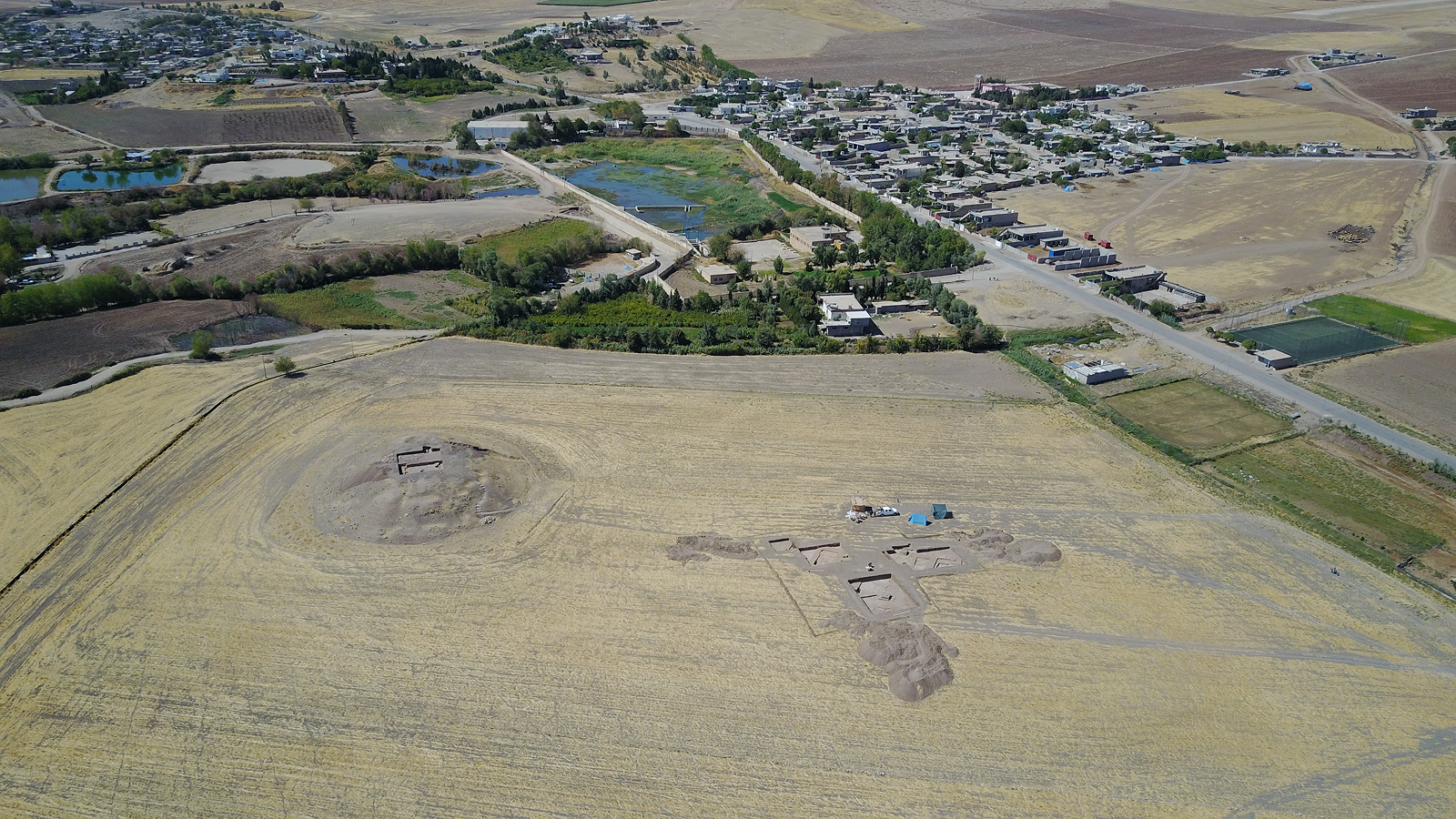
The Gird-î Kazhaw archaeological site is in Iraq's northern Kurdistan region, near the modern village of Bestansur. (Image credit: Institute of Archaeological Sciences, Goethe University Frankfurt)
About 1,500 years ago, early Christian monks and adherents of the Persian religion Zoroastrianism lived together without conflict in northern Iraq, according to a new study.
This wasn't the only place where Zoroastrians mingled with people of other faiths; a 2,000-year-old sanctuary discovered in modern Georgia reveals a mixture of Zoroastrian beliefs and those of other religions, another study reports.
Taken together, the finds are more evidence that Zoroastrianism — the official religion of the royal dynasties that governed the Persian empires for more than 1,000 years — often coexisted peacefully with other religions.
In the Iraq finding, a team led by archaeologists Alexander Tamm, of the Friedrich-Alexander University of Erlangen-Nuremberg, and Dirk Wicke, of Goethe University Frankfurt, examined the ruins of a building complex at the Gird-î Kazhaw site in the Kurdistan region of the country, according to a statement from Goethe University Frankfurt.
They found buried stone pillars and other architectural evidence that the building complex had been a church at the center of a Christian monastery, which was originally discovered in 2015. The monastery was built in about A.D. 500 — "a huge surprise" because it was the first Christian structure ever found there, according to the statement.
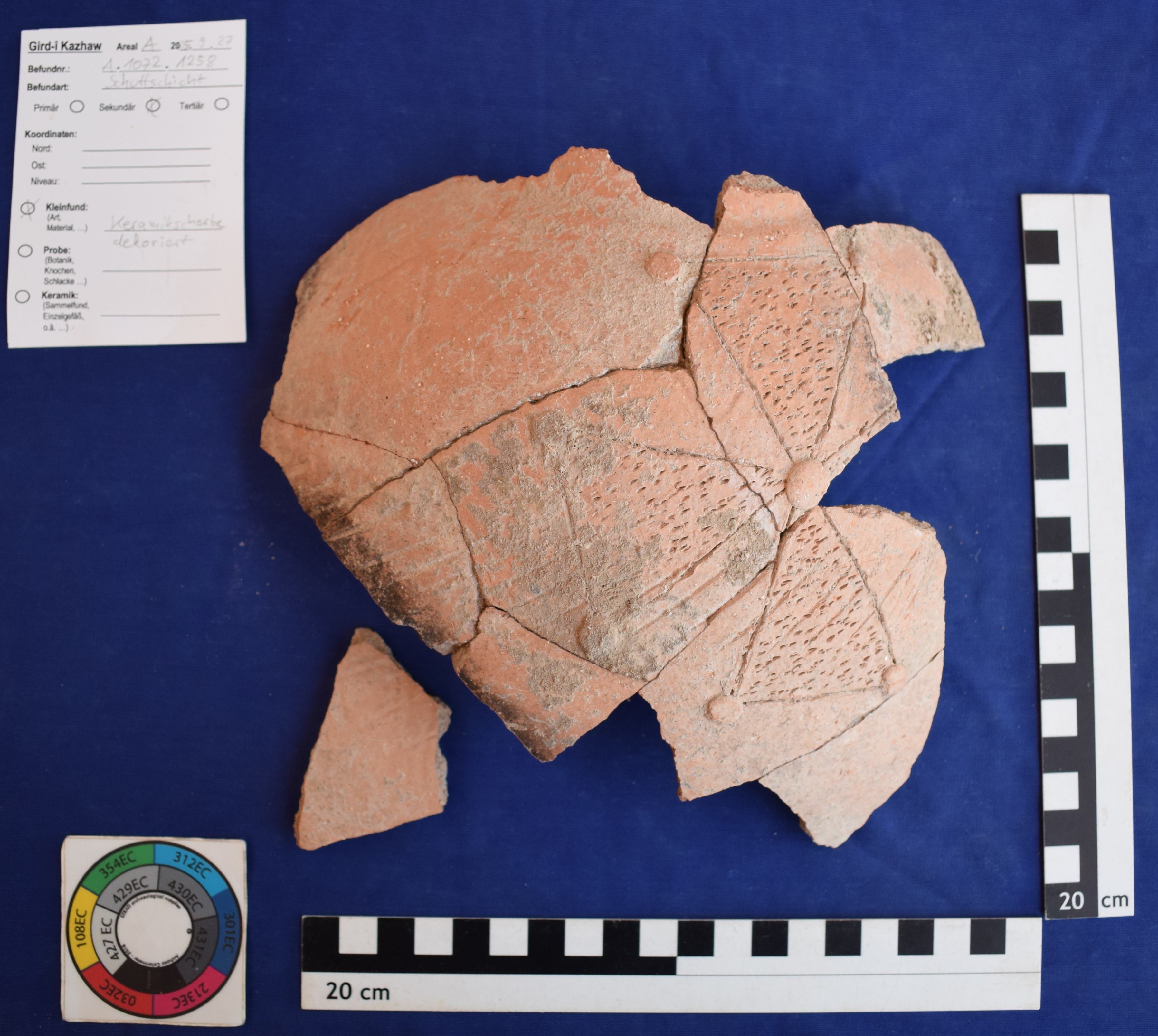
The team also unearthed buried fragments of a large jug decorated with an early Christian cross. (Crosses were rarely used as Christian symbols until the Roman Empire legalized Christianity in the fourth century.)
And yet the newly investigated Christian monastery lies only a few yards from a Sasanian Persian fortification where Zoroastrianism was practiced. The two structures' proximity indicates that Christians and Zoroastrians were living peacefully side by side at this location, the statement said.
Get the world’s most fascinating discoveries delivered straight to your inbox.