Affectionate homage to disco classics not enough to ignite the drama
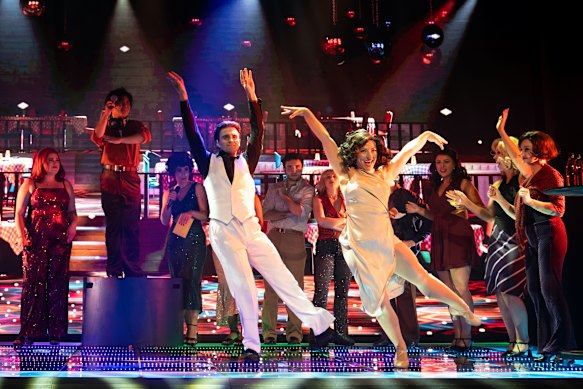
A new production of the 1970s disco musical Saturday Night Fever looks and sounds great but is undercut by its attempts to satisfy competing demands.
By Cameron Woodhead and Marcus Teague
January 11, 2026 — 1.01pm
MUSICAL
Saturday Night Fever ★★
The Athenaeum, until January 25
A pop-cultural touchstone of the late ’70s, Saturday Night Fever was the film that made John Travolta a megastar and turned disco into a global phenomenon.
Its soundtrack album remains one of the bestselling in history, with all those chart-topping bangers from the Bee Gees defining the sound of a musical genre that never really goes out of style. The songs alone should make a jukebox musical an appealing proposition, though the transition from screen to stage isn’t exactly a smooth move. If you’ve only seen the PG version of the film, you might not be aware of just how dark the storyline gets in the R-rated release: gang violence, gang rape, family violence, suicide, pervasive male chauvinism and misogyny.
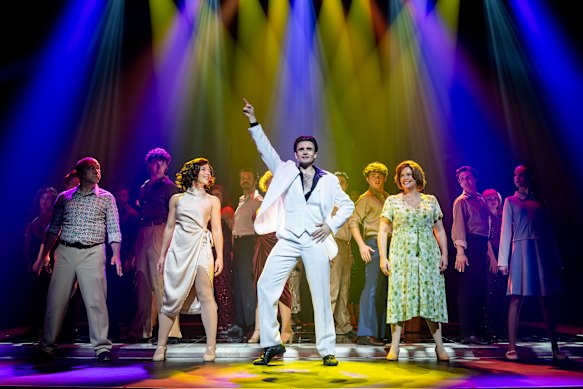
Ethan Churchill (centre) strikes an iconic pose as Tony Manero with the cast of Saturday Night Fever.Credit: Ben Fon
Young Italian-American Tony Manero (Ethan Churchill) is stuck in an uninspiring job. His home life is tormented by a violent alcoholic father (George Kapiniaris), and his friends are toxic in the masculinity stakes: brawling with rival ethnic gangs and hanging at a local discotheque trying to seduce young women into having sex with them.
Tony seeks an outlet in a disco dancing competition, discarding his first partner Annette (Izzi Green) for Stephanie (Regan Barber), a better dancer with ambitions to move to Manhattan. Meanwhile, Tony’s brother (Matthew Casamento) leaves the priesthood, and Brooklyn’s mean streets claim their due in misery.
This national touring production from Drew Anthony Creative does feature numbers that pay affectionate, hedonistic homage to disco favourites. Still, the fun factor is seriously undercut by the way the show strives to press the songs into dramatic service, sandwiching the music between competing and contradictory demands.