AI Slop won in 2025 — fingerprinting real content might be the answer in 2026
Forget identifying AI slop, 'Fingerprinting real media' could be 2026's hottest trend.
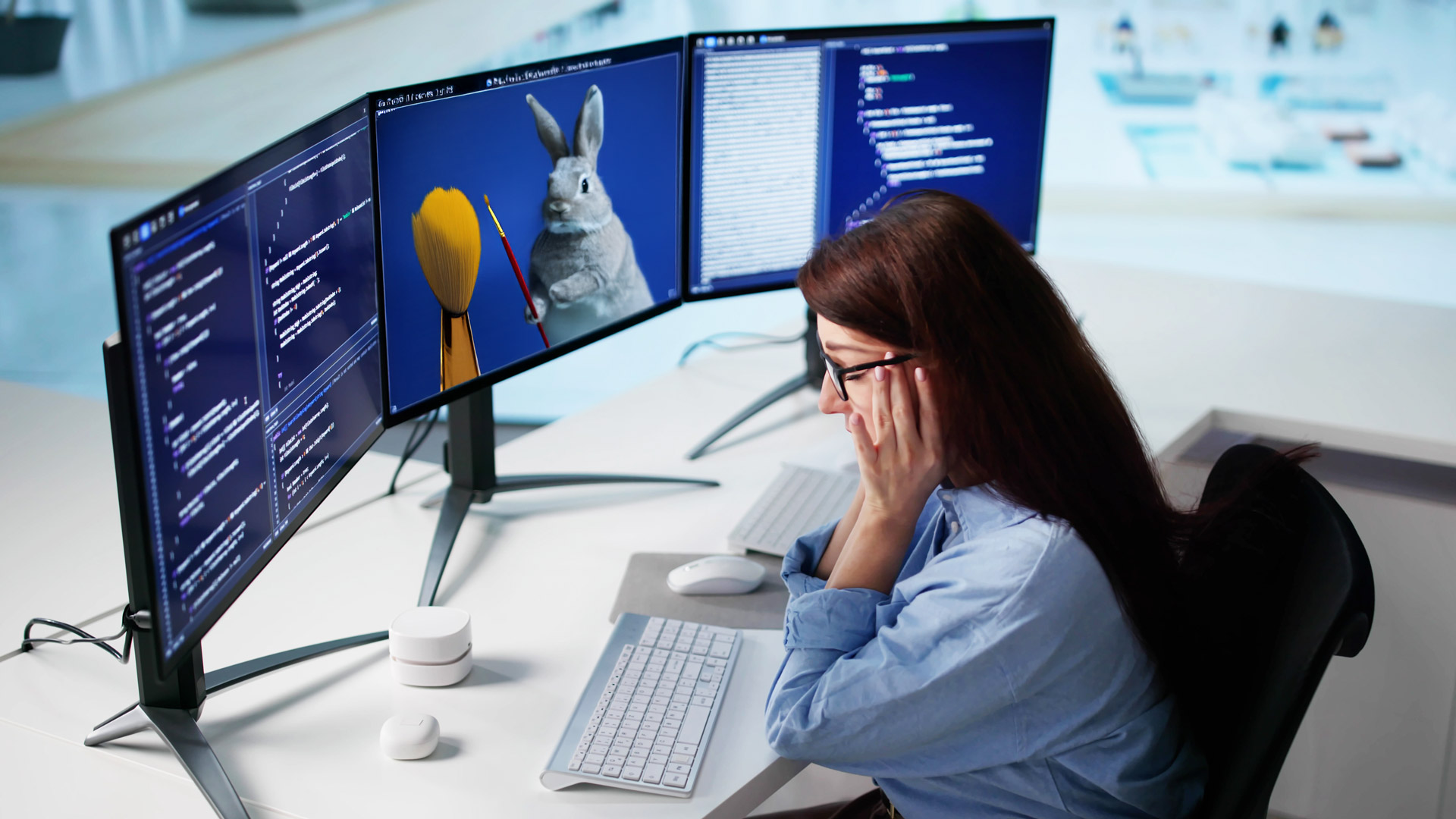
(Image credit: Getty Images and Adobe Firefly)
The battle against AI content is lost. Slop fills our feeds, and it's up to us to discern what is real. But what if 2026 represents the dawn of a new approach, a flipping of the script where we no longer chase identifying what's artificially created and instead fingerprint the real?
This is the not-necessarily-novel concept presented in a recent New Year's Threads post from Instagram CEO Adam Mosseri.
He writes, "We’ll go from the Midjourney realistic video game aesthetic and imitating Wes Anderson and Studio Ghibli films to being able to direct an AI to create any aesthetic you like, including an imperfect one that presents as authentic."
Sign up for breaking news, reviews, opinion, top tech deals, and more.
Let's focus on what's real
Perhaps that's why Mosseri is now pitching a different approach. "There is already a growing number of people who believe, as I do, that it will be more practical to fingerprint real media than fake media," he writes.
Instead of watermarking AI-generated content, which Mosser's platforms are still very much committed to doing, Instagram and other platforms might find ways to label real content before it appears online.
How, of course, is the big question.
Photos coming out of digital cameras and smartphones all get what's known as EXIF (Exchangeable Image Format) data, which can describe the camera, lenses, and settings used, as well as available location and date data. It's not something that can easily bee faked. Video content has similar XMP data.
I'm not certain about how we might fingerprint human-written content or real audio recordings.
Mosseri, though, talks about using some old-school authenticity markers, like checking on the author and what other content they've posted. I don't know if that's something Instagram and others could easily automate, or if that's a job best left to individuals.
Still, I like the intention, especially because the war on fake content is already all but lost.
Can you tell which of these bird photos is AI generated? 🤔🐦 pic.twitter.com/tw9Ue9IwDEDecember 29, 2025
Recently, I came across an X post from one of my favorite bird photographers. Carl Bovis presented four images and asked which one was AI-generated. I think I accurately identified the too-polished feathers and almost metallic-looking beak of the sparrow eating a red berry, but I honestly couldn't be sure. What I really needed was confirmation that the other three images were, in fact, real.