Air pollution: Delhi slips into ‘severe’ category as AQI hits 403; ‘orange alert’ issued
Delhi's air quality plunged to 'severe' levels with an AQI of 403, shrouded by toxic smog and dense fog. This hazardous pollution, exacerbated by calm winds and cold, is impacting visibility, delaying flights and trains. Health concerns are rising, especially for vulnerable groups, as experts predict the poor air to persist.
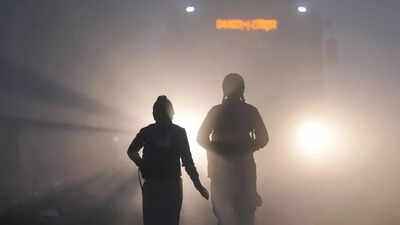
NEW DELHI: Air quality in Delhi has deteriorated, with an overall Air Quality Index (AQI) of 403 as reported by the Central Pollution Control Board (CPCB).This is considered "severe" according to the CPCB's categorization system.
The India Meteorological Department has also issued an orange alert for dense fog throughout the city.
‘Can’t Stay Two Days In Delhi’: Gadkari On Severe Pollution, Transport Sector Role
The air is thick with toxic smog throughout many areas of Delhi creating low visibility conditions.Many areas around Delhi are currently experiencing Air Quality Index levels greater than what is acceptable, with Anand Vihar having particularly high levels of air pollution.
According to CPCB monitoring station data, numerous areas have recorded their air quality as being "severe" which raises concern about the prolonged exposure to dangerous levels of pollution. The CPCB considers an Air Quality Index (AQI) value between 401 and 500 severe and has serious health implications for people especially young children, the elderly and people with asthma or other types of respiratory illnesses.
The poor air quality and dense fog also disrupted transport services. Some trains were delayed at the New Delhi railway station, while a few flights at Indira Gandhi International Airport were delayed due to low visibility as cold wave conditions gripped the city.
The IGI Airport authorities issued an advisory, asking passengers to check flight status with airlines before heading to the airport and allow additional travel time.
Officials attributed the deteriorating air quality to cold conditions, calm winds and dense fog that prevent the dispersal of pollutants, while experts cautioned that poor air quality is likely to persist under the prevailing weather patterns.