Apple's 2026 Neuromancer show would be much better as a cyberpunk anime
William Gibson's sci-fi magnum opus deserves a vivid, imaginative anime adaptation instead of the live-action treatment.

Published 2 hours ago
William Gibson's cyberpunk dystopia is uniquely suited to the animated medium
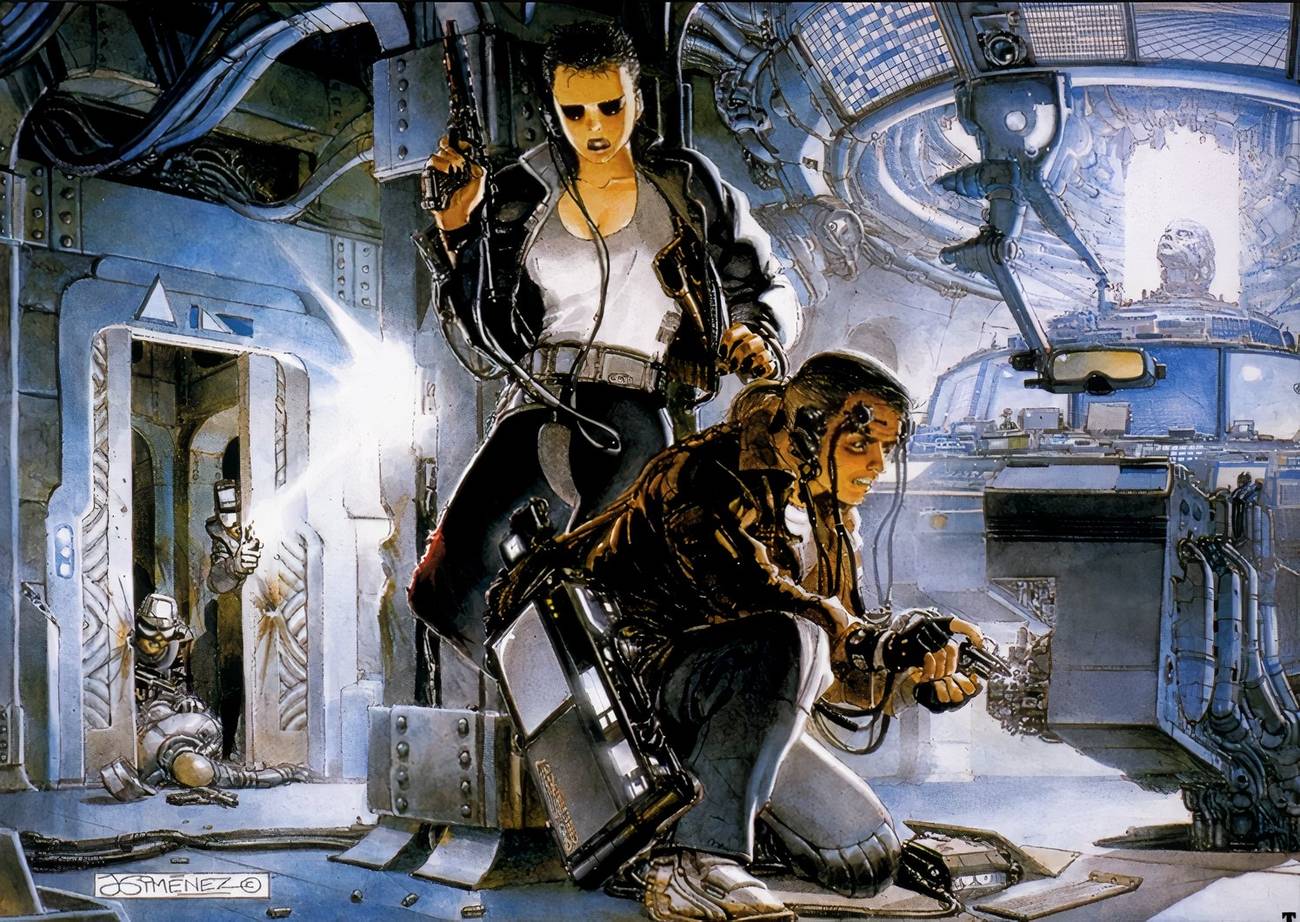
 Image: Abe Books/Josan Gonzalez
The term “cyberpunk” conjures images of futuristic cityscapes, simulated realities, and technologically advanced cyborgs. While this sci-fi subgenre had its origins in the literary New Wave movement of the 1960s and ‘70s, the foundational tenets of cyberpunk were established by William Gibson’s Neuromancer, the first entry in his influential Sprawl trilogy. Gibson’s 1984 novel invented key concepts associated with cyberpunk, including the act of jacking into the matrix and the existence of cyberspace as a dangerous digital frontier.
Of course, Gibson wasn’t the only writer to sculpt this now-oversaturated subgenre, but Neuromancer shaped the cyberpunk landscape for decades to come. Everything from Ghost in the Shell to Cyberpunk: Edgerunners owes a debt to Gibson, as the book ventures beyond genre aesthetics to carve out a dystopian ethos filled with cyberhackers and AI antagonists. Numerous attempts have been made to adapt Neuromancer into film, with the likes of music-video director Chris Cunningham and Vincenzo Natali (Cube, Splice, In the Tall Grass) being attached at some point. But none of these efforts bore fruit, as the novel’s eccentric worldbuilding proved unadaptable to the big screen.
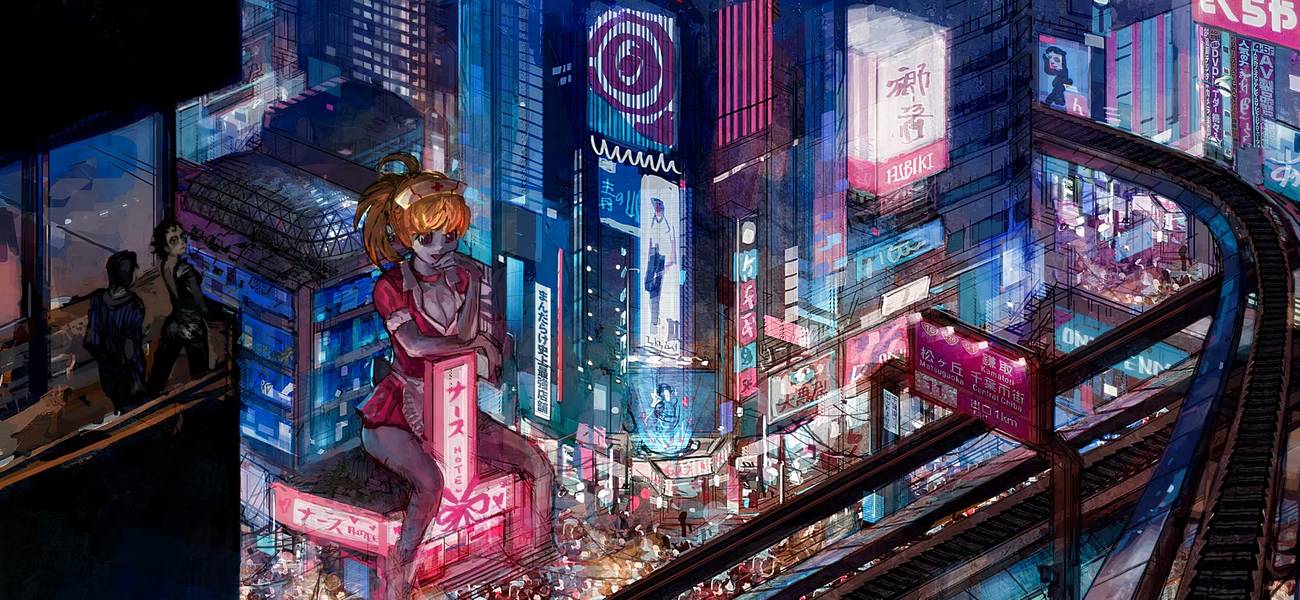
Bedlam's concept art for Vincenzo Natali's unrealized Neuromancer film
Image: Vincenzo Natali/Bedlam
What we do have, however, is an upcoming Neuromancer television adaptation coming to Apple TV in 2026, with Callum Turner () assuming the role of ex-corporate hacker Henry Dorsett Case. Apple released a for the 10-episode series on the book’s 41st anniversary, featuring a first look at Chatsubo, an expat bar Case frequents. While Apple might surprise us with a competent adaptation, the series faces an for the same reasons other filmmakers failed: defies live-action treatment and feels uniquely suited to the boundless flexibility and fluid dynamism of the animated medium.