Are image-stabilized binoculars good for stargazing?
SOURCE:Space.com|BY: Harry Bennett
We've tested many image-stabilized binoculars — here's our expert verdict on whether you should bite the bullet and buy a pair or go with regular binoculars for stargazing.
(Image credit: Harry Bennett / Future)
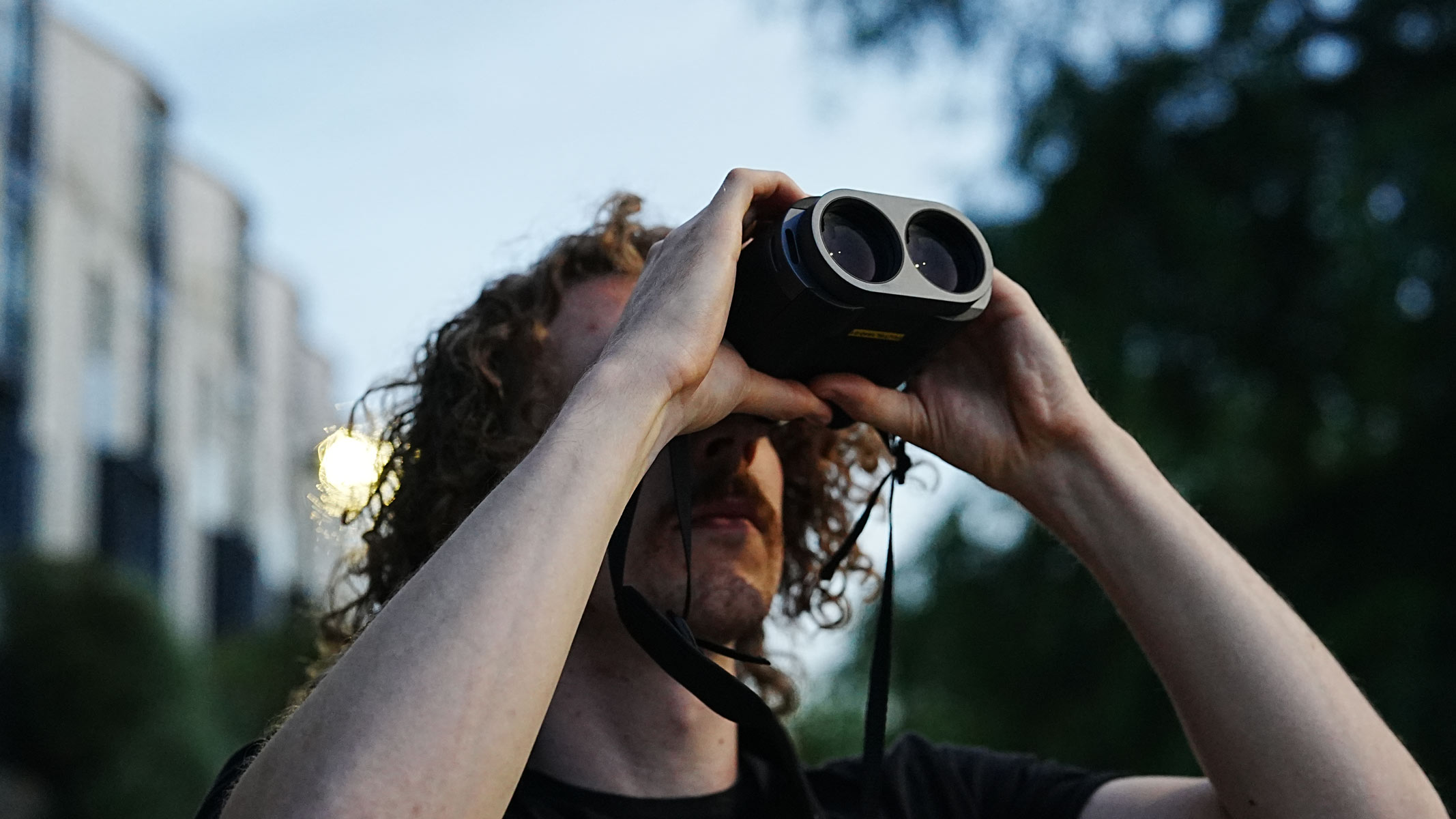
Binoculars are an amazing tool for stargazing, and they are especially useful for beginners, as they often don’t need as much astronomy knowledge as you would need for operating a telescope. They do require a steady hand, though, for detailed views, and this can be a problem for many stargazers using them. Normally, the only way to counteract this would be to use a binocular tripod or have the world’s stillest hands. Cue image-stabilized binoculars.
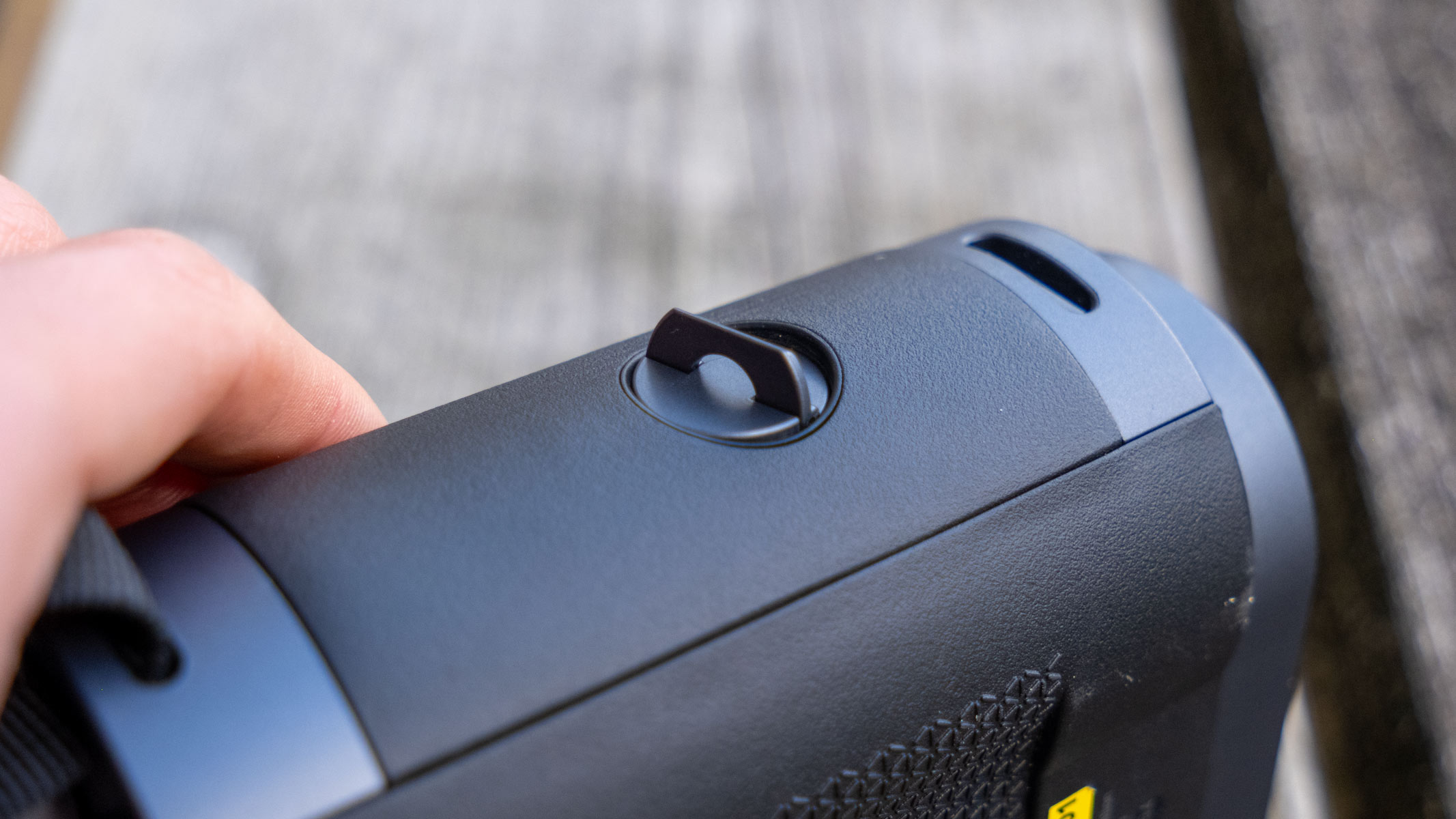
Image stabilization (IS) makes stargazing with binoculars a smooth, shake-free experience. Whilst observation wobbles are more commonly associated with higher magnifications, IS is a useful feature for binoculars of any magnification. Lower magnification models like the Canon 10x42 IS WP L are good for starhopping across constellations and getting a wide view of star fields. Higher magnification models, such as the Fujifilm TS-L 1640 and Canon 18x50 IS are better for getting steady close-up views of star clusters and galaxies.
Our favorite models
Image
1
of
4
(Image credit: Future/Jamie Carter)
We have tested a range of image stabilized (IS) binoculars from the big optics companies and we rate them highly, often giving four or five-star ratings in our expert reviews.
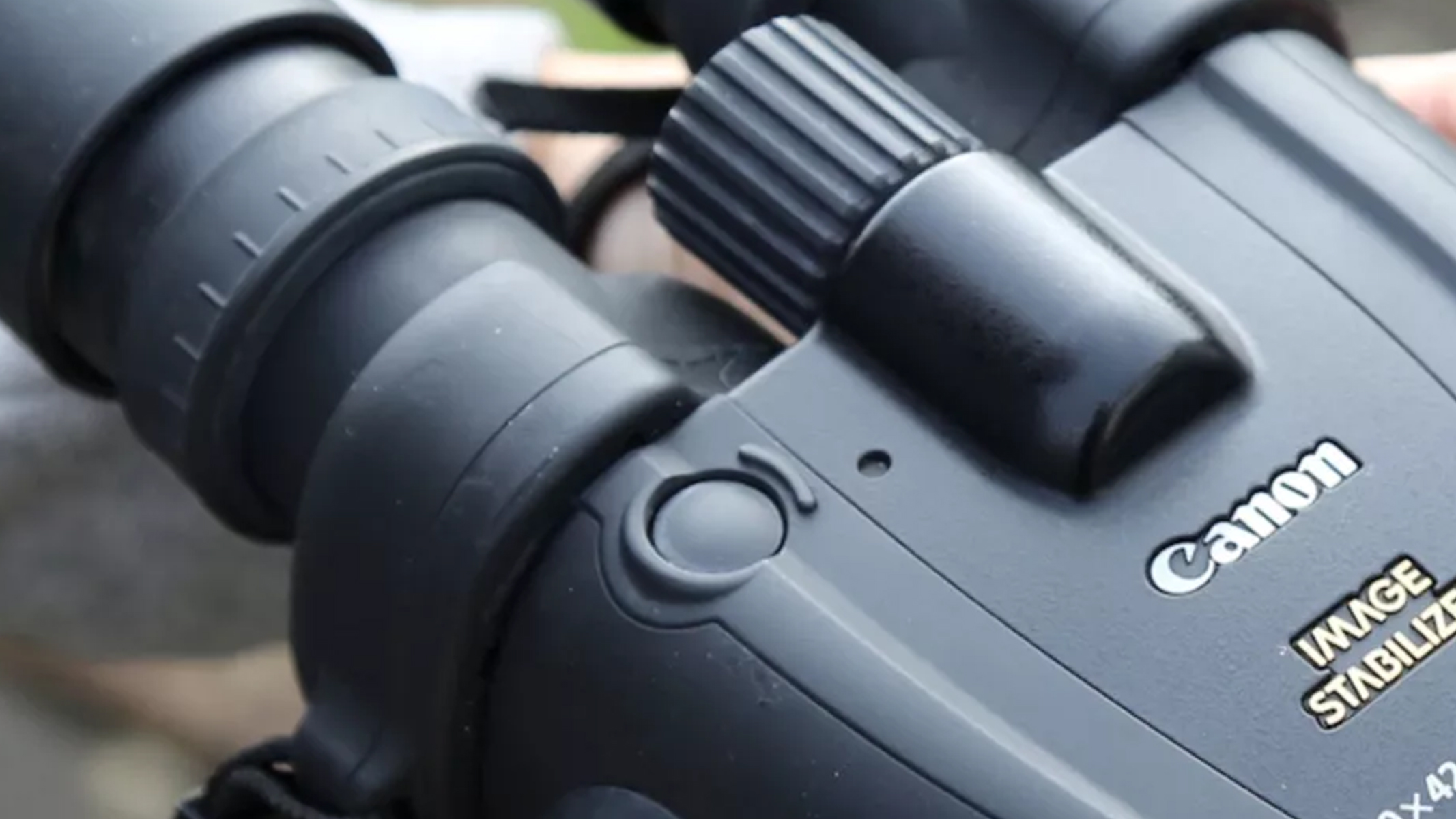
Canon has a huge range of IS binoculars and they cater to a wide range of needs with magnifications ranging from 8x to 18x. We tested out their 10x42L IS WP binoculars and gave them a huge five stars for their bright and colorful images, delivered by lens coatings and advanced optical elements. They offer an image correction angle of 0.8 degrees, and whilst this can counteract small movements, it can struggle with excessive wobbling and shaking.
On the matter of image-stabilization angle, Fujifilm has blown most of the competition out of the water. Depending on the model, they offer a huge three or six-degree correction angle and can counteract stronger movements. We tested the TS-L 1640 binoculars for observing star clusters and think they delivered the smoothest handheld observation we have seen. Their three-degree correction angle meant panning and tilting were shake-free, and at a magnification of 16x, we were able to see night sky objects up close and in steady detail.
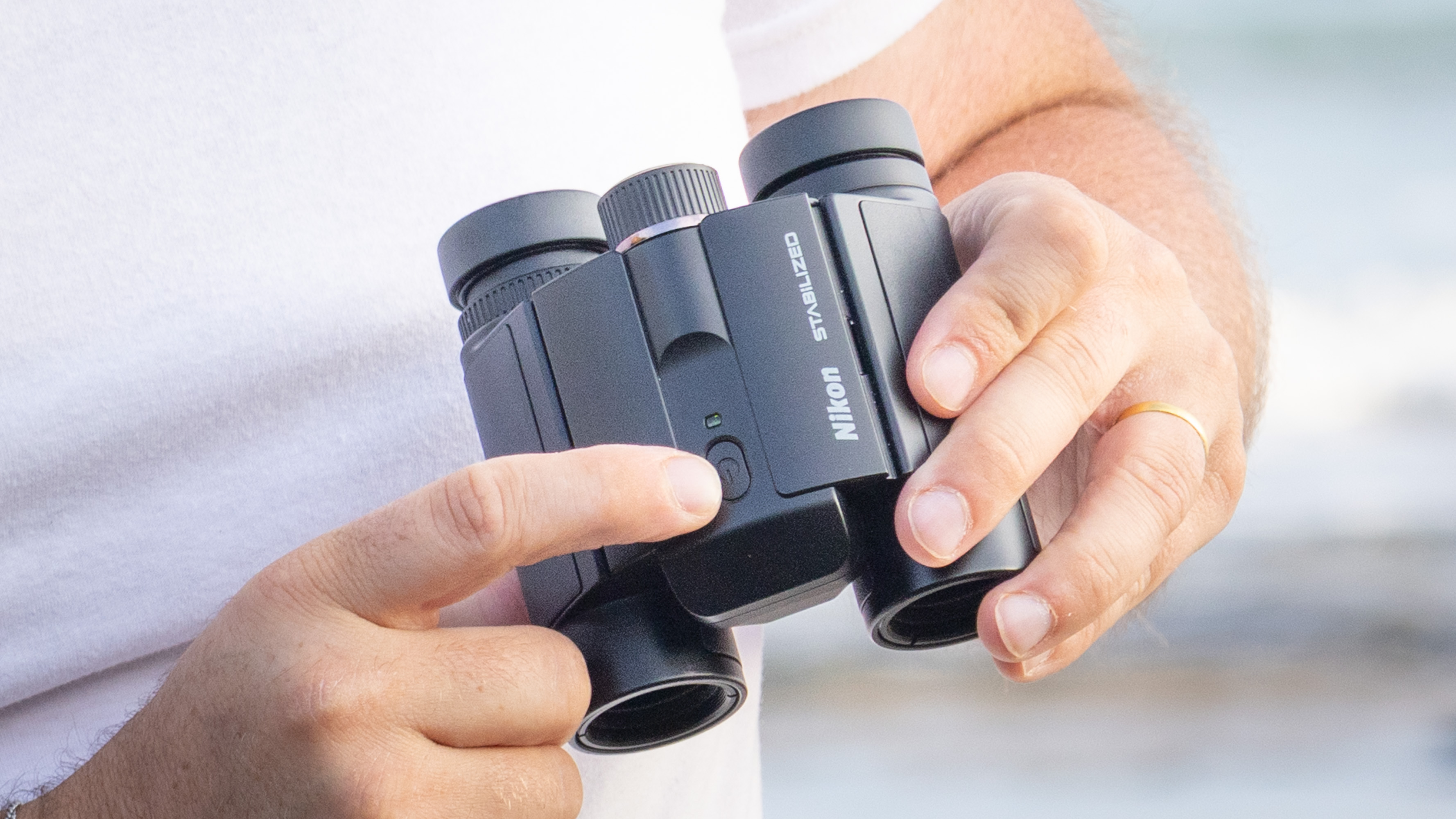
Nikon offer a more compact answer to image-stabilized binoculars with their Stabilized 12x25 S binoculars. We gave them five stars in our review and thought they were an amazing compact addition to the image-stabilized binoculars market. We observed constellations and asterisms with them, and they provided much more detailed views than naked-eye viewing. They also come at a hugely affordable price point, on sale for just under $700 at the time of writing.
Image
1
of
4
(Image credit: Kimberley Lane)
Benefits of using image stabilized binoculars
(Image credit: Harry Bennett / Future)
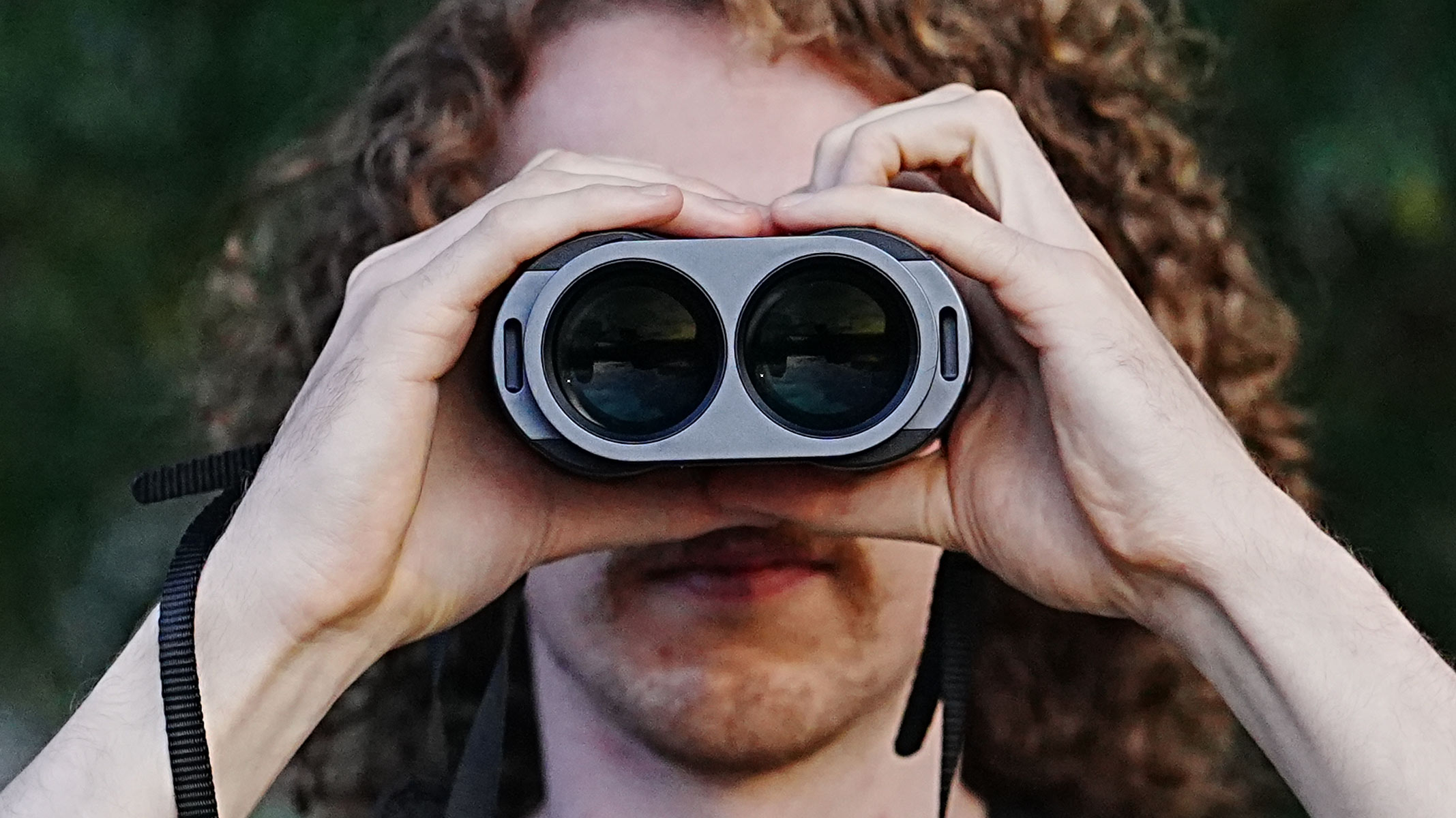
Image stabilization (IS) makes for an amazing stargazing experience with your binoculars, and it is hard to go back to using non-IS binoculars after trying a pair. Where wobbles would start to make high magnification binoculars unusable without a tripod, IS makes these magnifications entirely usable with handheld observations. This is very useful for stargazers without telescopes who want to observe deep space objects that require powerful magnification, like star clusters, nebulas and galaxies.
Breaking space news, the latest updates on rocket launches, skywatching events and more!
They are also a great option for people who travel a lot to go stargazing, as they are much lighter than carrying a telescope and a tripod around. It makes stargazing much more accessible and easy because all you need to do is grab your image-stabilized binoculars to have steady views of the night sky.
Things to consider before buying image stabilized binoculars
(Image credit: Harry Bennett / Future)
If you want a pair of image-stabilized (IS) binoculars, we would advise considering a few things first. It goes without saying that binoculars with IS are much more expensive than their non-IS counterparts of the same magnification and objective lens diameter. And whilst IS models are lighter and smaller than a full telescope set-up, the addition of batteries and the stabilization system can make these models heavier than regular binoculars.
You should also think about what you would use the binoculars for. If you were serious about deep-space observation, a telescope would be worthwhile, as they can gather much more light and can be used for detailed astrophotography with astrocams. If you travel a lot and are serious about stargazing, or even wildlife observation, IS binoculars would be a worthwhile investment. If you rarely use binoculars or don’t travel a lot, then it might not be worth forking out the extra for image stabilization.
Some models with stronger image stabilization are actually geared towards serious marine use, and you might not even need that much stabilization if you rarely set foot on a boat or unstable surface. High-end models can reach prices between $1500 and $2000, depending on the specs, so if you are a casual binoculars user, your money might be better spent elsewhere, like on a telescope or camera.
Verdict
(Image credit: Kimberley Lane)
If you have the budget for it and are an avid binocular user, we would recommend image-stabilized (IS) binoculars for one of the best observation experiences available. What used to be shaky stars become slow and detailed views of objects in the night sky. They are also great for wildlife observation and bird watching, with the image stabilization allowing easier tracking of moving subjects.
They do come at a serious premium though when compared to regular binoculars or even telescopes. For the same money or less, you could get Unistellar’s smart Envision binoculars with AR overlay or even a budget smart telescope like the ZWO Seestar S50 or S30. Careful consideration is needed when putting down this amount of money on optics, but if you are in the market for a binoculars upgrade or really need the sturdiest views of the stars, IS binoculars won’t let you down.
Harry joined Space.com in December 2024 as an e-commerce staff writer covering cameras, optics, and skywatching content. Based in the UK, Harry graduated in 2019 with a Bachelor's degree in American Literature with Creative Writing from the University of East Anglia. A keen photographer, Harry has strong experience with astrophotography and has captured celestial objects with a range of cameras. As a lifelong skywatcher, Harry remembers watching the Perseid meteor shower every summer in his hometown and being amazed by the wonders of the night sky.