Brighter OLEDs, better viewing angles and cheaper prices – here's what I want to see from LG, Samsung and every other major TV brand in 2026 | Retrui News | Retrui
Brighter OLEDs, better viewing angles and cheaper prices – here's what I want to see from LG, Samsung and every other major TV brand in 2026
SOURCE:TechRadar|BY: James Davidson
Every TV brand had a great year in 2025, but there's always room for improvement. So, I put together a wishlist for 2026.
(Image credit: Future)
It’s been an excellent year for TVs in 2025, with groundbreaking new OLED and mini-LED sets delivering better-than-ever brightness. It’s been an especially competitive year for flagship OLED TVs, with some close-fought battles between the main contenders from Samsung, LG, Sony and Panasonic.
I’ve been fortunate enough to test some of the best TVs of 2025, and I’m already looking ahead to 2026. With CES 2026 kicking off the first week of January, we can expect to see big news in the TV world, and I’ll be keeping a keen eye out for announcements from each brand.
In anticipation of CES, I’ve compiled a list of what I’m hoping to see from each TV brand in 2026. Some of this will be answered as early as January, but other details won’t arrive until later in the year.
(A quick note: I’ve not commented on Philips TVs as I’ve not yet had any hands-on time with its 2025 models.)
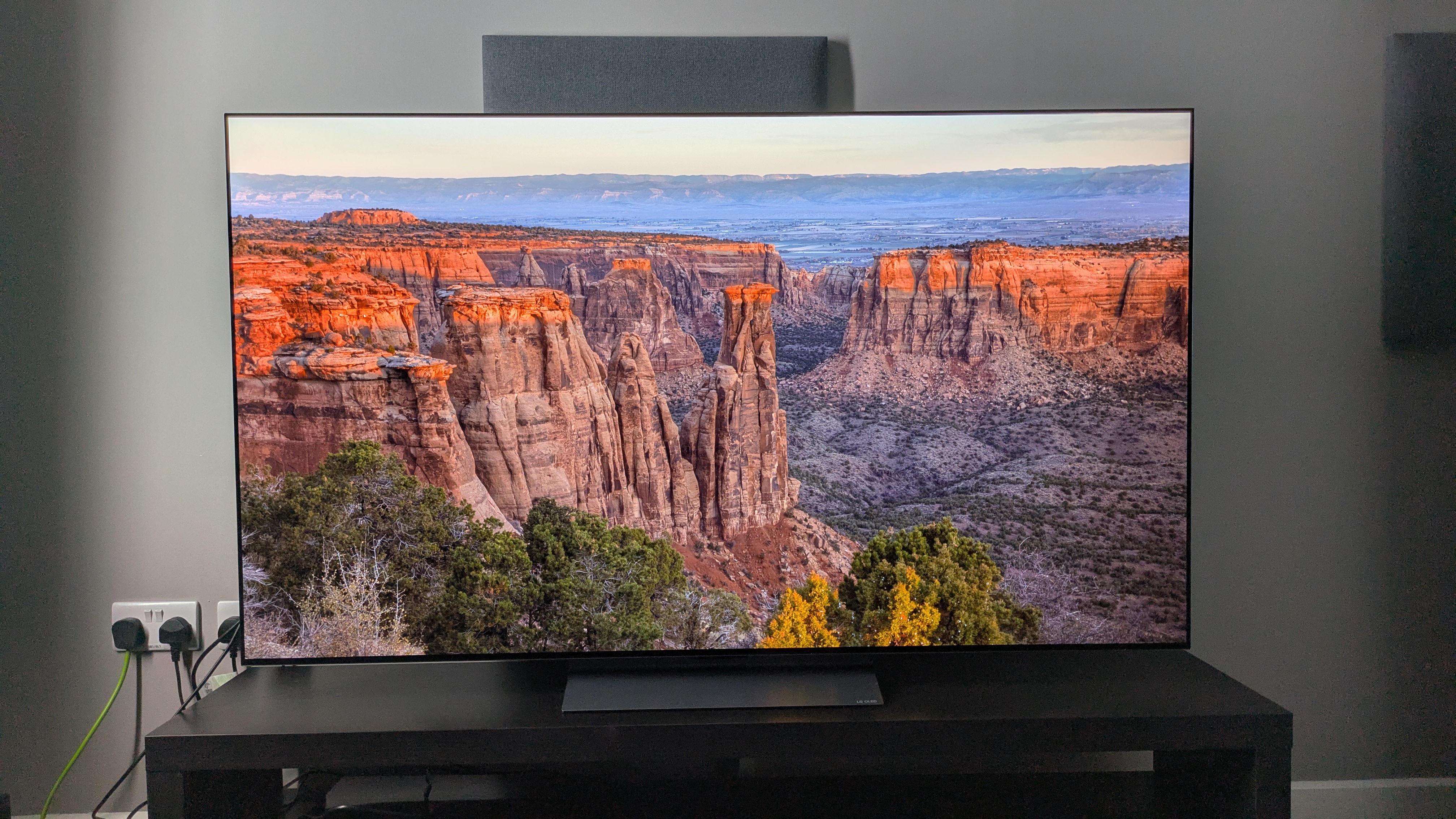
LG: brighter OLEDs
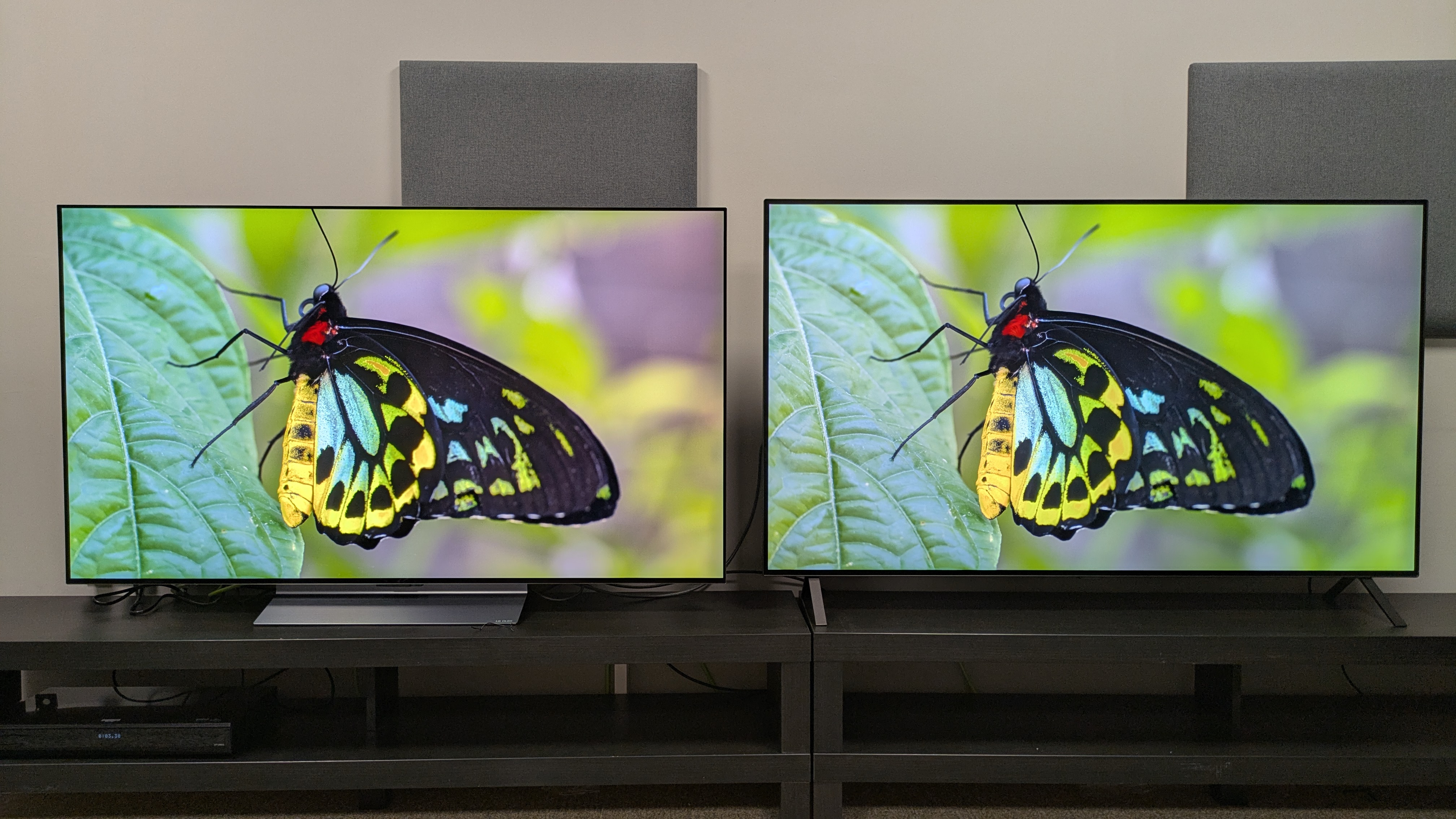
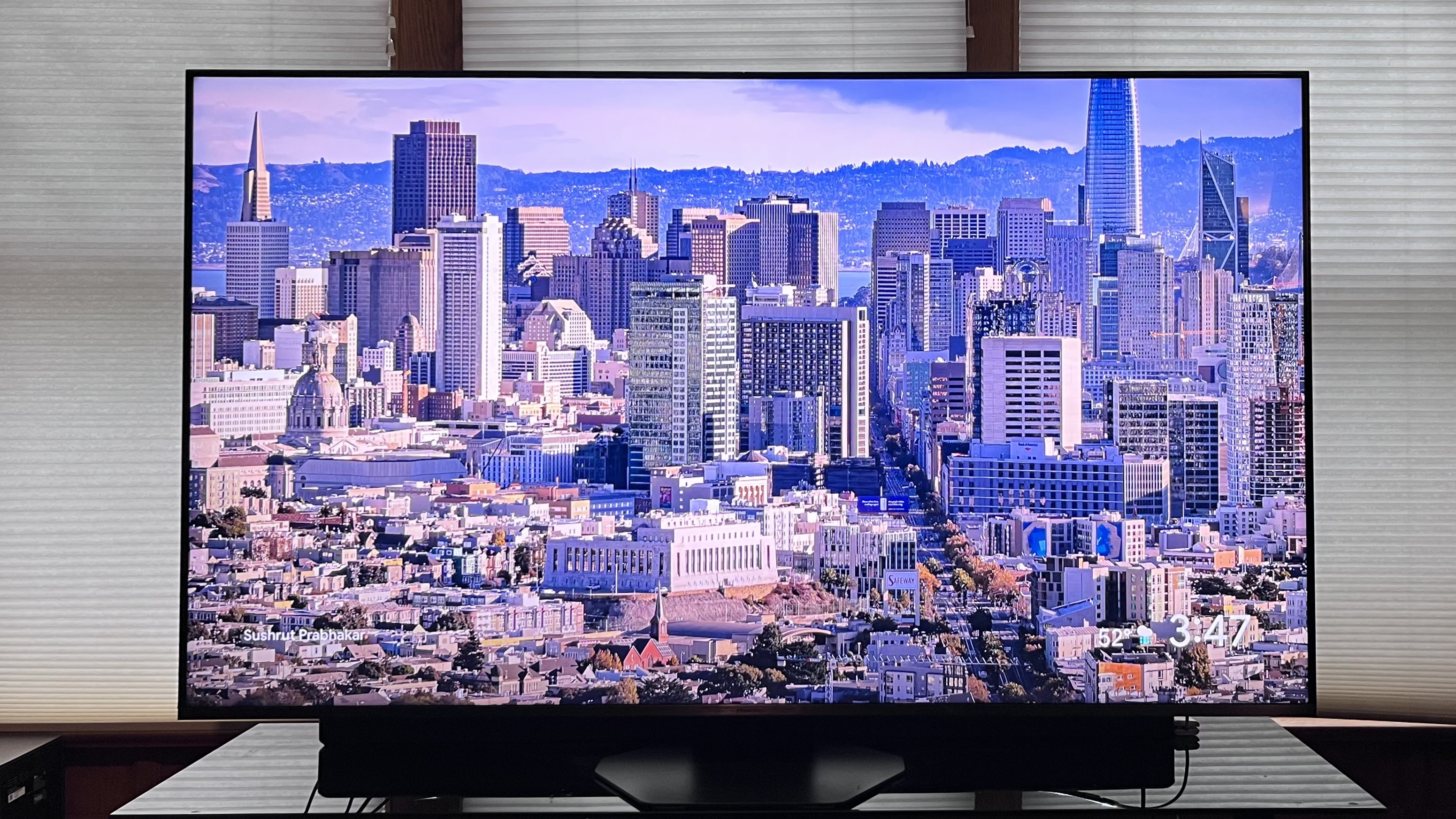
Both the LG C5 (left) and LG B5 (right) could do with a brightness boost (Image credit: Future)
All three 2025 LG OLED TVs, the G5, C5 and B5, scored highly in our reviews, with the G5 and C5 earning 5 stars overall and the B5 4.5 stars. While I don’t have many complaints about these TVs, there's one change I’d like to see in the successors to the B5 and C5 in 2026: higher brightness.
In our testing, the LG B5 had a measured peak HDR brightness of 688 nits (Filmmaker Mode) and fullscreen HDR brightness of 172 nits (Standard mode). Both of those are average brightness results for an entry-level OLED. I’d love to see more brightness from the new B-series model, to give HDR highlights more punch, and to make it easier to view in brighter rooms.
While the C5’s peak brightness is solid, reaching 1,180 nits in our tests, its fullscreen HDR brightness is under 200 nits. As flagship OLEDs are now going past 350 nits, it would be great to see higher fullscreen brightness from LG’s C-series in 2026. Whether this will come from a new panel design – as we thought we’d be getting in the – we’ll have to wait and see.
Sign up for breaking news, reviews, opinion, top tech deals, and more.
Samsung: lower Neo QLED pricing
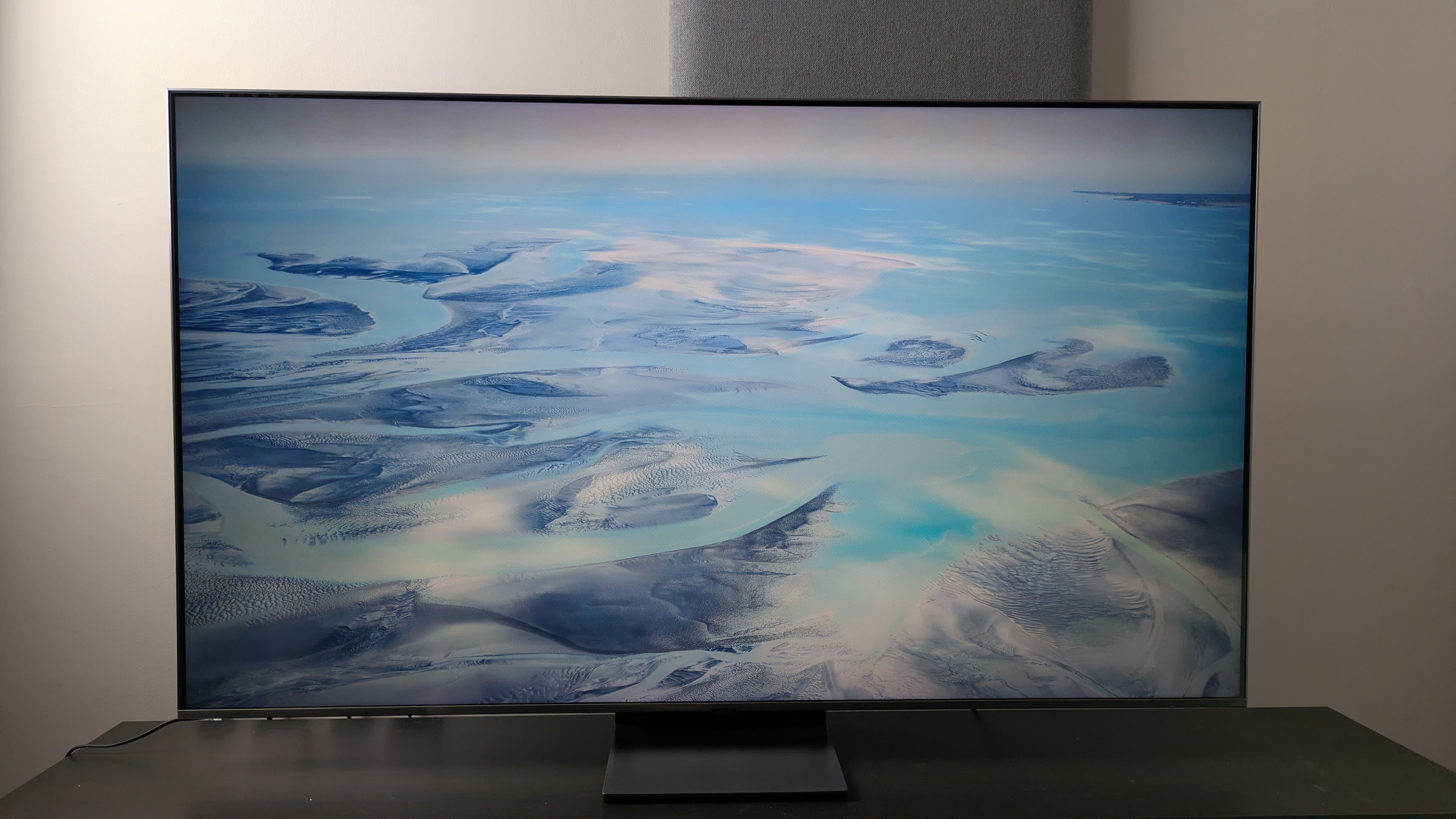
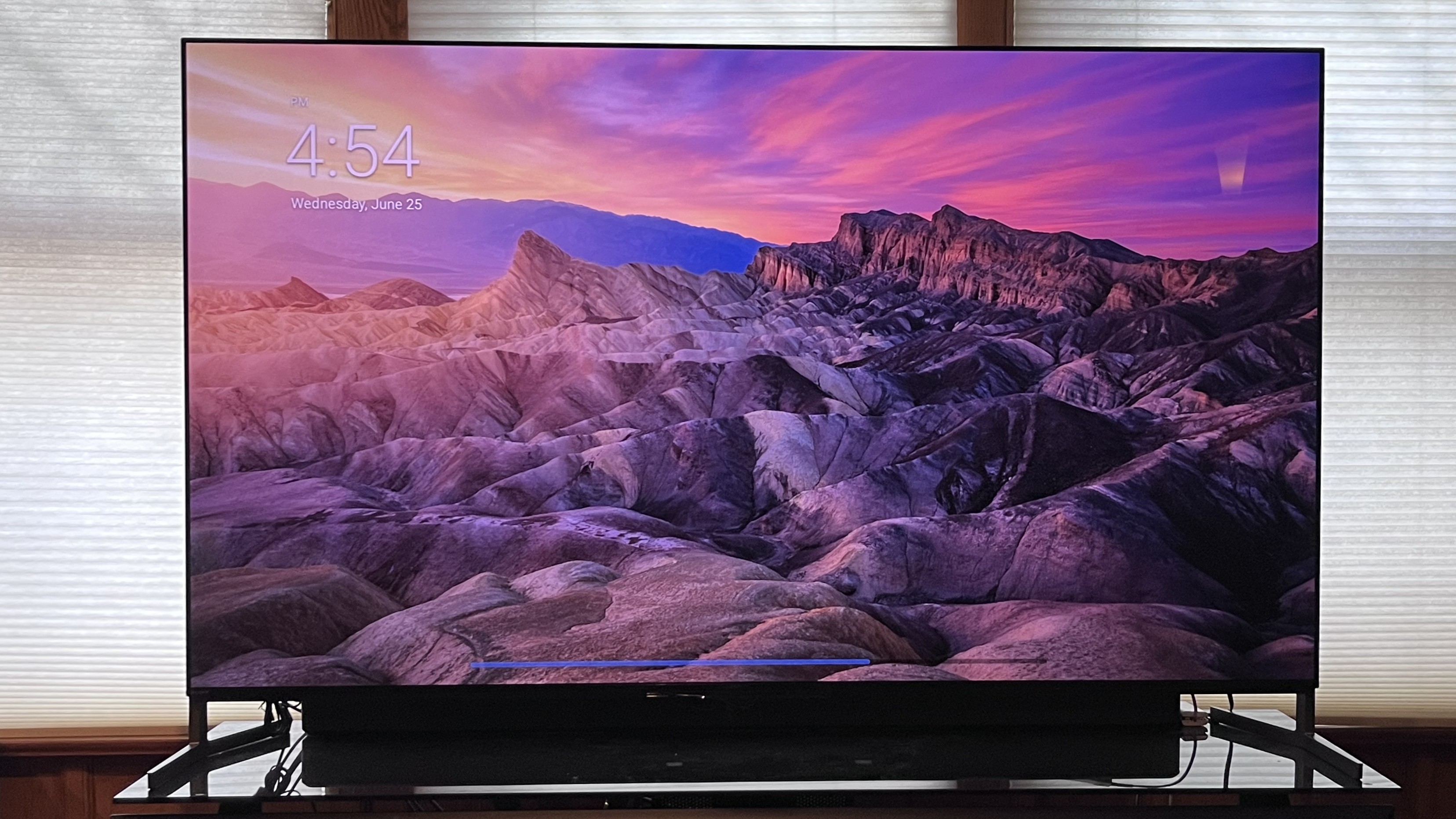
In 2025, comparable Hisense and TCL TVs delivered similar specs and performance for cheaper than the Samsung QN80F (pictured) (Image credit: Future)
Samsung OLED TVs had a fantastic year, with the flagship Samsung S95F being named TechRadar’s TV of the Year 2025. Its flagship Samsung QN90F Neo QLED (mini-LED) earned five stars overall in our review and proved itself to be a phenomenal TV.
One area where Samsung needs to improve in 2026 is the pricing of its entry-level and mid-range mini-LED TVs. The Samsung QN80F, which I awarded four stars overall in my review, cost $1,299 / £1,399 (roughly AU$1990) for the 55-inch model on release. The TCL QM7K/C7K, in contrast, cost $999 / £799 / AU$1,699 mere weeks after its release, and it was the better-performing TV of the two.
While Samsung’s TVs do carry more smart and gaming features, these often aren’t enough to justify the large price gaps between Samsung and TCL and Hisense’s sets.
TCL: gaming support
Image
1
of
2
(Image credit: Future)
TCL’s TVs have seen consistent improvement over the past couple of years. TCL TVs were among the best I tested in 2025, particularly the mid-range C7K (QM7K in the US), but there is one area where they could improve further: gaming features.
Don’t get me wrong: TCL’s mini-LED TVs have fantastic gaming features already, with all sets supporting at least 4K 144Hz, FreeSync Premium Pro and Dolby Vision gaming. However, input lag seems stuck around 13.5ms, and while Hisense TVs used to have similar performance, 2025 models like the Hisense U8QG had sub-10ms results in our testing. TCL TVs are also limited to two HDMI 2.1 ports, so it would be good if that number were bumped up to four.
TCL’s TVs do still compete with the best gaming TVs and have great features for their price, but with a few improvements, they could become the ultimate budget-friendly gaming sets.
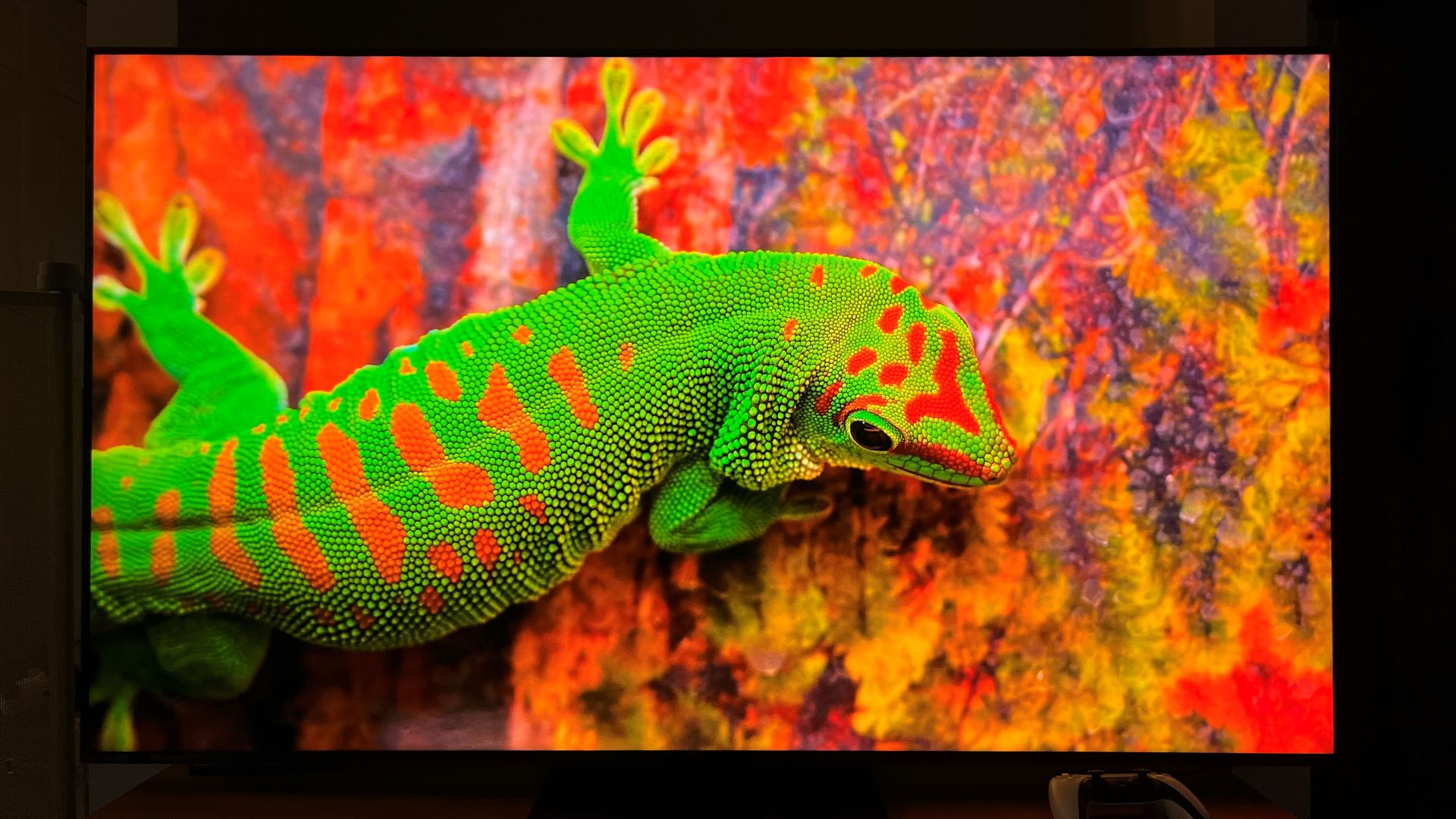
We loved the Hisense U8QG, but its viewing angles, like the rest of Hisense's mini-LED TV lineup, could use improvement. (Image credit: Future)
Hisense again delivered excellent TVs in 2025, with the Hisense U8QG and Hisense U75QG in particular impressing us with their staggering brightness and refined local dimming. But, there’s one area where Hisense could take notes from TCL and Samsung: viewing angles.
We measured the Hisense U75QG’s peak brightness at 3,372 nits (in Standard mode) and its fullscreen brightness at 887 nits. Such high brightness makes it a great TV for daytime viewing, including sports. However, in our testing we noted that when viewed off-axis, the U75QG’s picture quality decreases, and that’s the case for the whole Hisense range. It’s a shame that a TV with this much to offer stumbles when it comes to viewing angles.
Viewing angles used to be a problem with most mini-LED TVs, but over the years, brands, including Hisense’s major affordable rival TCL, have found a way to address it. This is one area where I’d love to see Hisense improve in 2026. I tested the 116-inch RGB mini-LED, and its viewing angles seemed better, so hopefully this can be carried over to the standard mini-LED lineup.
Sony: a cheaper QD-OLED
Sony has had success when using QD-OLED panels in TVs like the Sony Bravia 8 II, its flagship OLED in 2025. A mid-range QD-OLED would be a welcome addition. (Image credit: Future)
The Sony Bravia 8 II, which uses a QD-OLED display panel, received numerous accolades in 2025. It earned a four-and-a-half-star overall score from TechRadar’s Al Griffin in his review, and it fared well in my four-way OLED TV comparison. Sony has adopted a bi-annual cycle with its TVs, and I think it’s about time for a cheaper QD-OLED.
Sony’s previous mid-range OLED was the Sony Bravia 8. It’s a great TV, but it was released in 2024 and realistically struggles to compete with LG’s C-series. Samsung had success in 2025 by incorporating QD-OLED in its step-down Samsung S90F 65-inch model, which has brighter pictures than the rival LG C5, but for a similar price.
A mid-range QD-OLED with Sony’s built-in audio pedigree? Now that would be amazing.
Panasonic: higher brightness
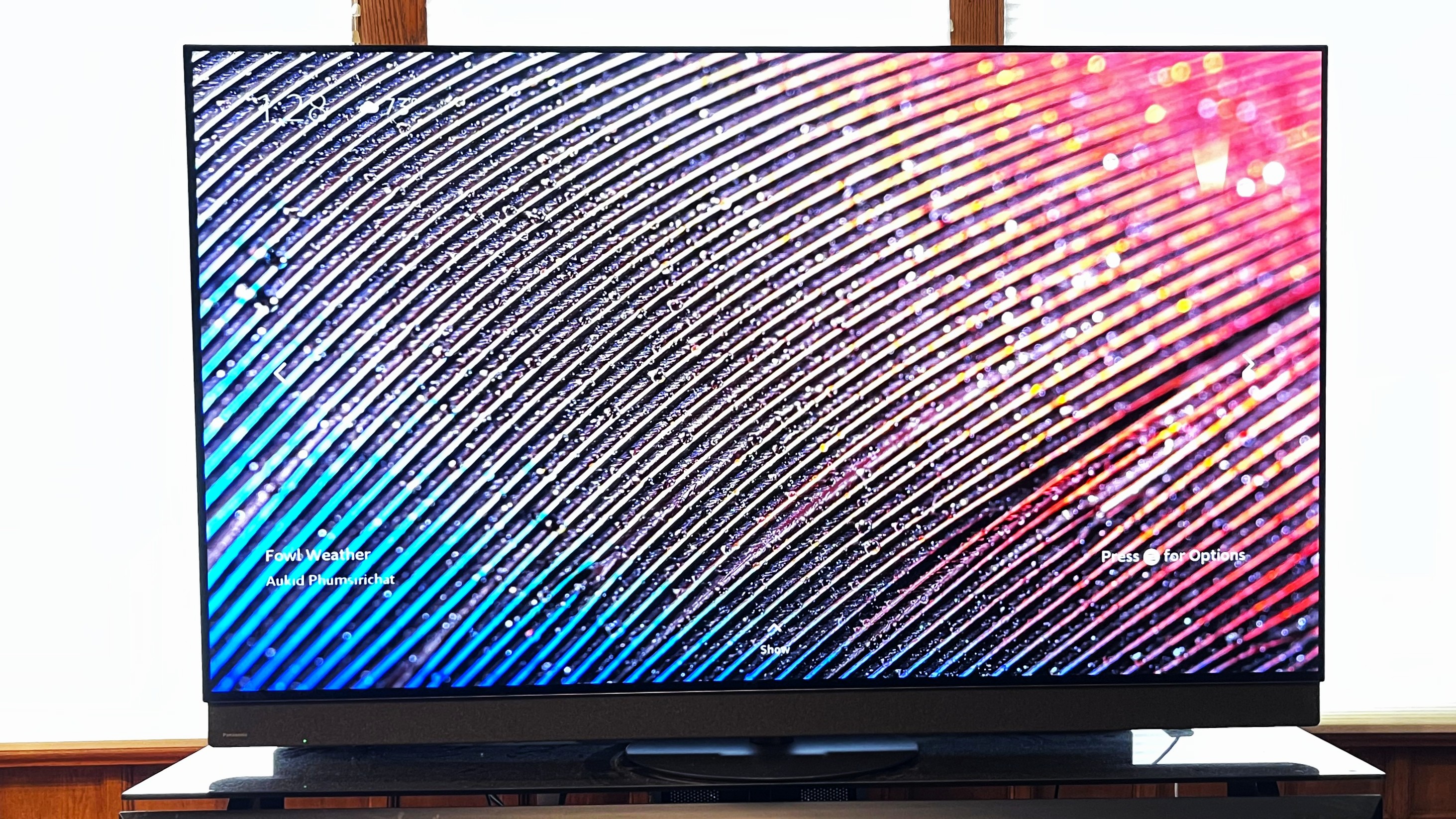
Panasonic's OLEDs could benefit from a brightness boost in Movie and Filmmaker Mode. (Image credit: Future)
I chose the Panasonic Z95B as my favorite flagship OLED of 2025 after comparing it to other models in a four-way OLED showdown. I loved its contrast-rich picture, powerful built-in sound and sleek design. But one area where I felt there was a missed opportunity was brightness.
I’m talking specifically about the Z95B’s brightness in the default Movie and Filmmaker Mode settings. While the brightness can be bumped up, I found during testing that this affected the Z95B’s picture accuracy. It turns out this was intentional by Panasonic, which decided to prioritize accuracy over brightness in the Z95B.
The Z95B uses the same Primary Tandem RGB OLED panel as the LG G5, which hit a peak brightness of 2,268 nits in Filmmaker Mode in its default settings when we tested it. The Z95B’s peak brightness in the same mode: 992 nits. At that level, the Z95B’s contrast wasn’t quite as striking as I’d have liked. A brightness boost, even a slight one, would make Panasonic’s next flagship even better.
And of course you can alsofollow TechRadar on TikTokfor news, reviews, unboxings in video form, and get regular updates from us onWhatsApptoo.
James is the TV Hardware Staff Writer at TechRadar. Before joining the team, he worked at a major UK based AV retailer selling TV and audio equipment, where he was either telling customers the difference between OLED and QLED or being wowed by watching a PS5 run on the LG 65G2. When not writing about the latest TV tech, James can be found gaming, reading, watching rugby or coming up with another idea for a novel.
You must confirm your public display name before commenting
Please logout and then login again, you will then be prompted to enter your display name.