Can public charging cables steal your data? Experts explain how to avoid 'juice jacking' in 2026
We’ve all seen public charging cables in airports, taxis and cafes. But are they safe to use? We asked the experts.
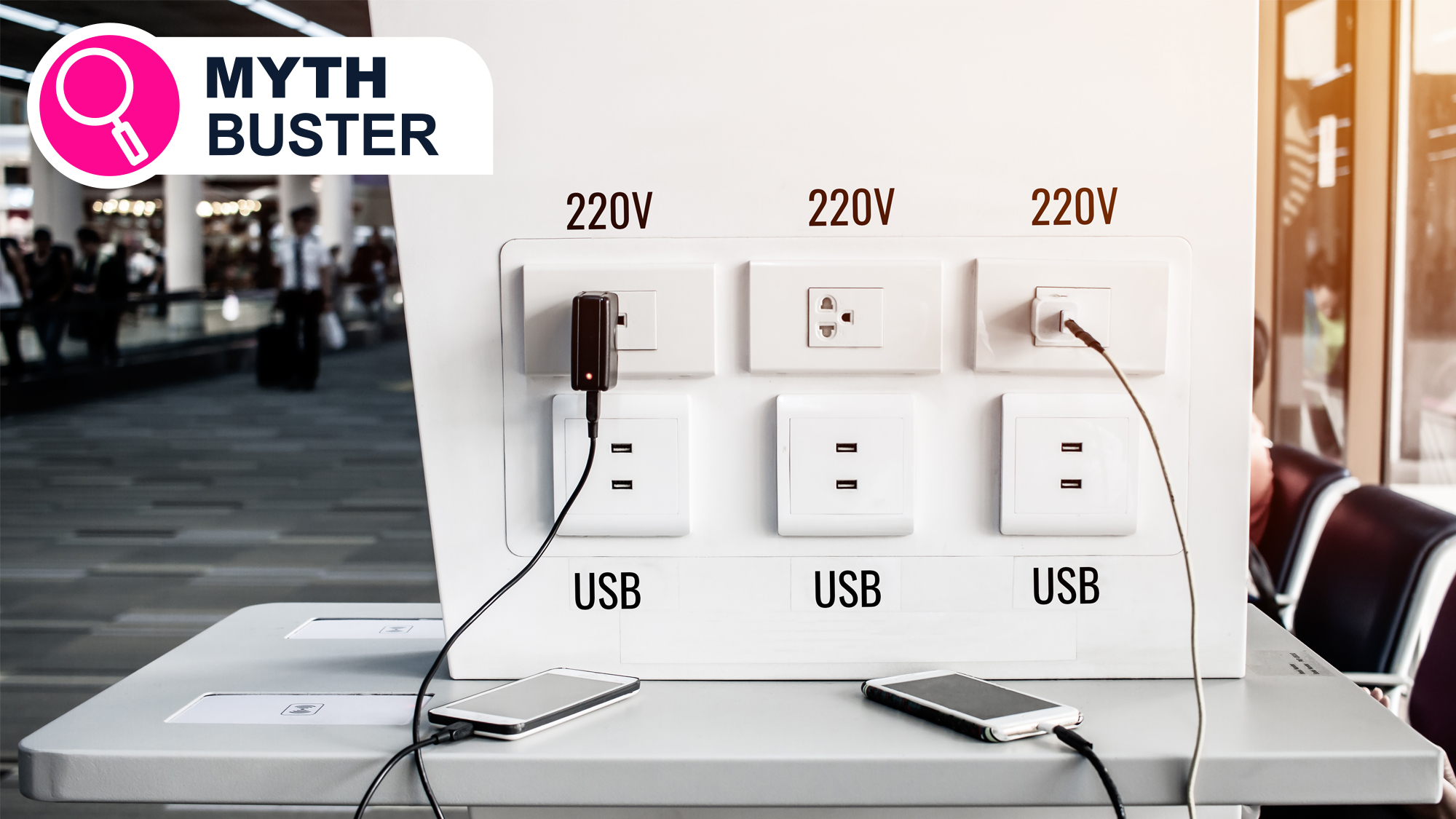
(Image credit: Shutterstock / smolaw)
If you’ve ever watched your battery dip below 10%, you'll be all too familiar with the feeling of rising panic. You start scanning the room. Who has a cable? A power bank? Maybe you even spot a built-in charger in an Uber or an airport seat and feel instant relief.
When our phones are dying, we make quick decisions. But should you trust a cable offered by a stranger or a charging port in a public space?
As we’ll soon find out, this one isn’t a clean yes or no. There’s real risk here, but also strong protections already in place. But understanding why this idea exists, what actually happens in a security attack, and where the real dangers lie can help you stay safer without becoming paranoid.
The 'myth'
The claim is that a charging cable, especially one handed to you by a stranger or in a public spot, can steal your data or give someone access to your device.
You’ll often see vague warnings online about “dangerous cables,” or “public USB hacks,” or “juice jacking”. But not much clarity about how it works or what’s actually at risk. Is the cable a problem? The port you plug into? And is this a widespread, realistic threat?
This is a 'myth' that isn’t actually a myth. The threat does exist and attacks like this do happen. But the context, probability and modern safeguards tell a much more balanced story.
What experts say
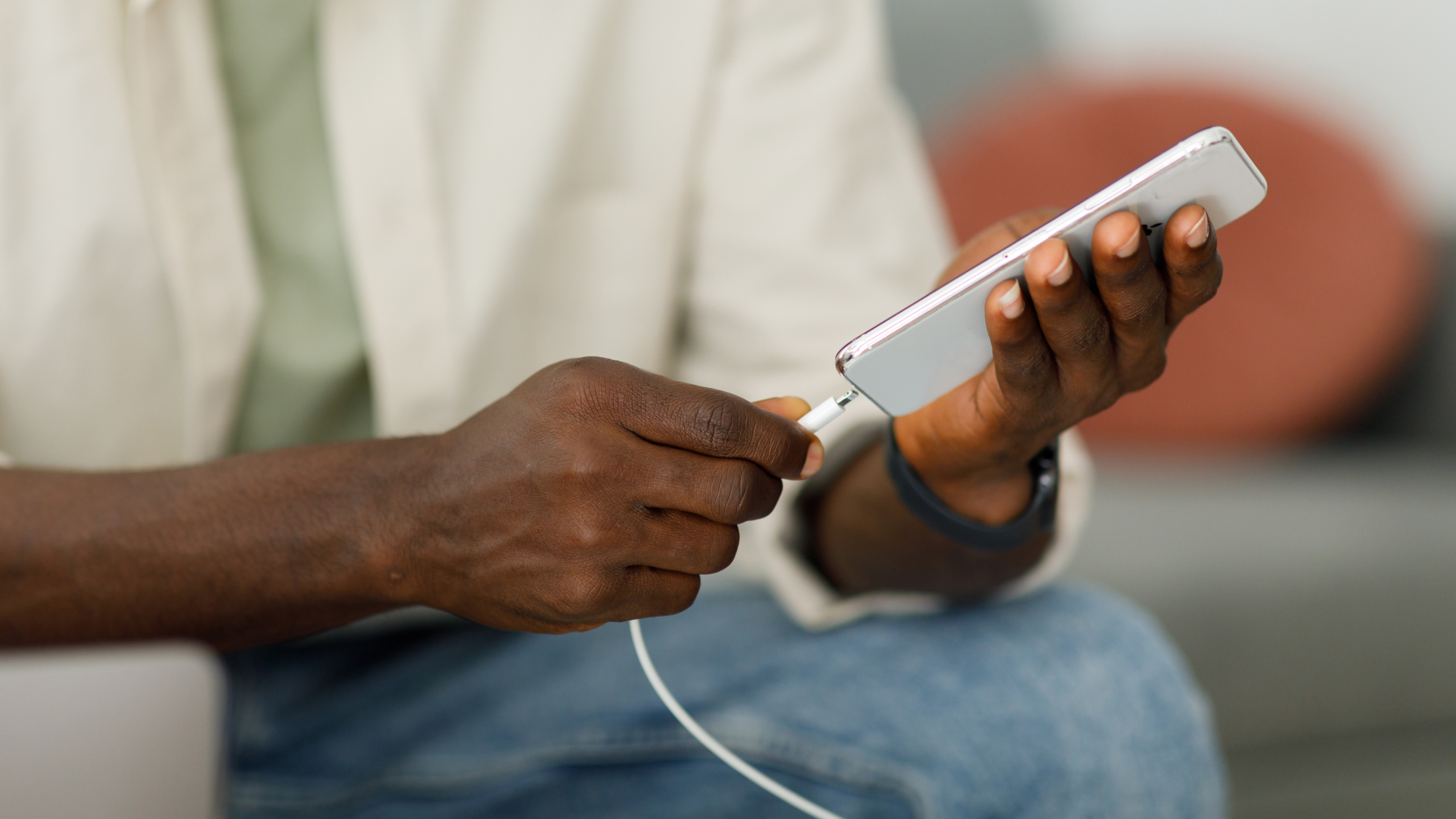
(Image credit: Shutterstock / fast-stock)
“Yes, if you use a cable that has been given to you by a stranger, it could be a risk,” Craig Ford, cyber security expert, author and co-founder at Cyber Unicorns, tells me.
Sign up for breaking news, reviews, opinion, top tech deals, and more.
He explains that some cables can have a hidden chip embedded in them that allows a malicious actor or hacker to carry out a process called “juice jacking”.
“This essentially allows them to collect, at minimum, any information that is sent over the cable,” Ford tells me. “The worst case is if the actor is sophisticated, which means they could use this cable to gain unauthorized access to your devices.”
Because this isn’t just an issue for your phone. Ford says that the same method can also be used to hack tablets and computers.
TL;DR
Public charging cables can pose a threat, but modern phones also have strong protections. To stay safe, you should:
- use your own cable when possible (or buy a new, unopened one)