Can you tell what’s real? Here’s how to spot AI images so you don’t get scammed
Social media and online marketplaces are full of AI-generated images, but spotting them is still possible.
Taylor Kerns / Android Authority
Last year, I moved across the world and had to start from scratch — I needed a rental apartment, a used car, and furniture. I began my search on Facebook Marketplace and was quickly overwhelmed by the number of photos that were digitally altered with generative AI, some almost to the point of misrepresentation. But since I began my search thousands of miles away, I had to do all of my due diligence based on these photos alone.
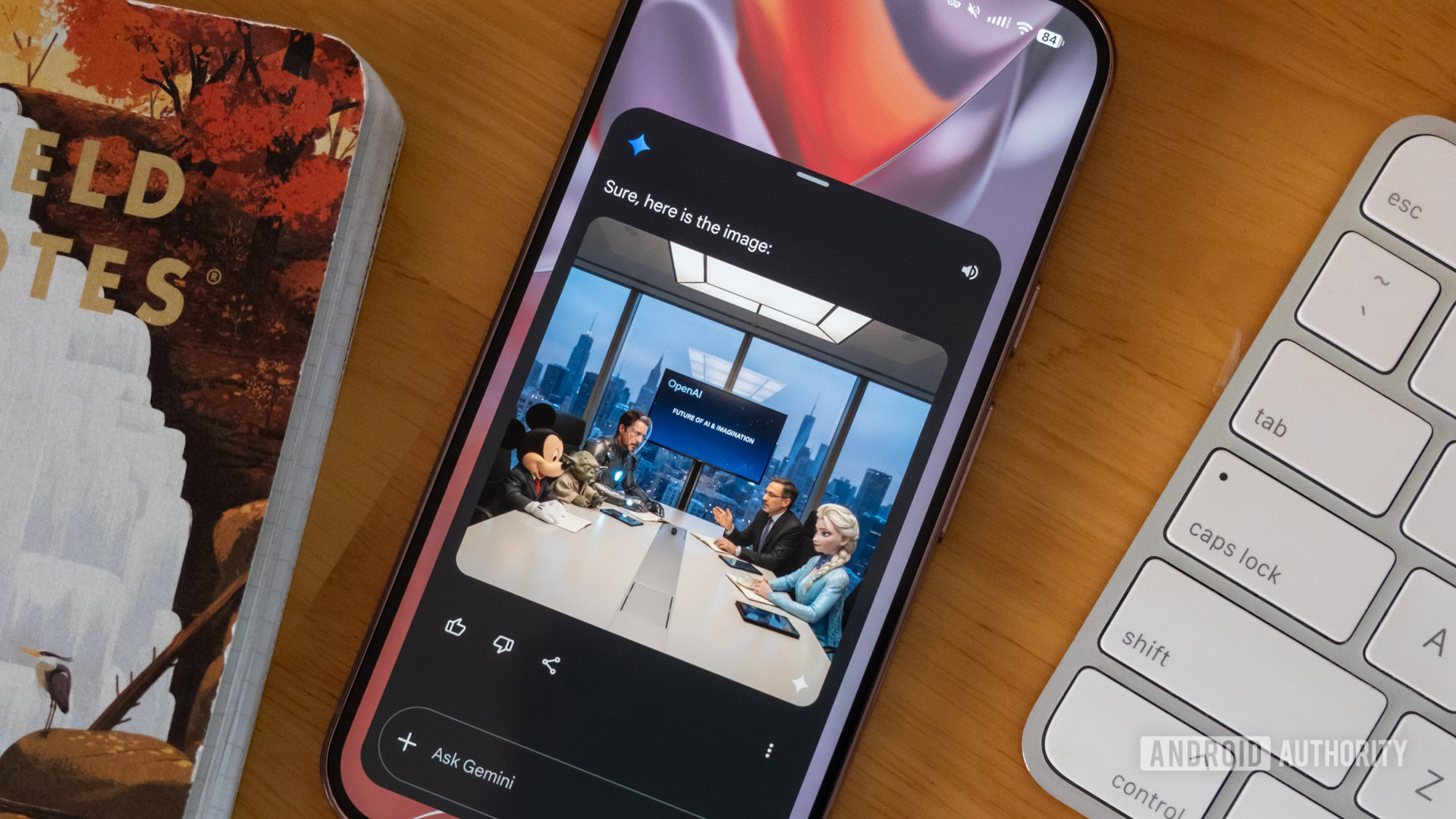
This is not a problem isolated to Facebook Marketplace either. AI-generated images and videos have quickly proliferated across all online platforms. Over the past month alone, I’ve seen several supposed leaked photos of upcoming movies like Avengers: Doomsday that were, in fact, AI-generated.
Tools like ChatGPT and Gemini have become so accessible, and so capable, that it’s only a matter of time before you run into someone using it for nefarious purposes. But luckily for us, even the best AI image generators today struggle to replicate real world details. Once you know what to look for, you can easily spot telltale signs of AI’s involvement. Here’s everything you need to know about spotting a fake AI-generated image.
AI struggles with humans and animals the most
At face value, many AI-generated images of landscapes could pass off as the real deal. However, the illusion doesn’t hold when you look at images with living beings. These AI-generated images can often look strange and evoke a sense of uncanniness. For example, less sophisticated AI models tend to trip up on human anatomy. You’ll see extra fingers, disjointed body parts, or strange proportions and overlapping features in the most egregious cases.
The opposite is true as well — even when AI gets the shapes right, it tends to give human skin a smooth and airbrushed look with zero imperfections or flaws. This means you won’t see details like pores or wrinkles even though the rest of the image is pin sharp. The same principle extends to animals as well. I’ve seen AI generate extremely smooth fur on otherwise convincing-looking dogs and cats.
Look beyond the main subject
The New York Times
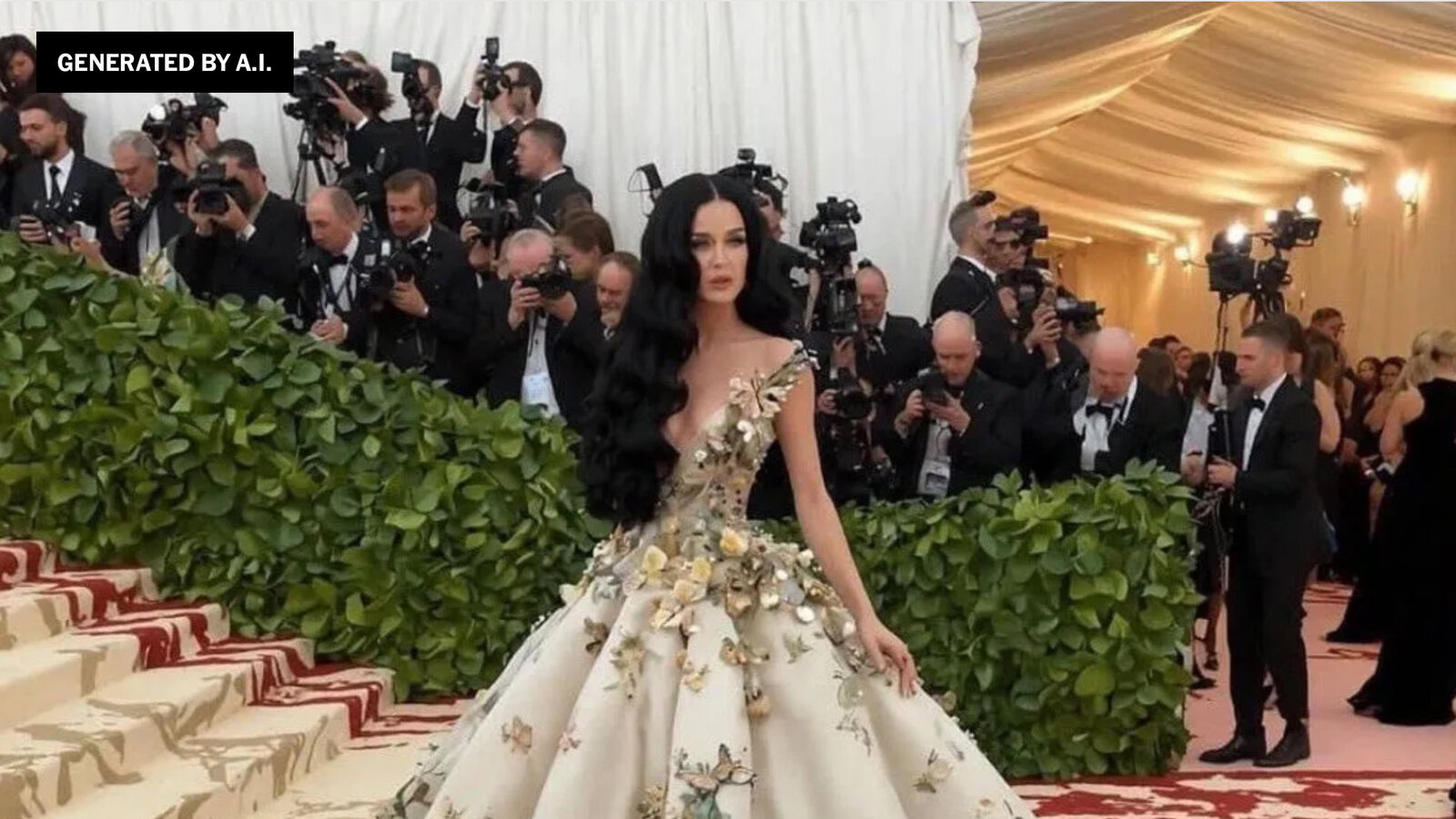
With the right prompts, one could perhaps achieve a realistic-looking subject as the centerpiece of an AI image. However, that level of quality and detail won’t be consistent for other characters and in the background of the image.
Take the above AI-generated image of Katy Perry, for example, which was posted by the singer herself on Instagram. The main subject looks convincing enough even with some scrutiny. However, the photographers in the background didn’t receive the same amount of attention — several faces overlap to the point of morphing into each other and many cameras have weird proportions. The floor also appears to be extremely smooth and lacks the texture of real carpet.