Celebrate Public Domain Day with Betty Boop and Piet Mondrian
"The Little Engine That Could," a Salvador Dalí and Luis Buñuel collaboration, and many other works are now free to use and reuse.
"The Little Engine That Could," a Salvador Dalí and Luis Buñuel collaboration, and many other works are now free to use and reuse.

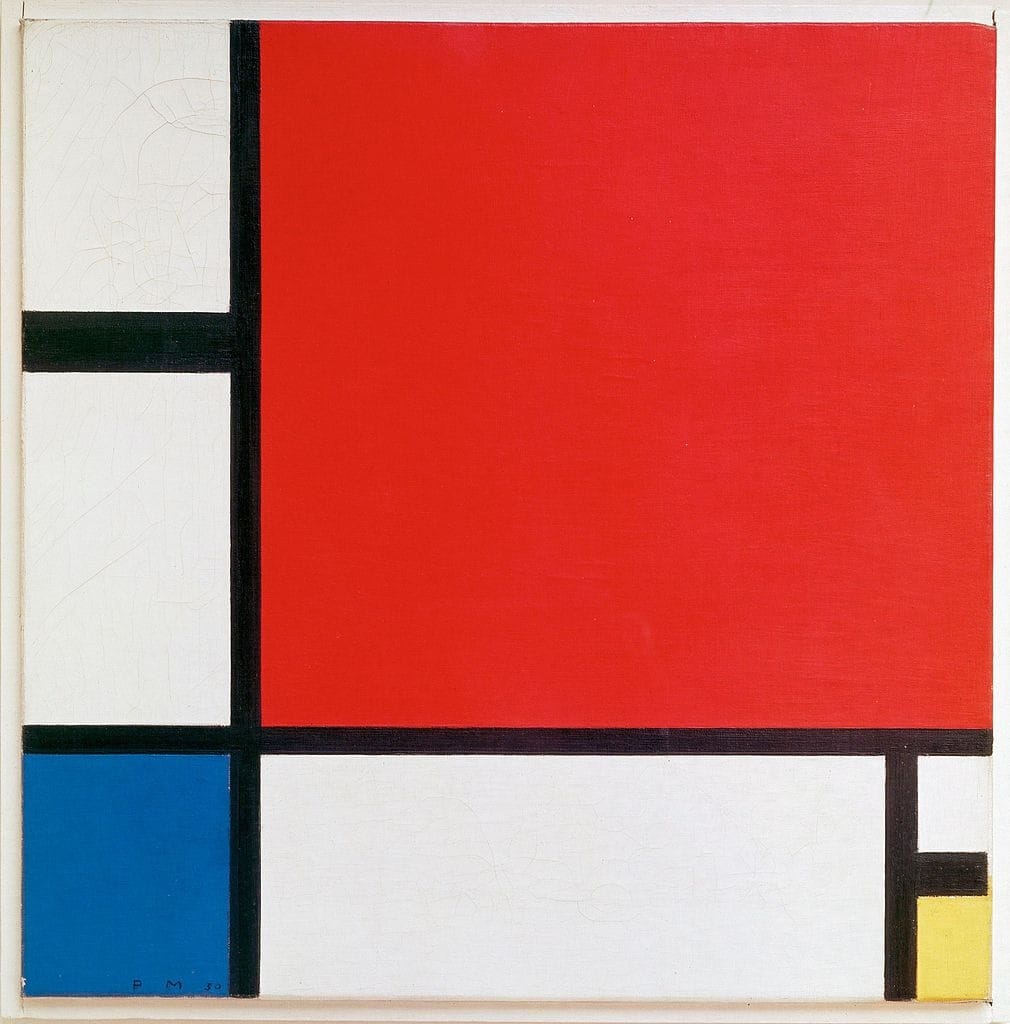
Piet Mondrian, “Composition with Red, Blue, and Yellow” (1930) (image via Wikimedia Commons; all images public domain)
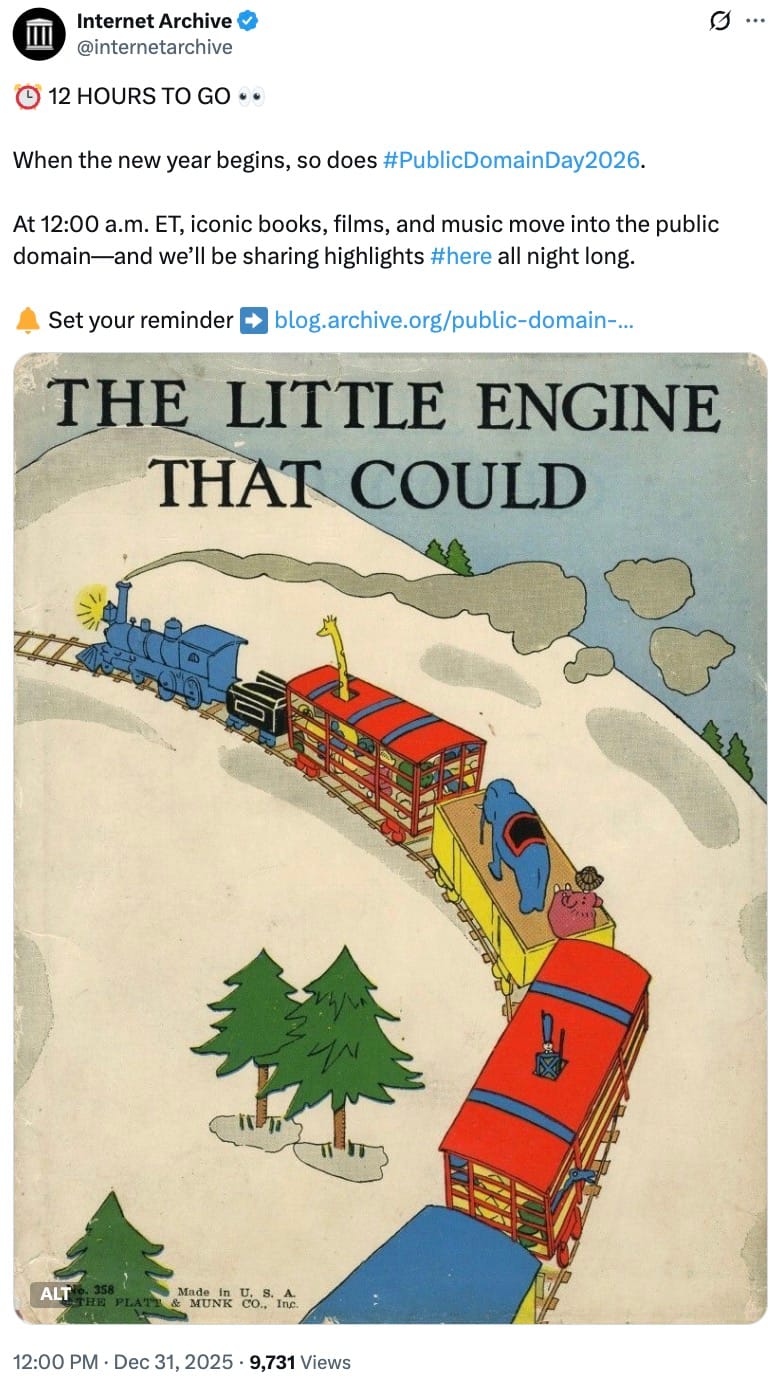
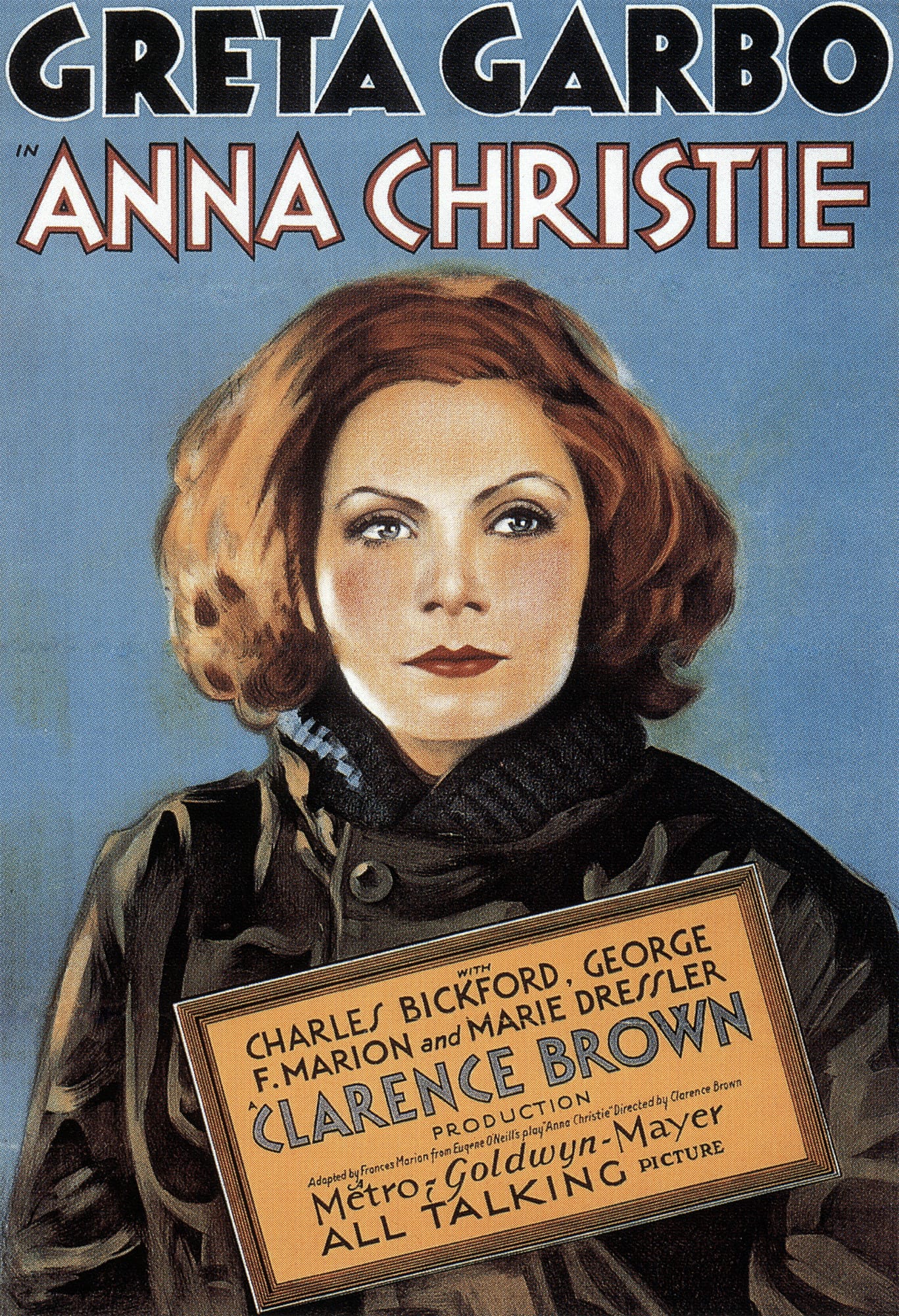
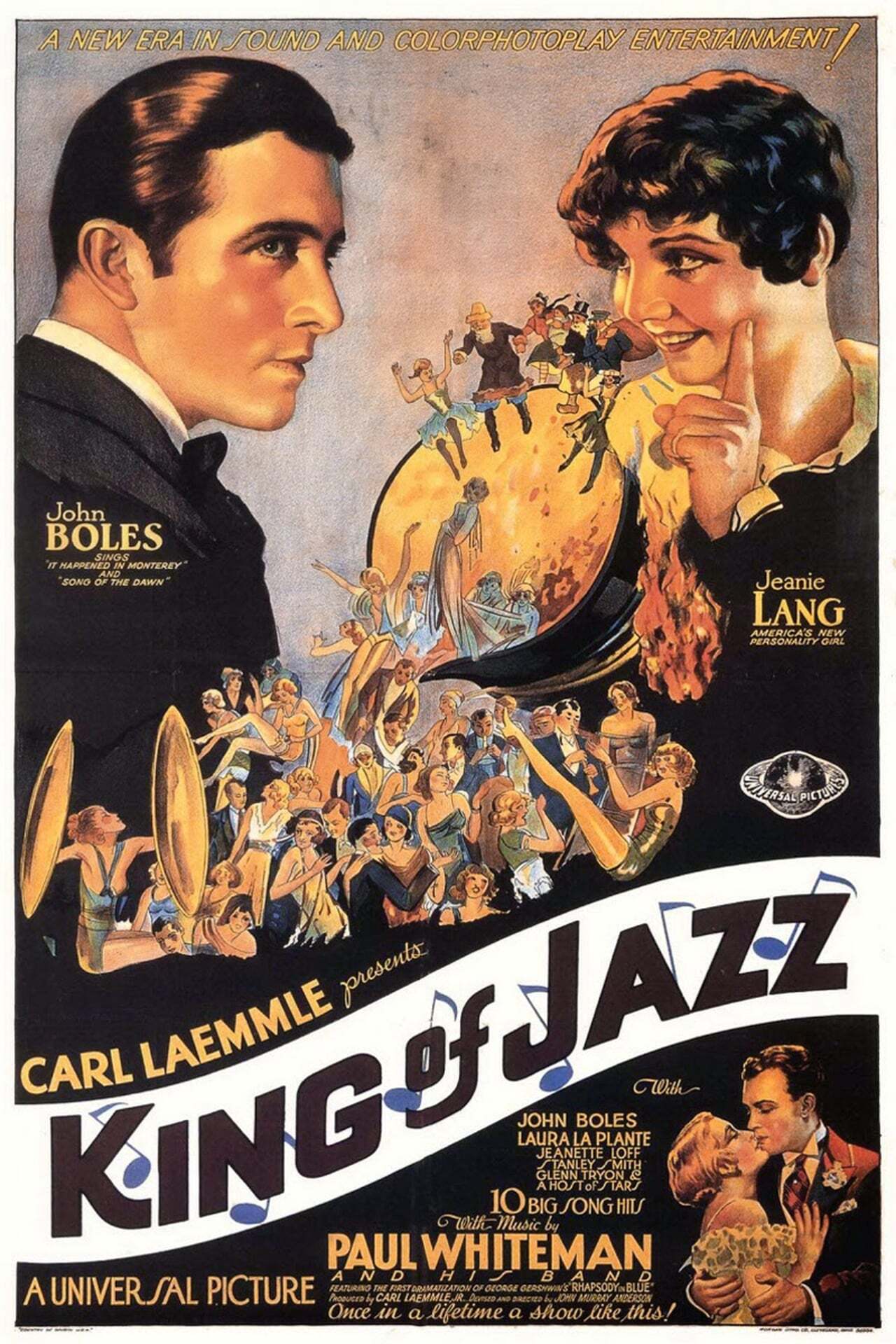
January 1 might ring in a new year, but it's also a day when copyright protections expire for a bunch of cool old stuff that we can now freely access, republish, reinterpret, and revitalize. So instead of wading through navel-gazing resolution lists flooding social media, let's celebrate Public Domain Day's eclectic selection of treasures, including Betty Boop's debut appearance, a William Faulkner novel, an iconic Piet Mondrian painting, and The Little Engine That Could! 🥂
Before we get into it, the terms and parameters for copyright protection in the United States have been revised time and time again, but here's a basic rundown: If a work was published in the US between 1930 and 1978, it has a 95-year protection term starting from the year it was published. After that period, the work enters the public domain. As of 1996, that 95-year term applies to works that were published abroad during the same time period, even if they’re still copyrighted in their country of origin. (For anyone interested, Cornell University Library has a comprehensive table of protection terms.)
With that established, the protection term has expired for a wellspring of works from 1930 specifically. That means that the debut appearance of animation's original diva, Betty Boop, has entered the public domain! Before you get swept up in the boop-oop-a-doop of it all, note that it’s only Betty Boop 1.0, initially animated as an anthropomorphic French poodle introduced in Fleischer Studios’s “Dizzy Dishes” (1930) cartoon segment, that is copyright-free. Betty Boop’s human form and later appearances are still copyrighted, and Fleischer Studios has a trademark on her name, image, and branding.
When it comes down to visual art, things can get a bit hairy with determining retroactive copyright protections due to the blurred line between when a work was created and when it was “published” (as in public display, appearance in an exhibition catalogue, or other type of public distribution). Duke Law School’s Center for the Study of the Public Domain highlighted Piet Mondrian’s “” (1930) as a particularly exciting addition to the public domain in 2026, noting in its own that the era of art history between the World Wars was marked with pivotal styles from Neoplasticism to Art Deco. has reached out to the Kunsthaus Zürich, which currently holds the historic geometric painting in its collection, for more information.
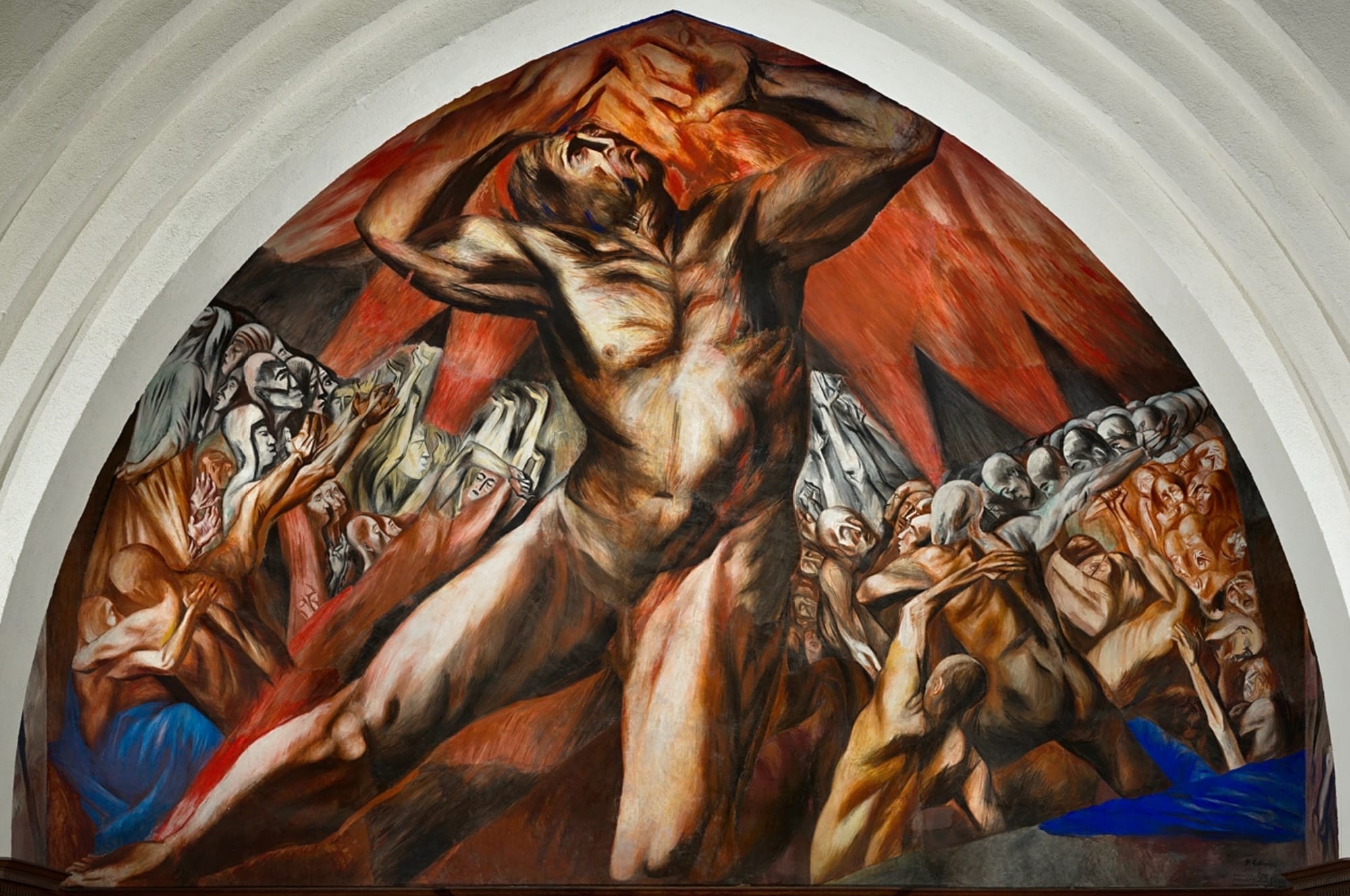
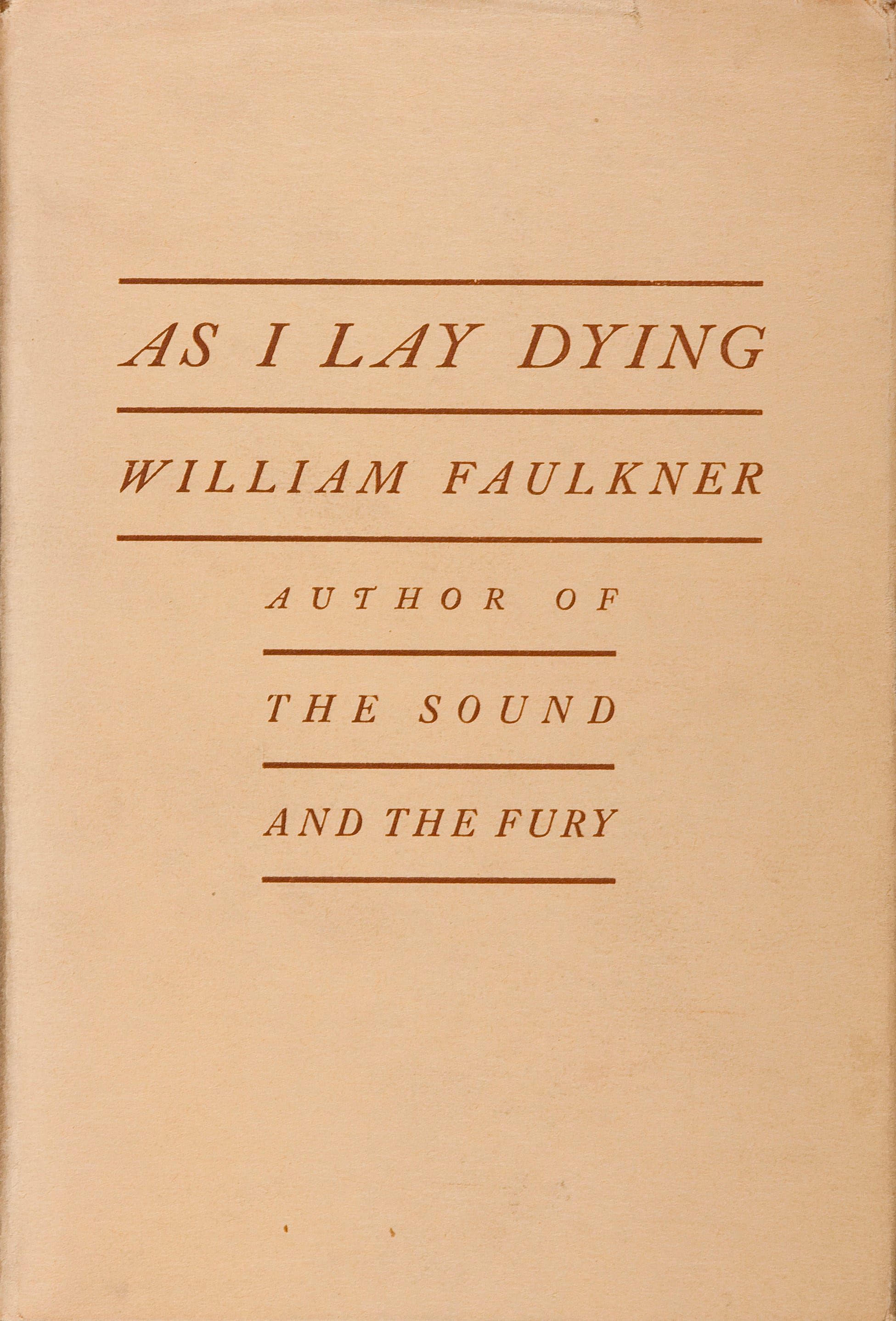


_de_Jos%C3%A9_Clemente_Orozco_en_Pomona_College.jpg?ref=hyperallergic.com)
.jpg?ref=hyperallergic.com)
?ref=hyperallergic.com#/media/File:Anna_Christie_1930_film.jpg)
_poster.jpg)
.jpg)