Congress blocks Obamacare subsidies after shutdown fight, premiums set to surge
Congress fails to extend enhanced Obamacare subsidies before the Dec. 31 deadline as both sides try to find common ground on a bipartisan solution when they return in the new year.
NEWYou can now listen to Fox News articles!
Lawmakers fought over Obamacare subsidies tooth and nail for the latter part of the year, and ultimately, neither side won.
Senate Democrats thrust the government into the longest shutdown in history in an effort to refocus the narrative in Congress on healthcare, and Republicans agreed to talk about it in the open. And both Republicans and Democrats got a shot to advance their own, partisan plans. Both failed.
Now, the subsidies are set to expire on Wednesday, sending price hikes across the desks of tens of millions of Americans that relied on the credits.
REPUBLICANS CONSIDER USING RECONCILIATION AGAIN AFTER TRUMP'S BIGGEST LEGISLATIVE WIN
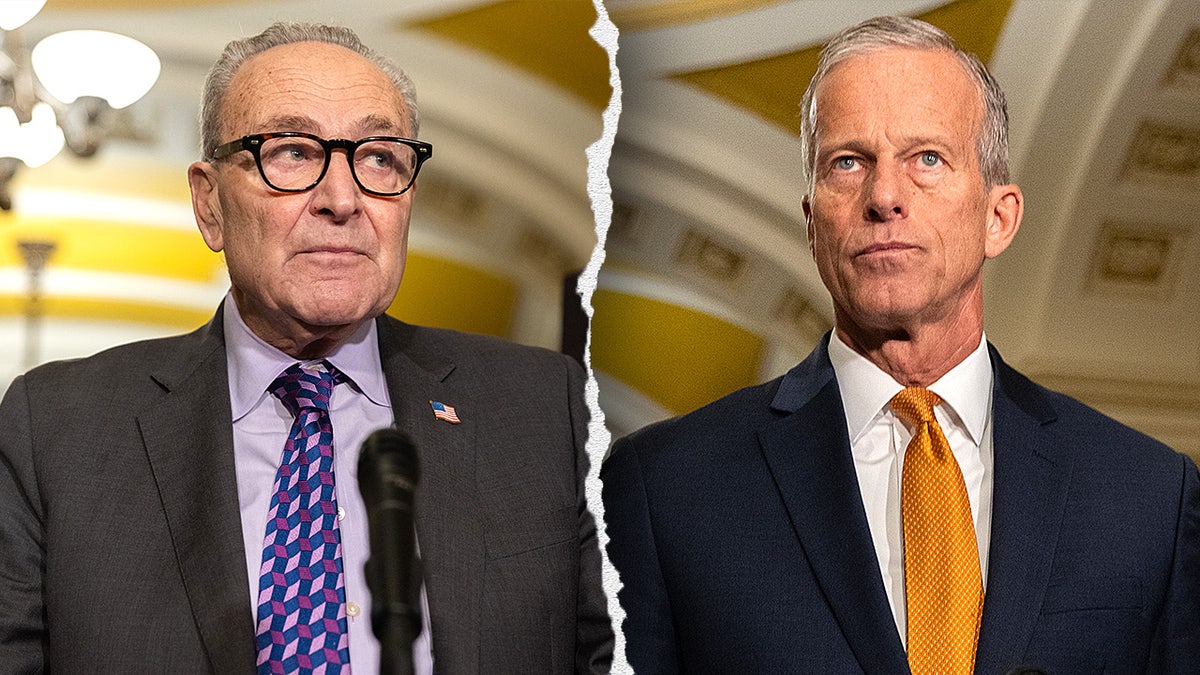
Senate Democratic Leader Chuck Schumer, left, and Senate Majority Leader John Thune, right, are at odds over a fix to the expiring Obamacare subsidies, which will cease on Dec. 31. (Nathan Posner/Anadolu via Getty Images)
When lawmakers return on the first week of January, healthcare will be front of mind for many in the Senate. But any push to either revive, or completely replace, the subsidies may, for a time, take a backseat to the government funding fight brewing ahead of the Jan. 30 deadline.
When asked if he was disappointed that lawmakers were unable to, at least in the short term, solve the subsidies issue, Sen. Josh Hawley, R-Mo., was more concerned about people that would experience higher costs.
"I think who it's most disappointing for are the people whose premiums are going to go up by two, three times," Hawley said. "So, it’s not good."
Price hikes on premium costs will be variable for the roughly 20 million Americans that rely on them, depending on age, income and other factors. Broadly, a person’s out-of-pocket cost is expected to double with the credit’s lapse, according to the Kaiser Family Foundation.
The nonpartisan healthcare think tank painted a broader picture of the disparate impact on premium cost increases in a report released late last month that, based on myriad factors, including where a person lives, their age range and where they sit above the poverty line, some could see price hikes as high as 361%.