DCU 2025 releases: How James Gunn launched a cinematic universe by breaking Marvel's biggest rules
Gunn had access to the MCU playbook and mostly ignored it.
Most years, assessing the state of the Marvel Cinema Universe involves examining multiple feature films and TV series, as well as an active pipeline poised to deliver more of the same in the coming months and years. By comparison, assessing the state of the DC Universe is, for now, a more straightforward task, involving one (1) feature film and one (1) season of television featuring several characters that were actually introduced in a whole other iteration of DC movies and shows.
This is because DC Studios overseers James Gunn and Peter Safran appear to be flouting a lot of conventional wisdom about how to form a cinematic universe, superheroic or otherwise. In a lot of ways, they’ve been soft-launching the DCU for the better part of a year, even if Superman felt like the true hard launch. But that’s not the only break from tradition the first sorta-year of the DCU represented. Let’s take a quick look at what Gunn and Safran decided not to do, and what it reveals about their unconventional plans for this cinematic universe moving forward.
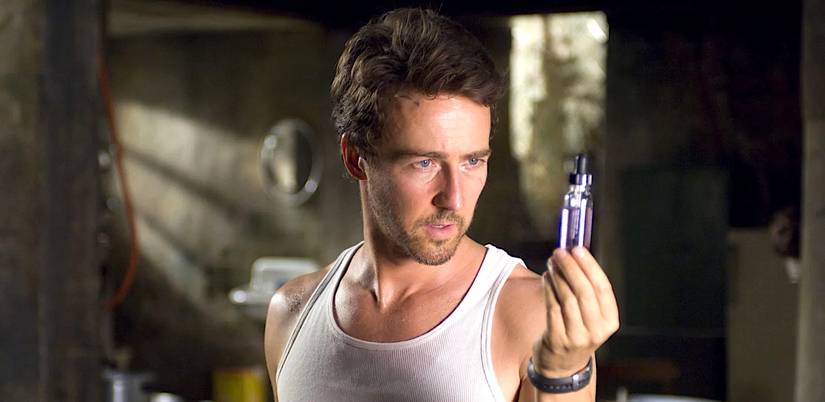Photo: Universal Pictures/Marvel Enterprises
Make a clean break
Marvel Studios was in no particular position to continue any other movie versions of Marvel heroes when launching its own cinematic universe (even if Wesley Snipes’ Blade did eventually join the MCU in 2024’s Deadpool & Wolverine), but it was nonetheless smart to not even give the audience the opportunity to think about the Avengers during Iron Man (until such post-credits time as Nick Fury gave the signal, and even then, Fury doesn’t mention any other particular heroes).
Incredible Hulk waffled ever so slightly; people forget that it picks up with Bruce Banner in a jungle in a way that would be easy enough to interpret as a sequel to the 2003 Hulk, even though that wasn’t exactly the intention. In retrospect, that was unnecessary, and other successful universe-starters, like 2014’s Godzilla, were sure not to rely on any particular previous lore. On the other hand: What if not that? The second season of Peacemaker does playfully bend to fit into the reconfigured DCU, but conventional wisdom would have been to drop it or, at the very least, hastily wrap it up as a previous-DC-universe postscript of sorts.
Instead, Gunn leaned further into the comic-bookiness of it all, because he likes the version of this character that he and John Cena worked out for The Suicide Squad, which now has the unusual distinction of being the lowest-grossing movie from the previous DC movie regime and also the only one with a formal connection to this one. It’s hard to tell whether this creates confusion around the character, in part because Peacemaker is kind of a niche character to begin with. It also effectively delays the “real” beginning of the DCU’s television offerings, with another Gunn favorite, the animated series Creature Commandos, serving as an ultra-soft launch of the universe in 2024. The first DCU series to truly follow Superman will be Lanterns, exploring other members of the Green Lanterns Corps in addition to Nathan Fillion’s Guy Gardner.
But if Ryan Reynolds ever shows up in the DCU, we'll know Gunn has truly thrown all conventional wisdom out the window.
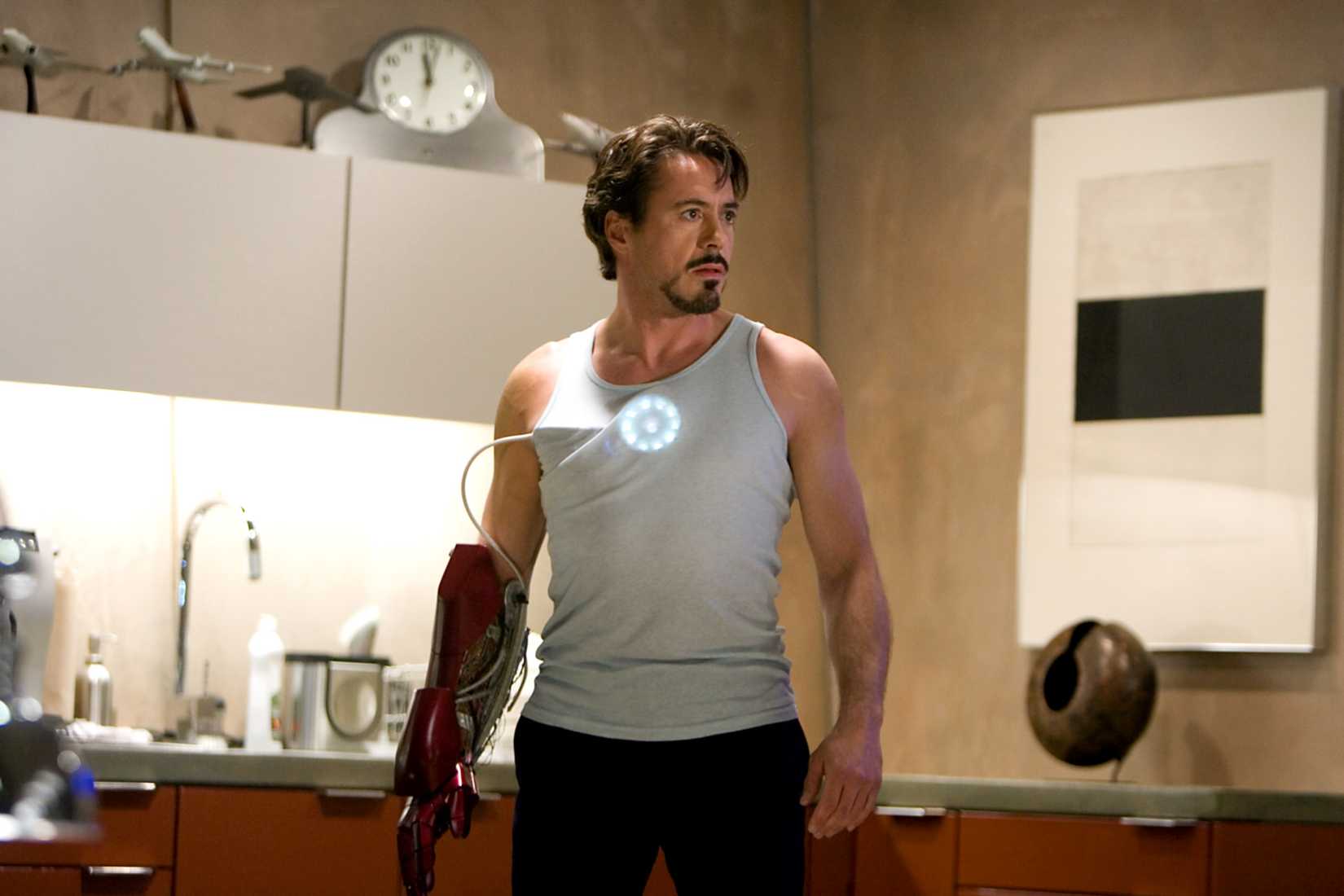Photo: Paramount Pictures/Courtesy Everett Collection
Start small
Iron Man kicked off the MCU in 2008 with a movie that’s almost unrecognizably grounded compared to most of today’s superhero movies, and spotlights a superhero most people knew little to nothing about. Some of that was pure necessity; Marvel Studios didn’t have the rights to use signature characters like Spider-Man, Wolverine, or the Fantastic Four, but there were still plenty of more familiar characters available. The Robert Downey Jr. version of Iron Man wound up being a perfect way to ease more casual fans into what became a vastly more complicated and fantastical universe.
Gunn’s Superman, meanwhile, features a pocket dimension, a member of the Green Lantern Corps, a flying alien dog, and a Superman who has already been Superman — one of the most famous superheroes in the world — for three years. For that movie, it’s tremendously effective, bypassing an origin story most viewers have heard in some form or another while circling back to deepen that story with new details about Superman’s parents. Gunn lets the more intimate moments come to the movie on his own terms. The question is whether origin stories (which do account for some of the most popular superhero movies ever) will have a place in this universe — and if they’re not used to the same degree, will more in-media-res openings just feel like the same trick repeated?
Image: Warner Bros.
…but have backup
It’s easy to forget that while Iron Man and Iron Man 2 were the one-two punch of massive hits that made the MCU a big deal, Marvel Studios actually had a second movie out a mere six weeks after the first Iron Man in The Incredible Hulk, starring Edward Norton. It didn’t affect subsequent movies that much (at least not until Captain America: Brave New World inexplicably scraped up a bunch of its subplots this year), but Downey popping up at the end of the Hulk movie did assure fans that something more was brewing. Superman had a little of that going on by introducing Supergirl at the end of the film, but no new DCU movies will be arriving until June 2026, almost a year after the first film.
Creatively, this probably isn’t much different from the Iron Man/Incredible Hulk pair. They’re both cases where the companion film is in progress before the first film has been released. The extra lead time for Supergirl, however, does leave plenty of room for Gunn and the filmmakers to psych themselves out. Does Superman being a hit mean that Supergirl should be more like that movie, or distinguish itself further? Are audiences expecting a de facto sequel and will they be pleased or vexed if they don’t get it?
Supergirl brings up another mystery, namely whether the movie will be as Gunn-esque as it looks from its first trailer. Though Jon Favreau did handle the first two Iron Man movies and accordingly helped set the tone for the MCU, the series made sure to diversify, hiring other directors to make Captain America: The First Avenger, Thor, and the eventual team-up of The Avengers. That placed the Marvel ensemble in the foreground, with behind-the-scenes peeks increasingly selling Kevin Feige as the producer visionary — not the meddling suit kind, but an avatar for modern fandom. On the other side, the first crack at an interconnected series of DC movies was chided for freaking out and rushing into Justice League before it had fully introduced Aquaman, Cyborg, or The Flash (who semi-hilariously got his maybe-not-that-long-awaited solo movie in theaters well after the announcement of a reboot; not at his trademark speed, in other words).
The DCU seems to be choosing a none-of-the-above approach to the team-ups. From the looks of it, three of the first four DCU movies will be within the Superman family. Gunn has alluded to building some kind of Avengers-like major event, but given the current schedule, including a Superman sequel dated for 2027, it won’t arrive until at least 2028 — and anything even that soon would probably have to stay in the Superman orbit to have any kind of meaningful impact on audiences. (This isn’t even taking into account what might happen if a Warner Bros. sale goes through to new owners who don’t like any of these plans.) Yes, yes, there are rumblings about Batman, Wonder Woman, and other movies. But Gunn’s self-hyped script-first approach means the kind of long-range planning that has become a big part of the Disney machine doesn’t get as much play here. And script-wise, it will not be shocking if what Gunn deems most workable is Superman movies he makes himself, and other movies that appeal directly to his sensibility. The fact is, James Gunn’s take on Superman is going to be the main face of the DCU for the immediate future. It’s almost a throwback; for most intents and purposes, this will look a lot more like a series of Superman movies than a full cinematic universe. Then again, there is one non-Superman exception on the horizon.
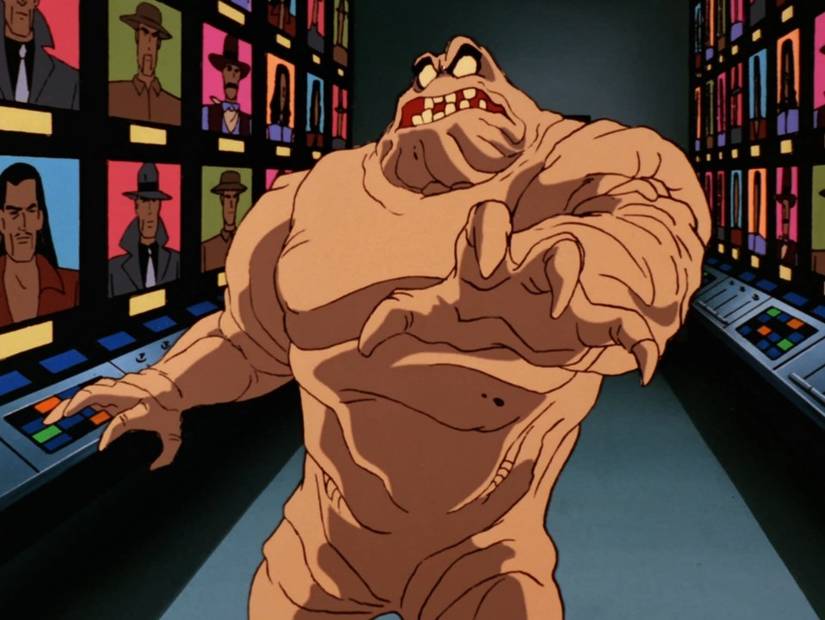Image: Warner Bros. Animation
Whatever you do, don’t make a Clayface movie
The MCU has inarguably never made a Clayface movie. (They haven’t even really ever made a movie with a supervillain lead; no, Avengers: Infinity War does not actually count!) None of the other successful cinematic universes — several of which ironically come from DC parent company Warner Bros. — have made a Clayface movie, either. If only Sony had the rights, they might well have engineered a movie where Clayface teams up with Kraven the Hunter! But no dice. The DCU, however, is getting a Clayface movie. I don’t think anyone in their wildest speculation about what the DCU would be would have landed on, “They will definitely make a movie about the shapeshifting body-horror villain Clayface before an in-universe Batman, Robin, Catwoman, Joker, or Harvey Dent are even cast.” But here we are, awaiting the 2026 release of Clayface, a movie that has already finished shooting. No one can claim Gunn isn’t doing things his own way.