Did reintroducing Wolves to Yellowstone really cause an ecological cascade?
Previous research on the effect of wolves on the food web has been criticized, raising questions about the predator’s role in the Yellowstone ecosystem.
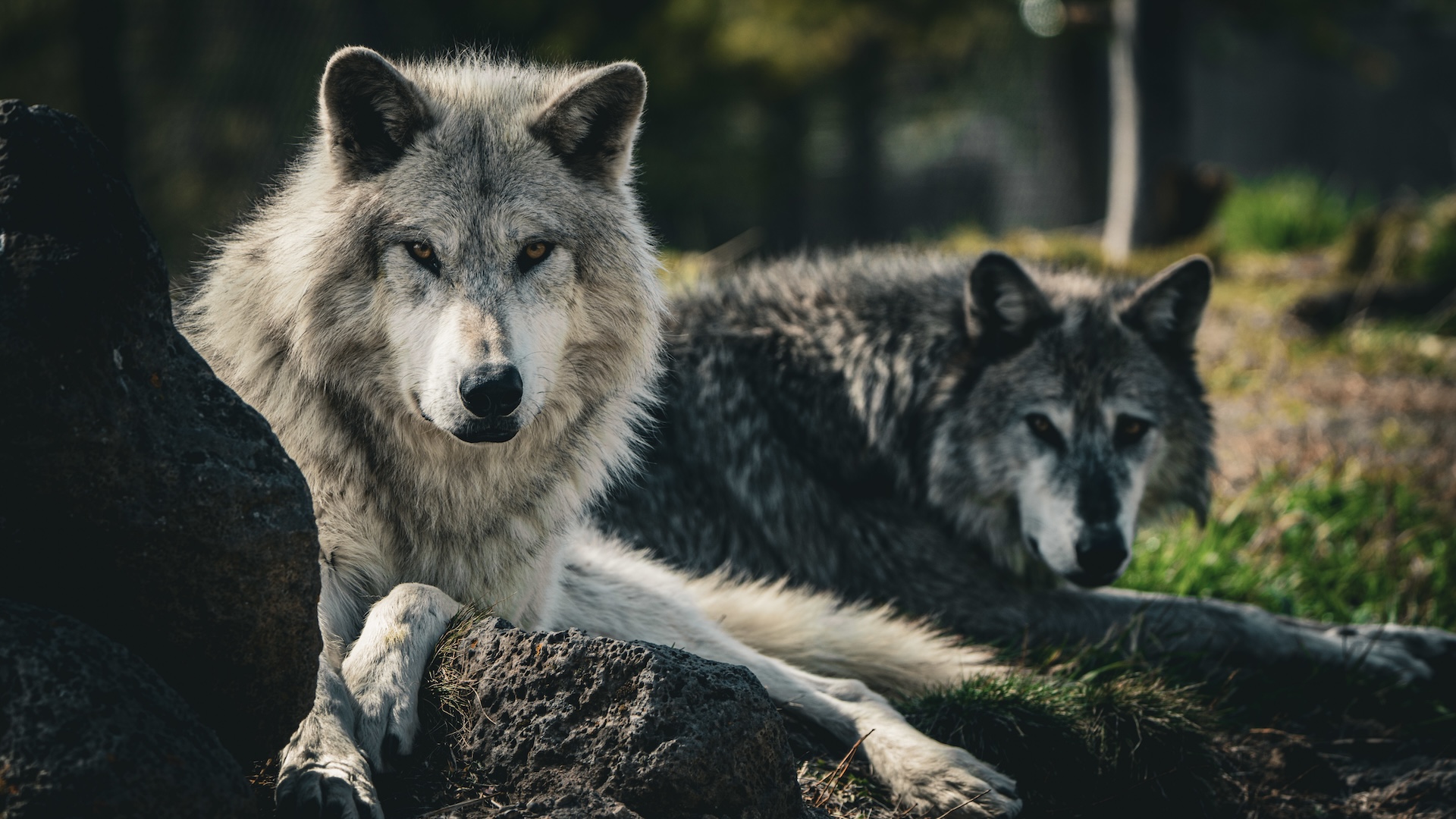
(Image credit: Getty Images)
Over the last three decades, Yellowstone National Park has undergone an ecological cascade. As elk numbers fell, aspen and willow trees thrived. This, in turn, allowed beaver numbers to increase, creating new habitats for fish and birds.
The shift has largely been attributed to the reintroduction of wolves to the park — as predators, they helped control the elk numbers. But their return may not have reshaped the entire ecosystem in the way that scientists thought, and has sparked a fierce debate among scientists over exactly why and how Yellowstone has rebounded.
According to a study published in January, the reintroduction of gray wolves (Canis lupus) in the 1990s created a trophic cascade — a chain reaction in the food web — that benefitted the entire ecosystem. The study linked wolves in the area to a reduction in the elk population, which in turn reduced browsing and allowed willow trees to grow. Between 2001 and 2020, this led to a 1,500% increase in crown volume, the total space filled by upper branches of the willows.
Large predators were targeted in Yellowstone from the end of the 1800s. By the 1920s, wolves were largely extinct from the park. Their disappearance created an ecological imbalance — the elk population exploded, which decimated plant populations and in turn threatened beavers, among other impacts. This is known as a trophic cascade, where the removal of one species causes ripples throughout the food web.
Get the world’s most fascinating discoveries delivered straight to your inbox.
The debate about Yellowstone wolves and the impact of their reintroduction goes beyond this study and the latest response. While scientists widely agree that there is a trophic cascade in Yellowstone, its strength — and which predators are most responsible for it — form the center of the disagreement, MacNulty said.
Related Stories
To establish a clear trophic cascade from Yellowstone wolf reintroduction to willows, researchers would need to account for other predators and herbivores, said MacNulty. The ideal study would then analyze how much more total willow biomass there is now compared with before wolf introduction, to identify the strength of the effect; then calculate how much of that increase can be attributed solely to wolves, to identify its cause.
Ripple and his research team are now preparing a detailed reply, which explains that criticisms of the original study come from misunderstandings of what they did, Ripple said. "The basic scientific logic of the paper is solid," Ripple said.