Everything announced at CES 2026
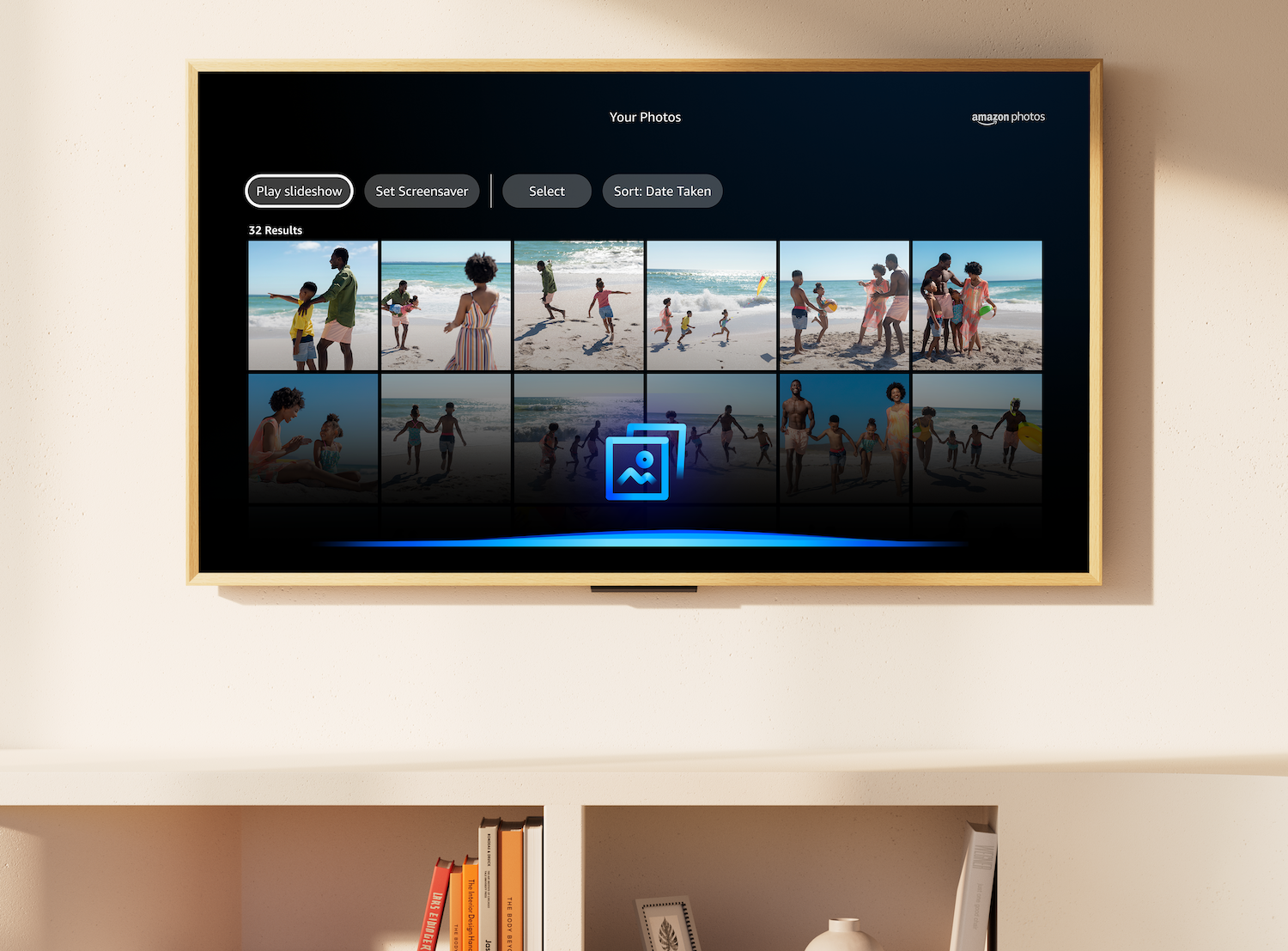
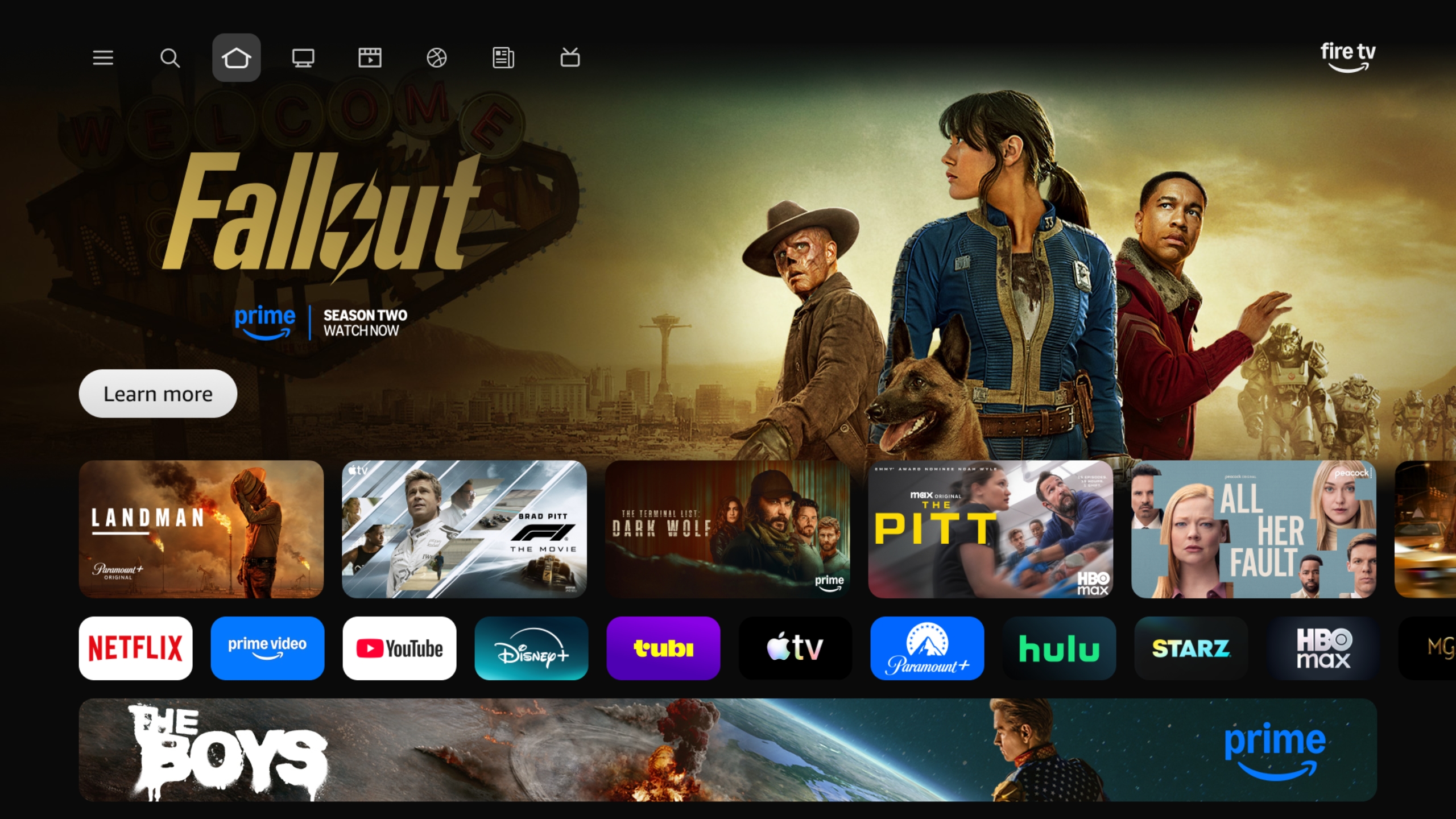
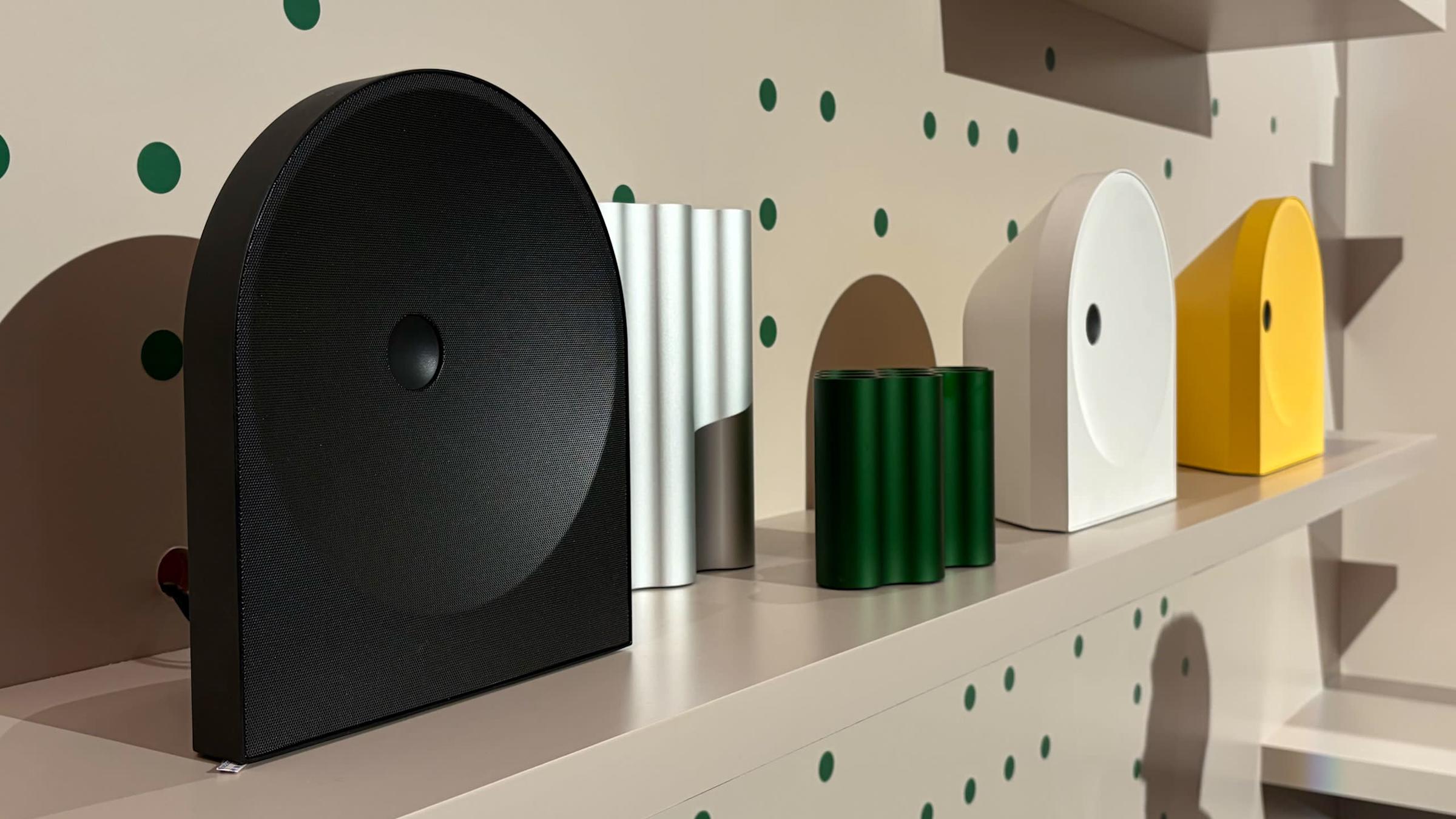
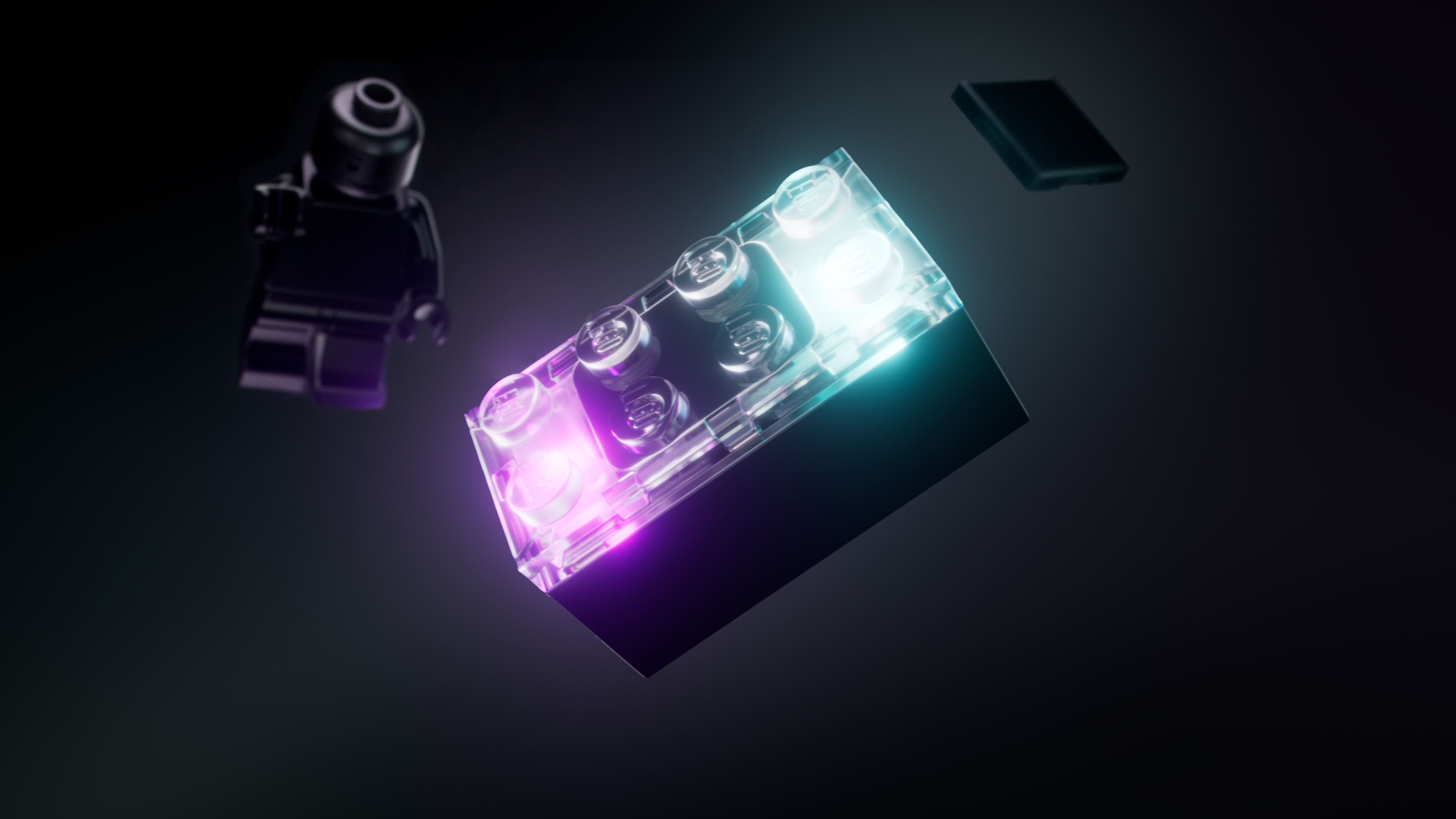
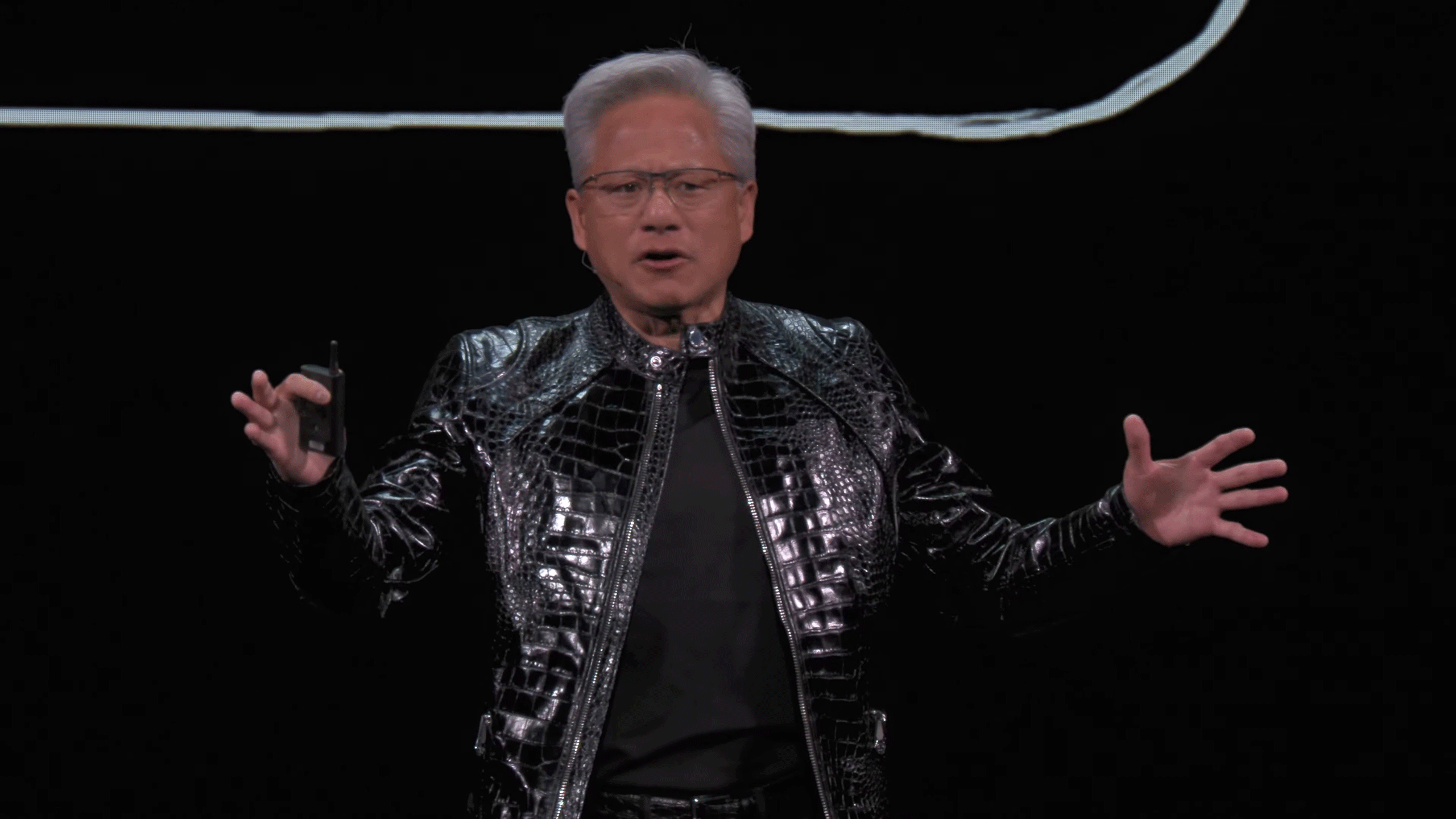
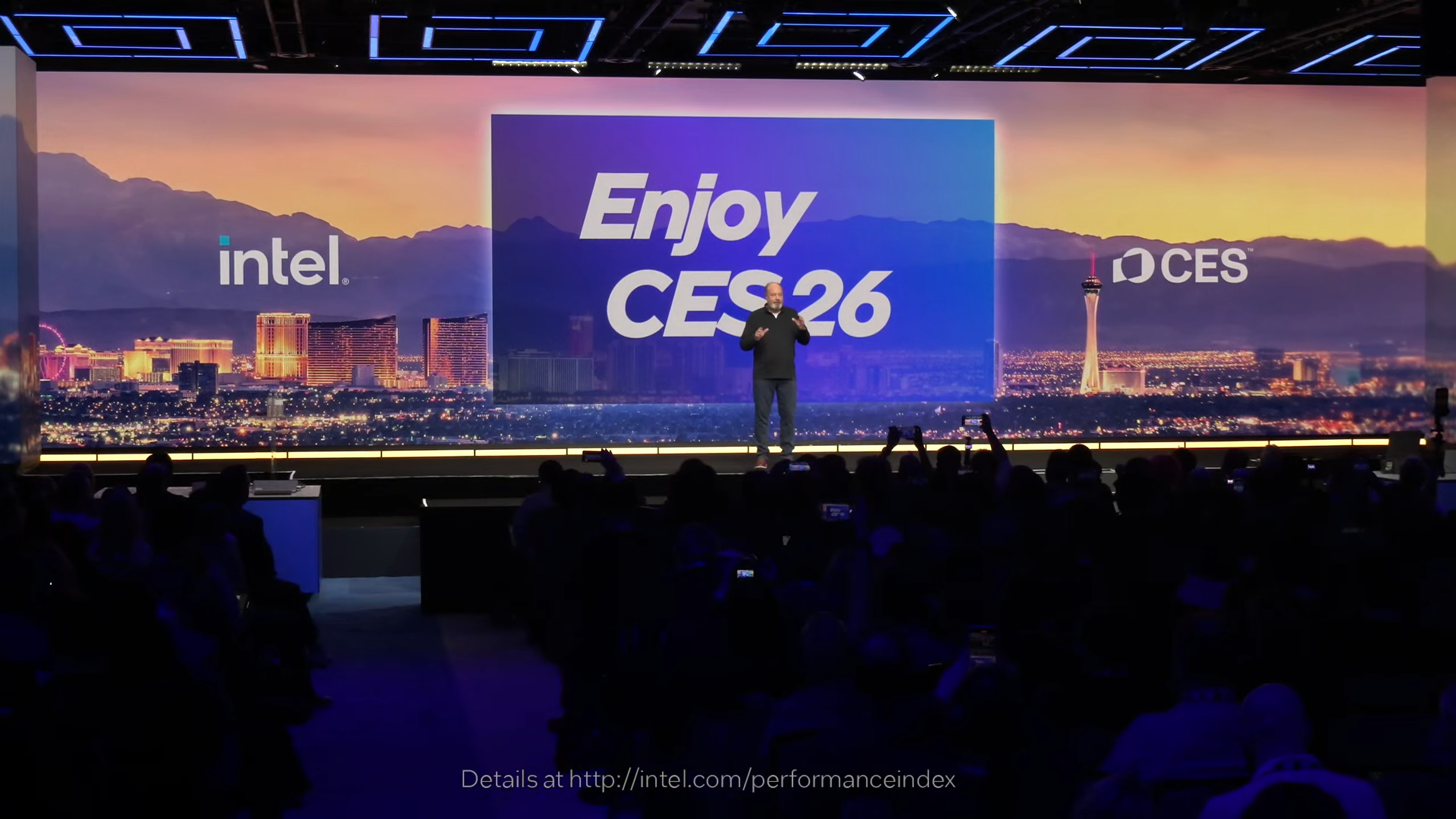
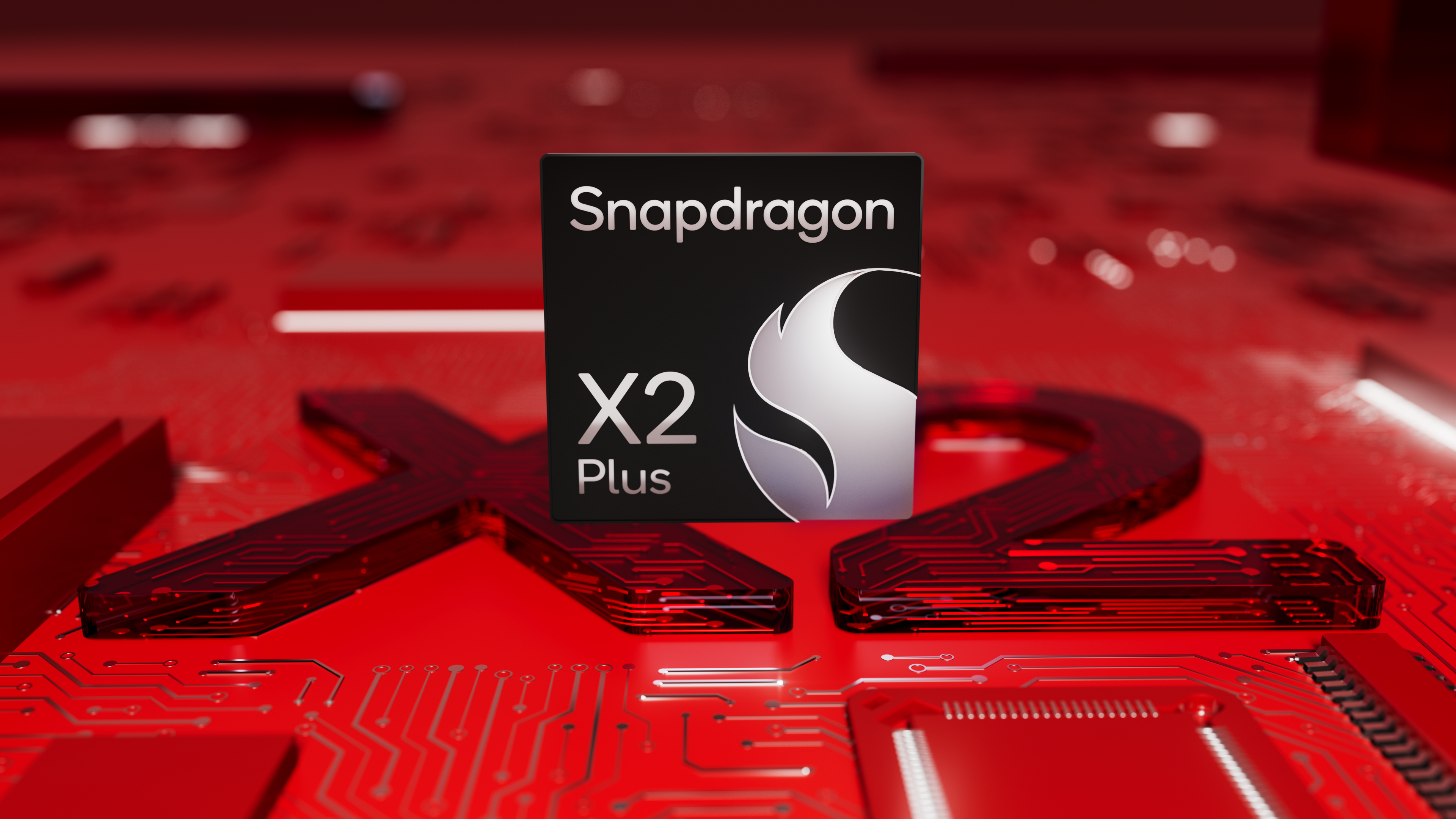
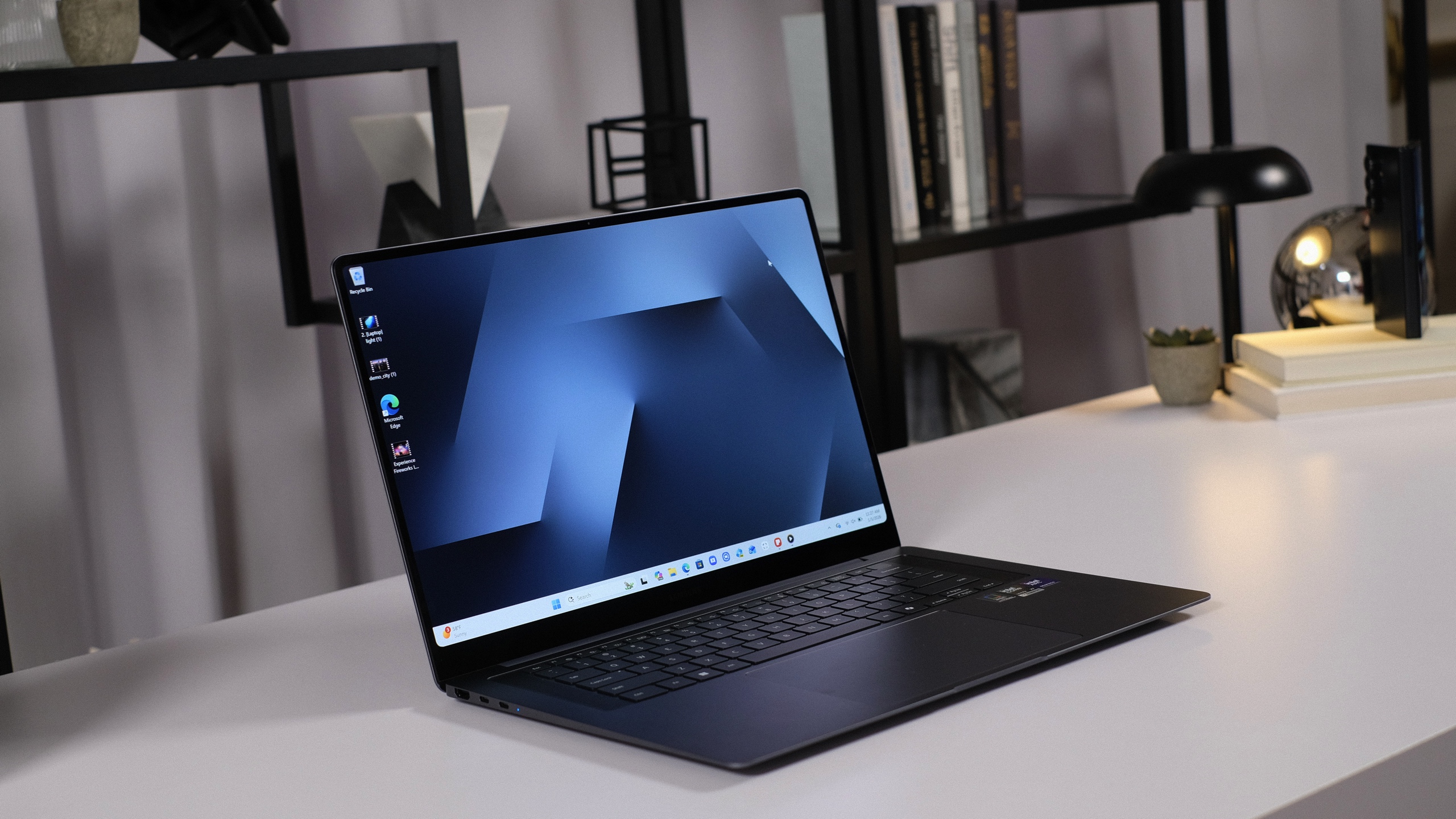
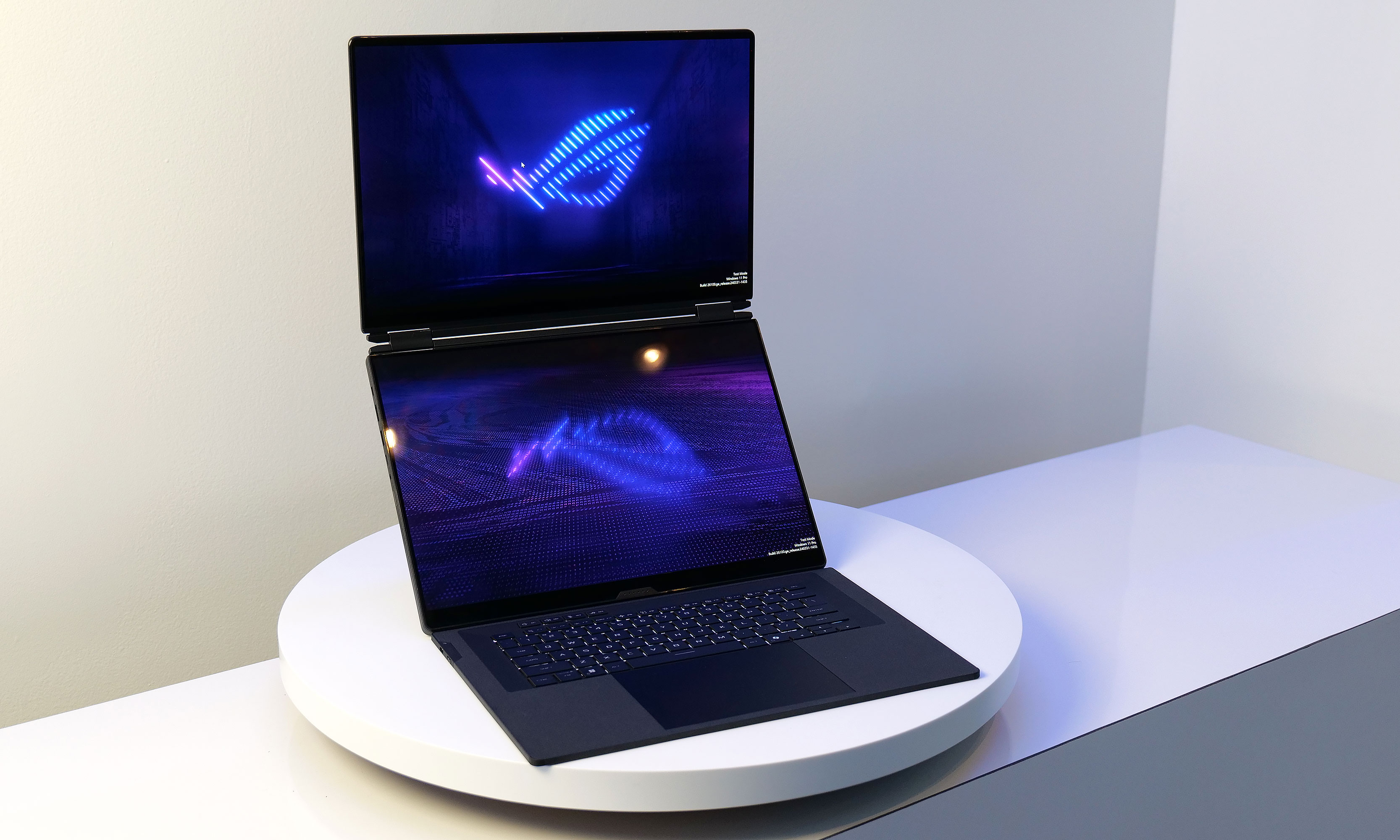
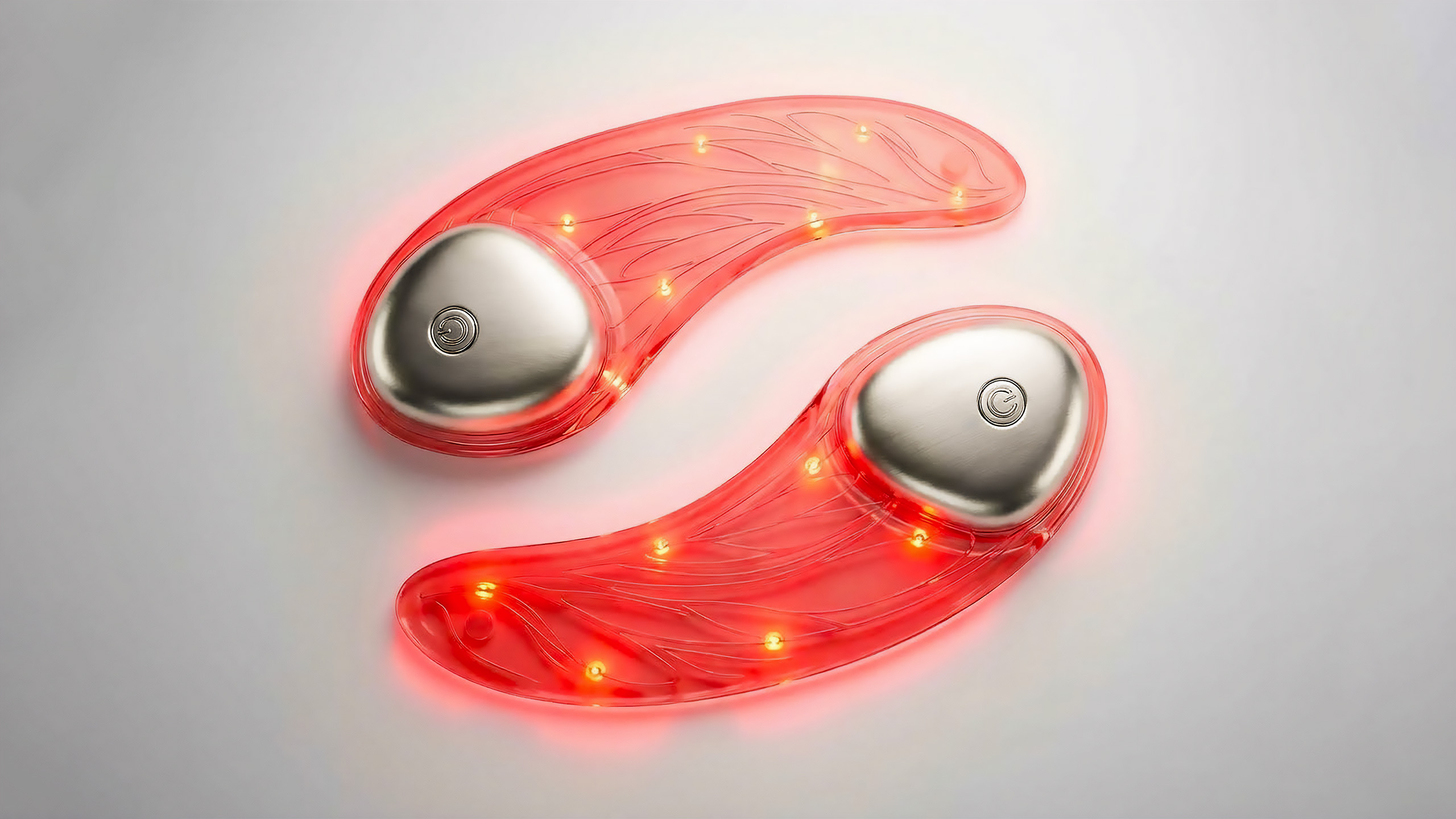
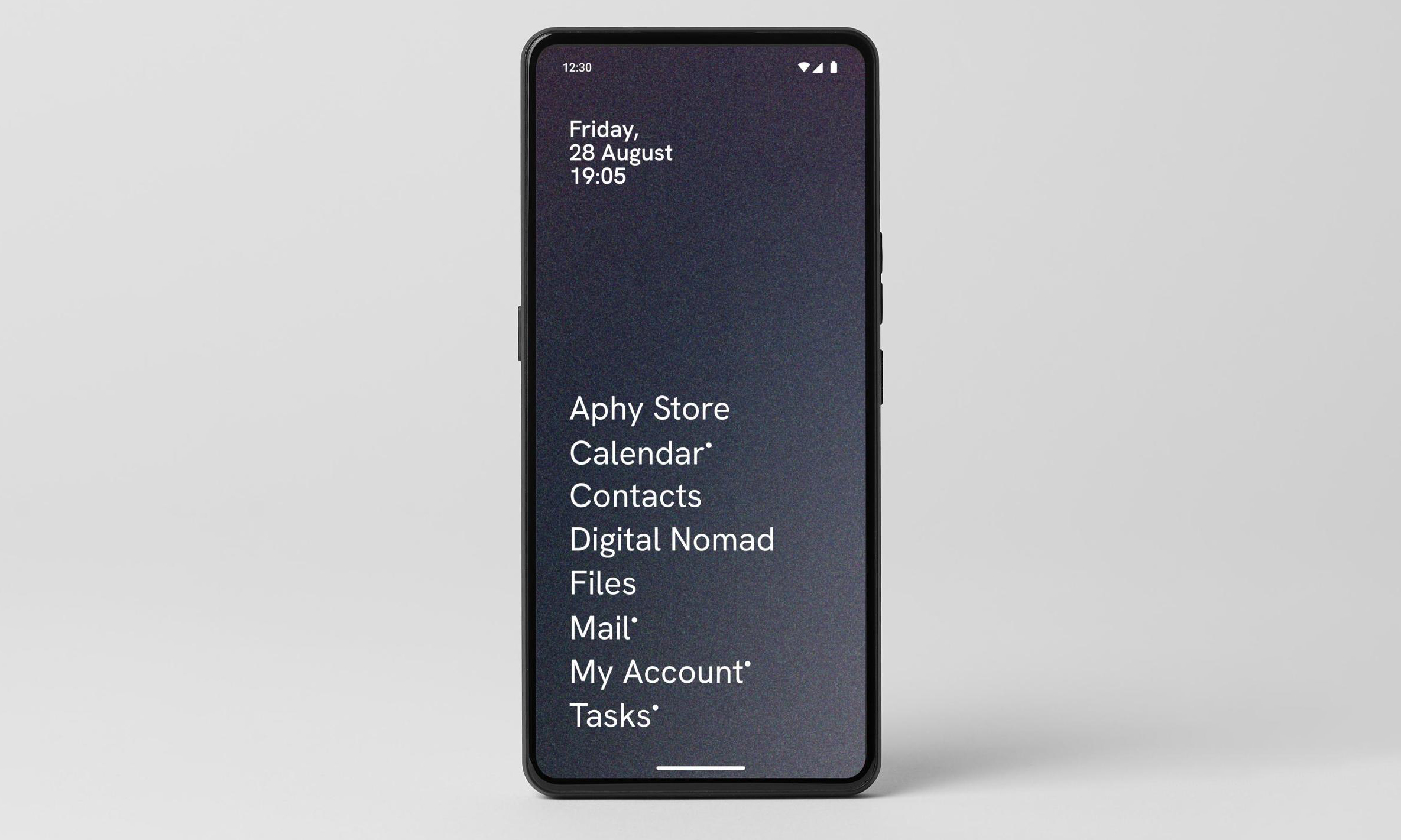
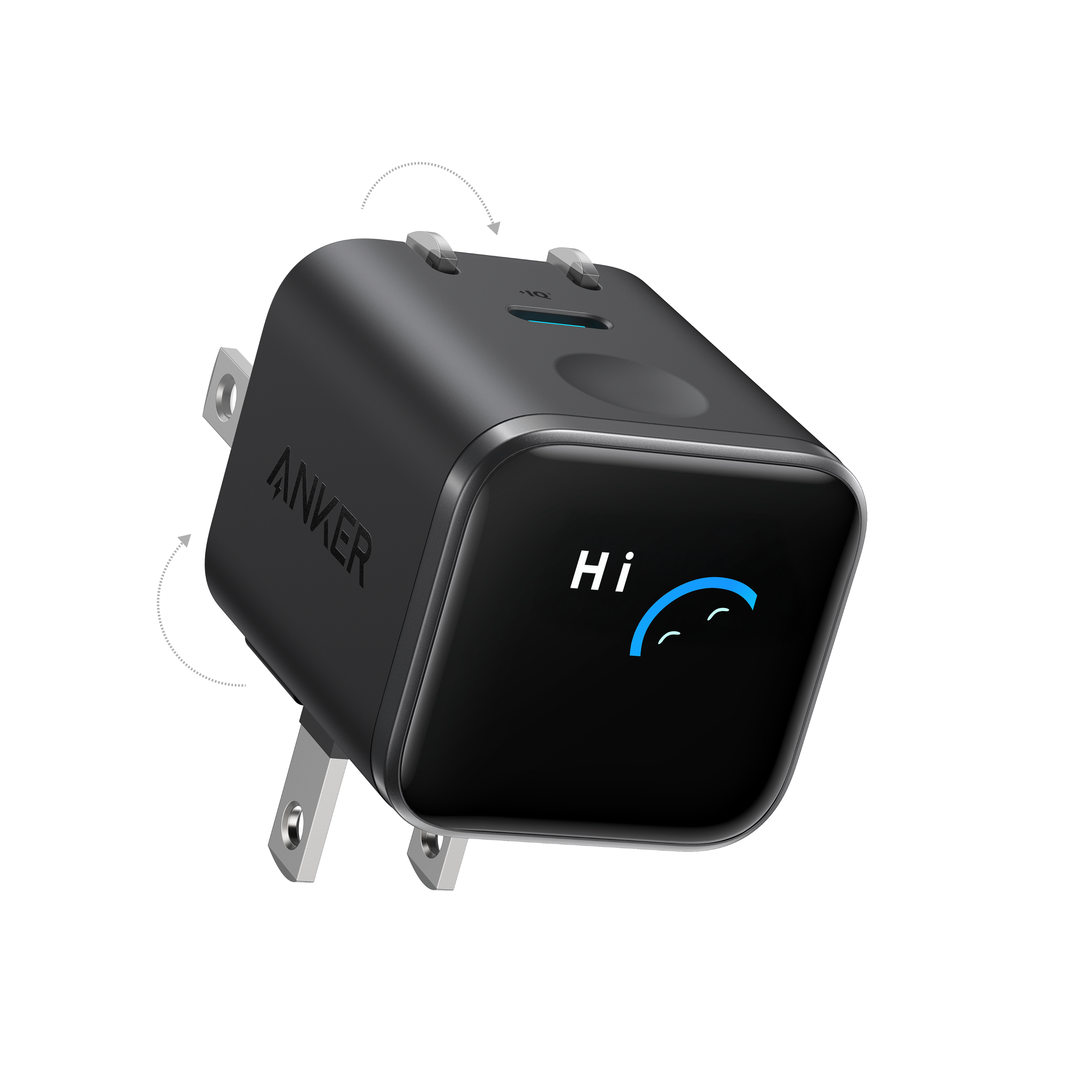
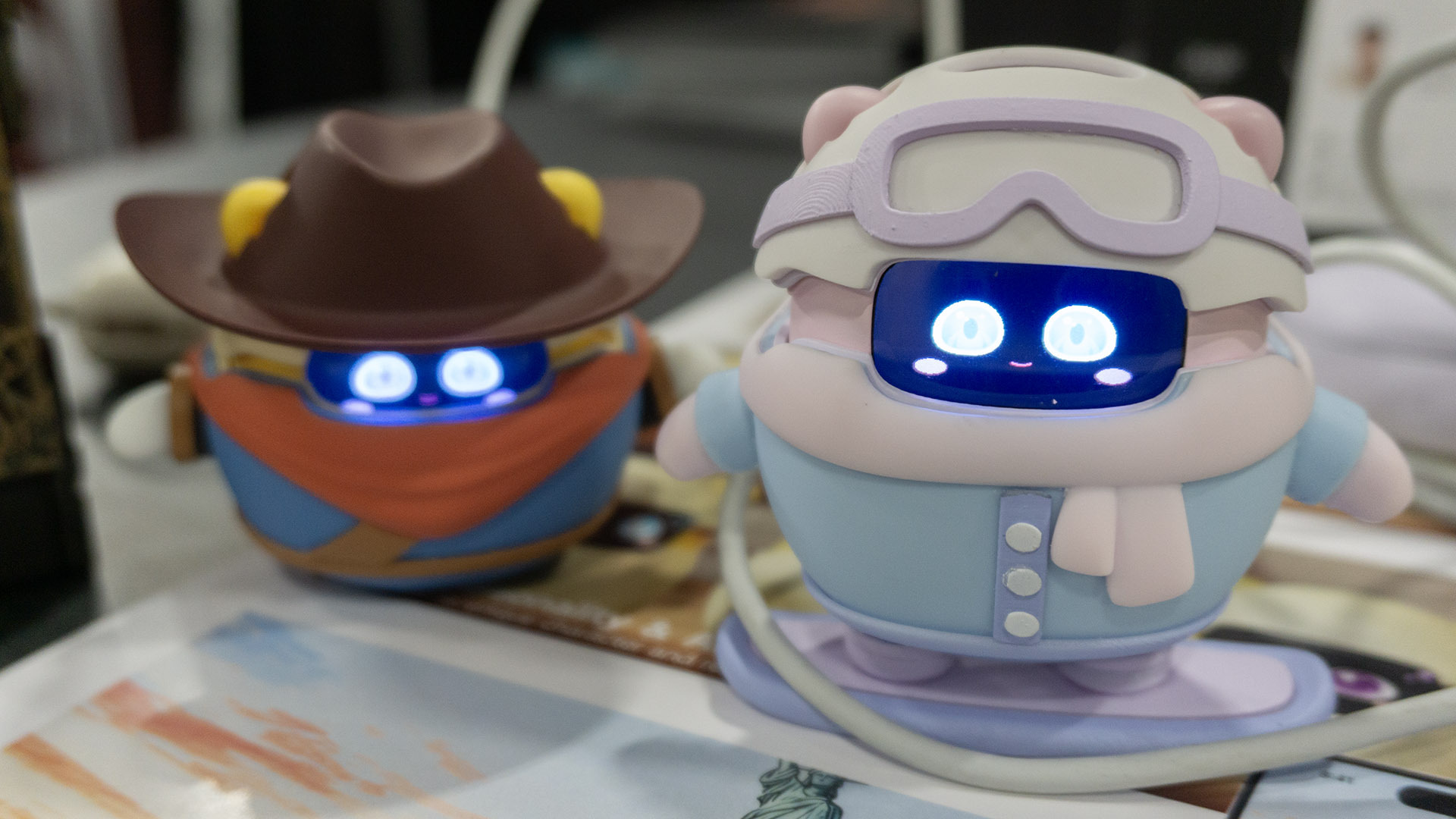
It's the first week of a new year and there's no time for the tech world to slowly ease back into things following the holidays. That's because CES 2026 is in full swing, with all manner of companies descending on Las Vegas to reveal their latest innovations and what they're planning to bring your way in the near future. Many of the Engadget crew are on the ground to check out as much of the new tech as possible. Of course, we're keeping tabs on all of the major CES press conferences too. Samsung held its First Look presentation, which focuses on home products, while LG has shown off a wide array of TVs and Lego unveiled its new Smart Brick technology. We’ve heard from the major chipmakers, gone hands-on with Samsung’s trifold phone, checked out some funky laptops and seen some cute robots. You can catch up on all of the big CES 2026 announcements (and some of the more offbeat gizmos we’ve seen) right here. We'll be keeping this story updated throughout the week. Micro RGB TVs Samsung's 130-inch Micro RGB TV. Devindra Hardawar for Engadget Micro RGB is a term you can expect to hear about quite a bit in the coming months and years, especially when you're shopping for your next TV. Micro RGB is a new tech that's similar to Mini LED, though it uses red, green and blue LEDs instead of white backlights. Contrast ratios aren't quite as high as those on Micro LED and OLED displays, since the pixels can't be turned on and off individually. However, Micro RGB units are said to be brighter and more color accurate than TVs that use other display tech, in part because the LEDs in these screens offer smaller, more customizable dimming zones. Read reporter Steve Dent’s explainer for a deeper dive into how Micro RGB differs from other types of display tech. We're seeing more of these TVs pop up at CES 2026, including a mammoth 130-inch concept model that Samsung brought to Las Vegas. The company unveiled its first Micro RGB TV in August, — that’s a 115-inch, $29,999 model. This year, you can expect it to start offering Micro RGB TVs in 55-, 65- and 75-inch sizes. There are also 85-, 100- and 115-inch models on the way. LG revealed its first Micro RGB set at CES as well. The largest variant is 100 inches, but there are 86- and 75-inch models too. Elsewhere, LG showed off its latest Wallpaper TV, which is a 100-inch OLED display. We also got a look at LG's new Gallery TV — The Gallery is the company's take on Samsung's Frame TV format. Other new TVs and OS updates Ember Artline TV. Amazon We’ve got another competitor to The Frame, as Amazon has entered that scene with the Ember Artline TV. The 4K OLED model has Amazon Photos integration and you can choose from 2,000 pieces of free art to show on the screen. The Ember Artline can switch on or off automatically when someone enters or leaves the room. It runs on the Fire TV platform and (of course) there’s Alexa+ integration, along with support for Dolby Vision, HDR10+ and Wi-Fi 6. The Ember Artline is expected to start shipping this spring. It starts at $899 for the 55-inch model. The rounder redesigned Fire TV UI. Amazon Speaking of Fire TV, Amazon has revamped the platform’s user interface with rounded corners for show, movie and app tiles; a little more space for said tiles; and typography and color gradient changes. The company has reworked the platform’s codebase as well, and it says the Fire TV OS will deliver speed boosts of up to 20 to 30 percent. Amazon will start rolling out the updated UI next month. On the Google side of TV land, you can expect more Gemini-powered features. The company is bringing the ability to search Google Photos for certain moments and people to Google TV, along with the options to remix photos into different styles and create slideshows on the fly. The Veo and Nano Banana AI video and photo generation models are coming to Google TV as well. You can also expect the ability to adjust TV settings using your voice. These Gemini features are coming to Google TV-powered TCL models first, then other devices in the following months. In the meantime, you can check out senior reporter Amy Skorheim’s hands-on impressions of the Gemini updates. Samsung Samsung's Music Studio 5 speakers at CES 2026. Billy Steele for Engadget Samsung being Samsung, the company had a lot more up its sleeve at CES than just TVs. In the leadup to the event, it announced its two new soundbars (we're had some hands-on time with one of those), the stylish Music Studio speakers (we've got some IRL impressions of those), a bunch of monitors, the refreshed FreeStyle+ projector (we've checked that out too). It also announced plans to bring Google Photos to TVs. At the First Look showcase on Sunday, Samsung talked up "AI experiences everywhere. For everyone" (sigh). Here, we saw more TVs, such as the thin S95H OLED, which has a zero-gap mount that allows you to position the unit flush against a wall. First Look has long been focused on home products. Naturally, Samsung execs discussed some features for the company's fridges, such as recipe selection updates, AI cooling tech and Google Gemini-powered AI Vision that's said to be able to recognize more items and help you figure out what you need to buy without having to manually take inventory. FoodNote, meanwhile, is a weekly summary that breaks down what has gone in and out of your fridge. Moreover, Samsung highlighted the Samsung Bespoke AI Laundry Combo and its new AI wash cycle. With the new Air Dresser — which has an Auto Wrinkle Care feature — Samsung aims to do away with irons (thank you, Samsung). As for the Bespoke AI smart vacuum and mop, that can apparently keep an eye on your pets when you're not home. LG LG's CLOiD robot. LG Likewise, LG brought other non-TV tech to CES. The company is shining the spotlight on its CLOiD robot. Like the far creepier-looking 1X Neo, the CLOiD is designed to help with household tasks such as starting laundry cycles, folding clothes, unloading the dishwasher and serving food. This appears to be more of a concept than something you'll be able to buy anytime soon, but we should get a closer look at the CLOiD in person this week. The company also debuted the LG Sound Suite, a modular home audio system it developed in conjunction with Dolby to take on the likes of Sonos. Just ahead of CES, LG pulled back the curtain on a new batch of xboom speakers as well as some monitors and ultralight Gram laptops that are made with a material it's calling Aerominum. Lego Lego introduced the Smart Brick at CES 2026. Lego In its first CES appearance, Lego announced the Smart Brick, a standard-sized brick with a 4.1mm ASIC chip inside that’s designed to respond in different ways depending on what set you’re building and how you’re building it. Using what Lego calls the “Play Engine” and integrated copper coils, each brick can sense things like motion, orientation and magnetic fields, plus its own distance, direction and orientation in relation to other Smart Bricks. Each brick also has a teeny tiny speaker built in that will play audio “tied to live play actions” rather than only pre-recorded clips. Accompanying Smart Bricks are Smart Tags and Smart Minifigures, which have their own capabilities — one of which is letting Smart Bricks know what context they are being used in. All of these pieces tie together via a local wireless layer dubbed BrickNet that, in part, lets Smart Bricks know where they are placed in relation to other smart components. It all seems very neat and I'm looking forward to seeing what else Lego and fans can do with these Smart Bricks. The first “Smart Play” partner is, unsurprisingly, Star Wars, which will launch three “all-in-one” sets using Smart Bricks, Smart Tags and Smart Minifigures. The 473-piece Darth Vader TIE Fighter set will cost $70; the 584-piece Luke’s Red Five X-Wing set comes in at $100 and the 962-piece Throne Room Duel & A-wing set will set you back $160. The speakers in these sets can emit lightsaber swooshes, fighter sounds and The Imperial March. The chipmakers NVIDIA CEO Jensen Huang presents at CES 2026, wearing a black snakeskin-like jacket. NVIDIA It's CES, so of course we're going to see a bunch of laptops and desktops, along with announcements about the tech that powers the new models. That means NVIDIA, Intel, AMD and Qualcomm are all in town to talk up their latest chips and other innovations. Given its lofty position in the industry (and the economy) NVIDIA’s CES press conference is always one to keep an eye on. This year’s edition was laregly a recap of the company’s recent moves, but it did have some news to share. NVIDIA announced Alpamayo, which is a group of open-source reasoning models designed to help autonomous vehicles handle difficult driving scenarios. The company also revealed that a super computer built on the Vera Rubin GPU architecture NVIDIA unveiled in 2024 is in production. Intel at CES 2026 Sam Chapman for Engadget Things haven’t exactly been going great for Intel for a while, but the company is surely hoping that its Core Ultra Series 3 chips can help it right the ship. These are the first chips to be built using Intel’s 18A (18 angstroms, which is just under 2nm) process. The company says they offer improved performance — 60 percent more than the previous-gen Lunar Lake processors — and battery life improvements for laptops. The Ultra Series 3 includes a new Arc B390 integrated GPU, with 50 percent more graphics cores, double the cache and 120 GPU TOPS of performance. Put all that together and these chips should deliver up to 77 percent faster gaming performance than Lunar Lake models, Intel said. To that end, the company teased a Ultra Series 3-powered gaming handheld for later this year. A screenshot from AMD's CES 2026 press conference showing a hellish vision of the future of gaming. AMD Of course, AMD wasn’t going to be left out of the CES party. The company announced several CPUs for laptops and desktops, while chillingly declaring that “AI is everywhere” and “changing the face of gaming.” Ick. There was a lot of AI chat during the two-hour(!) keynote, along with a “a jet-powered flying robot.” Illustration showing the Qualcomm Snapdragon X2 Plus on a stylized red circuit board. Qualcomm And then there’s Qualcomm. The company revealed the Snapdragon X2 Plus chip at the show. It’s more of a mid-range chip that isn’t quite as powerful as the higher end Snapdragon X2 Elite — it doesn’t have as many CPU cores, for one thing. Still, Qualcomm claims the X2 Plus offers as much as 35 percent faster single-core performance over the previous gen. The company also says the Adreno GPU offers a performance boost of up to 29 percent compared with the last generation. Laptops Samsung Galaxy Book 6 series Mat Smith for Engadget What would CES be without some new hardware that makes use of those new chips? As ever, laptop and desktop makers were at the show to offer up their latest models for your consideration. We’d already seen LG’s new ultrathin laptops in advance of CES, while Samsung had some of its own to show off. The Galaxy Book 6 Ultra, Galaxy Book 6 Pro and Galaxy Book 6 boast Intel’s Core Ultra Series 3 chips and revamped designs that are said to improve heat management. You can read our story on the Galaxy Book 6 series for the specs of these laptops, though we don’t have pricing or a release window as yet. Dell realized it messed up by killing off the XPS name as part of a broader rebranding effort and we’re glad to see that the company is making a U-turn on that front. A full lineup of XPS laptops is coming this year, including an all-new XPS 13 (a long-time Engadget fave on the Windows ultraportable front). Dell also has 14- and 16-inch XPS models in the hopper, along with others it’s keeping under wraps for now. On top of having two displays, the Zephyrus Duo's screens also feature excellent brightness at up to 1,100 nits. We love an odd laptop and ASUS didn’t disappoint by bringing the ROG Zephyrus Duo to CES. This is a dual-screen gaming laptop with two 16-inch OLED panels, one of Intel’s new CPUs and up to an NVIDIA RTX 5090 GPU. The keyboard is detachable and can work wirelessly. A kickstand can help you set up the Zephyrus Duo in all kinds of orientations. You can even position the dual screens in an upside-down “V” tent mode. We don’t know the price of the Zephyrus Duo as yet, but it surely won’t be inexpensive. Marketing photo of a Kojima-inspired ROG Flow Z13 tablet ASUS That’s not all ASUS brought to the dance. The company made a special edition of the ROG Flow Z13 some that’s styled after the works of the famed game designer Hideo Kojima. The ROG Flow Z13-KJP has visual flair that’s draws from the likes of Death Stranding and Metal Gear. Kojima’s Ludens mascot is here too. There’s no pricing or release date for this variant or its matching accessories just yet. L'Oreal A pair of transparent eye masks with wires and bulbs inside them. L'Oréal L'Oreal often brings some interesting beauty tech to CES and the company did so again this year with a trio of gadgets. The LED Eye Mask uses red light and near-infrared light to address the likes of puffiness, discoloration and fine lines. The LED Face Mask seems to be a more pliable version of masks that we've seen from the likes of Dr. Dennis Gross, Omnilux, Therabody and Shark in recent years. However, it's only in prototype form for now and it isn't expected to hit the market until next year. The Light Straight + Multi-styler uses infrared light to help dry and style hair in similar fashion to L'Oreal's AirLight Pro. It's said to have sensors that employ "built-in proprietary algorithms and machine learning" so they can adapt to your gestures and "maximize individual experience." L'Oreal claims that while traditional straighteners can operate at 400°F or higher (temperatures that can damage hair), its latest innovation "effectively straightens hair while never exceeding 320°F." You can expect the Light Straight to arrive in 2027 as well. Mobile Samsung Galaxy Z TriFold Engadget At CES 2026, we had our first chance to go hands on with the Samsung Galaxy Z TriFold, which the company officially announced last month. Senior writer Sam Rutherford had qualms about the price (not confirmed yet for North America, but it costs around $2,500 in Korea) and bulkiness. However, after Sam opened it up, “my concerns were quickly pushed aside because suddenly you’re greeted with 10 inches of vivid AMOLED goodness.” That extra real estate could come in very useful for many folks. Combined with a keyboard and perhaps a mouse, it could well be the laptop/tablet replacement many have been waiting for. Be sure to read Sam’s hands-on for his full initial impressions. Back at CES 2024, we got to try out a physical keyboard phone accessory from Clicks. Fast forward two years, and the brand is making its own Blackberry-esque phones, as well as a new physical phone keyboard accessory. The Android 16-based Clicks Communicator has a tactile keyboard with a fingerprint sensor in the spacebar, a 4-inch OLED display, a 3.5mm headphone jack (hooray!) and expandable microSD storage up to 2TB. You can reserve one now for $399 — the price will increase to $499 on February 27. As for the new accessory, Clicks is calling that the Power Keyboard. It connects to an iOS or Android phone via MagSafe or Qi2, and it can operate as a power bank in a pinch thanks to the 2,150 mAh battery. The Power Keyboard has Bluetooth functionality as well, so you can use it with devices like tablets, smart TVs and virtual reality headsets. Pre-orders are open now and the Power Keyboard is expected to ship in the spring. Early adopters can lock in a pre-order for $79 before the retail price jumps to $110. The Punkt MC03 phone. Punkt Those who prefer their mobile phones to have fewer bells and whistles might be interested in the latest model from Punkt. The MC03 is a nifty-looking touchscreen model that runs on the privacy- and security-centric AphyOS, which is based on the Android Open Source Project. It has a UI that borrows a page out of the Light Phone's playbook, though you can still install any Android app. The MC03 will hit European markets this month for €699 / CHF699 / £610. There's a mandatory subscription, however. You get a year of access included with a phone purchase, then it's a €10 / CHF10 / £9 monthly fee (paying for a long-term plan up front can reduce the cost by up to 60 percent). Charging tech Anker and Belkin feel like CES mainstays at this point. They each had some interesting charging gear to show off this year. Belkin offered up a refreshed Nintendo Switch 2 case that recharges the console via its 10,000mAh power bank (which delivers up to 30W of fast charging). The case has an LCD screen on the outside to show you at a glance how much juice it has left and there’s a built-in kickstand for you to prop the console up on. Belkin’s new Switch 2 charging case costs $100 and it’s available now. The company’s new $100 UltraCharge Pro Power Bank can recharge two devices simultaneously. You can get your hands on that next month. There’s also a very slim BoostCharge power bank that can fit into your pocket. That will run you $60 and it will ship later this year. Anker Nano Charger (45W, Smart Display, 180° Foldable) Anker Anker unveiled its neat Nano Charger, which can seemingly identify the iPhone model you hook up to it and provide the appropriate level of charging power. This plug will arrive later this month for $40. The company announced a string of other products that can charge multiple devices at the same time. The $150 foldable Prime Wireless Charging Station can juice up your iPhone, Apple Watch and AirPods simultaneously, with up to 25W of Qi2 wireless power. That’ll arrive by the end of March. There’s also a 10-in-1 Nano Power Strip ($70, late January release) with 70W of output, surge protection and multiple USB-C ports, USB-A ports and AC outlets. Anker also showed off a 13-in-1 Nano Docking Station that you can snag right now for $150. Among other things, this supports up to three 4K displays, as much as 100W of upstream charging and 10 Gbps of data transfer between devices that are hooked up to it. Handy! AI Amazon introduced Alexa.com to Alexa+ Early Access customers. Amazon No prizes for guessing that there's going to be a ton of AI-related news at CES this year. Amazon, for one, announced that it's rolling out a web-based version of Alexa+. That means you won't necessarily need to have an Amazon device to try out the generative AI-powered assistant. However, Alexa+ Early Access customers are getting first dibs on the web version. Two Sweekar devices are pictured on a table, one wearing a pink and blue snowboarder outfit and the other (behind it) wearing a cowboy hat and outfit Karissa Bell for Engadget There are a boatload of AI-powered devices on the CES show floor too. One that we saw early on is a Tamagotchi-style virtual pet from a startup called Takway. The Sweekar will remember your interactions with it (you'll need to feed and play with the pet to keep it healthy and happy). Once it's all grown up, the Sweekar will head off on virtual adventures and tell you about its exploits when it "returns." Takway will soon start a Kickstarter campaign for the Sweekar, which will likely cost between $100 and $150. Ludens AI's Cocomo robot, Cheyenne MacDonald for Engadget Ludens AI, meanwhile, showed off a pair of AI companion robots that are admittedly pretty cute. Cocomo can react to your voice and touch interactions, follow you around your home and learn about you over time. It stays close to human body temps, so it feels cozy if you hug it. Inu, on the other hand, stays on your desktop. It, too, responds to your voice and touch. The Fraimic art display at CES Amy Skorheim for Engadget We also saw the Fraimic, an E Ink display that can tap into OpenAI to generate images. There's no subscription for the Fraimic (which costs $399 for the standard size, which has a 13-inch display) and you get 100 AI-generated images per year included with your purchase. Pre-orders are open now and the Fraimic is expected to start shipping in this spring. MindClip held in a hand. Daniel Cooper for Engadget Some companies are still trying to make wearable AI devices happen. SwitchBot has a wearable mic called the AI MindClip, which can seemingly record and transcribe everything you say (no, thank you!). Anker’s Soundcore division got in on the mix too with its Work voice recorder. Plaid, meanwhile, brought its NotePin follow up to the dance. This time around, the NotePin S has a button that you can push to record conversations. You can also press the button to flag key moments for an AI-generated summary to focus on. The NotePin S is available now for $179, should you be enticed to buy such a thing. On a similar note, Bee provided an update on what it’s bee-n up to since Amazon bought the company last year. It has developed four features that it’s rolling out to its existing AI voice recording wearable devices, including one that draft an email when you say you need to send one, and another that highlights trends in what you say over a period of weeks or months. There’s also a voice notes feature, because that’s something you can’t do with your phone already. Robots The product version of Boston Dynamics' Atlas. Boston Dynamics Boston Dynamics’ Atlas robot is ready to roll. We’ve seen a few iterations of this machine over the last few years and now the company’s latest model is set to go into production. In addition, Boston Dynamics has teamed up with Google DeepMind to fuse Gemini Robotics AI foundation models into Atlas robots. Per a press release, the partnership "will focus on enabling humanoids to complete a wide variety of industrial tasks and is expected to become a driving force of manufacturing transformation, beginning in the automotive industry." As it happens, Hyundai (Boston Dynamics’ majority shareholder) and DeepMind will be among the first to receive Atlas robots. Gaming Slide from NVIDIA's CES 2026 presentation about DLSS 4.5 NVIDIA NVIDIA announced the latest version of its DLSS (Deep Learning Super Sampling) upscaling tech. DLSS 4.5 is said to offer sharper visuals thanks to the 2nd Generation Super Resolution Transformer, which is available now for all RTX GPUs. NVIDIA says this offers better temporal stability, reduced ghosting and improved anti-aliasing. On GeForce RTX 50 Series GPUs, DLSS 4.5 will be able to generate up to five extra frames for each traditionally rendered one and deliver up to 4K 240Hz path traced performance, NVIDIA says. The Dynamic 6x Frame Generation feature will be available for those graphics cards sometime this spring. NVIDIA also detailed a new version of its G-Sync variable refresh rate tech. It says that G-Sync Pulsar can minimize motion blur by effectively quadrupling your refresh rate. So 250 Hz gameplay will seemingly offer up a perceived effective motion clarity of over 1,000 Hz with G-Sync Pulsar enabled. You’ll need a G-Sync Pulsar-compatible display to use this feature. Most displays have a backlight that’s always on, so images fade from one frame to the next. On G-Sync Pulsar displays, there are several horizontal backlight sections. The backlights pulse from top to bottom. This is said to help the pixels in each frame stabilize before they’re backlit, resulting in lower motion blur. It’s interesting stuff. Acer, AOC, ASUS and MSI are each releasing a G-Sync Pulsar-compatible 27-inch monitor this week. 8BitDo FlipPad 8BitDo The FlipPad is one of my favorite things I’ve seen coming out of CES this year. It’s an 8BitDo mobile game controller that’s designed for vertical use. There are a bunch of neat physical controllers for phones that are built for landscape mode. But many mobile games are played with the phone oriented to the vertical position. And that’s not to mention emulators that allow you to play the likes of Game Boy titles while your phone stands tall. So it’s neat to see 8BitDo offering a physical controller that’ll do the trick. The company also unveiled a new Xbox controller with swappable joysticks and button modules. Audio A speaker and a turntable. Victrola Victrola announced a pretty Bluetooth speaker that sits neatly underneath its turntables. You can use a cable to connect the two as well. Of course, you can play audio from other devices, including phones and tablets. I’ve had my eye on a Victrola turntable for a while thanks to its Sonos integration, and the Soundstage speaker is tempting too. The Soundstage will be available this summer for $350. The three sizes from the Cambridge Audio L/R speaker series. Green speakers in three sizes. Cambridge Audio Speaking of pretty speakers, I really like the aesthetic of these three wireless bookshelf options from Cambridge Audio. The classy-lookin’ L/R Series speakers start at $549 for a 100W model with a 21mm hard-dome tweeter with a 3-inch long-throw woofer hut no support for Wi-Fi streaming (there is Bluetooth aptX HD, though). At the top end is the $2,299 L/R X, a 800W speaker that has a a 2.5-way acoustic design with a 28mm Torus tweeter and dual five-inch woofers. There’s even a touch of LED underlighting on this model and the $1,599 L/R M, which has 300W of power, smaller four-inch dual woofers and the same 28mm tweeter. All three speakers will be available later this year. This article originally appeared on Engadget at https://www.engadget.com/general/everything-announced-at-ces-2026-130124802.html?src=rss