Explained: Who is Alaa Abd el-Fattah, and why is his return to the UK making headlines
Alaa Abd el-Fattah, once a symbol of Arab Spring idealism, now faces controversy in the UK after his release from Egyptian prison. His return ignited debate over old social media posts and the vetting process for his British citizenship. This episode highlights the complex challenges liberal democracies face when balancing humanitarian advocacy with national security.
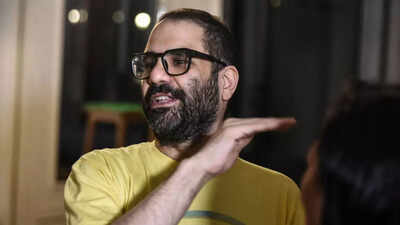
For years, Alaa Abd el-Fattah was one of the West’s most familiar symbols of Arab Spring idealism crushed by authoritarian rule. A blogger jailed for dissent, a hunger-striking political prisoner, and a cause taken up by foreign ministers and human-rights groups, his name came to stand for Egypt’s long democratic winter.That story was meant to end with freedom. Instead, his return to the UK has triggered a new controversy, one that has less to do with Cairo’s prisons and more to do with London’s politics, citizenship rules, and the uncomfortable afterlife of digital speech.
Who is Alaa Abd el-Fattah?
Abd el-Fattah is an Egyptian software developer and political activist who rose to prominence in the mid-2000s as part of Egypt’s early blogging community. Long before social media became a political tool, he used online platforms to criticise police brutality, military trials of civilians, and the authoritarian nature of the Egyptian state.During the 2011 uprising that toppled Hosni Mubarak, Abd el-Fattah became one of the best-known civilian voices of the revolution. But the post-revolutionary years were unforgiving. Under successive governments, and especially after Abdel Fattah el-Sisi took power, he was repeatedly arrested, charged under protest and cybercrime laws, and sentenced to long prison terms.By the late 2010s, Abd el-Fattah was internationally recognised as one of Egypt’s most prominent political prisoners.
Why was his detention such a global issue?
Abd el-Fattah’s imprisonment became a rallying point for international human-rights advocacy. Amnesty International, UN officials, and Western governments cited his case as evidence of Egypt’s shrinking civic space.His hunger strikes from prison, including one that coincided with the COP27 climate summit hosted by Egypt, sharpened international attention. For British politicians in particular, his case took on added urgency after he acquired UK citizenship in 2021 through his mother, who was born in Britain.From that point, his detention was no longer only a human-rights concern but also a consular one.
How did the UK get involved?
Successive British governments raised Abd el-Fattah’s case with Egyptian authorities. His family, led by his sisters Mona Seif and Sanaa Seif, ran a sustained campaign in London, holding protests outside Downing Street and the Foreign Office.Senior UK politicians publicly supported the campaign while in opposition, and ministers pledged to pursue his release once in office.
By late 2025, after years of diplomatic pressure, Abd el-Fattah was freed and allowed to travel to the UK.What was expected to be a moment of closure instead became the beginning of a new political storm.