ExpressVPN's road to accessible privacy — is it really possible in 2026?
2025 was a year of structural change for the industry giant. From breaking away from its one-size-fits-all pricing model to leading the charge on post-quantum standards, here is how ExpressVPN adapted to a changing market.
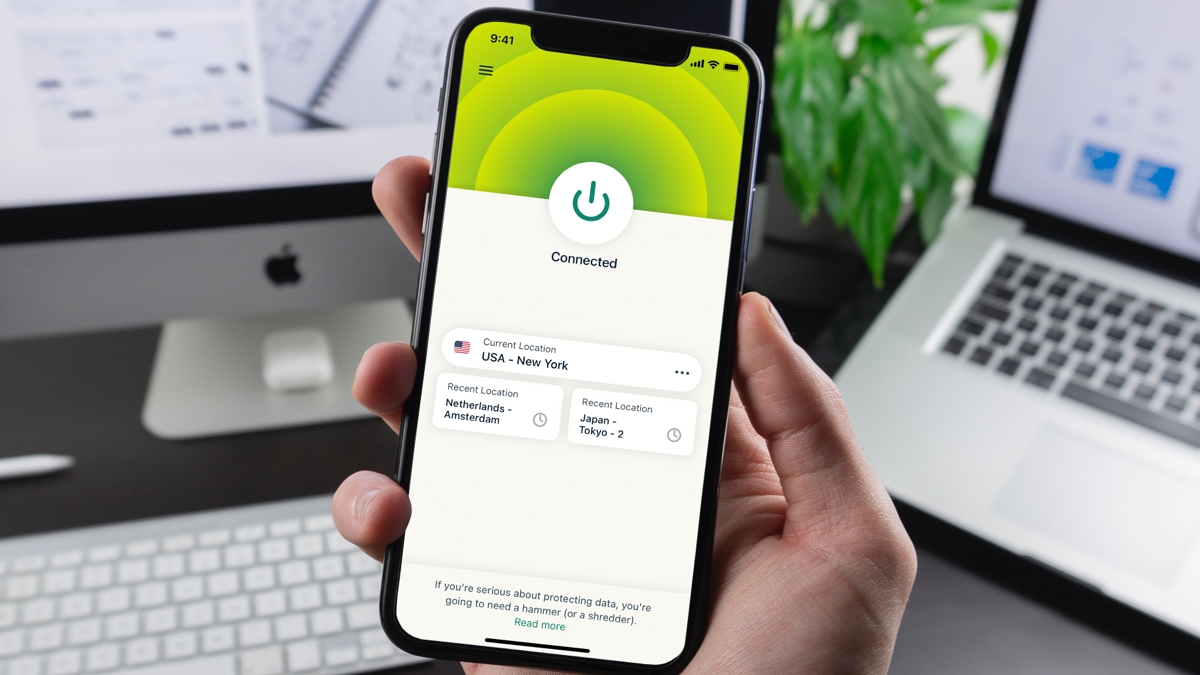
(Image credit: ExpressVPN)
If 2024 was about maintaining the status quo, 2025 was the year ExpressVPN aggressively adapted its business model and technical backend to meet the modern user where they are. For a provider long known for its premium price point and rigid structure, the last 12 months have marked a significant pivot toward flexibility.
According to Andreas Theodorou, Head of Technical and Strategic Communications at ExpressVPN, the defining theme of the year was ensuring that high-level privacy tools weren't just available, but "accessible" and technically robust enough to survive the next generation of threats.
“While a lot of people may choose to focus on the negatives here, and sensationalise the cat-and-mouse game of cybersecurity, there have been some real positives that deserve our attention,” Theodorou notes.
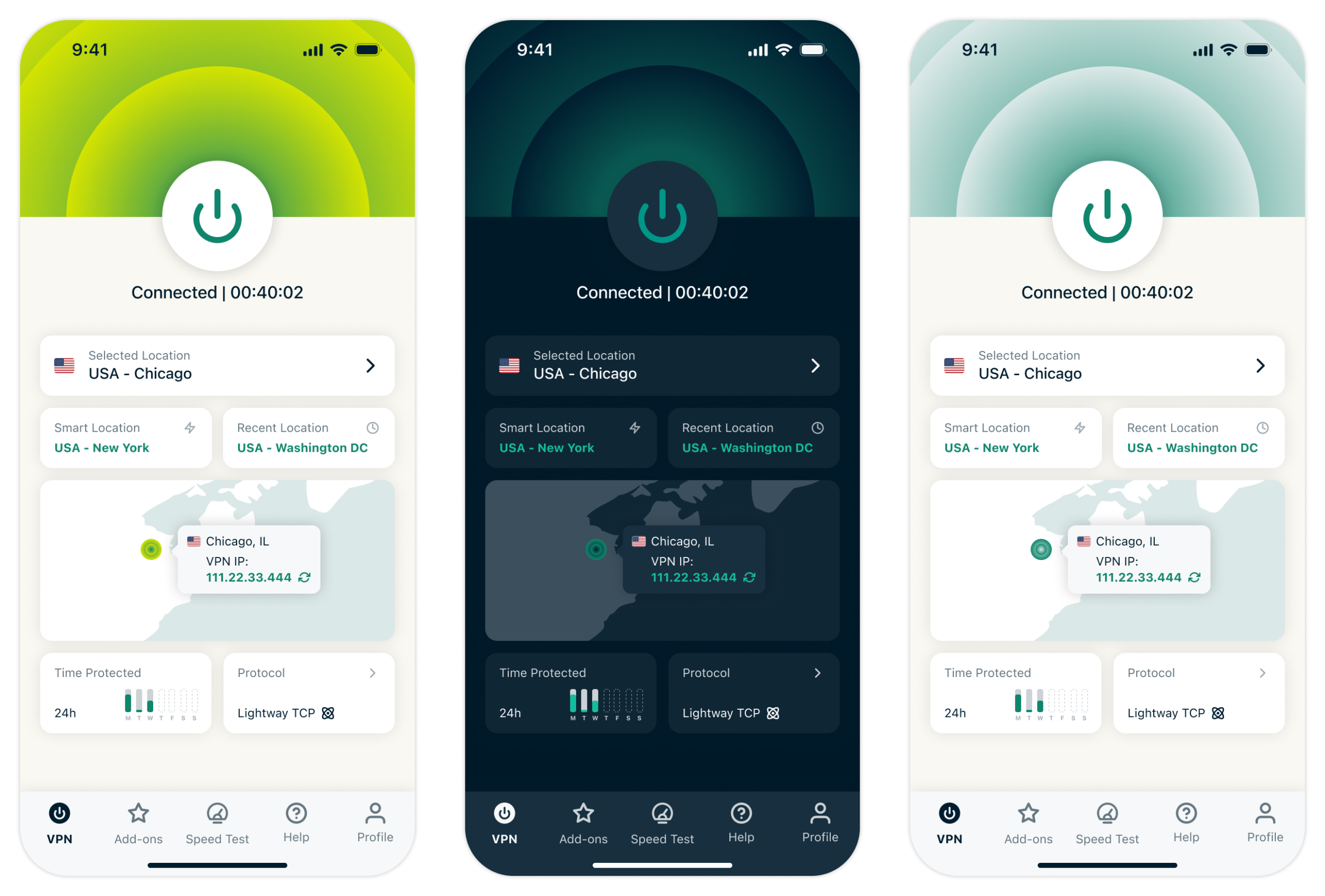
(Image credit: ExpressVPN)
Breaking the pricing barrier
Perhaps the most immediately tangible change for consumers in 2025 was ExpressVPN’s departure from its single-tier subscription model.
For years, the service operated on a simple but rigid premise: one price for everything. However, as the market was saturated with cheaper competitors offering unlimited connections, this model faced increasing pressure.
ExpressVPN responded by restructuring its offering into three distinct tiers: Basic, Advanced, and Pro. This move wasn't just about competing on cost; it was about modernization.
By “offering Basic, Advanced, and Pro plans, we've made privacy more accessible, fitting to the individual user's needs by starting cheaper and including more simultaneous connections across the board,” Theodorou explains.
This shift has allowed the provider to shed the criticism that it is too expensive for the average user, while simultaneously catering to power users who need to secure a household full of devices.
By decoupling features, ExpressVPN has effectively lowered the barrier to entry, ensuring that budget constraints don't force users to settle for inferior encryption.
Solving the MacOS and quantum puzzle
While the marketing team focused on pricing, the engineering division spent 2025 tackling two of the industry's most difficult technical challenges: Apple’s ecosystem and the looming quantum threat.
MacOS users have long suffered from limited functionality compared to their Windows counterparts, particularly regarding "split tunneling, the ability to route specific apps through the VPN while leaving others on the direct internet connection.
Changes to Apple's operating system architecture have made this notoriously difficult to implement securely.