Extremely rare East German game console from the late 1970s tested — only such device produced by communist GDR, bought for $1,000 at auction
One of the rarest video games consoles has been acquired and tested by YouTube docu-channel Fern.
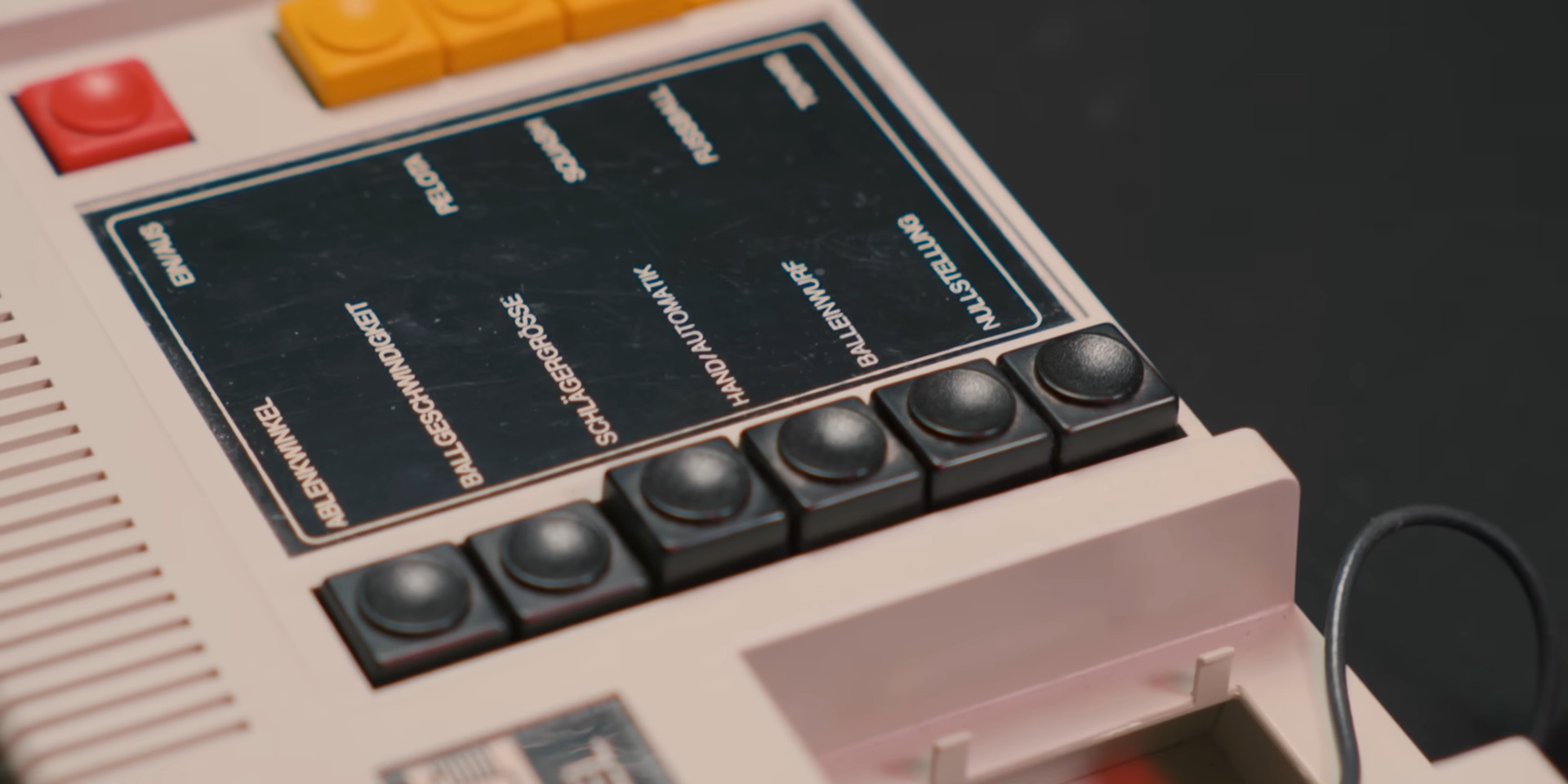
One of the rarest video game consoles ever made has been acquired and tested by YouTube docu-channel Fern. What you will see and hear about in the video embedded below is the Bildschirmspiel 01, or BSS 01 for short, produced in East Germany from 1979 to 1981. This is a basic gaming machine, offering only four Pong-like variants and monochrome graphics, played via a pair of tethered paddle controllers. Nevertheless, the rarity factor means this sample, one of just a handful thought to remain, costs around $1,000 to buy at auction.
The Hunt for the Lost Communist Console - YouTube 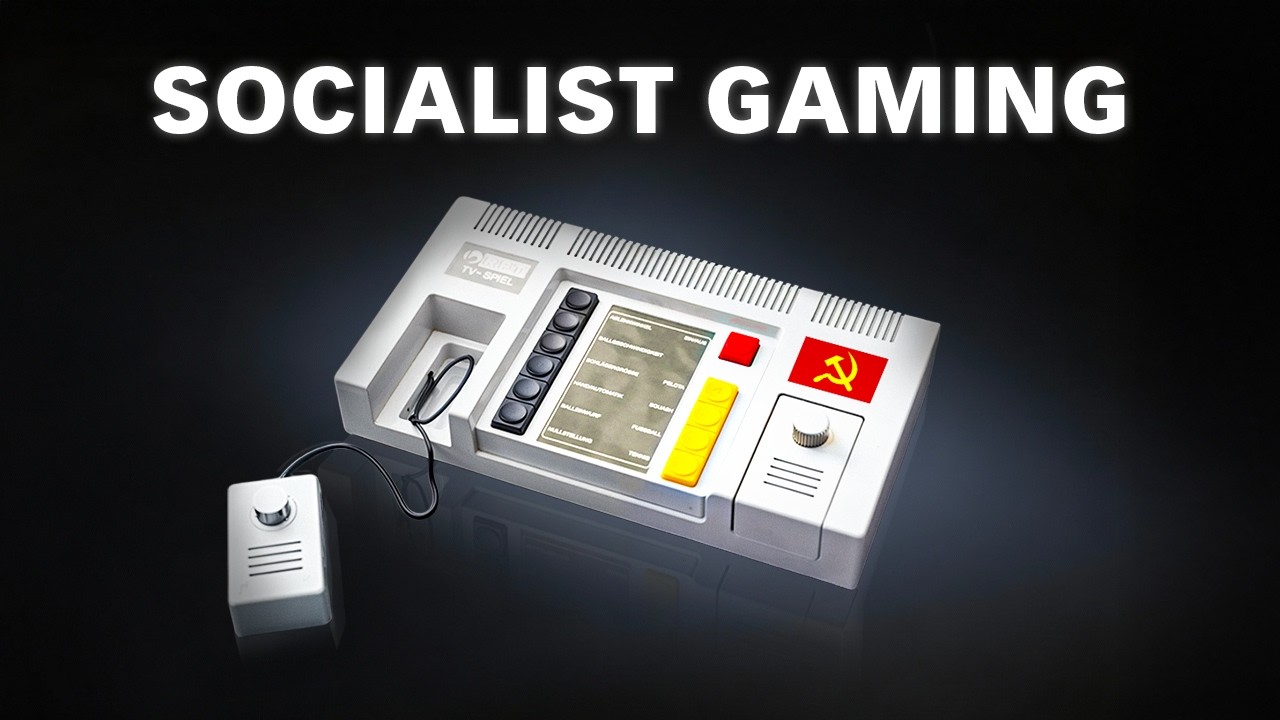
The docu-channel claims that only about a thousand BSS 01 consoles were made, and the rarest model – white with white controllers - is the one that they managed to snag for their analysis.
BSS 01 tech specs
Like other early electronic games, this console wasn’t built using a general purpose microprocessor, RAM, storage, etc. Instead, it featured hard-wired transistor-transistor logic (TTL) circuits. However, the key gaming logic was all handled by an Eastern Bloc clone of the AY-3-8500 chip.
The chip was the only ‘foreign’ ingredient, with other key electronic and support components made locally – PSU, controllers, switches, RF output, speakers, case, and so on.
(Image credit: Fern on YouTube)
Why did the GDR want to make a console?
Fern spends considerable time discussing why the GDR, a proxy state of the USSR, a state behind the Iron Curtain, would want to create a games console. Given the central planning and resource allocation of such a state, it was indeed the government that decided to enter the video gaming market in 1977.
It wasn’t created just for fun and frolics, though, as you can imagine. Fern suggests that the populace in the West was seen to be advancing into the computing and video game eras at a rapid pace since the early 1970s (arcade and home gaming, home computing). While those behind the Iron Curtain could restrict popular knowledge of the goings-on in the West to some degree, there was information flow, so something had to be done to avoid the West getting too far ahead in tech and prevent feelings that the GDR was being left behind.

