Faith Ringgold's Story Quilts Get to the Heart of Being Human
Through her creative lives as author, illustrator, painter, quilter, sculptor, and activist, Ringgold spoke to the urgency and vulnerability of life.
Through her creative lives as author, illustrator, painter, quilter, sculptor, and activist, Ringgold spoke to the urgency and vulnerability of life.

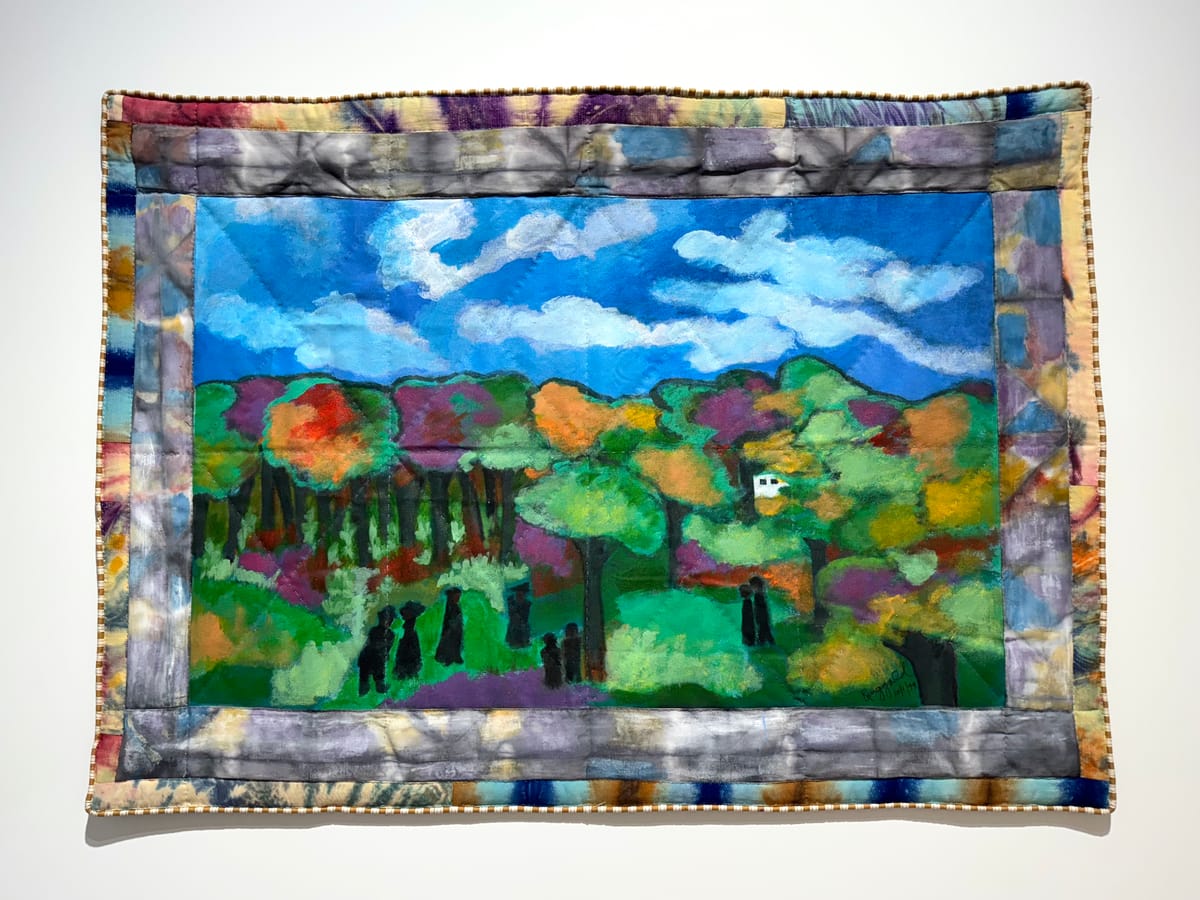
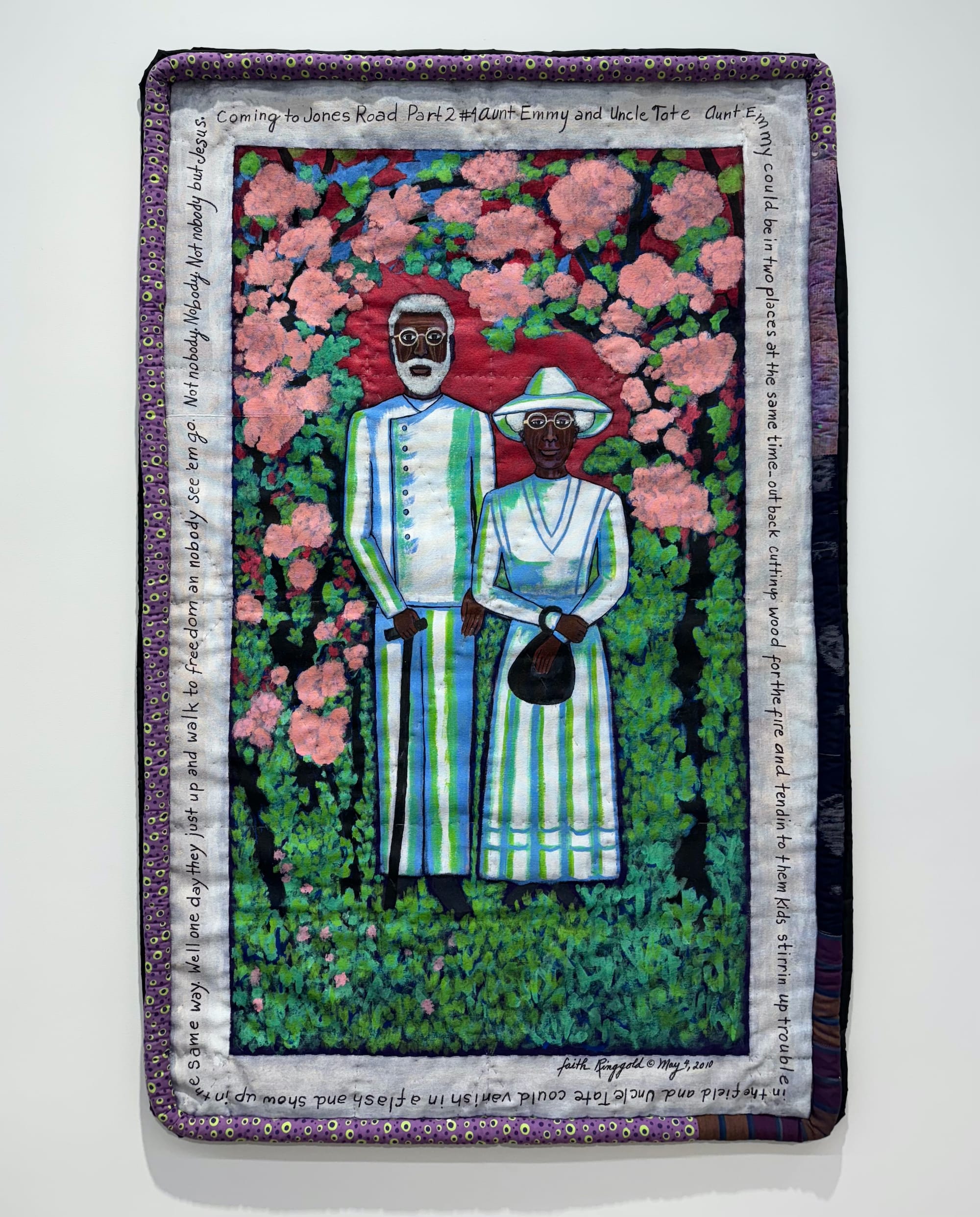
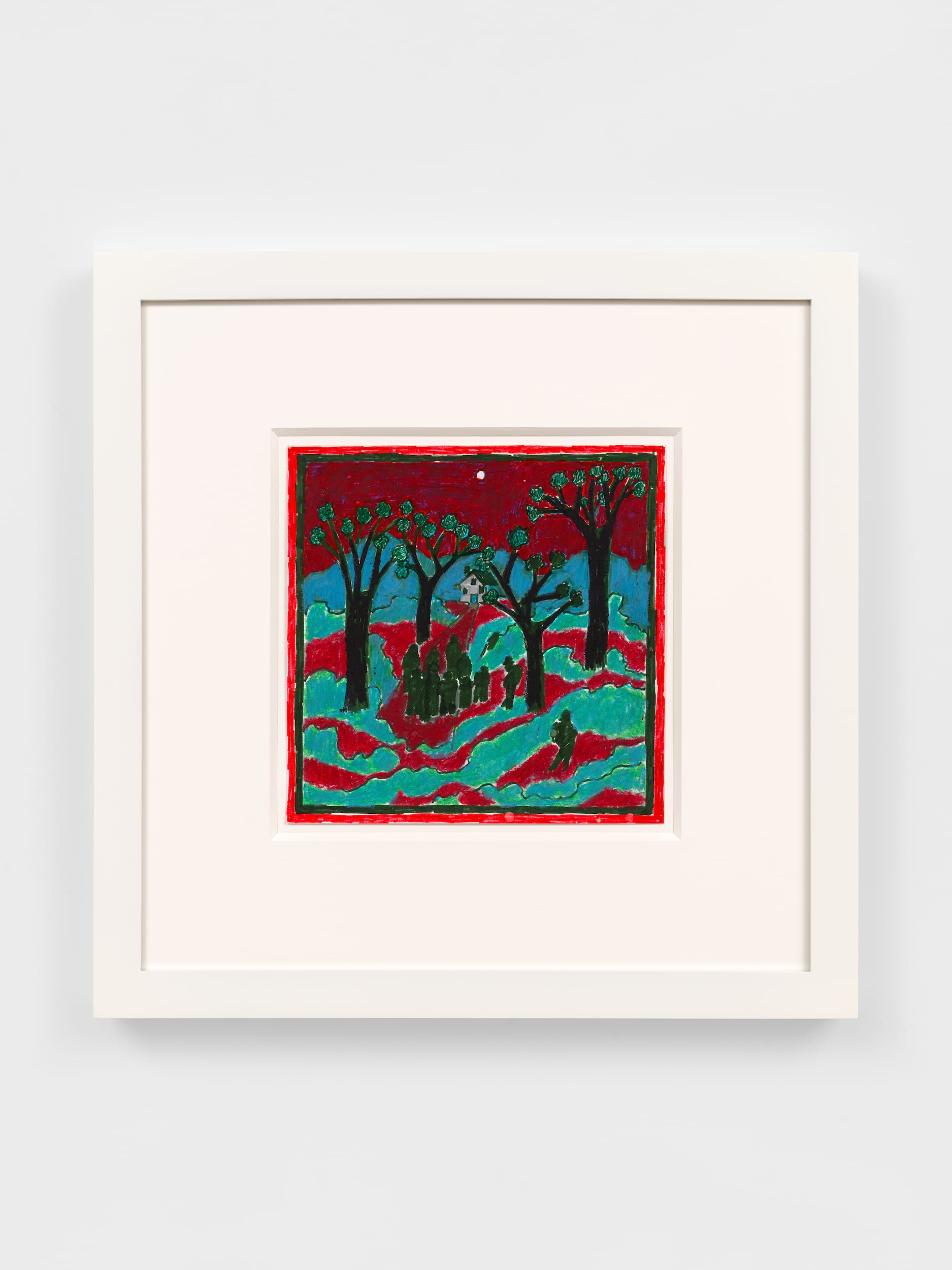
Faith Ringgold, "Coming to Jones Road #2: Sunday Evening on Jones Road" (1999), acrylic on quilted fabric (all photos Jasmine Weber/Hyperallergic, unless otherwise noted)
Faith Ringgold’s words have rhythm. They jaunt through her stories, printed on pages and quilts, their bright, succinct language as engaging as their visual counterparts. The late artist was a storyteller and visual artist in equal measure — her knack for prose and her herculean visual skills go hand in hand. She utilized craft to experiment with form, medium, and message, challenging the parameters of fine art, demanding equal attention for her textiles and her striking canvases.
I was first introduced to Ringgold as a girl, through her children’s books. Cozied into library nooks, I read Tar Beach (1991), her tale of a Harlem girl dreaming of flight. Years later, her work can conjure in me similar feelings of joy, which re-emerged this November when I saw her current exhibition at Jack Shainman Gallery. Her story quilts and prints drew me in, featuring poems and stories that resurfaced the nostalgic sensation of appreciating history and learning through art, again awed by Ringgold’s aptitude for braiding the visual and narrative arts.
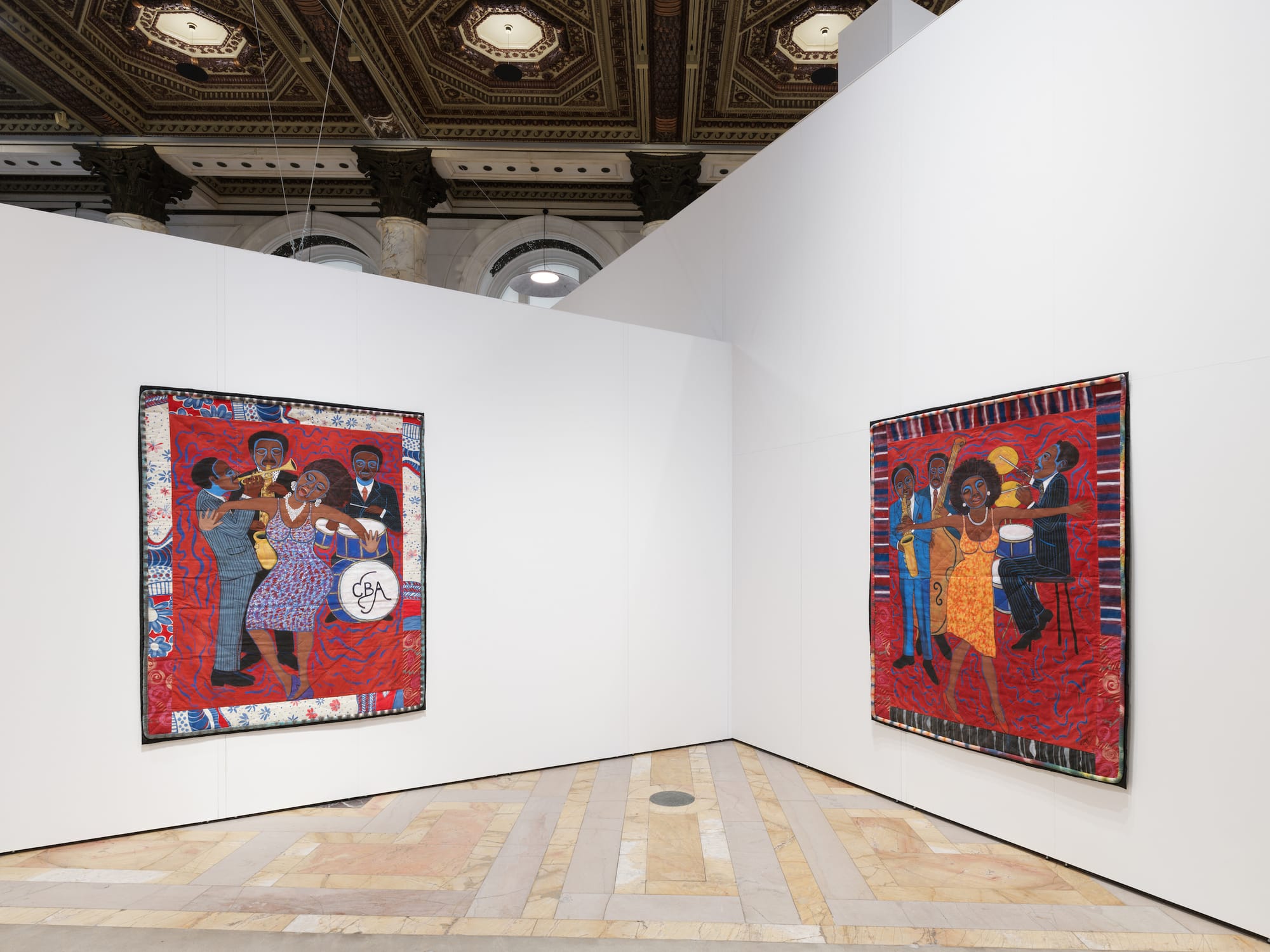
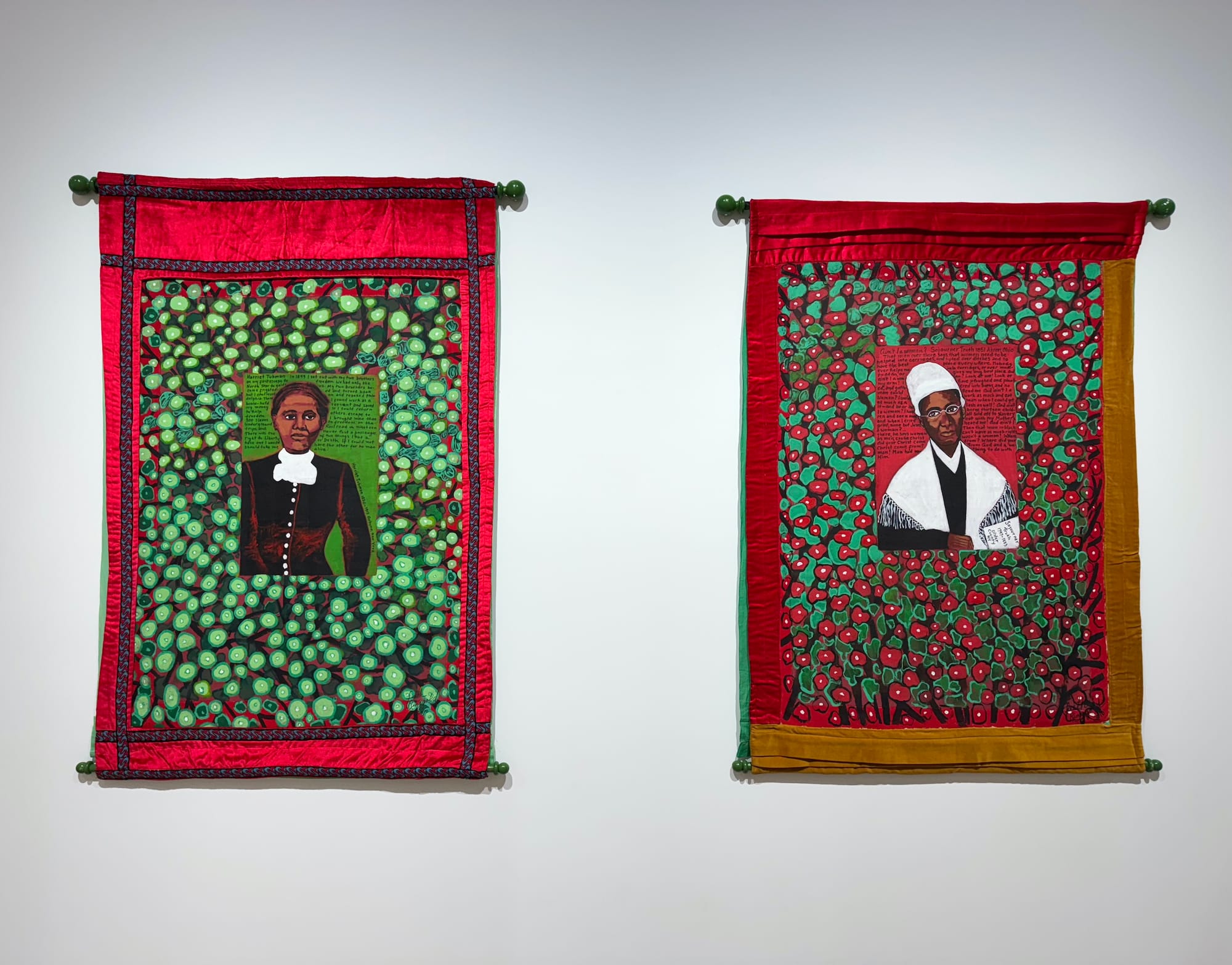
Installation view of Faith Ringgold at Jack Shainman Gallery. Pictured: Two works from Jazz Stories quilt series (2004–7) (© Faith Ringgold, courtesy the Anyone Can Fly Foundation and Jack Shainman Gallery, New York. Photo Dan Bradica Studio)
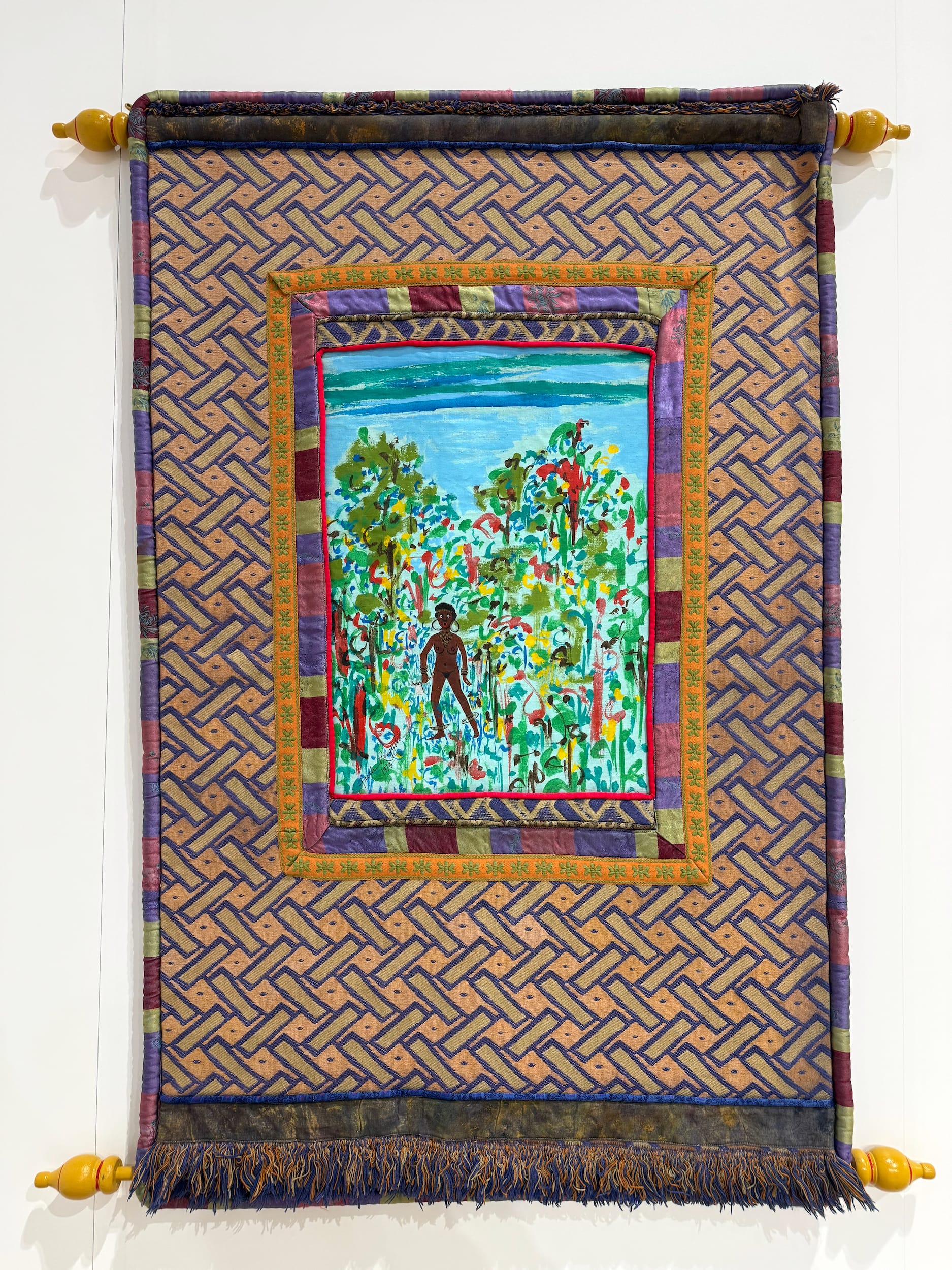
Born in 1930 in New York City, Ringgold was a child of the Harlem Renaissance. This is evident in her artworks, stylistically informed by the politics and aesthetics of the landmark cultural era. Her affinity for Black history at large — its music, literature, and art — appears with regularity across her oeuvre. Her 1973 Slave Rape series comprises gutting interpretations of sexual violence, based on the likenesses of Ringgold and her daughters, painted on tapestries inspired by Tibetan thangkas.