FCC approves 7,500 additional Starlink Gen2 satellites — service will benefit from higher throughput and lower latency worldwide
The FCC has partially approved a significant expansion of SpaceX’s next-generation Starlink constellation, authorizing 7,500 additional LEO satellites under a partial grant.
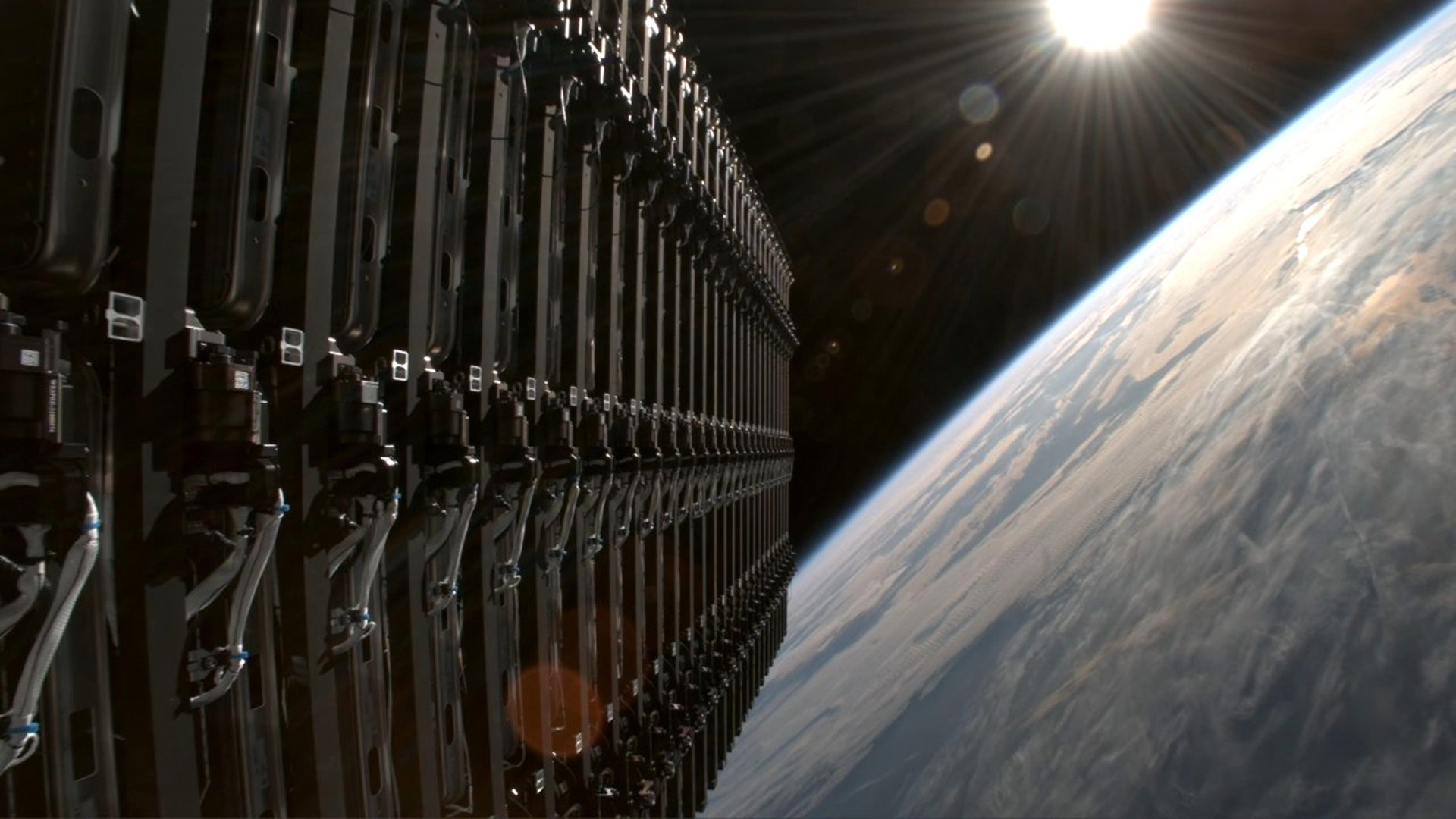
(Image credit: Starlink)
The Federal Communications Commission has partially approved a significant expansion of SpaceX’s next-generation Starlink constellation, authorizing 7,500 additional low Earth orbit satellites under a partial grant issued by the agency’s Space Bureau and clearing a major regulatory hurdle for SpaceX’s next phase of Starlink growth. The decision brings the total number of authorized Starlink Gen2 satellites to 15,000, while leaving the remainder of SpaceX’s broader proposal under continued review.
The order, released this week, responds to SpaceX’s request to deploy a much larger Gen2 constellation that would ultimately approach 30,000 satellites. Rather than approving the full plan, the FCC granted authority for roughly half of the requested spacecraft and explicitly deferred action on the remaining satellites. The Bureau framed the decision as a balance between expanding broadband capacity from space and managing growing concerns around orbital congestion and spectrum coordination.
Alongside the increased satellite count, the FCC approved substantial changes to Starlink’s orbital design. The order authorizes new orbital shells at lower altitudes, including ranges around 340km and 365km, as well as additional shells in the 475km to 485km range. Lower altitudes can reduce latency and shorten the time non-functional satellites remain in orbit, but they also require more frequent launches to maintain coverage.

Follow Tom's Hardware on Google News, or add us as a preferred source, to get our latest news, analysis, & reviews in your feeds.
Get Tom's Hardware's best news and in-depth reviews, straight to your inbox.
Luke James is a freelance writer and journalist. Although his background is in legal, he has a personal interest in all things tech, especially hardware and microelectronics, and anything regulatory.