Gigabyte's new OLED gaming monitor debuts 'HyperNits' brightness tech, so are screens with regular nits now second best?
In a word, no.
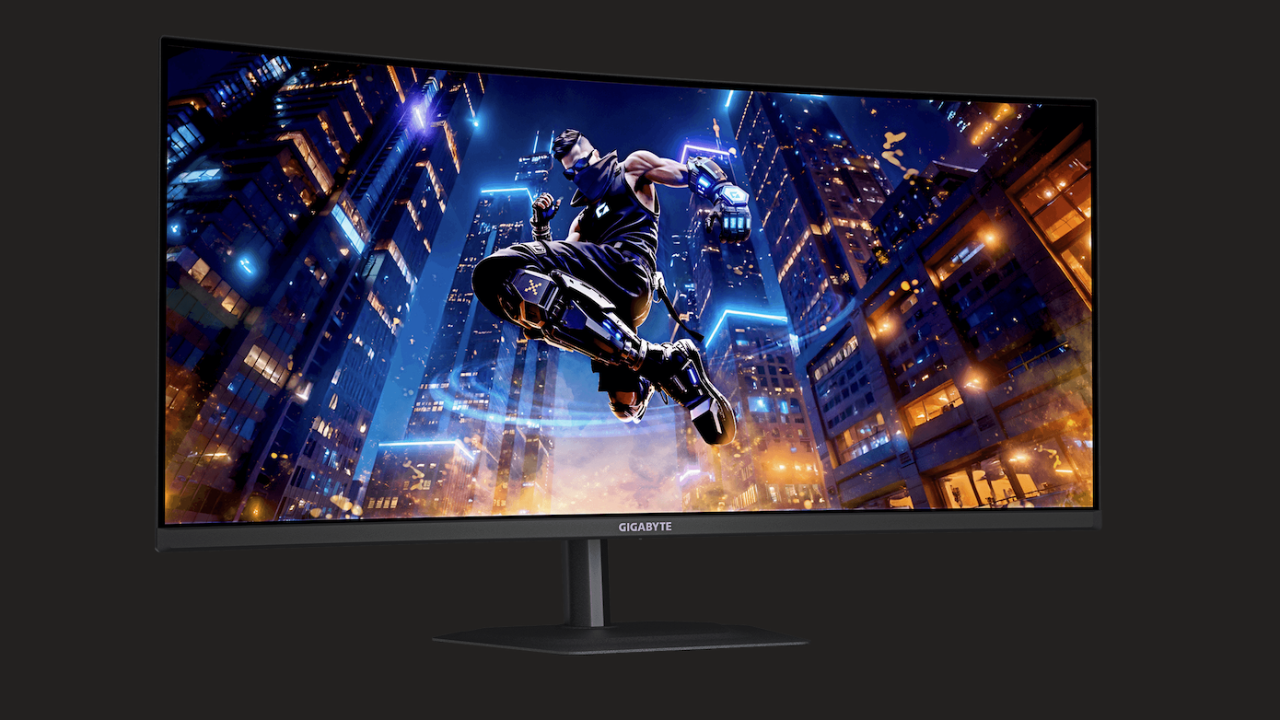
(Image credit: Gigabyte)
Along with just about every other monitor brand on planet earth, Gigabyte has unleashed a load of new OLED gaming displays at CES 2026. Question is, how to stand out from all that competition? Gigabyte's answer, it seems, is "HyperNits."
Yup, kiss goodbye to plain old regular nits. Say hello to HyperNits. Well, maybe. According to Gigabyte, HyperNits is, "a smart tuning feature leveraging a unique algorithm to intelligently reshape the EOTF curve. HyperNits boosts brightness by up to 30% while preserving critical highlight detail. Users can choose between HyperNits High for maximum brightness enhancement or HyperNits Medium for a gentle 20% lift in darker environments."
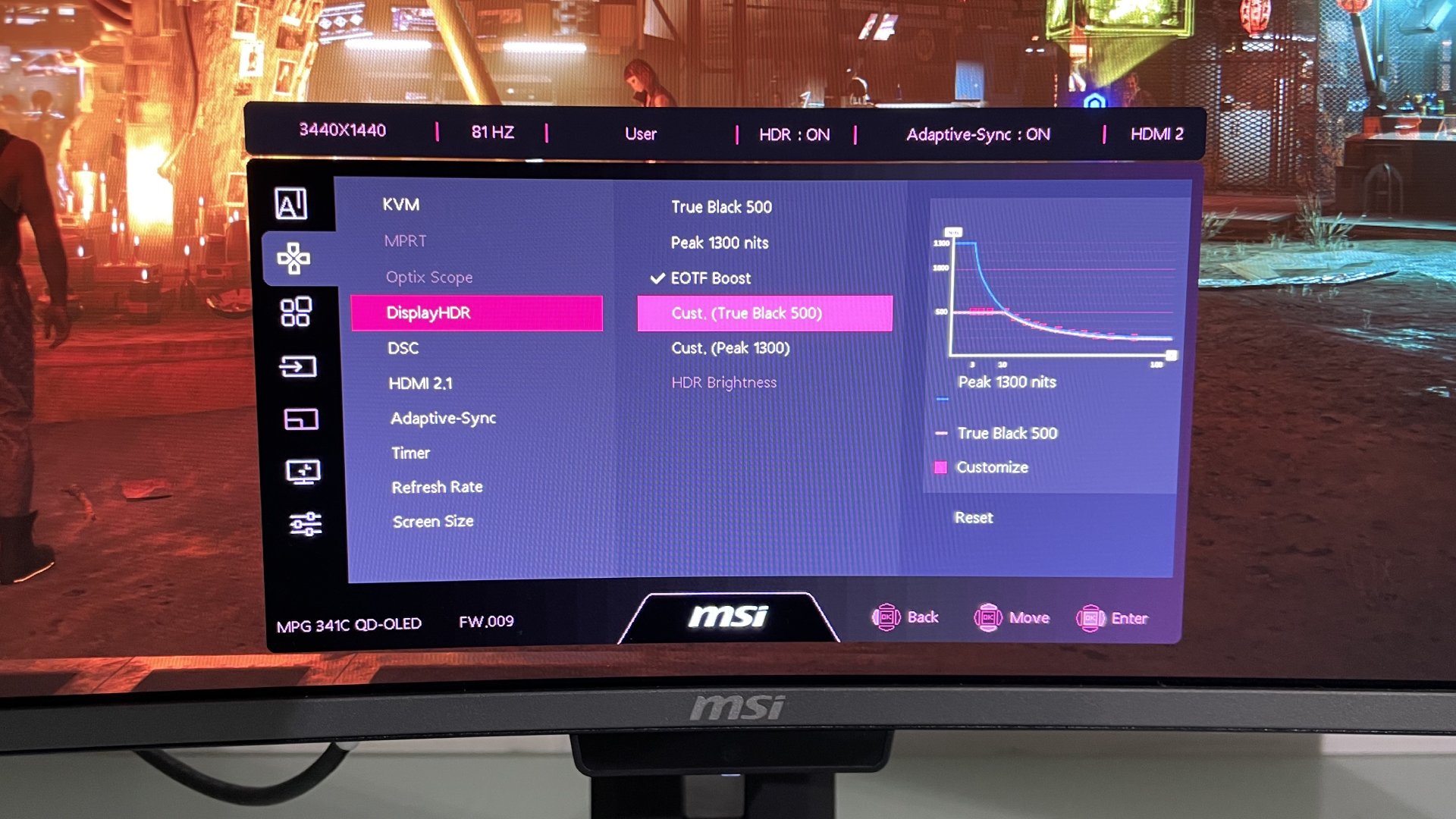
Gigabyte's HyperNits is very likely the same or very similar to MSI's EOTF Boost feature. (Image credit: Future)
In other words, in neither case do these technologies increase the outright brightness of an OLED monitor, be that full-screen or small highlights. Instead, they optimise existing capabilities.
Keep up to date with the most important stories and the best deals, as picked by the PC Gamer team.
For the record, the first new Gigabyte OLED monitor with the HyperNits tech is the Gigabyte MO34WQC36. That's a 34-inch ultrawide model based on a Samsung QD-OLED panel with very much the same specs as the MSI I mentioned above. It definitely has the same brightness and refresh specifications and the new ambient light filter designed to reduce the purple tint of previous QD-OLED.
Gigabyte doesn't mention the RGB stripe subpixel structure seen in Samsung's latest QD-OLED panel tech. But I suspect, like the MSI, it's also present in the Gigabyte MO34WQC36. Gigabyte hasn't quoted pricing, for now. But it has firmly established itself as probably the most aggressive of the big monitor brands when it comes to price. So, here's hoping the Gigabyte MO34WQC36 can match the MSI MPG 341CQR QD-OLED X36 on performance, including the EOTF boost stuff, but beat it firmly for cost.
Jeremy has been writing about technology and PCs since the 90nm Netburst era (Google it!) and enjoys nothing more than a serious dissertation on the finer points of monitor input lag and overshoot followed by a forensic examination of advanced lithography. Or maybe he just likes machines that go “ping!” He also has a thing for tennis and cars.