Glimpses, maybes and a ‘ping’: On the murky trail of the Bondi gunmen in the Philippines
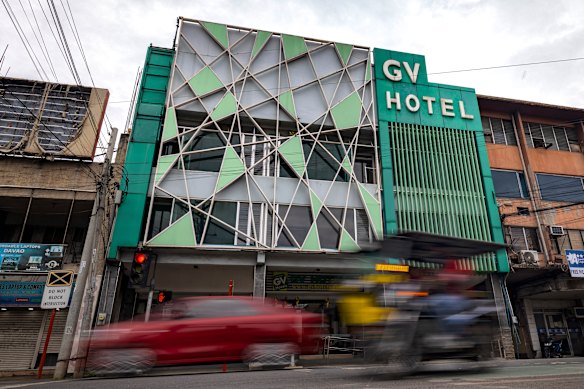
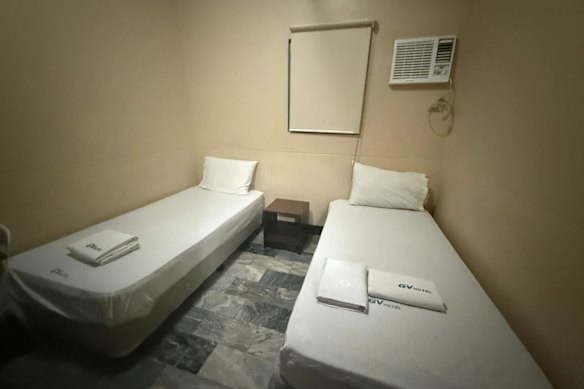
At a beach resort on the outskirts of Davao City, the apparent fleeting visit of soon-to-be terrorist gunmen has been a talking point.

The Akrams’ passports, as shown on television in the Philippines.
Truth is, no one here really knows. As with each of the 27 days in November the pair spent in the southern Philippines, it is fragments, glimpses and maybes.
The investigation in the Philippines has been slow and painstaking, complicated by a dearth of security camera footage. Much of it was automatically wiped in the weeks between the shootings and the revelation that they had been in the country.
But tracing their path through the Philippines may be necessary to understand why on December 14, just weeks after the trip, the two men espousing Islamic State ideology shot dead 15 people celebrating the Jewish holiday of Hanukkah in Sydney’s Archer Park.
Had the Akrams spent their November in Europe, America or New Zealand, it would not have raised so many suspicions. But the island of Mindanao, with a history of Islamic extremism, is not in the usual tourist brochures.
Loading
Islamic State-inspired militants reached their rampaging zenith in 2017 when they laid siege to Marawi City, a six-hour drive from Davao, and held it for more than 150 days until it was liberated by the Philippine military. Some 900 militants and more than 200 troops and civilians were killed.
Since then, terrorist groups on the island have been beaten into irrelevance, according to the Philippine government.
“For years, we have acted decisively to dismantle terrorist networks, to secure communities, and to sustain our hard-earned peace,” Philippine President Ferdinand Marcos Jr said in response to reporting that the Akrams may have been receiving last-minute technical or spiritual training from militant remnants still lingering in the Mindanao jungles.
“To dismiss these gains with unfounded speculation is not acceptable.”
Echoing his boss’s frustrations, national security adviser Eduardo M Ano, complained days after the Bondi massacre that “a mere visit does not support allegations of terrorist training”.
Filipino media has gone big on these angles. One headline, citing a rear-admiral operating in the South China Sea, said the Bondi attacks were “rooted in antisemitism, not Philippine-based radicalisation”.