Eating fibre, replacing gas stoves and regular ejaculation are just some of the ways cancer experts are reducing their risk of developing the potentially deadly disease.
The statistics are sobering: almost one in two Australians are expected to be diagnosed with cancer in their lifetime.
But there are simple and evidence-based things we can do to reduce our risk of developing the disease.
Experts share their evidence-based tips to reduce your risk of cancer.Credit: The Age
The World Health Organisation estimates that 30 to 50 per cent of all cancers are preventable by avoiding tobacco, limiting alcohol, eating a healthy diet, exercise, vaccination against HPV and hepatitis B, and reducing exposure to carcinogens like UV rays and pollution. There are other, less commonly known prevention strategies we can be following too.
As people gear up for a new year, we asked three of the country’s leading cancer experts to cut through the noise and share their evidence-based road map for cancer prevention and a long, healthy life.
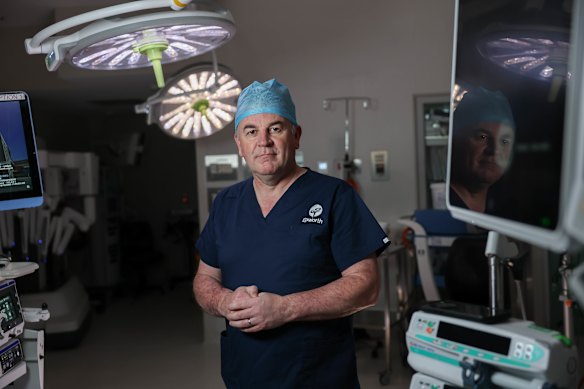
“Don’t smoke, don’t be overweight, know your numbers for blood pressure and cholesterol, do some regular exercise”: Declan Murphy.Credit: Joe Armao
‘Regular ejaculation reduces the risk of prostate cancer’
Professor Declan Murphy, director of genitourinary oncology at the Peter MacCallum Cancer Centre
This is a common question I get asked as a prostate cancer specialist, not just from patients concerned about future cancer risk, but also from men who may already have been treated or who are being monitored for a low-grade cancer.
The answer is simple – a heart-healthy lifestyle is also a cancer-healthy lifestyle.
Men don’t need to be distracted by messages about cutting out red meat, coffee, red wine, etc, and don’t need to be spending large amounts of money on unproven supplements.
They simply need to have a lifestyle which is conducive to not dying of a heart attack or stroke.
Don’t smoke, don’t be overweight, know your numbers for blood pressure and cholesterol, do some regular exercise.
All of these simple things which will reduce your risk of dying of a heart attack or a stroke are also very effective for preventing death from prostate cancer, and indeed almost all common cancers.
Spending $200 a month on supplements doesn’t compensate for an unhealthy lifestyle.
Oh, and sex is good for the prostate! Regular ejaculation reduces the risk of prostate cancer.
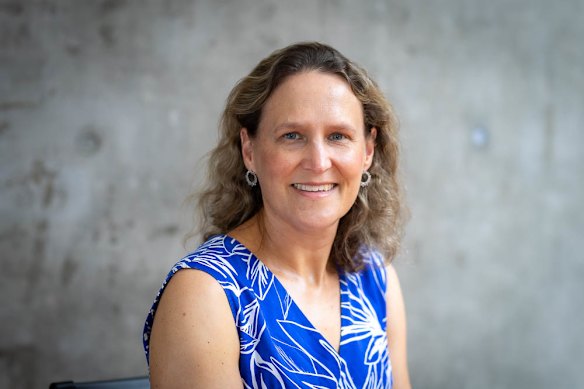
Anne Cust, cancer epidemiologist and director of the Daffodil Centre.
‘Dietary fibre is key’
Professor Anne Cust, cancer epidemiologist and director of the Daffodil Centre, a partnership between Cancer Council NSW and the University of Sydney
Ultraviolet radiation from the sun is significantly higher in Australia than the rest of the world. To reduce skin cancer risk, everyone should follow the Slip, Slop, Slap, Seek, and Slide message (seeking shade and sliding on sunglasses).
For cancers such as bowel, endometrial, and post-menopausal breast cancer, being overweight or obese is a major risk factor, partly due to the imbalance of hormones such as estrogen and insulin.
Physical inactivity is another risk factor, which may be related to insulin resistance. The resulting inflammation from obesity or inactivity can lead to cancer development. Smoking increases your risk of nearly all cancers.
In terms of diet, dietary fibre is key, with strong evidence showing it is protective against colorectal cancer. Fruits and vegetables also seem generally protective against cancer.
Alcohol is a risk factor for different cancers, including breast and head and neck cancers. While the evidence is unclear on a “safe” level, drinking in moderation and limiting consumption to low levels is recommended.
Finally, there is no conclusive evidence that being stressed or not getting enough sleep is directly related to cancer risk.
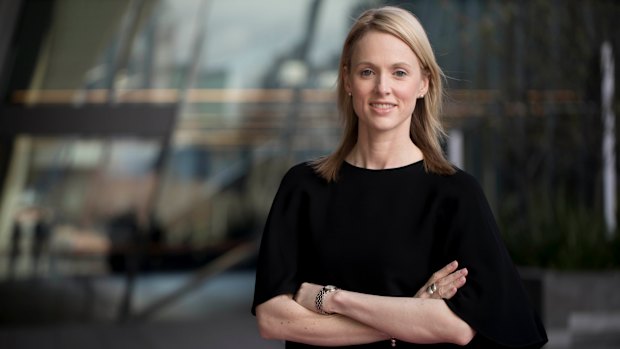
“Reset your exercise goals. More steps. More weights. Try a new class at the gym or yoga studio”: Dr Bronwyn King.Credit: Arsineh Houspian
‘Try zero or low-alcohol products’
Professor Bronwyn King, chief executive of Tobacco Free Portfolios
Breathe clean air! When you can, replace gas stoves to avoid exposure to toxic air and invest in an air purifier to stay safe from bushfire smoke (which travels for thousands of kilometres and can enter your home).
Stay away from cigarettes and vapes. If you’re a non-smoker, don’t start. If you currently smoke, resolve to make 2026 the year you quit. Enlist your friends, family, GP and pharmacist for support.
Cut back on alcohol. Women are often surprised to learn that alcohol substantially increases breast cancer risk. Try zero or low-alcohol products – they’re everywhere now and not too bad!
Loading
Exchange processed foods for fruit, vegies and home cooking. Replace non-stick cookware with stainless steel, titanium, ceramic and glass products. This will reduce dangerous “forever chemicals” leaching into your food.
Slip slop slap! Two out of three Australians will get skin cancer, so reduce your risk by wearing sunscreen, sunglasses, a hat and long-sleeved clothes, finding shade and staying out of the sun during the hottest part of the day.
Get moving! Reset your exercise goals. More steps. More weights. Try a new class at the gym or yoga studio. Grab a friend and sign up for pickleball, squash or golf. Go dancing, hiking, cycling or take a surfing lesson. Go boogie boarding in the waves (and is it even summer without beach cricket?)
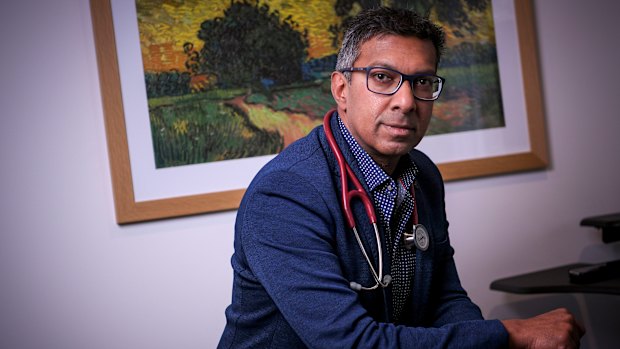
Dr Prasad Cooray says “listen to your body” and if there are any changes in bowel habits, bleeding or abdominal discomfort, make an appointment with your GP.Credit: Eddie Jim
‘Eat well, stay active, and stay fit’
Dr Prasad Cooray, medical oncologist at Epworth Eastern, Knox Private and Ringwood Private hospitals and clinical lecturer at the University of Melbourne department of surgery
My area of interest is colorectal cancer, and two major findings in the past year have served as a wake-up call for Australia.
First, a major international analysis confirmed that Australia has the highest rate of young-onset colorectal cancer in the world. This means colorectal cancers are being diagnosed under the age 50, most commonly in people in their 30s.
Second, and even more concerning, colorectal cancer became the leading cause of cancer death in young Australians for the first time. This reflects what we see clinically: younger patients are being diagnosed at much later stages, where outcomes are poorer. But there is good news, and it’s important.
Loading
Colorectal cancer is almost entirely preventable. Every case begins as a precancerous polyp, and removing that polyp during a straightforward colonoscopy prevents cancer from ever developing. And, even for those diagnosed at stage 4, young people can achieve excellent outcomes with modern multidisciplinary treatment.
These issues are of enormous importance to younger Australians and to advocacy groups. Working closely with Bowel Cancer Australia, we are now developing strategies to address the problem from both ends. Strategies for better prevention, and better outcomes for advanced disease.
People also ask what steps they can take for cancer prevention. This is a challenging area in young-onset colorectal cancer because the causes are still largely unknown.
Still, some principles hold true. Eat well, stay active and stay fit – these stand anyone in good stead. But most importantly: listen to your body. If something doesn’t feel right, changes in bowel habits, bleeding, abdominal discomfort, weight loss, or simply a persistent sense that something is wrong – see your GP promptly.
Young people are often told they are “too young” for bowel cancer. Trusting your instincts and seeking early medical advice can make a real difference.
Make the most of your health, relationships, fitness and nutrition with ourLive Well newsletter****.Get it in your inbox every Monday****.