Here’s the one thing that Motorola needs to succeed in 2026
If you also like Motorola, the answer won't surprise you.
Ryan Haines / Android Authority
I’ve been reviewing Motorola devices for a long time — practically since I started here at Android Authority. In that time, I’ve seen significant growth and improvement, from reintroducing the Razr series (twice) to leveling up the Moto G family. And, while I’ve found a lot to praise in that time, I’ve never shied away from a few of Motorola’s more persistent issues.
Of course, Motorola has been fairly responsive to my concerns (and those of others) over its last few generations, so my list of persistent issues has dwindled to just one remaining. If you’ve read any of my recent reviews, you’ll know what’s coming, but here’s what Motorola needs to improve as we head into a new year.
Yes, you guessed it: More software updates
Ryan Haines / Android Authority
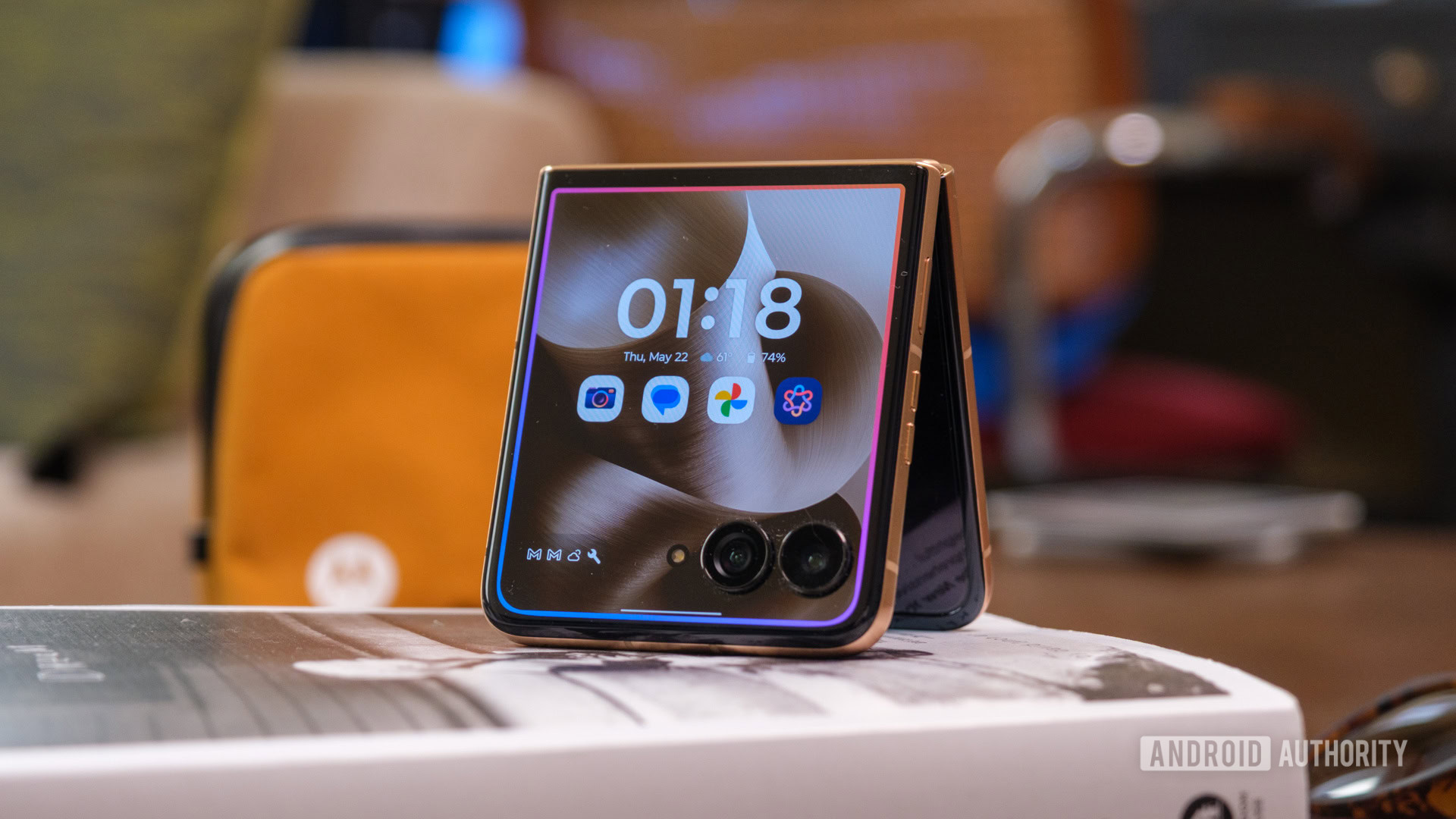
I mean, it really is this simple. Until Motorola brings its Android update commitment in line with its closest rivals, it will be tough for me to recommend buying a Razr, an Edge, or especially a Moto G. There’s just no way I can sit here and tell you to spend up to flagship money on a phone with half the shelf life of its closest competitors. Unfortunately, that’s not an exaggeration, either — there are Galaxy A devices that will get double the Android support of the $1,300 Motorola Razr Ultra.
So, for everyone’s sake, Motorola needs to make a change. Even if it’s not completely revolutionizing the Moto G series with six or seven years of support, it at least needs to provide three years of Android updates and four (or possibly five) years of security patches, which the current flagships receive. That Razr Ultra, though… that top-shelf foldable needs top-shelf support. Anything less than six years when you’re spending more than the iPhone 17 Pro Max costs is simply unacceptable.
The price of one Razr Ultra update is more than double its top Android rivals.
I, of course, know that an improved update commitment isn’t as easy as simply waving a hand. I know that doubling the length of support would put quite a bit of ask on the development team, which might stretch the rock-bottom price of something like the Moto G Play (2026). Honestly, I think it would be worth it.
Right now, you’d pay just $179 for that phone with its two Android updates and three years of software support. If you were to bump the price to an even $200 and add one or two more updates, you’d actually drop the cost per update, enabling the phone to stay current and remain in your pocket for longer. Maybe Motorola wouldn’t be able to sell you on a new phone as quickly, but it would build a better relationship through the one that’s already in your pocket.
If you need more proof, look at just about any other Android phone that we’ve recommended recently. Both Google and Samsung promise around seven years of support across devices at all price points, and even OnePlus offers four years of Android updates. Don’t get me wrong, OnePlus needs to step things up, too, but it earns at least a little goodwill by keeping its flagship priced below $1,000.
Put another way, both Google and Samsung are running circles around Motorola in terms of price per software update. If you opt for the Pixel 10 Pro XL with 1TB of storage, it will cost you $1,299. Split that across seven years of support, and you’re looking at about $185 per Android update. At launch, the base Galaxy S25 Ultra cost the same, giving you the same value per update of $185. Now, stack them against the Razr Ultra, which offers three years of updates for the same price, and that otherwise well-equipped flip phone is an eye-watering $433 per update. Painful.
As soon as I get more updates, Motorola gets a place in my pocket
Ryan Haines / Android Authority
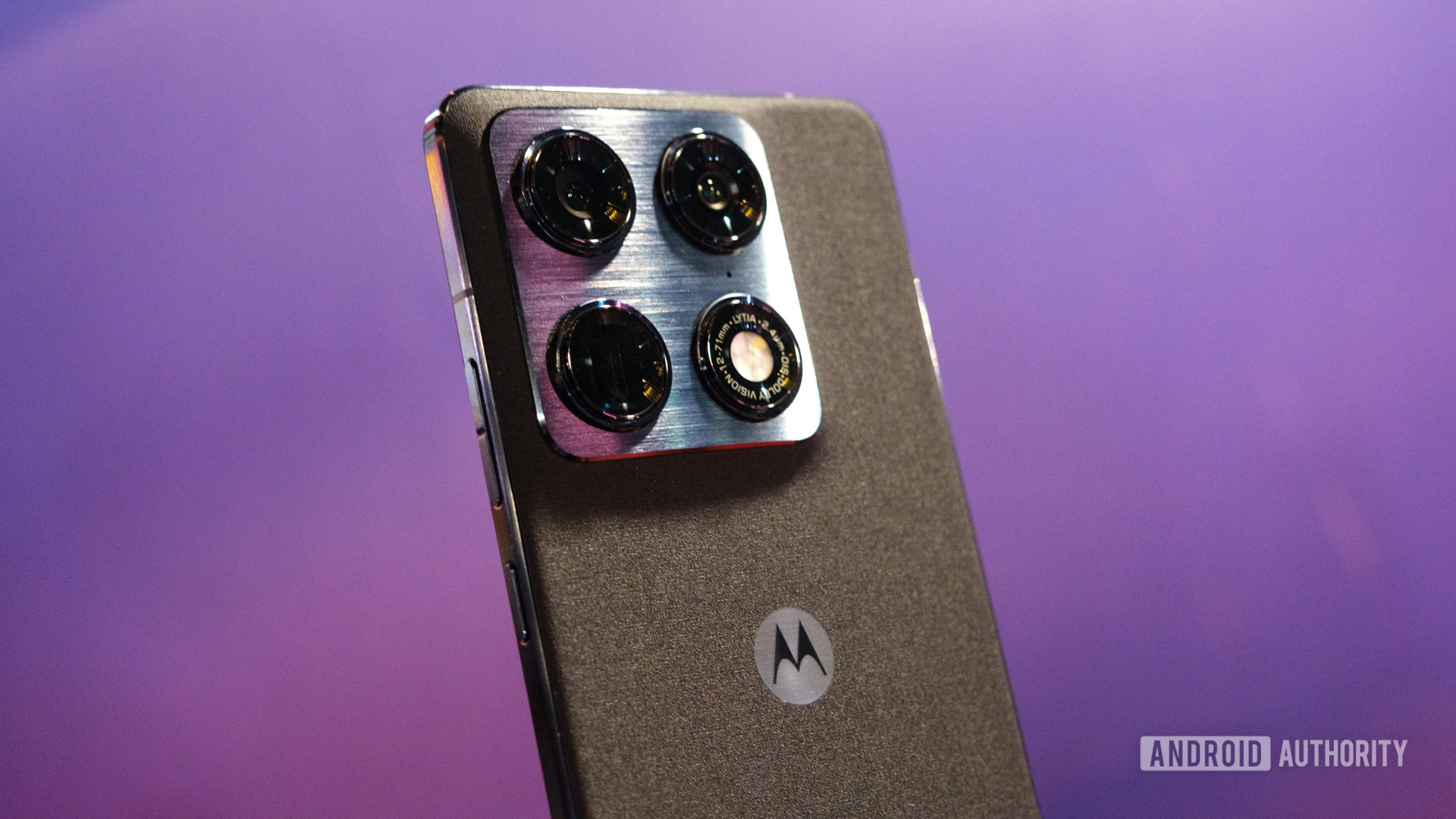
Alright, yes, I know that might be just a little bit dramatic. That’s fair. However, I’m still willing to stand by what I said — if Motorola upgrades its updates, I think the rest of its experience is worth bringing home. I already love the Pantone colors, the interesting materials, and the comfortably rounded frames at just about all price points. There’s really nothing I would change in terms of Motorola’s design language. Heck, the cheap phones even have headphone jacks still in early 2026.
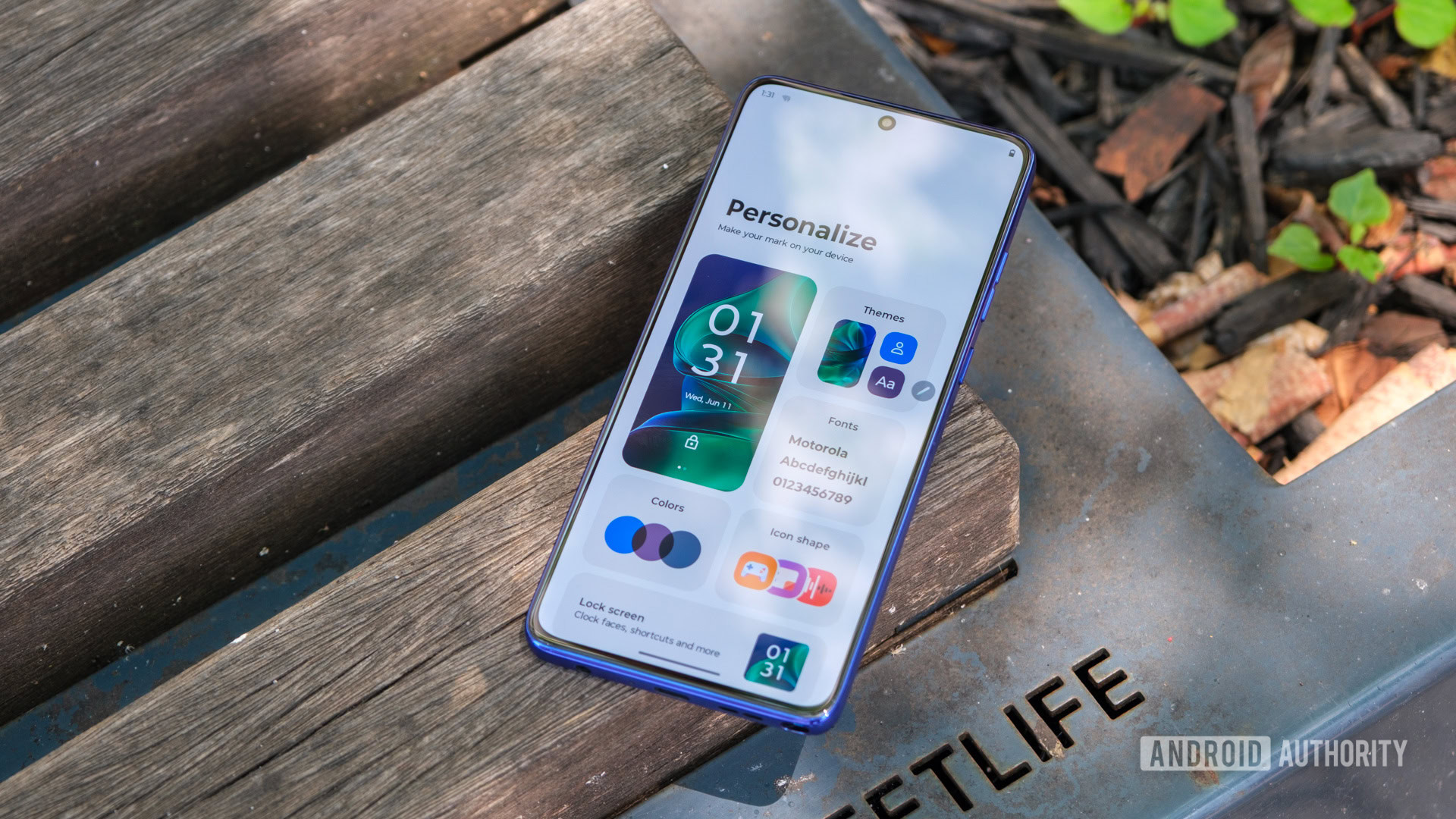
I wouldn’t mess with Hello UX itself too much, either. It might feel like a lightweight clone of Pixel UI at times, but that’s fine because I love Pixel UI. I like the deference to Google’s features a lot of the time, and I like that it makes the entire experience easy enough for my grandparents to stay up to date. Yes, perhaps Moto AI needs some refinement before it can compete with the likes of Gemini and Galaxy AI, but that’ll come with a little more time.
Motorola has figured out 90% of the puzzle, and I desperately want it to find that last piece.
Even Motorola’s cameras have reached a point of decent maturity. No, they might not pack the megapixels of the Galaxy S25 Ultra, nor do they offer the processing of the Pixel series, but they walk a solid line between the two, pairing natural colors with some of Google’s tried-and-tested editing tricks. And yes, I’d be perfectly happy using and editing those photos for social media without a second thought.
So, I’m happy to say that I’m oh, so close to giving Motorola a space in my pocket again. I want to carry something like the Razr Ultra on a daily, or at least weekly, basis, but I want to do it knowing that I can justify the phone’s existence. I have to know that you could get as much mileage out of the phone as it currently costs, and I’m just not there yet. Maybe one day, but not quite yet.
Follow
Thank you for being part of our community. Read our Comment Policy before posting.