High Court lets Van Gujjars cultivate near reserve forests, bars commercial activity
.
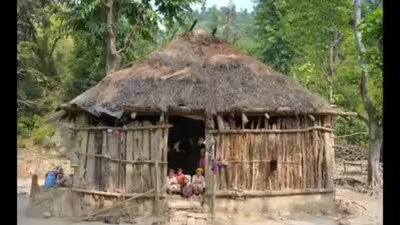
DEHRADUN: Uttarakhand high court (HC), while hearing a petition concerning the nomadic Van Gujjar tribe -- who inhabit areas around reserve forests and primarily engage in cattle-rearing -- said that "they may carry out self-cultivation of the land in question but cannot engage in commercial activities.
" The court's response came following a submission by amicus curiae Dushyant Mainali that forest officials in some divisions were preventing the tribes from cultivating land and growing fodder for their cattle.The matter pertains to a PIL ongoing in the court, which alleges that rights conferred on forest dwellers and tribals under the Forest Rights Act, 2006, have not been adequately publicised by the state. The petition also claimed that most forest dwellers are either unaware of these statutory rights or not alive to them, and that there has been little effort to inform them about the requirements under the Act.The amicus curiae noted that forest authorities have involved the district legal services authorities (DLSAs), pursuant to directions from the HC, for consideration and disposal of applications for claiming forest rights. However, it was also submitted that in some forest divisions, officials continued to prevent the petitioners and other Van Gujjars from cultivating land and growing fodder.The amicus curiae further presented a note prepared by environmental expert Ajay Rawat, which was recorded on Thursday.
The next hearing was scheduled after the court's winter vacation.Notably, during a hearing in Aug last year, the principal chief conservator of forests, Uttarakhand, was directed to submit a list of persons dwelling on forest land, including tribals and Van Gujjars, who are residing in forest areas and carrying out cultivation, grazing, or related activities.At the Nov 3 hearing, the HC observed that the Forest Rights Act mandates the constitution of district-level committees. The court directed that the secretary of the DLSA be invited to the hearings and that DLSAs submit periodical reports to the State Legal Services Authority (SLSA), which in turn should place them before the HC. The district committees are required to notify the respective DLSAs about hearing dates and provide copies of petitions to be considered.