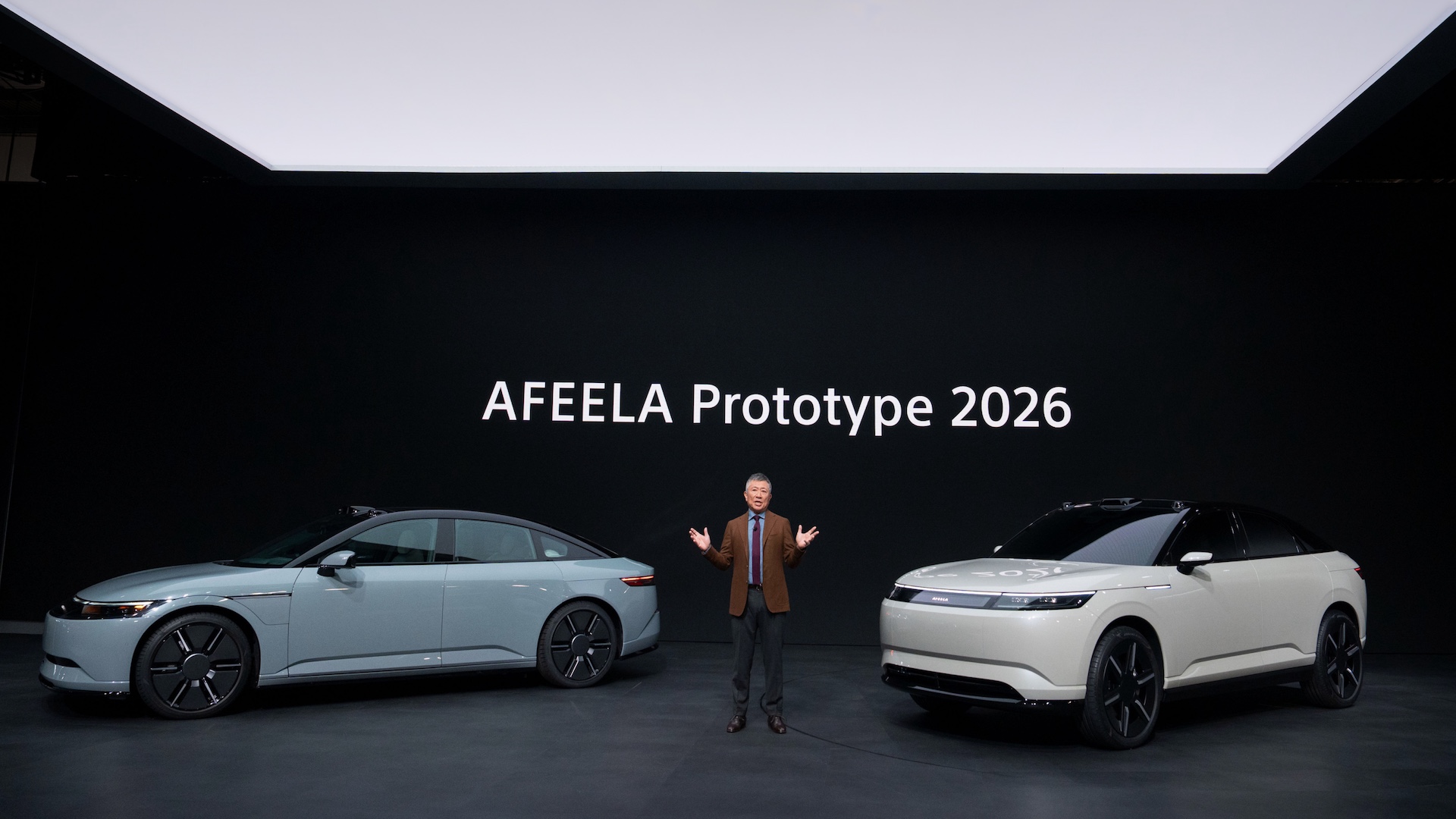
Honda and Sony just teased a second SUV at CES 2026, but their Chinese rivals are already racing ahead
Sony Honda Mobility takes the wraps off its SUV prototype, despite not yet delivering its debut electric sedan.
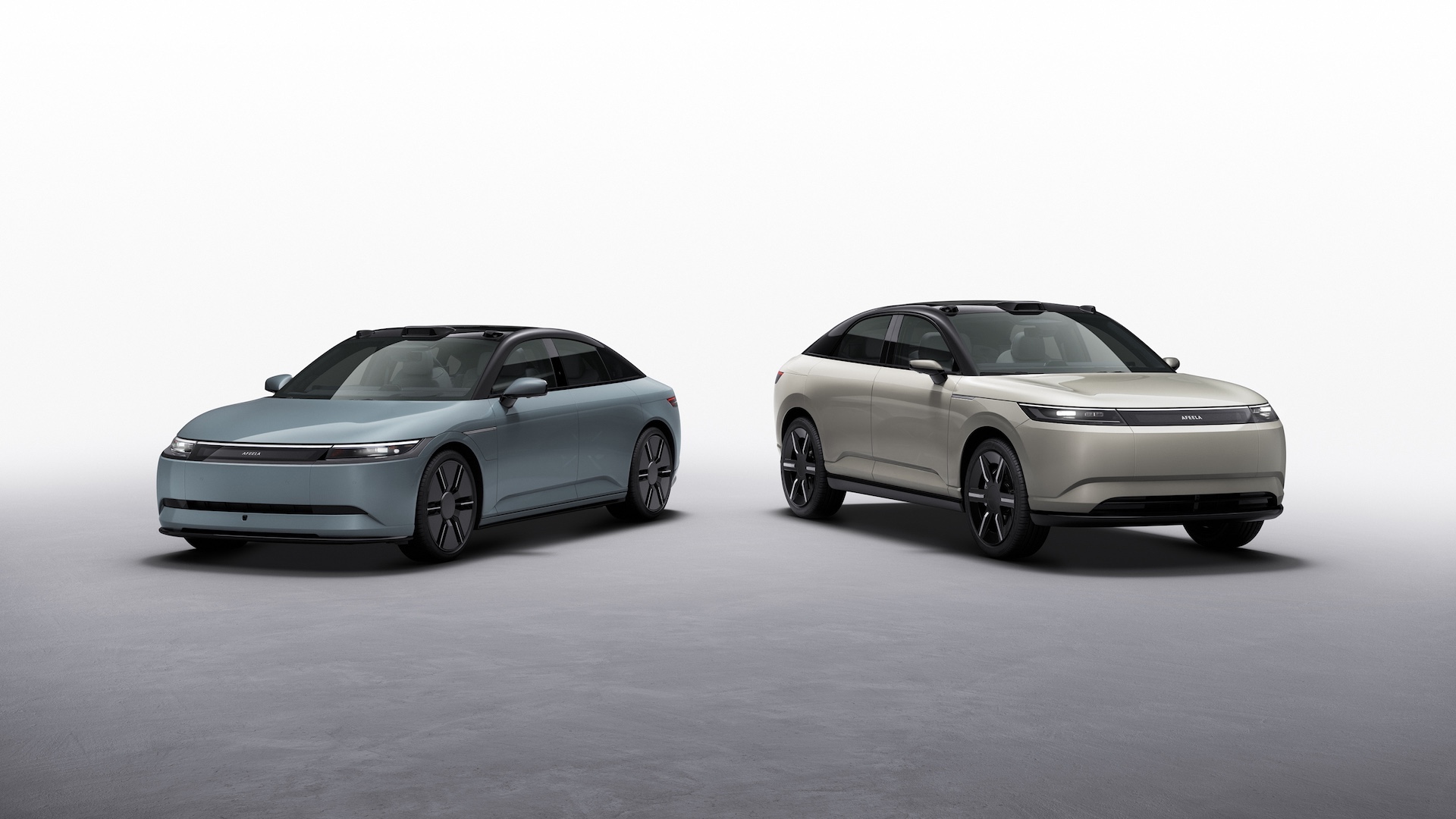
(Image credit: Sony Honda Mobility)
- Afeela 1 deliveries will finally begin later this year
- A new all-electric SUV is planned for 2028
- Sony and Honda say it will be aimed at a broader range of users
Sony Honda Mobility likes to use CES as a platform to showcase its hotly-anticipated Afeela 1 electric vehicle, to the point where wheeling it out on stage has become an annual tradition.
This year, the pair revealed what they described as a “pre-production model” that is essentially the very same as those $102,900 vehicles that are due to be delivered in the coming months.
But despite not yet handing keys over to customers, Sony Honda Mobility is already teasing an SUV variant that it claims will offer “greater spatial flexibility and accessibility” as well as appealing to a broader range of users.
It builds on the same fundamentals as the Afeela 1, which is to say it will feature the same Personal Agent that leverages Microsoft Azure OpenAI Service for natural dialogue between human and machine.
There’s also a Snapdragon Digital Chassis that the company says helps it deliver "AI-centered next-generation mobility experiences", while the ability to play PlayStation 5 directly on the vehicle’s infotainment system will remain as a key draw for potential punters.
Image
1
of
6
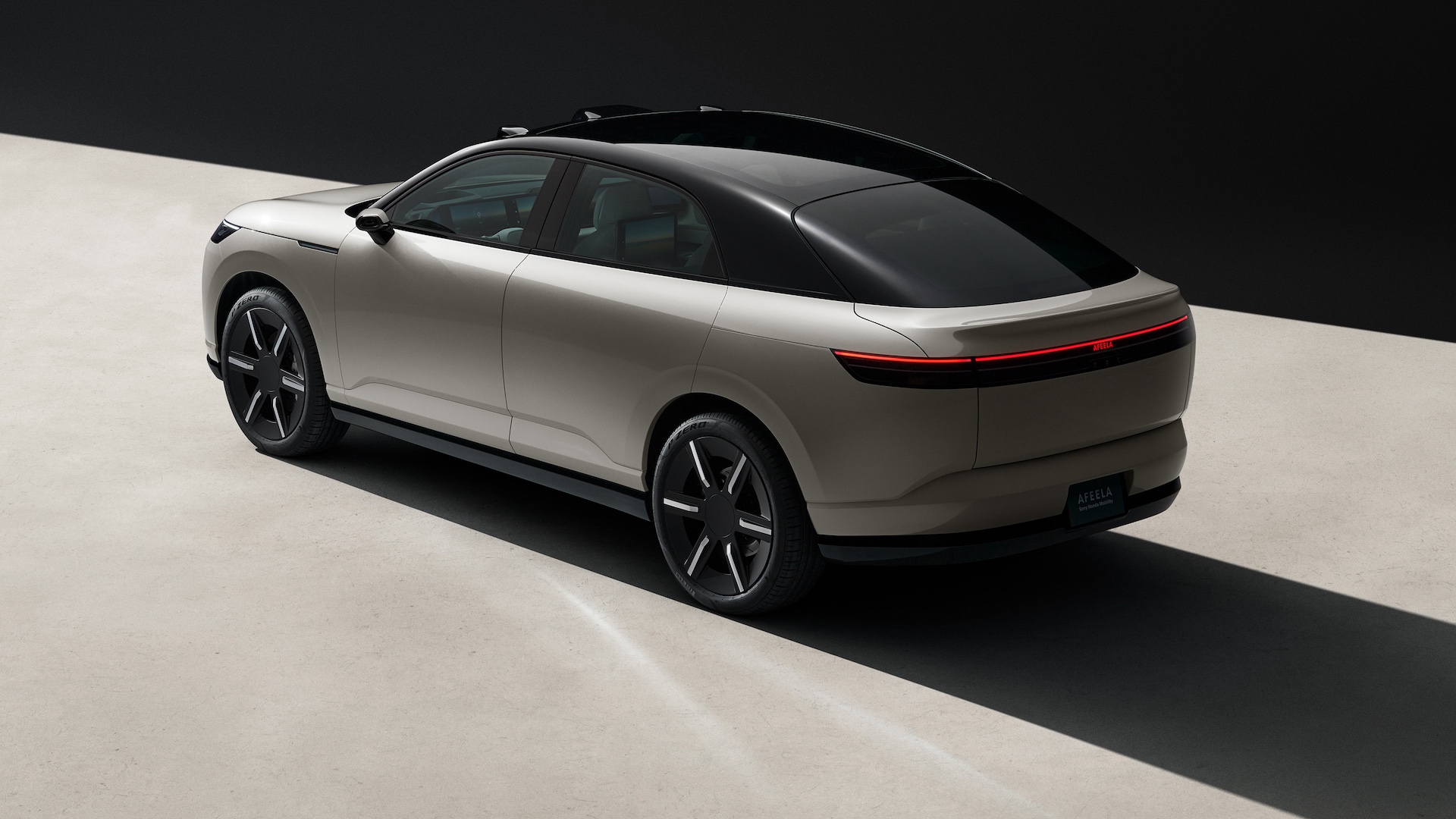
(Image credit: Sony Honda Mobility)
Sony Honda Mobility is otherwise remaining tight-lipped on specifics for the larger SUV, which is planned for launch in the US as early as 2028.
We only know that it looks strikingly similar to the sedan, albeit with a raised ride height, and that it is highly likely to feature the same sensor suite that allows Afeela 1 to offer advanced levels of autonomous driving.
Sign up for breaking news, reviews, opinion, top tech deals, and more.
The company says that it aims to achieve Level 4–equivalent autonomous driving capabilities in the future, transforming the in-vehicle space into a “drive-less” environment where occupants can enjoy entertainment, apparently.