Horror movies in 2025 finally moved out of Get Out's long shadow
Sinners, Weapons, and 28 Years Later said goodbye to the elevated horror's heavy reliance on metaphor

Published 4 hours ago
In 2025, filmmakers said goodbye to metaphor

Sign in to your Polygon account
Table of contents
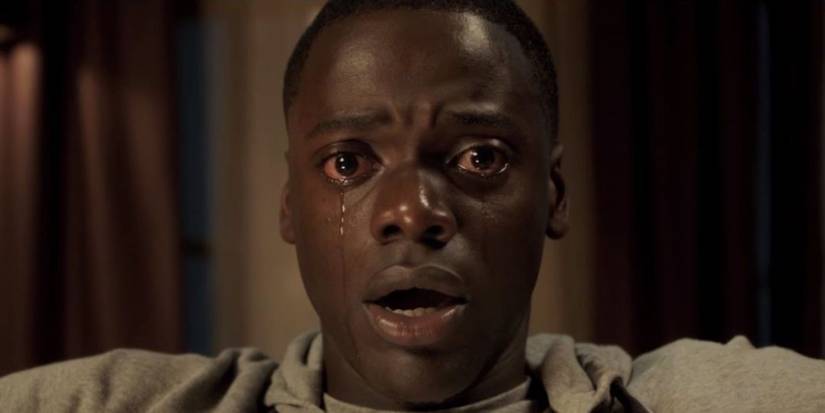
Jordan Peele’s 2017 movie Get Out changed a lot of things. Chief among them was inventing — certainly unwittingly, and perhaps unfairly — a new and extremely virulent strain of horror. Peele’s perfect bitter little pill of a thriller about racism, appropriation, and white hypocrisy was a big hit and a critical darling. It proved that small, clever, thematically serious films could be commercial if they were scary, and that horror could be an effective Trojan horse for aspiring cinephile directors to smuggle themselves and their big thoughts into moviemaking. Almost overnight, the “elevated horror” industry was born, and it has held the prestige end of genre moviemaking in a firm grip ever since.
But this year, it finally felt as if that grip was loosening. A trio of superb, high-profile horror movies — Sinners, 28 Years Later, and Weapons — achieved both artistic respectability and box-office success without needing to lean on the crutch of metaphor. These are grand, involving films with something to say. But they are also just a vampire movie, a zombie movie, and a possession movie. And they are scary. In 2025, being scary mattered.
The glut of movies that followed on Get Out’s heels were sometimes grouped under the term “elevated horror,” but what linked most of them was an insistent, systematic application of metaphor to surface themes of inequality or trauma. The monster in movies like Midsommar, His House, The Invisible Man, Master, and many more was grief, or motherhood, or the refugee experience, or abusive relationships, or systemic racism, or depression, or fucked-up family dynamics. But it was also, like, a monster, often literally: a creepy supernatural incarnation of the bad thing. My colleague Sam Nelson calls these “the Dracula is that your mom died” movies.
Get Out.
Image: Universal Pictures
Some of these movies were really good, including some of those I just listed. A handful of arresting cinematic talents came to the fore through this trend, not least Peele and his peer Ari Aster. But the genre quickly became a cliché and its applications became stretched. Earlier this year, I reviewed Opus, a decent enough thriller in which the monster was, I think, modern celebrity culture and its role in the death of print journalism? Which is something I am sad about too, but I’m not sure how high it ranks among traumatic, monstrous injustices. More to the point, the movie seemed to have been written to a strict formula, exposing how shallow the elevated horror assembly line had become. You could say the same about other 2025 movies like Together (the monster is codependency) or Him (the monster is sports).
If they were emulating Get Out, many of these filmmakers seemed to miss that Peele comes by his love of horror honestly — horror movies are clearly what he wants to make, not cosplay to dress his scripts in — and also that Get Out isn’t really metaphorical at all. Although the film is mildly fantastical in its plot mechanics, racism isn’t a monster in the movie; racism is just racism. It doesn’t need to be alluded to or abstracted, and it can’t really be made any scarier. Peele just happens to be a confident enough master of tone that he can construct a wickedly entertaining movie around his bleak point without having to lampshade it in a spooky cloak.
That refreshing directness is something you’ll find in Sinners, 28 Years Later, and Weapons, too. All three movies are constructed around a story they want to tell, not a point they want to make, and their resonance emerges naturally from plot, character, and setting.
Sinners.
Image: Eli Adé/Warner Bros. Entertainment
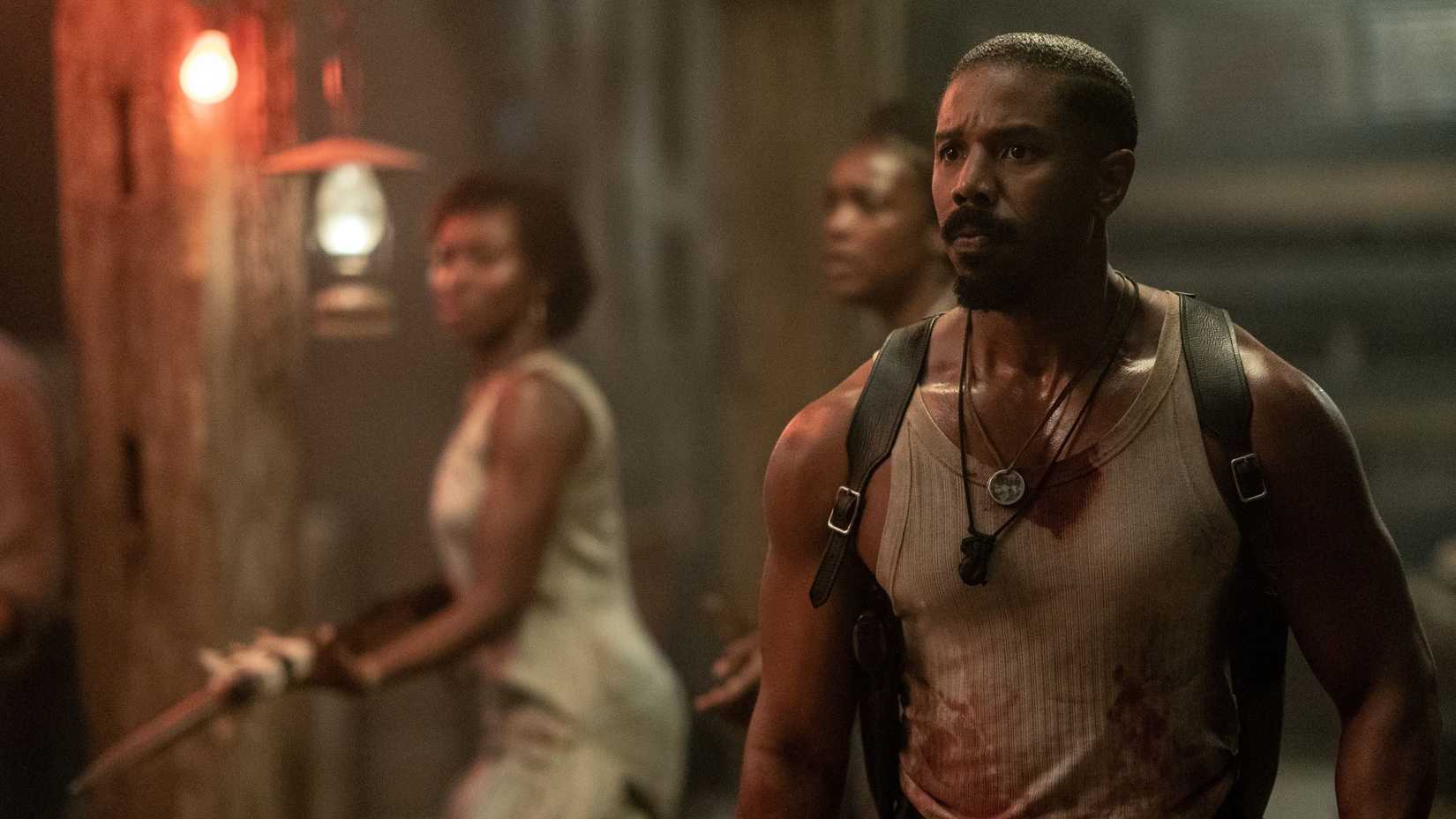
Sinners, it’s true, has a metaphorical layer. The movie, which is about twin brothers in Prohibition-era Mississippi defending their juke joint from Irish vampires, is writer-director Ryan Coogler’s way of digging into the erasure and assimilation of Black cultural spaces. (For that matter, it has some stuff to say about the rootlessness and ostracization of Irish immigrant culture, too.) But it doesn’t feel as if Coogler constructed the film around a thesis. Instead, he decided to set a vampire story in the Jim Crow deep south, and the themes arose naturally from the material.
It’s also striking that Coogler’s mysticism cuts both ways. The vampires’ whiteness is equated with insatiable hunger, but the revelers’ Blackness is also a powerful force that’s not without danger, expressed in the time-traveling musical fantasia of the griots. This isn’t a one-sided metaphorical schema. It’s an entire, fleshed-out fantasy world, rich with incident and meaning.
In 28 Years Later, screenwriter Alex Garland and director Danny Boyle set out to make something like a Ken Loach kitchen-sink drama inside a fast-paced zombie thriller. Following 12-year-old Jamie as he hunts with his dad and then embarks on a desperate mission to save his mom, it’s a family story about loss and coming of age, as well as a microcosmic portrait of a fallen nation coming to terms with its own ruin.

28 Years Later.
Image: Sony Pictures
But the infected have no strict symbolic role to play in this. Instead, they throw the characters and themes into sharp relief, raising the stakes, and lending the movie a supercharged tension and emotionality. The infected don’t need to embody anything for 28 Years Later to work. Just by their presence, they strip the film’s tiny, fragile society and its yearning people down to the bare wood, leaving them raw and exposed.
Of the three movies, Weapons butted hardest against the ingrained expectations of an audience trained on a decade of elevated horror. There was a strange backlash against writer-director Zach Cregger’s film for not being “about anything,” as if a horror movie of this scope and prestige couldn’t function without a clearly labeled thematic framework, ready for deconstruction.
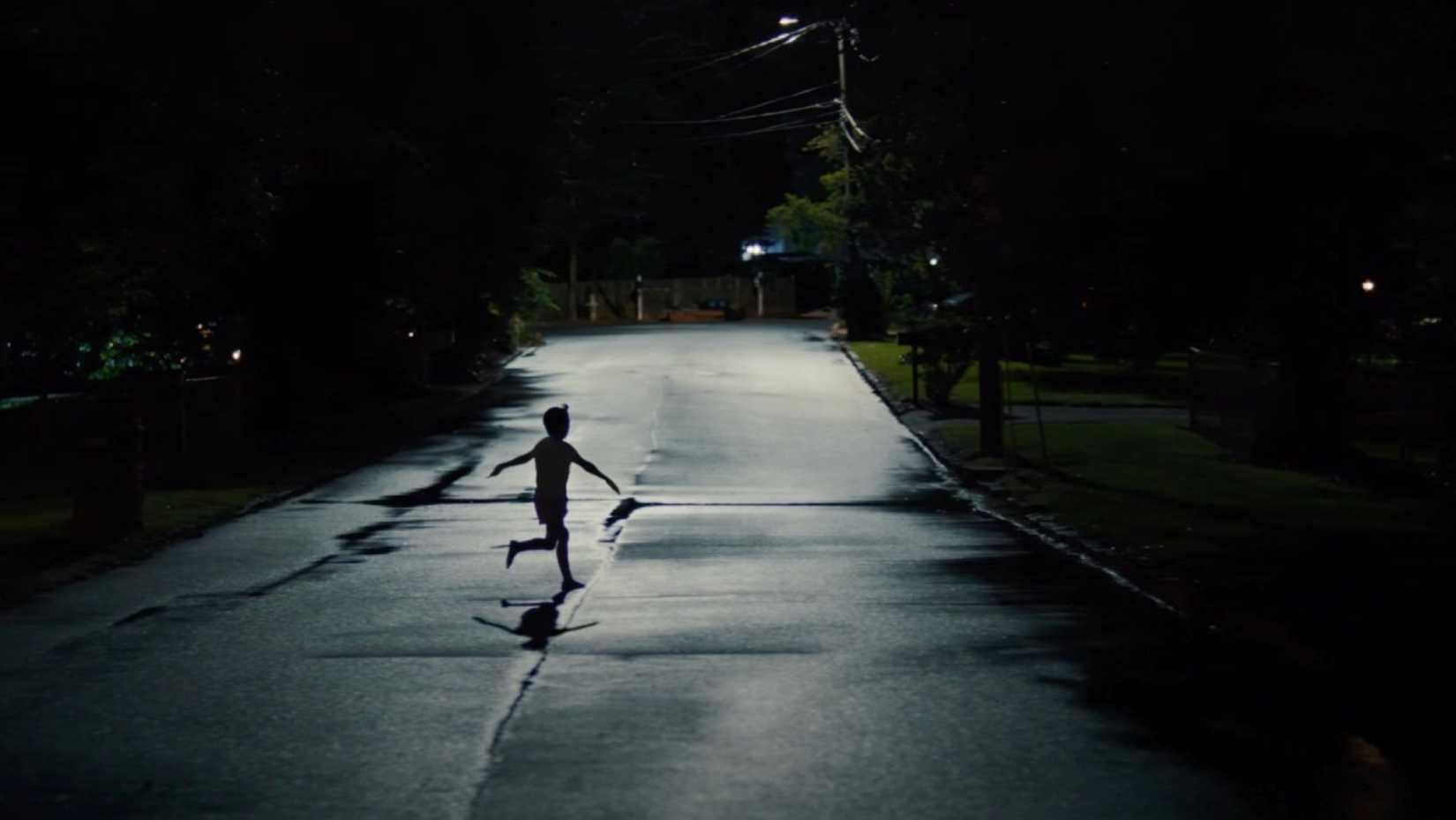
It would be enough if Weapons was just an entertaining and scary movie with a good story, which it is. But perhaps Cregger invited the backlash by seeding his film, about the abrupt disappearance of a whole elementary school class, with so much potent and allusive imagery: children running into the night, an angry school meeting, a horrifying portrayal of ageing, the trollish spectre of an assault rifle spinning in the night sky like a video game weapon pickup.
Weapons.
Image: New Line/Warner Bros.
Cregger almost makes a point of refusing to connect these dots, which may be what has frustrated some viewers. But their mysterious, disassociated quality is what gives them and the movie its unsettling power. This can be how great horror operates, too: a smoothly constructed thrill-ride giving your subconscious lots of needling little jolts. Weapons builds a picture of an unraveling, grieving society slowly peeling apart, without delivering a neat diagnosis of its ills.
Horror movies — and not just horror movies, but any movies — can be about something without having to be about something. Horror’s greatest practitioners know this, and in 2025, they demonstrated it. Sinners, Weapons, and 28 Years Later startled the genre out of a decade-long inferiority complex during which filmmakers pursued a quest for meaning that was aspirational but mechanical, and subject to a law of diminishing returns. Sure, grief can be a monster. But what if the monster was a monster, and grief was grief? Wouldn’t that be even more terrifying?