How a late-night parliamentary vote fuelled by dim sims changed voluntary assisted dying laws
Despite being the first Australian state to legalise voluntary assisted dying, Victoria had a conservative scheme that left people like Glenn Mack suffering.
How a late-night parliamentary vote fuelled by dim sims changed voluntary assisted dying laws
Eight years after becoming the first Australian state to legalise voluntary assisted dying, Victoria had a more conservative scheme than other jurisdictions that followed.
Parliamentarians had watched family and friends die painfully, heard from constituents whose loved ones starved themselves, or had chosen to die on their own terms. In 2025, after years of advocacy, Labor and the Coalition granted MPs a conscience vote to remove barriers in an overhaul of the regime.
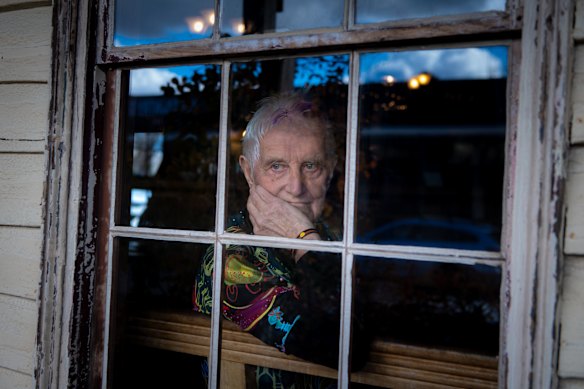
After being knocked back from accessing Victoria’s voluntary assisted dying scheme, Glenn Mack decided to end his life by not eating or drinking. Credit: Justin McManus
Glenn Mack (pictured) had earlier been knocked back from the state’s voluntary assisted dying scheme and decided to stop eating and drinking to hasten his death.
The 85-year-old was refused access because his specialist doctors were unable to say that his host of medical conditions would kill him within six months.
Loading
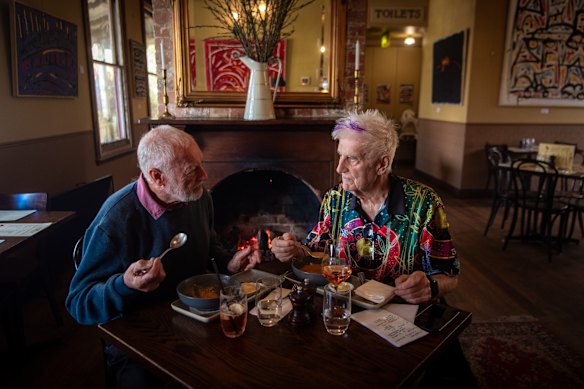
The Age sat down with Mack, sipping on a glass of rose at a pub in Trentham in central Victoria, the day before he started refusing food and fluids.
He died on July 6 after three weeks.
Three months later, Health Minister Mary-Anne Thomas would introduce amendments to loosen the scheme’s restrictions.
In late-night and emotive debates, fuelled by dim sims, parliament amended the law to allow those with a 12-month prognosis to access voluntary assisted dying.
A “gag clause” that barred doctors from initiating conversations about assisted dying with their patients was also removed, and the bill further stipulated the minimum information that health practitioners who conscientiously object will need to provide patients.
The government ultimately accepted amendments to clarify which health practitioners and nurse practitioners would be able to raise voluntary assisted dying during discussions about end-of-life care. Parliament had heard concerns the bill, if passed without amendment, would have allowed podiatrists, optometrists and chiropractors to initiate the conversation.