How artificial intelligence is driving the world’s biggest mining mega-merger
Even two years ago coal was the mining industry’s kryptonite - the dirty commodity cousin whose place in the energy mix was rapidly fading.
Opinion
January 12, 2026 — 3.43pm
January 12, 2026 — 3.43pm
The merger talks between Rio Tinto and Glencore to create the world’s largest mega-miner underline a fascinating tale of two commodities. The most sought-after metal on the planet, copper, is driving this deal but the rehabilitation of coal’s image is an intriguing sidebar.
Make no mistake, the North Star guiding this potential corporate consolidation is the prospect of grabbing a bigger piece of copper, the future-facing commodity that is fundamental to electrification, artificial intelligence data centres and the global energy transition.
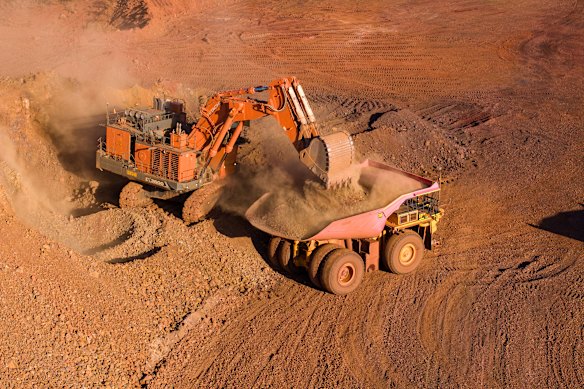
A Rio Tinto iron ore mine in Western Australia.Credit: Matt Jelonek
Copper craving was also behind BHP’s failed attempt last year to buy UK-based Anglo-American and also motivated the subsequent and successful merger of Anglo and Canadian mining giant Teck Resources.
This is also recognition that the golden era of iron ore – which has been turbocharged by decades of demand from China’s need for steel to fuel its construction binge – is giving way to copper as the fundamentally needed and sought-after commodity.
That said, it is the massive cash flow generated by Rio’s iron ore mines that will fund its push to buy or develop copper assets.
And while some may wistfully consider Rio Tinto an Australian company, the reality is that we will have even less claim to that title if this deal gets across the line.
Meanwhile, even two years ago, coal was the mining industry’s kryptonite – the dirty commodity cousin whose place in the energy mix was rapidly fading.
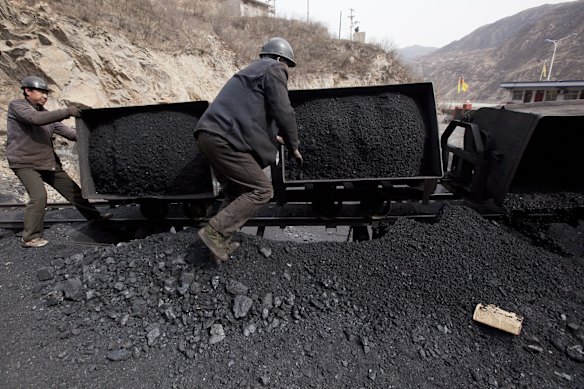
Suggestions that Rio and Glencore might retain the latter’s coal assets says plenty about how coal assets have received an application of lip gloss, partly thanks to the support from Donald Trump.Credit: Bloomberg