How Brisbane hopes to avoid a public transport gridlock on New Year’s Eve
With thousands stranded in inner-Brisbane after Riverfire this year, organisers for the New Year’s Eve fireworks event are adamant there will be no repeat.
Brisbane is set for a bumper New Year’s Eve fireworks display on Wednesday, but after spectators were left waiting up to 2.5 hours to leave the inner city following Riverfire, how do organisers expect to avoid a gridlock once the last rocket launches?
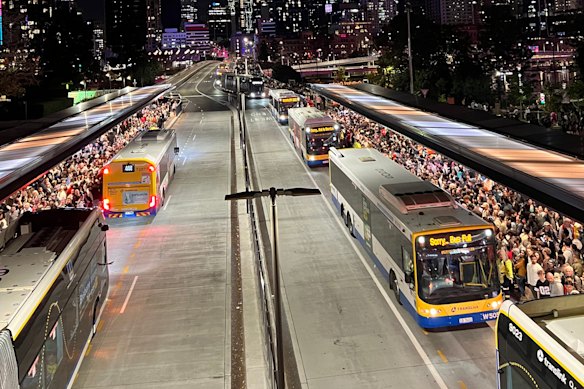
After the Riverfire show on September 7, streets and key transport routes were overwhelmed by more than half a million people attempting to leave the city.
Translink had boosted train, bus, and ferry services on the day, and made trips from select stations free from 7.30pm, after the pyrotechnical display wrapped up.
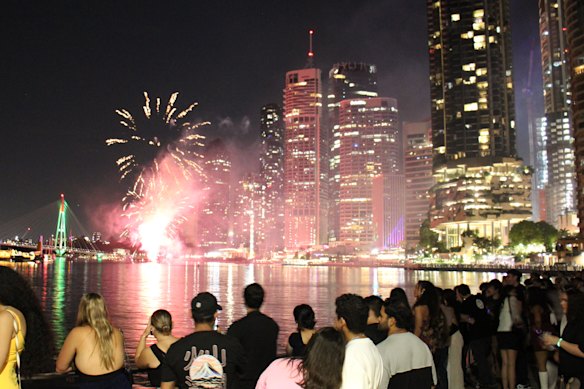
About 100,000 people are expected to attend New Year’s Eve fireworks shows in Brisbane this year.Credit: William Davis
Despite the preparations, attendees said stations and vehicles had been inundated with passengers and those waiting for their services, stopping others from reaching buses and trains at key stations.
Others who struggled to leave the city said crowds had bottlenecked though inner-city streets, many of which remained open to vehicles, while carparks were gridlocked.
However, the Brisbane City Council, which is the key organiser of Brisbane’s two New Year’s Eve fireworks shows, said it did not expect a repeat of Riverfire.
The council pointed primarily to much smaller anticipated numbers, with crowds predicted to be about one-fifth of those at Riverfire.
A council spokesperson said attendance was also expected to vary across Wednesday night, leading to staggered arrival and departure times, and therefore smaller surges on key travel infrastructure.
Loading
On Sunday, the council revealed its complete plan for the 2026 New Year’s Eve shows, adding two new drone light shows over the Brisbane River at 9pm and 11pm, between the 7.45pm and midnight fireworks displays.