How common is it to have extra bones in your skeleton?
Adult human bodies typically have about 206 bones. But is it possible to have more?
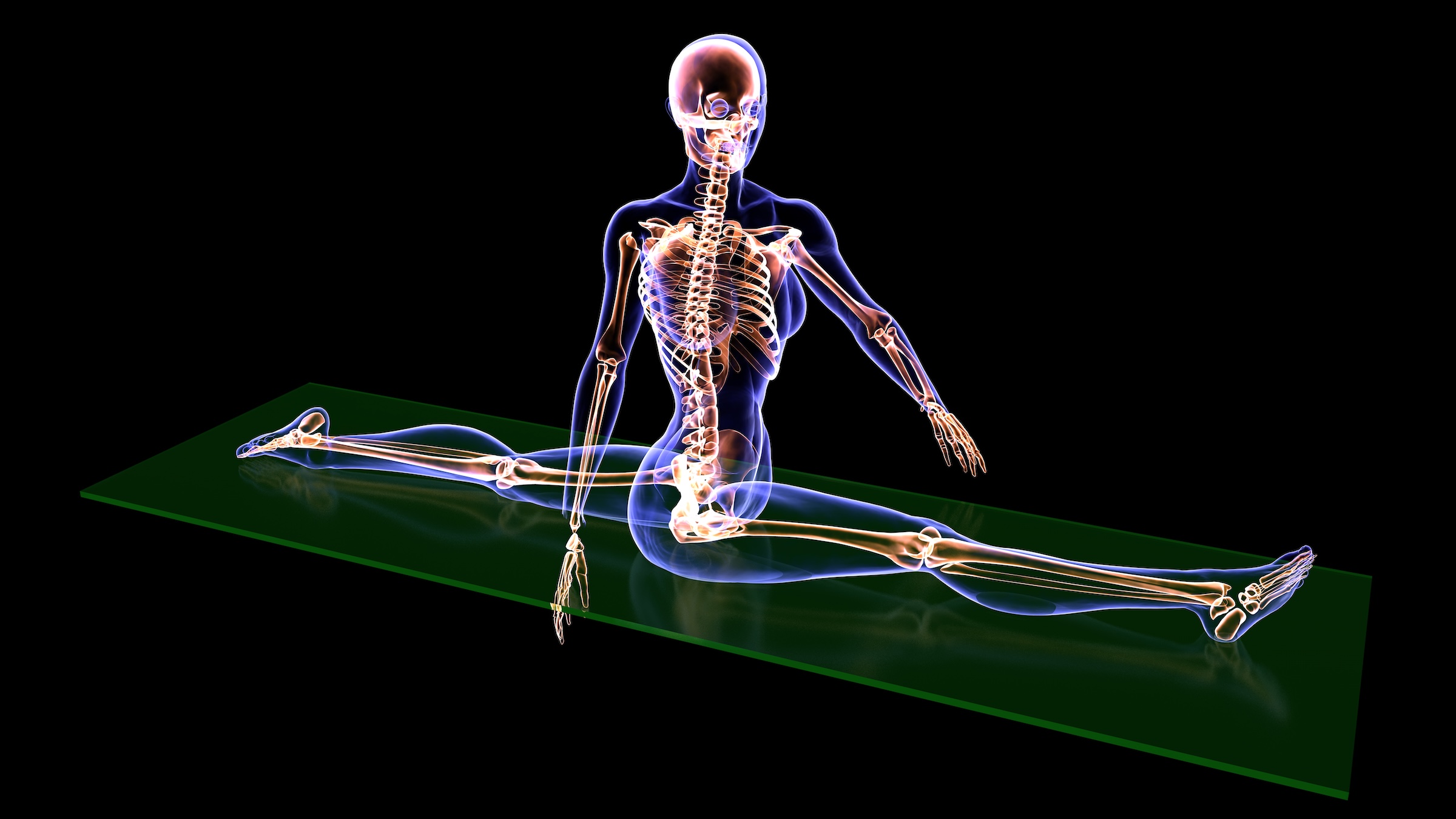
Adult human skeletons generally have 206 bones, but that's not always the case. (Image credit: Devrimb via Getty Images)
It's no secret that babies have more bones than adults: Whereas newborns can have 275 to 300, with smaller bones fusing and hardening to create larger bones as the children grow older, most adults have only 206. (Having tinier, softer bones gives babies the extra flexibility they need to curl up in the womb and make their way through the birth canal.)
But is it possible for adults to have extra bones?
However, there often aren't obvious signs that someone has more than the typical number of bones.
"It is very easy to not know that someone has an accessory bone," Dr. Vandan Patel, an orthopedic surgeon at the Institute for Foot and Ankle Reconstruction at Mercy Medical Center in Baltimore, told Live Science. Most of the time, accessory bones do not cause any symptoms. "Oftentimes, we learn that someone has an accessory bone when they have an X-ray done for something unrelated and they are found incidentally," he explained.
Even when accessory bones are seen on X-rays, they are frequently overlooked or misinterpreted as fracture fragments or age-related changes, said Eren Ogut, an associate professor of anatomy at Istanbul Medeniyet University. All in all, "studies suggest that they occur in roughly 10 to 30% of the general population," but "their true prevalence is likely higher than commonly appreciated," Ogut told Live Science.
Accessory bones are common in the foot and ankle, Patel said. The most common accessory bone is known as the os trigonum, he said. "This is seen in up to 10 to 25% of people," Patel noted. "It is located in the back of the ankle joint. It can cause pain, especially when pointing the toes and the ankle down, such as in a ballet dancer in en pointe position."
Another common accessory bone is called the os tibiale externum, also known as accessory navicular. "It is seen in up to 12% of the population," Patel said. "It is located on the inside of the foot, next to the normal navicular bone. Sometimes the navicular bone appears enlarged. It can cause pain in the arch and is often seen with flat-foot deformity."
RELATED MYSTERIES
Doctors also know about a number of uncommon accessory bones, often through studies of cadavers or medical imaging, Ogut said. One example is the os acetabuli, an accessory bone of the hip that may be associated with hip pain, he noted. This accessory bone is seen in less than 5% of the general population, Ogut noted in a 2025 review article in the Bratislava Medical Journal.
Sometimes it's possible to possess accessory ribs. Up to 1% of people have one or even two extra bones in their neck at birth known as cervical ribs, according to the Cleveland Clinic. This rare bone doesn't resemble a typical rib; it can be more vertical or diagonal instead of horizontal like the ribs in the chest. Most of the time, cervical ribs cause no problems, but they can lead to pain or weakness in the arm. In such cases, physical therapy or medicine can help. A surgeon can also remove them, as they don't serve a purpose, the clinic noted.
Human skeleton quiz: What do you know about the bones in your body?
Charles Q. Choi is a contributing writer for Live Science and Space.com. He covers all things human origins and astronomy as well as physics, animals and general science topics. Charles has a Master of Arts degree from the University of Missouri-Columbia, School of Journalism and a Bachelor of Arts degree from the University of South Florida. Charles has visited every continent on Earth, drinking rancid yak butter tea in Lhasa, snorkeling with sea lions in the Galapagos and even climbing an iceberg in Antarctica.
You must confirm your public display name before commenting
Please logout and then login again, you will then be prompted to enter your display name.