How did life begin on Earth? New experiments support 'RNA world' hypothesis
The new findings strengthen the "RNA world" hypothesis that describes how the first life on Earth could have used RNA instead of DNA.

NASA astronauts took this photo of Earth from 36,000 nautical miles away during the Apollo 10 mission in 1969. (Image credit: NASA)
RNA, which is one of life's most crucial molecules dealing with the synthesis of proteins, could be common in the universe, according to a new experiment that shows how RNA could easily have formed on Earth 4.3 billion years ago.
RNA (short for ribonucleic acid) is a simpler cousin of DNA, which is the molecule that contains the genetic information for our cellular biology. RNA comes in a trio of guises. There is messenger RNA (mRNA) that is produced from DNA and contains the genetic instructions for forming proteins. Then there's ribosomal RNA (rRNA) that creates ribosomes vital for producing proteins, and finally transfer RNA (tRNA) that does the actual synthesizing of the proteins from mRNA.
Understanding how RNA formed has, however, been challenging. What prompted RNA's ingredients to come together just so and undergo the correct series of chemical reactions? On the face of it, the odds of RNA forming just by chance seem astronomical.
So chemists look for pathways that could inevitably lead to the formation of molecules like RNA. One pathway is known as the six-step Discontinuous Synthesis Model (DSM).
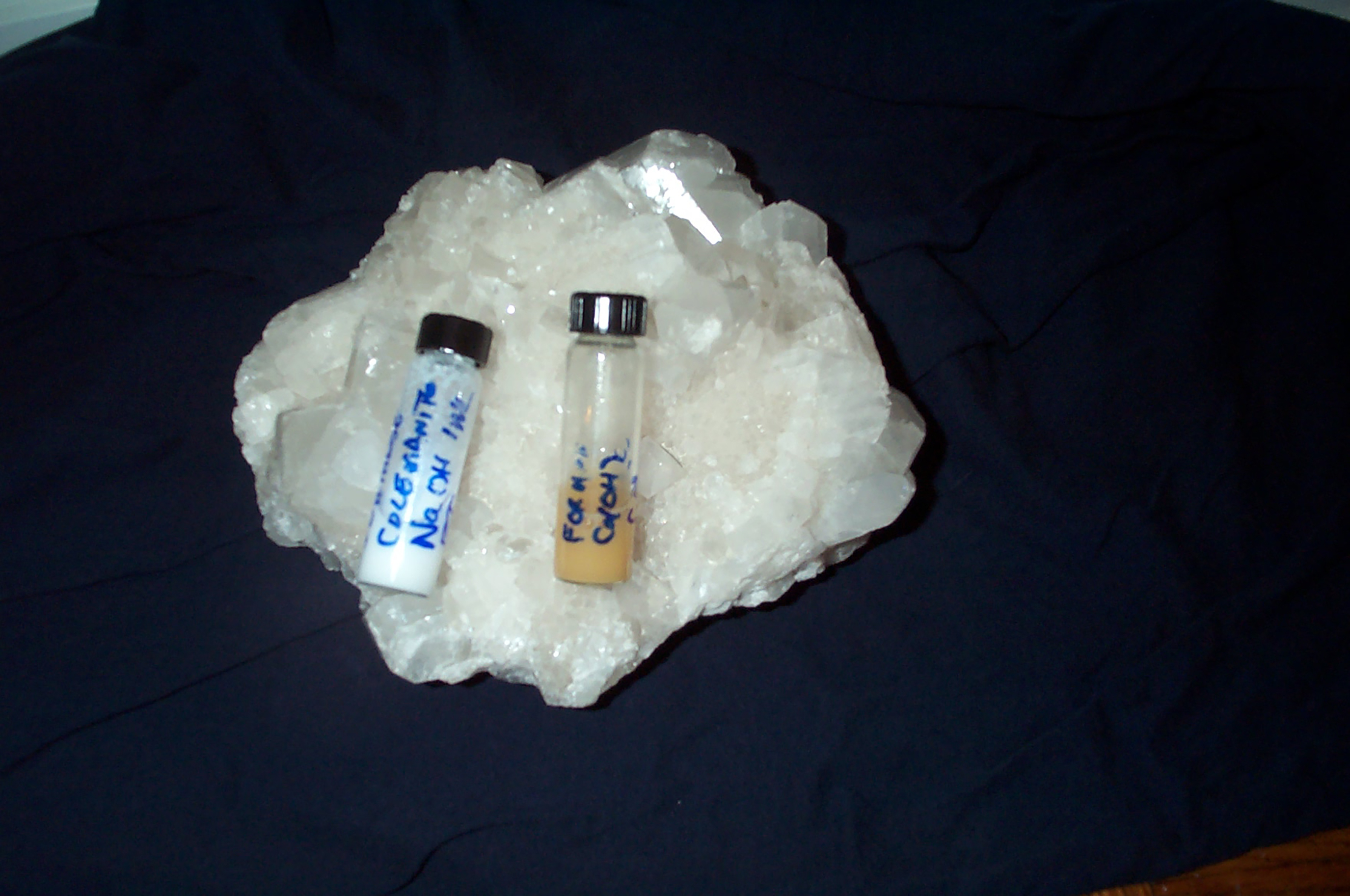
However, one of the stumbling blocks on this pathway is borate, which is a family of common compounds found in seawater. Borates are oxyanions; if ions are atoms or molecules that have a positive electrical charge, then anions have an overall negative electrical charge. Further, borates contain atoms of both boron and oxygen. The problem is that it had been thought that borates hinder some of the reactions on the chemical pathway to RNA.
Now, a team of biochemists led by Yuta Hirakawa of Tohoku University in Japan and the Foundation for Applied Molecular Evolution in Florida say that chemists have been getting it wrong and that borates are actually beneficial to the formation of RNA.
Breaking space news, the latest updates on rocket launches, skywatching events and more!
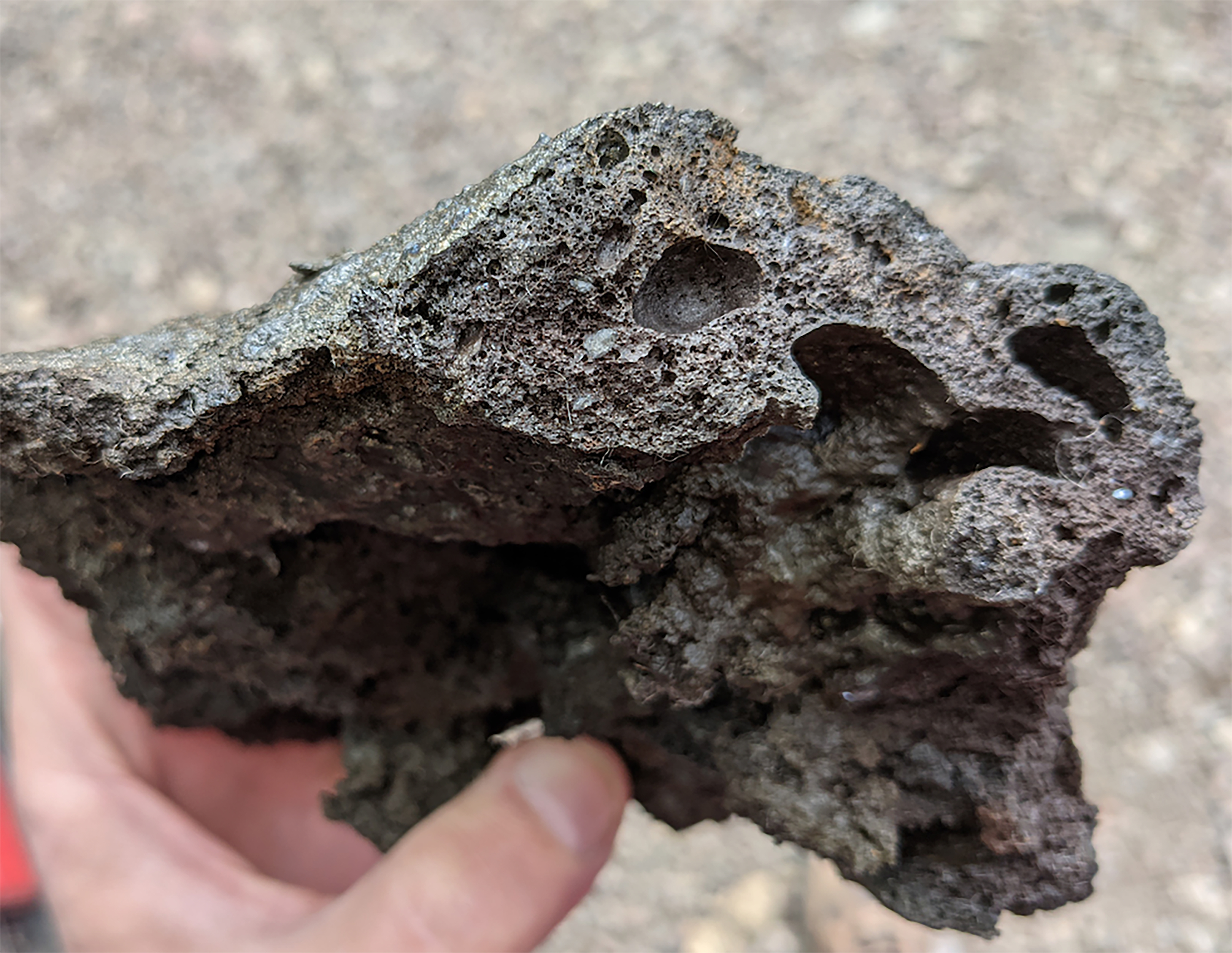
Hirakawa's team performed experiments in which they added the ingredients of RNA — the five-carbon sugar ribose, phosphates and the four nucleobases used by RNA (adenine, guanine, cytosine and uracil) — to a mixture that also included borates and basalt. They then heated the mixture and allowed it to dry out, mimicking conditions that they argue would have been common around underground aquifers on the early Earth.