Huge ice dome in Greenland vanished 7,000 years ago — melting at temperatures we're racing toward today
Scientists drilled to the bottom of Greenland's 1,600-foot deep Prudhoe Dome and found it disappeared in the early Holocene, when temperatures were close to what we're predicted to reach by the end of the century.
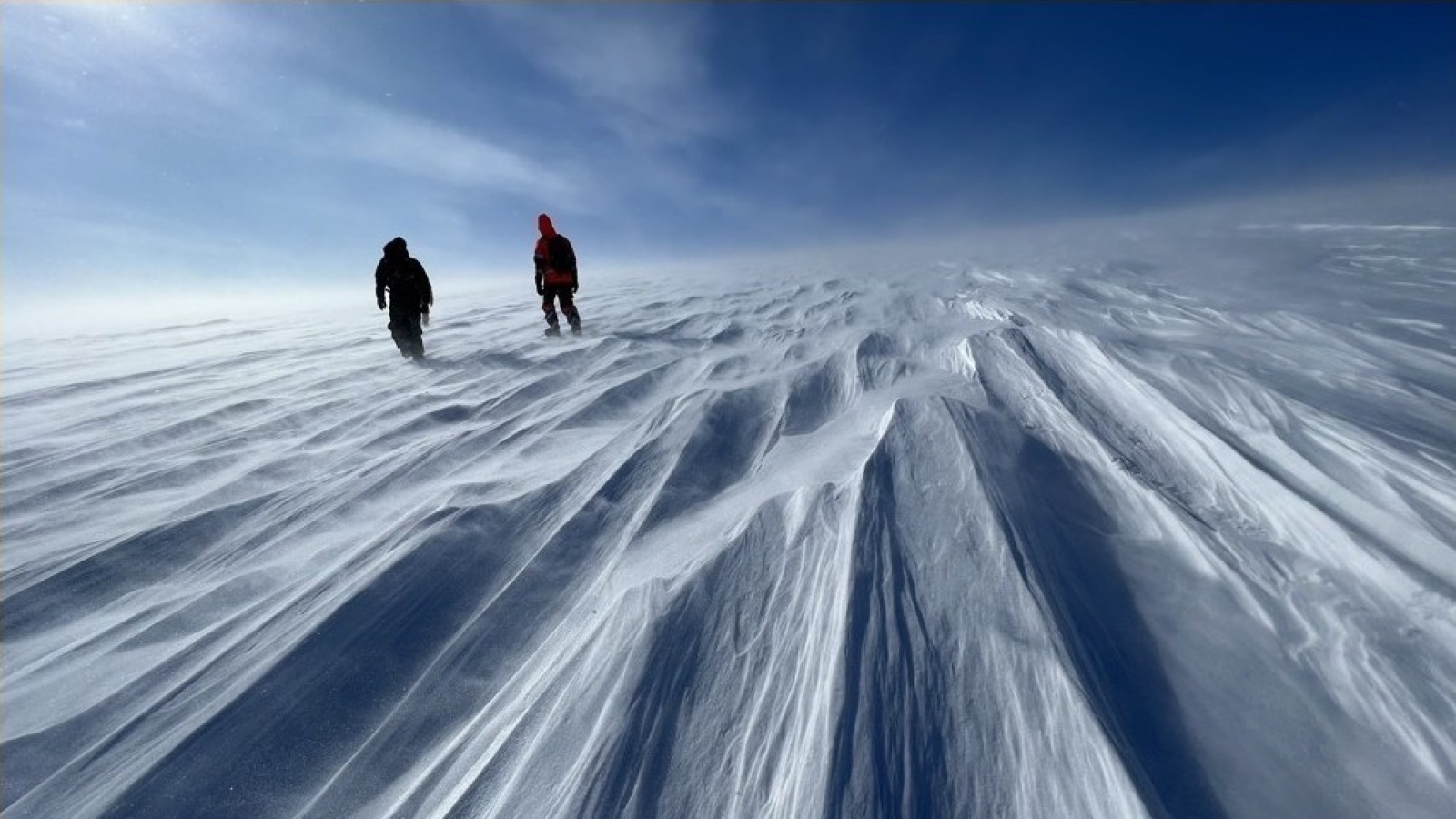
The scientists drilled down to the bedrock beneath the Prudhoe Dome on the Greenland Ice Sheet to find out when the region was last ice-free. (Image credit: Jason Briner/University at Buffalo)
Part of the Greenland Ice Sheet completely melted about 7,000 years ago at temperatures close to those predicted for the end of this century, and it could have big implications for future sea-level rises, according to a new study.
The Prudhoe Dome, now a 1,640-foot (500-meter) thick ice cap covering 965 square miles (2,500 square kilometers) of northwestern Greenland, melted under the warmer temperatures of the early Holocene, exposing the sediment beneath.
"When all you see is ice in all directions, to think of that ice being gone in the recent geological past and again in the future is just really humbling," lead author Caleb Walcott-George, a geologist at the University of Kentucky, said in a statement.
After the end of the last ice age about 11,700 years ago, temperatures at Greenland climbed to higher than current averages, leading to widespread ice melting. But the effects of the changing climate on the extent of the ice sheet are difficult to determine, since much of the evidence that points to ice coverage — or lack thereof — during the Holocene is buried beneath existing ice today.
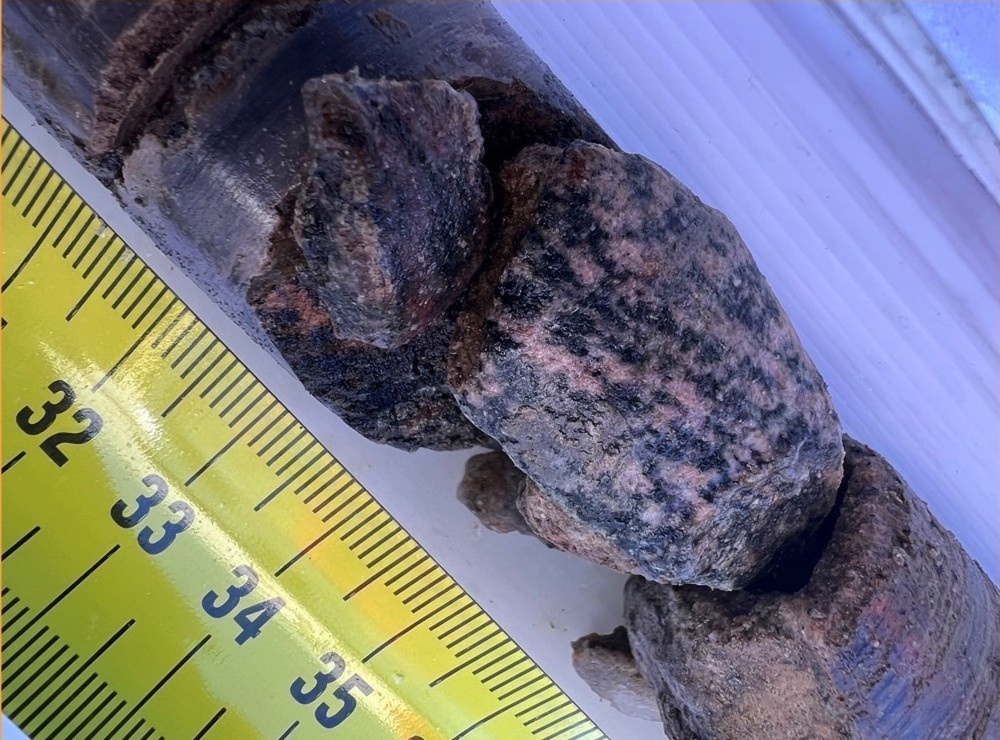
The bedrock core revealed the Prudhoe Dome completely melted around 7,000 years ago. (Image credit: Jason Briner/University at Buffalo)
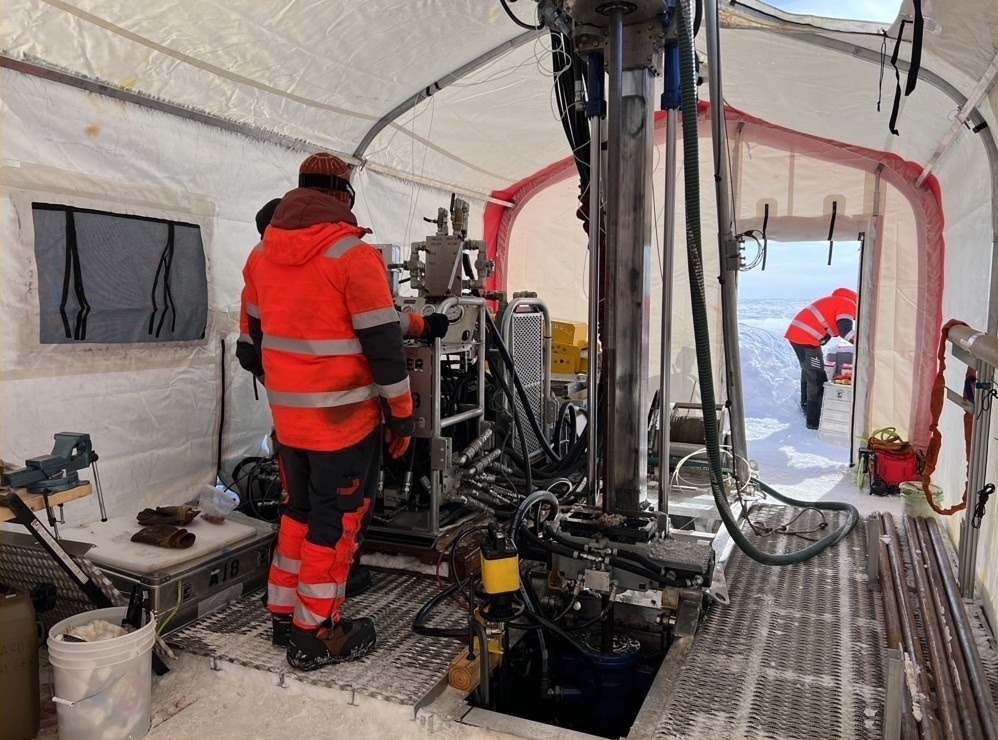
In the new study, published Monday (Jan. 5) in the journal Nature, scientists drilled through the Prudhoe Dome to collect sediment from beneath the ice sheet. Then, they used infrared light to measure how long the sediments had been buried under the dome without being exposed to sunlight.
The sediment last saw the sun about 7,100 years ago, the team found. That means that the ice must have fully melted at that point in order to expose the dust and rock underneath. Chemical signatures in the ice column suggest that none of the ice was left over from the last ice age, and that the dome fully melted and reformed in the years since.