I finally fixed my home audio setup using a roomEQ kit – here's how you can too
Want to really hear what your home audio setup can do in 2026? I tried using a room correction kit, here were the results.
(Image credit: Future / Andrew Williams)
You can spend as much as you like on speakers and amplifiers, and still have your sound held back by pesky old physics.
Very few of us live in recording studios, and many of us can’t or don’t want to start putting carpet on the walls to get the same sound-dampening effect. Most rooms that are home to decent speakers have no sound treatment at all. If you live with a partner, you may well be lucky to be allowed those speakers at all.
It can be hard to tell whether the issues you’re hearing are due to the room or the speakers. This is one reason I’ve always preferred reviewing headphones to full-size speakers. There’s more of a level playing field.
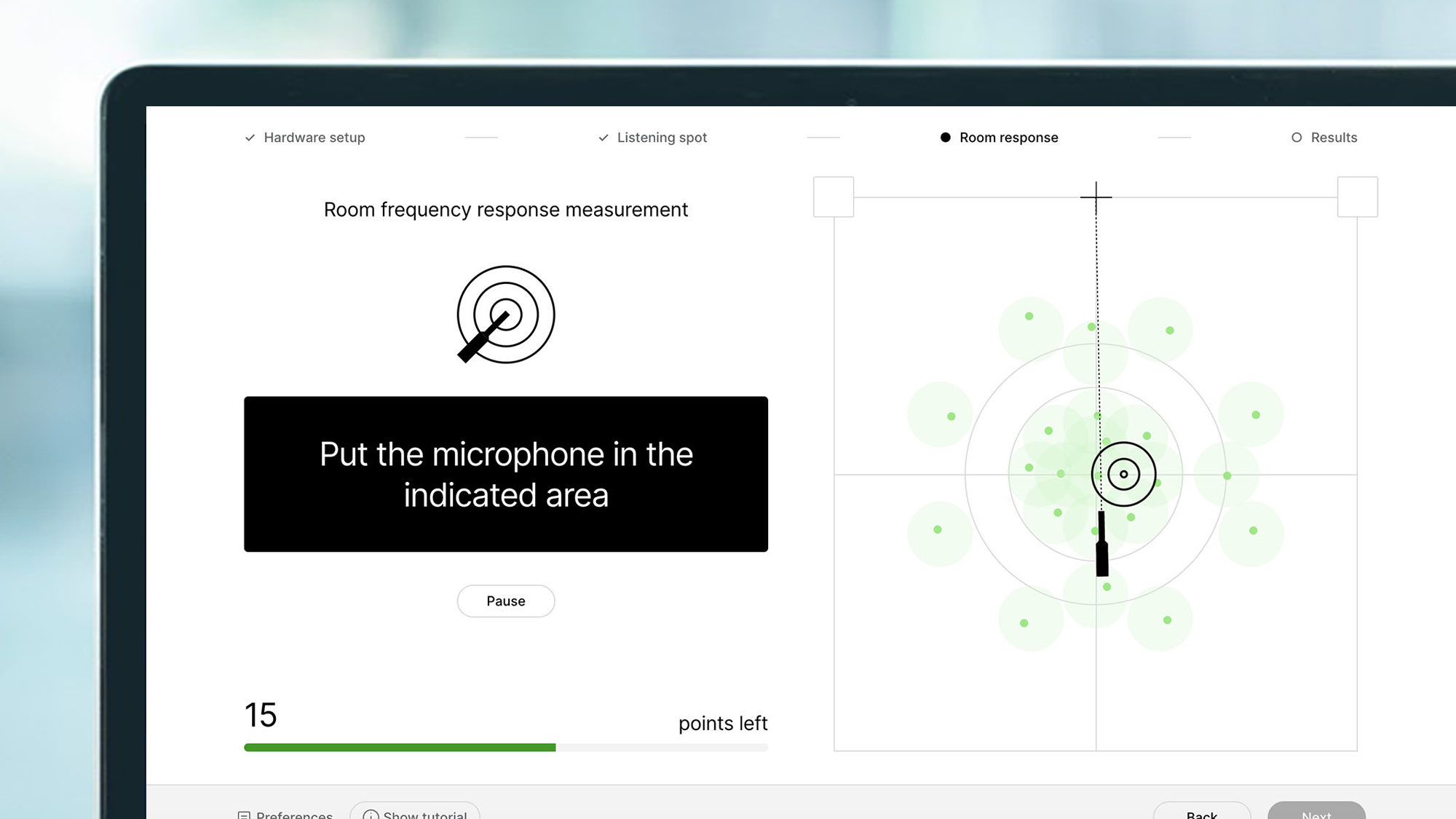
But if you want to really hear what your home audio setup can do in 2026, an audiophile remodel isn’t the only solution. You can also try room correction, a form of equalization that attempts to counter the effects your room is having on the sound you actually hear.
You don’t necessarily need to change your current setup either. You can use a standalone room correction box instead – which is what I recently did, with impressive results.
Cheat your way to perfection
(Image credit: Future/Andrew Williams)
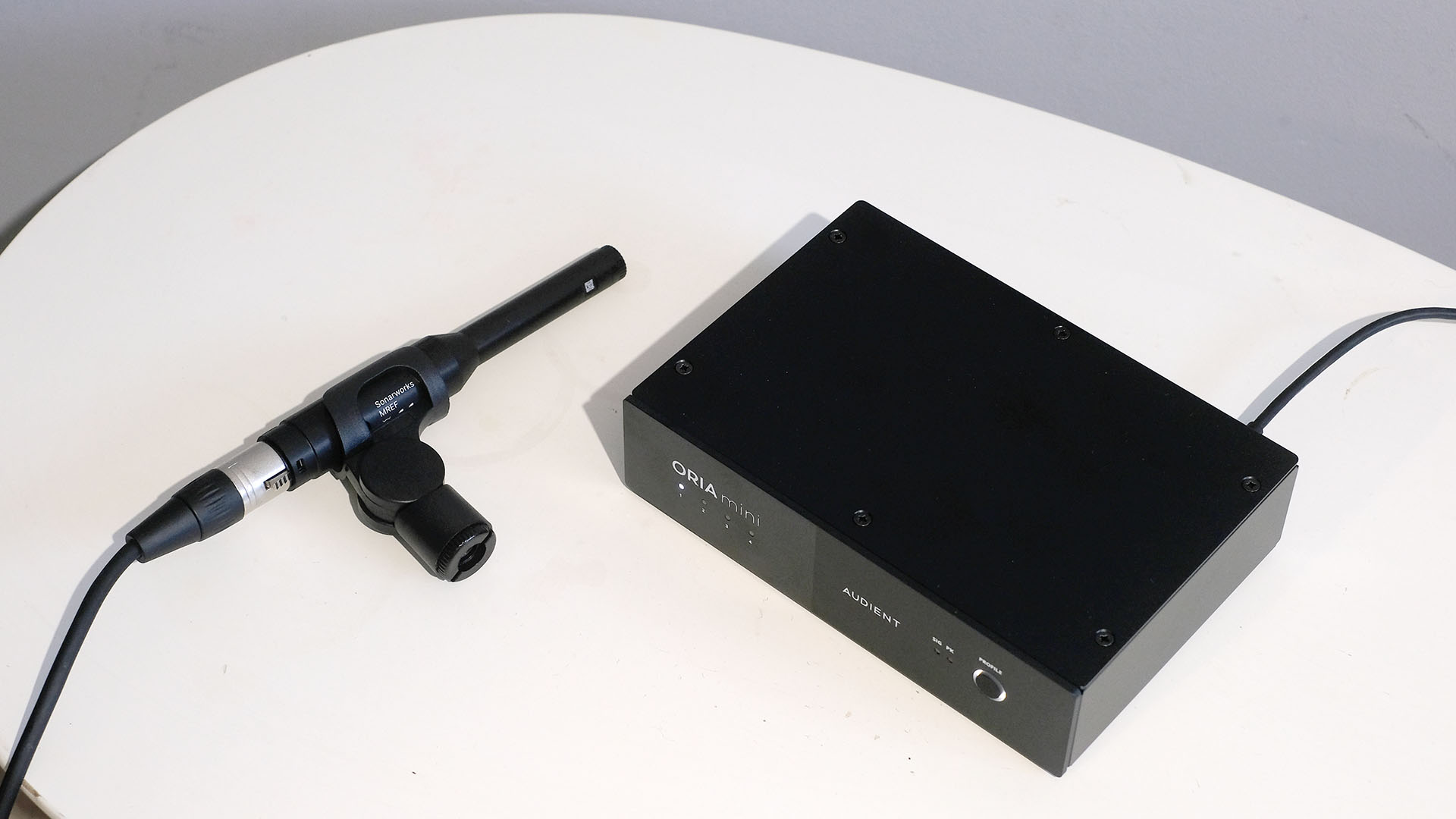
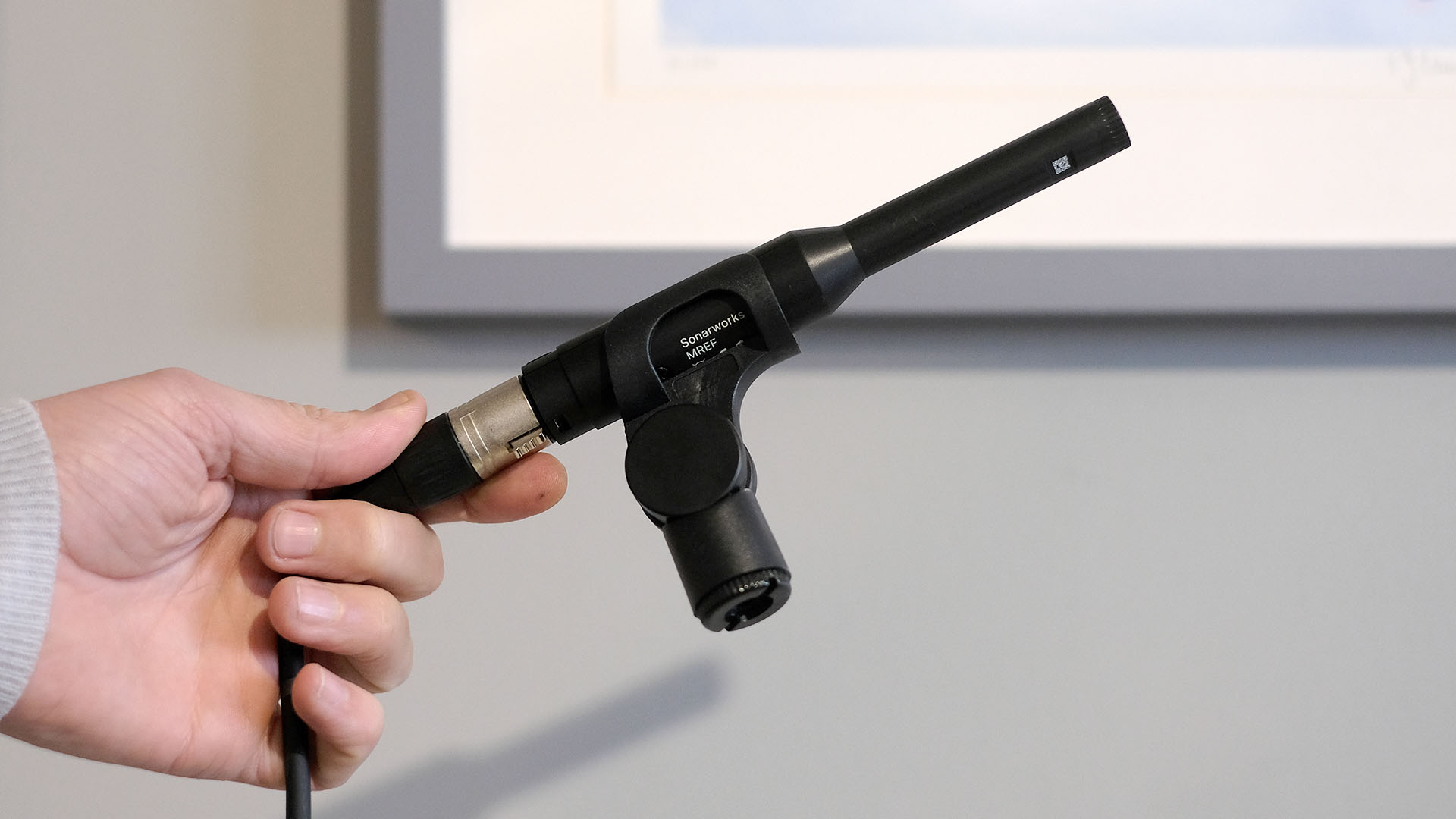
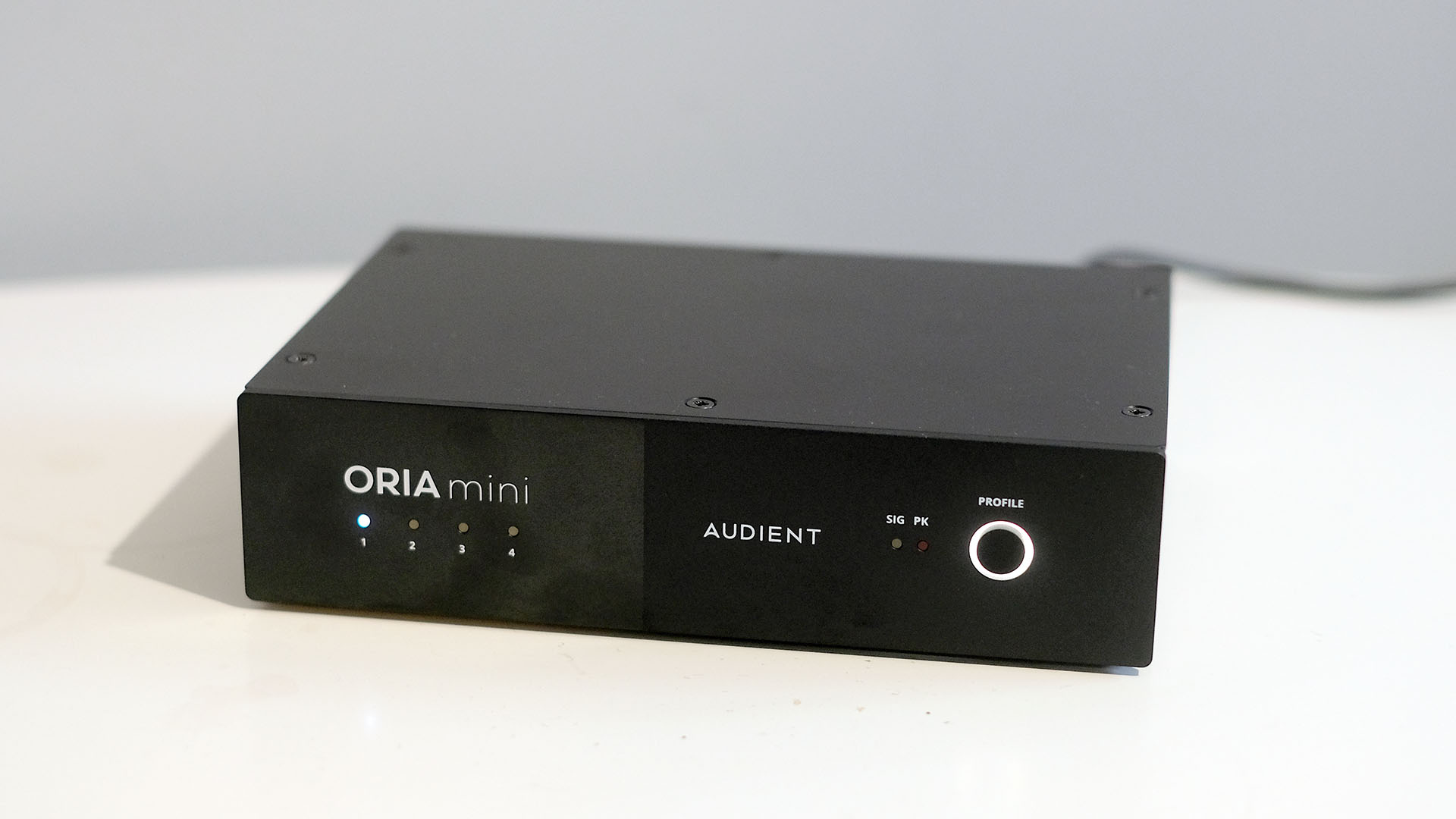
One solution comes from home studio and pro audio specialist Audient, the Oria Mini ($299 / £249 / AU$479). It’s a little middle-man box that sits between your music source and your speakers, and is designed to slot into most setups with no headaches.
Sign up for breaking news, reviews, opinion, top tech deals, and more.
The one snag is that it’s really made for studios, home and pro, rather than someone’s living room – and is primarily for stereo setups, with or without a subwoofer. There’s nothing stopping you from using the Oria Mini for classic home speakers, though.
Just make sure you have the right cable for the job. It has 6.35mm inputs and outputs (plus an optical input), so if you pick up a dual TRS 6.35mm-to-phono cable or two from Amazon, you’ll be good to go.
(Image credit: Future/Andrew Williams)
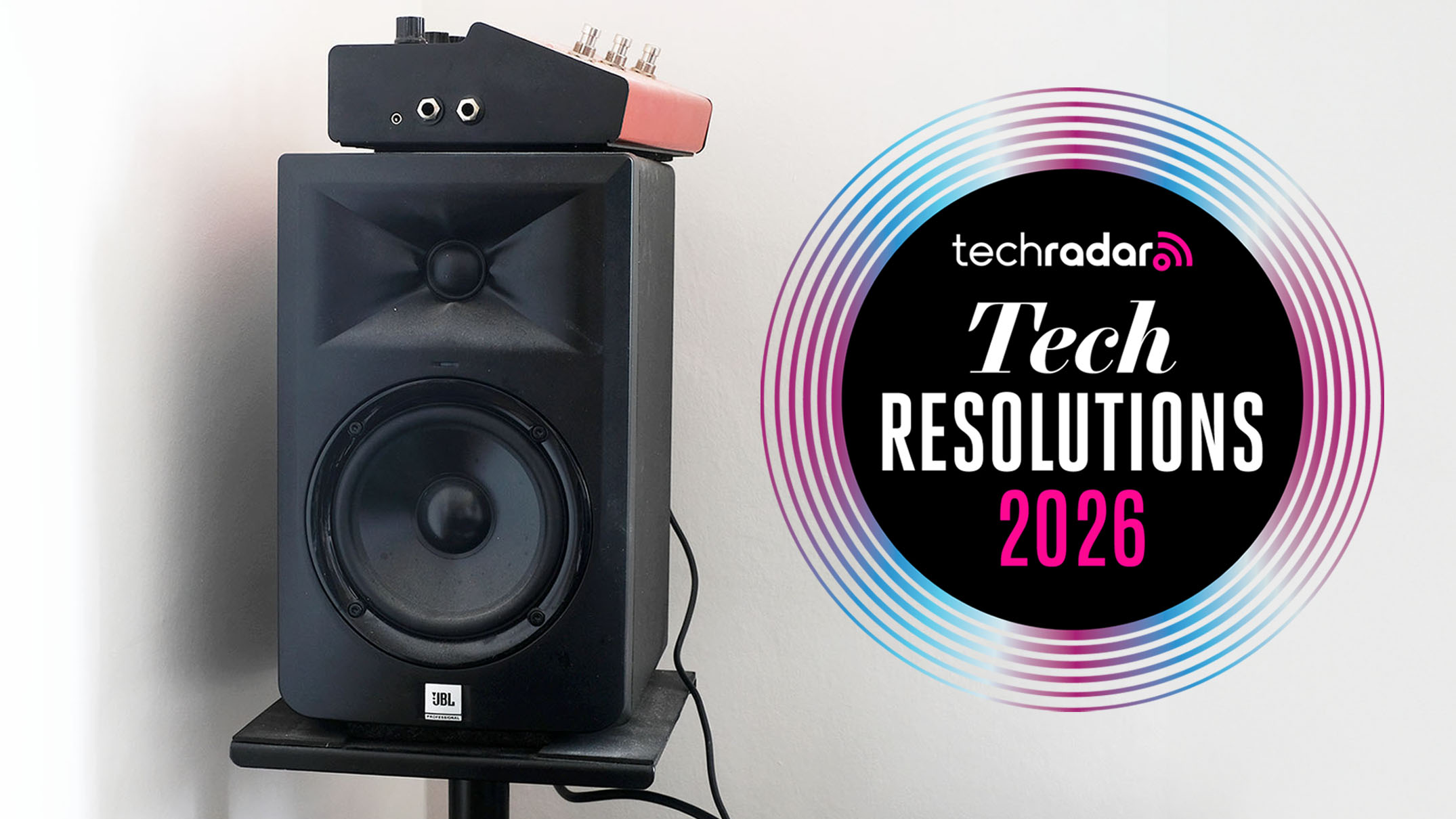
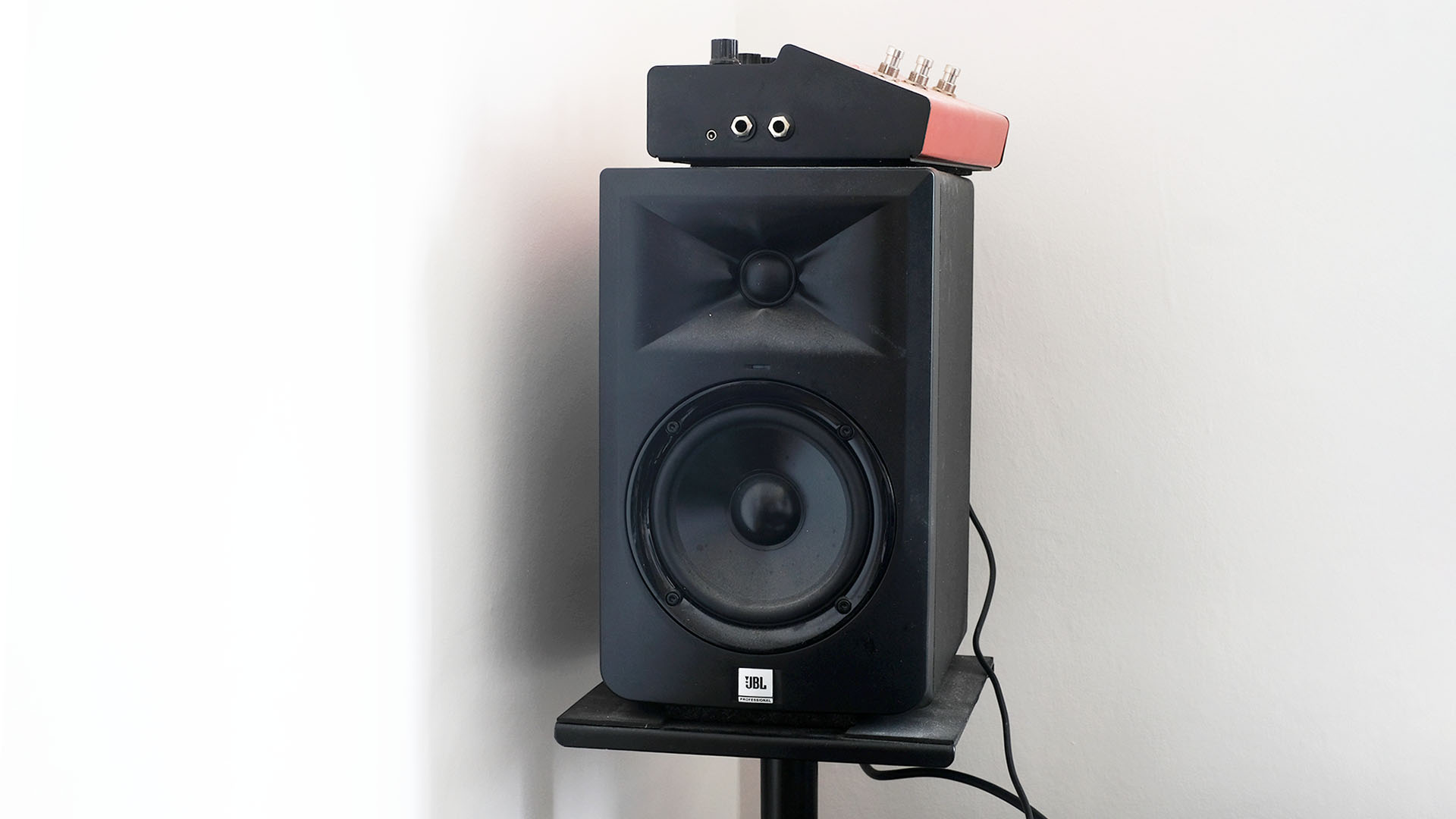
But I actually have a humble home studio setup, so I used that for my first test of this hardware rather than involving my home cinema gear. I have a pair of cheap-but-effective JBL LSR305 monitors, powered speakers that can plug directly into the Audient Ora Mini over a 6.35mm connection.
The annoying part of these speakers is that they are rear-ported. And like most folks who live in humble apartments, I don’t really have the room to give them quite the space they need to breathe at the back. Bad news for fans of clean bass. They also live in a room and are so prone to emphasizing bass boom that I’ve had to stop doing any serious listening in it.