I got these tiny snore-masking buds hoping for better sleep, but now I wear them for walking and yoga too
SOURCE:TechRadar|BY: Becca Caddy
The Soundcore Sleep A30 are built to help you sleep better, but the reason I’ve come to rely on them has nothing to do with bedtime.
(Image credit: Future)
The Soundcore Sleep A30 are, as you can tell from their name, billed as sleep earbuds. They’re designed to help you drift off more easily, mask snoring and stay comfortable all night.
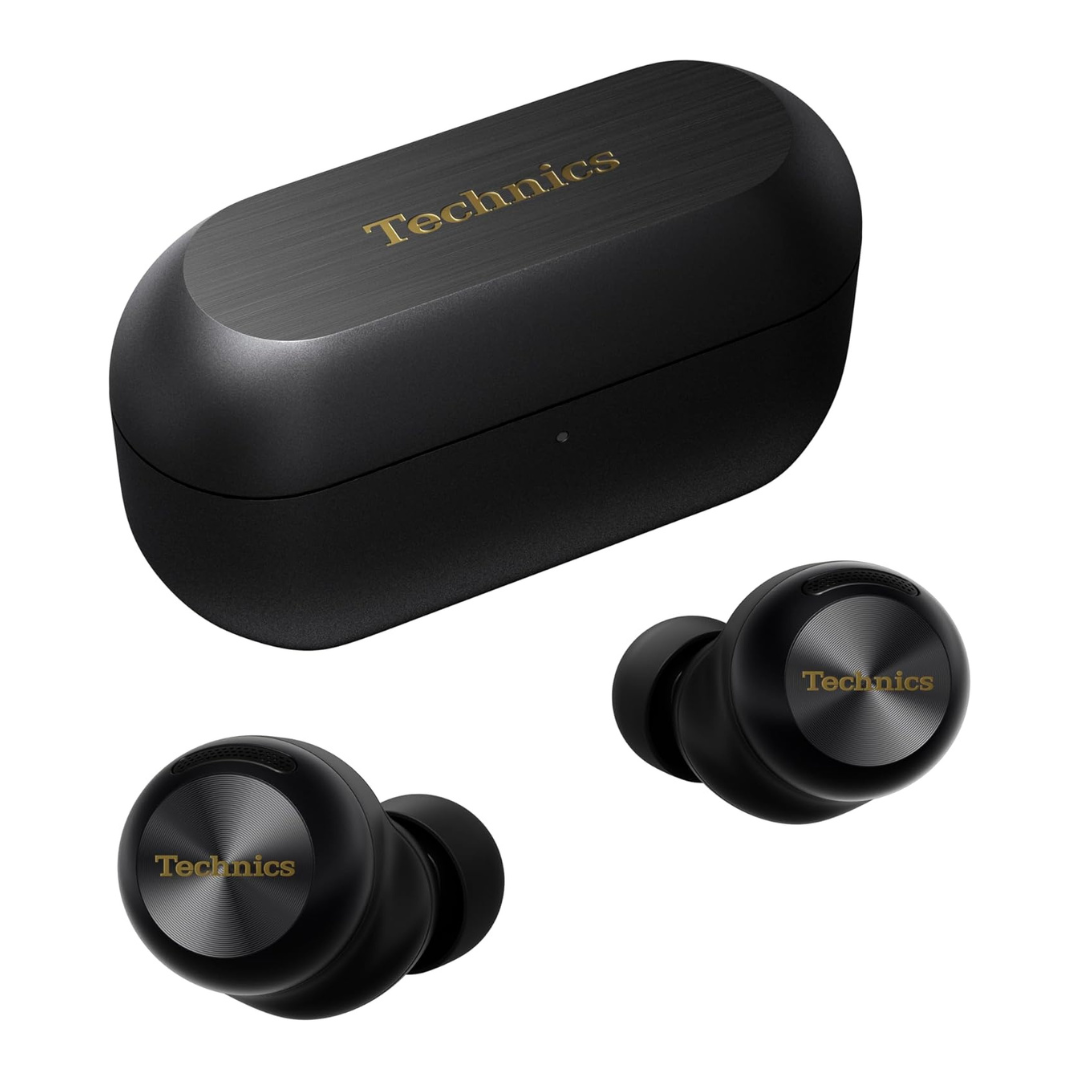
But they’ve become my go-to earbuds over the past few months. And because I review audio gear for a living, that's not something I say lightly. Most earbuds pass through my life briefly, then move on. But these didn't. They stayed on my desk, in my bag and in my ears more often than I expected – and let me be clear: I was often wide awake.
They’re not the most impressive-sounding earbuds I own, and I have access to plenty of others (see above, and what I do for a living). Yet these tiny less-than-perfect buds have turned out to be perfect for me, and here's why.
(Image credit: Future)
It's all about the design
Earbuds like these tend to get boxed into a single use case. You’re meant to think of them only at night, only in bed, only when something has gone wrong with your sleep. But that framing undersells them. Because in day to day life, their biggest strength is simply how small, comfortable and unobtrusive they are.
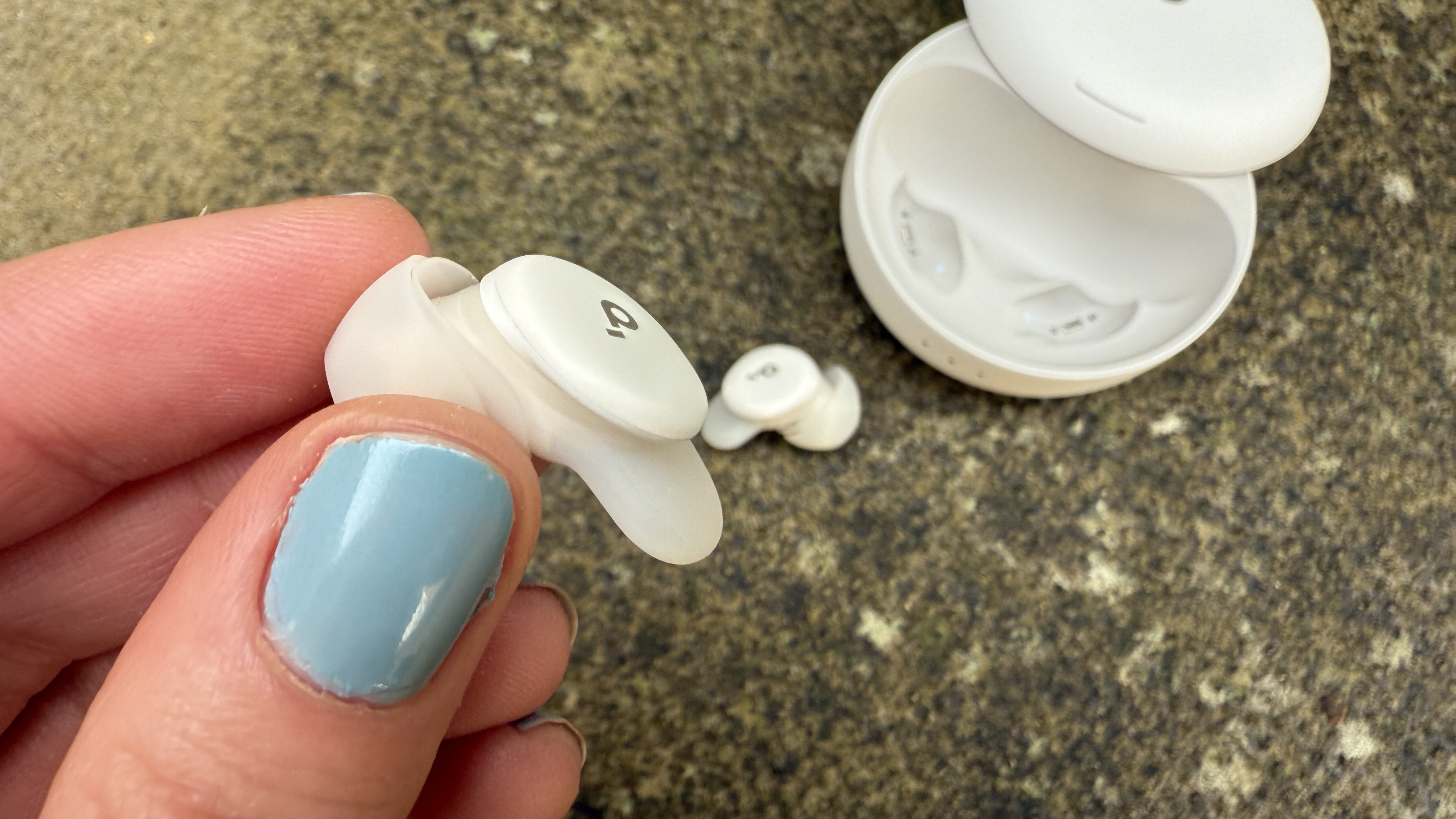
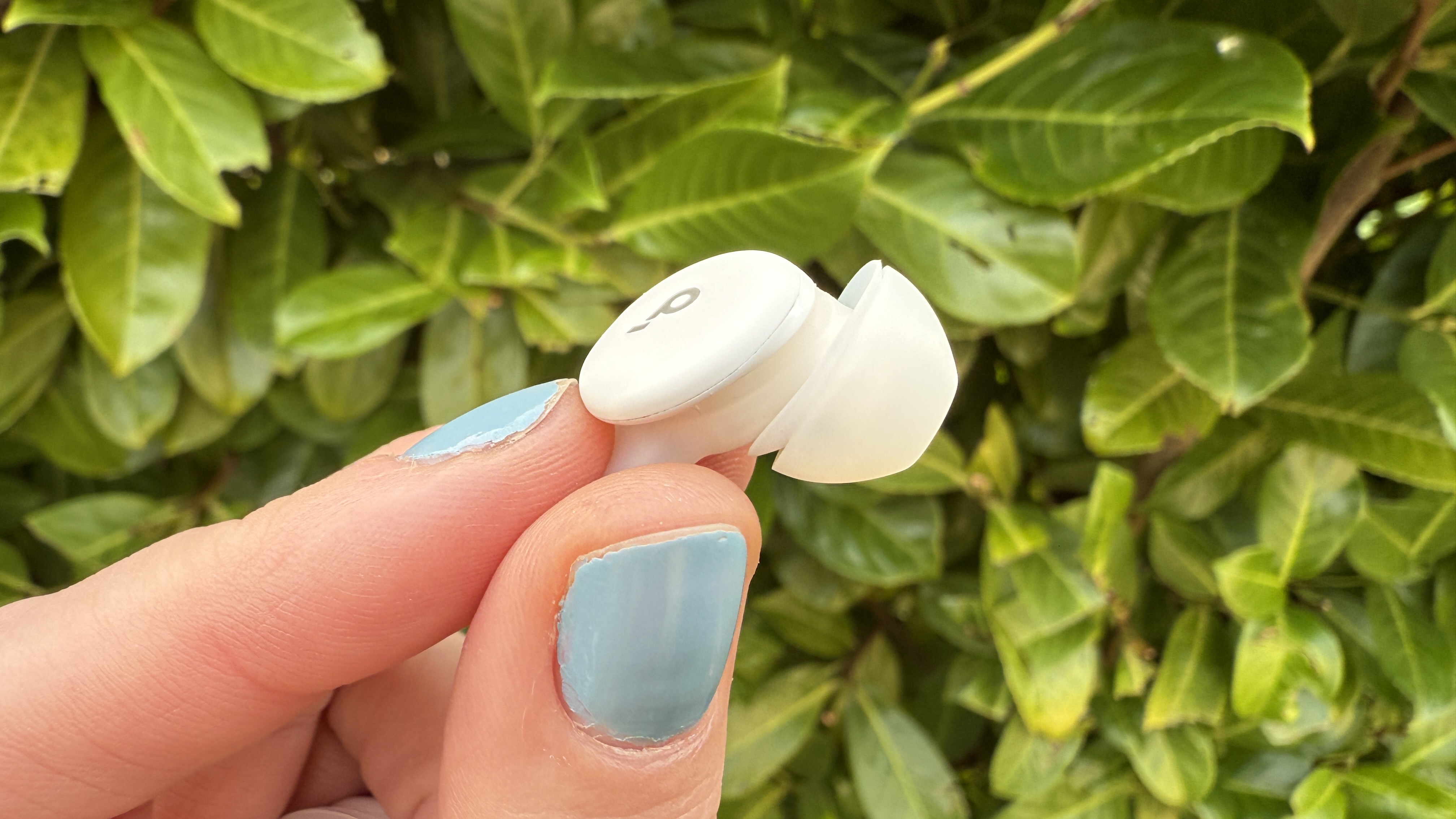
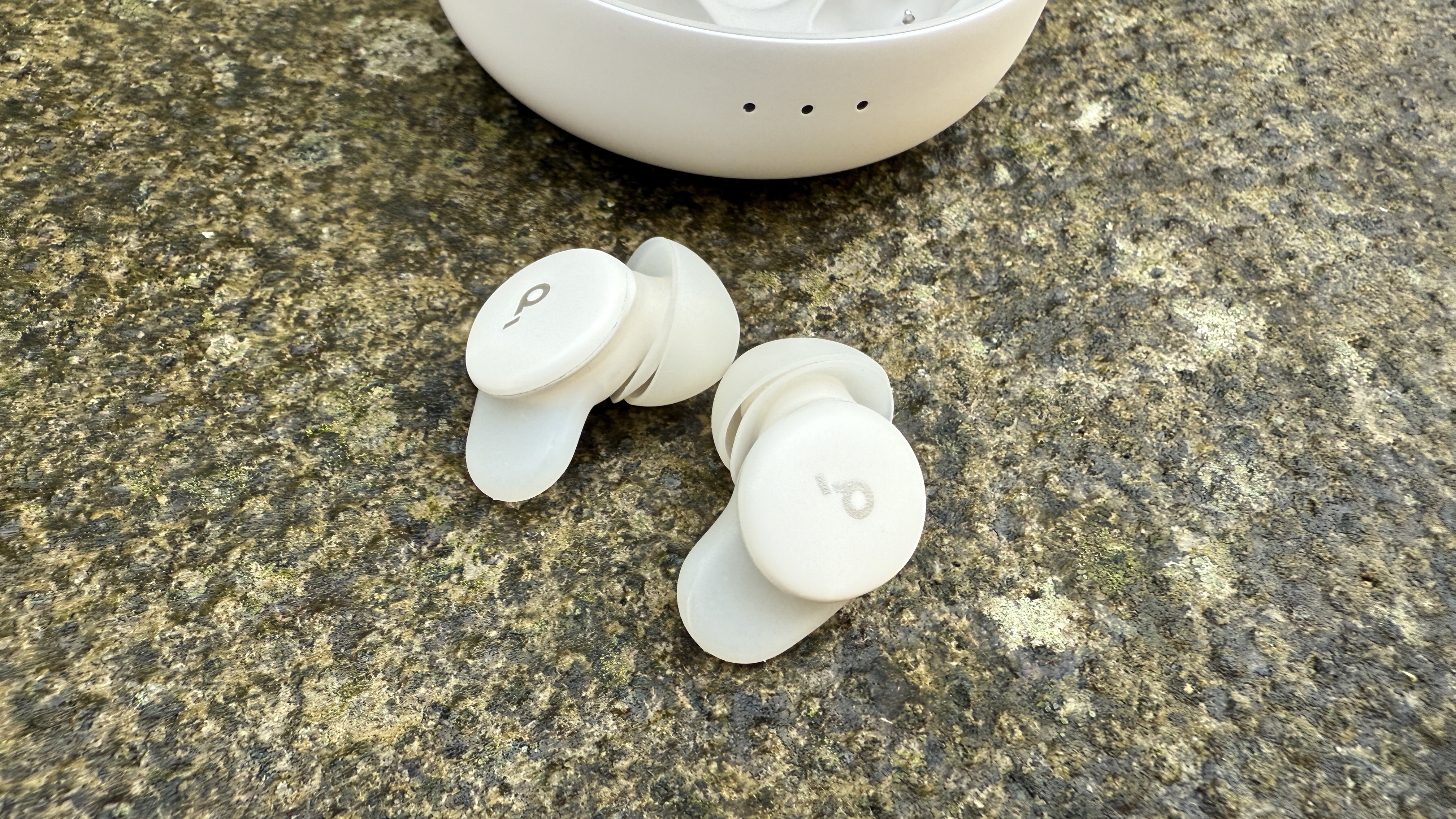
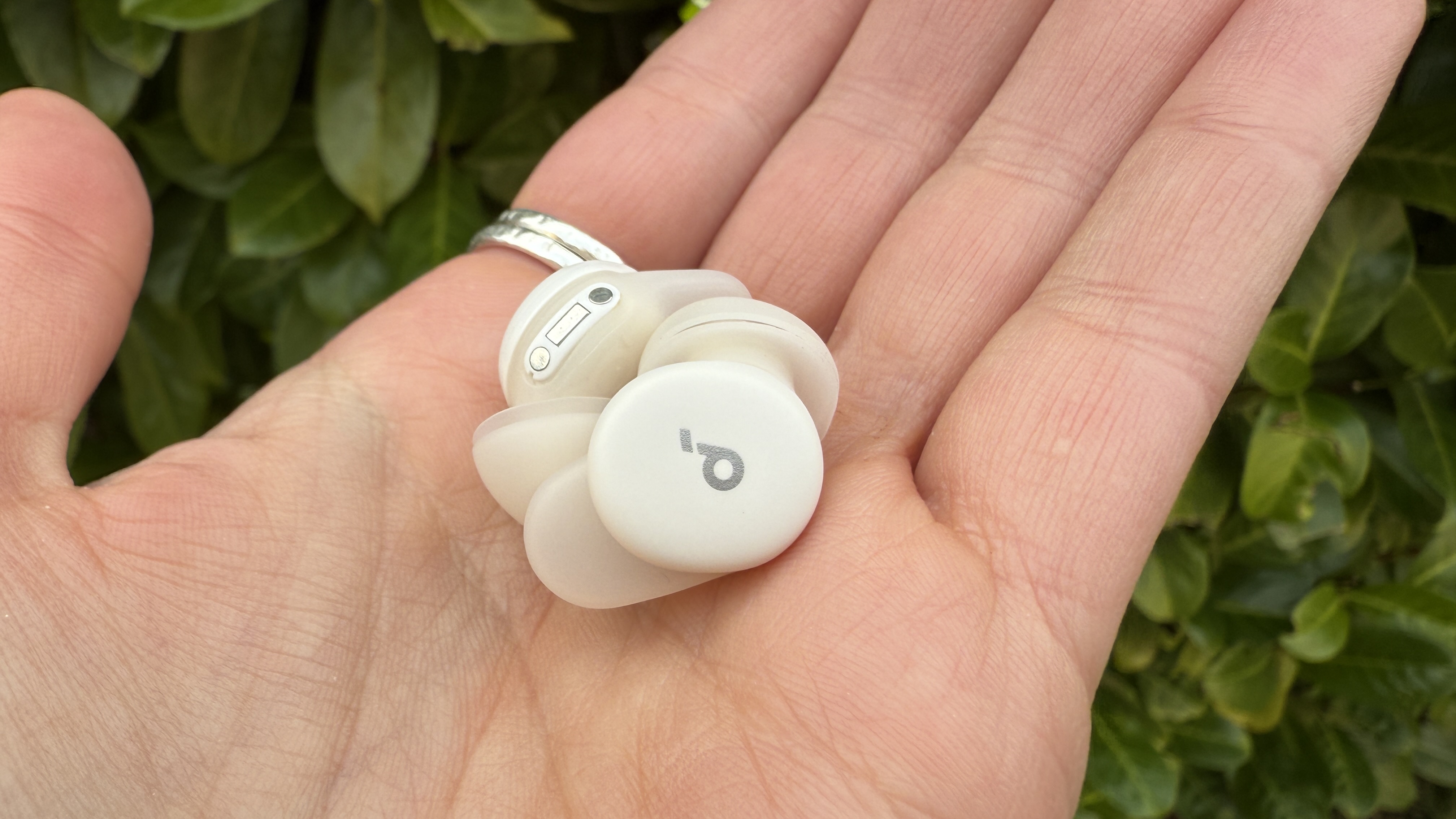
Because they’re engineered for sleep, they’re small, light and secure in a way that most true wireless buds aren’t. A tiny stability wing (of which there are several sizes to choose from) tucks neatly into the outer ear, locking the bud in place without pressure.
The result is a fit that feels considered and not at all intrusive. It's subtle but makes a big difference when you're wearing them for long stretches.
(Image credit: Future)
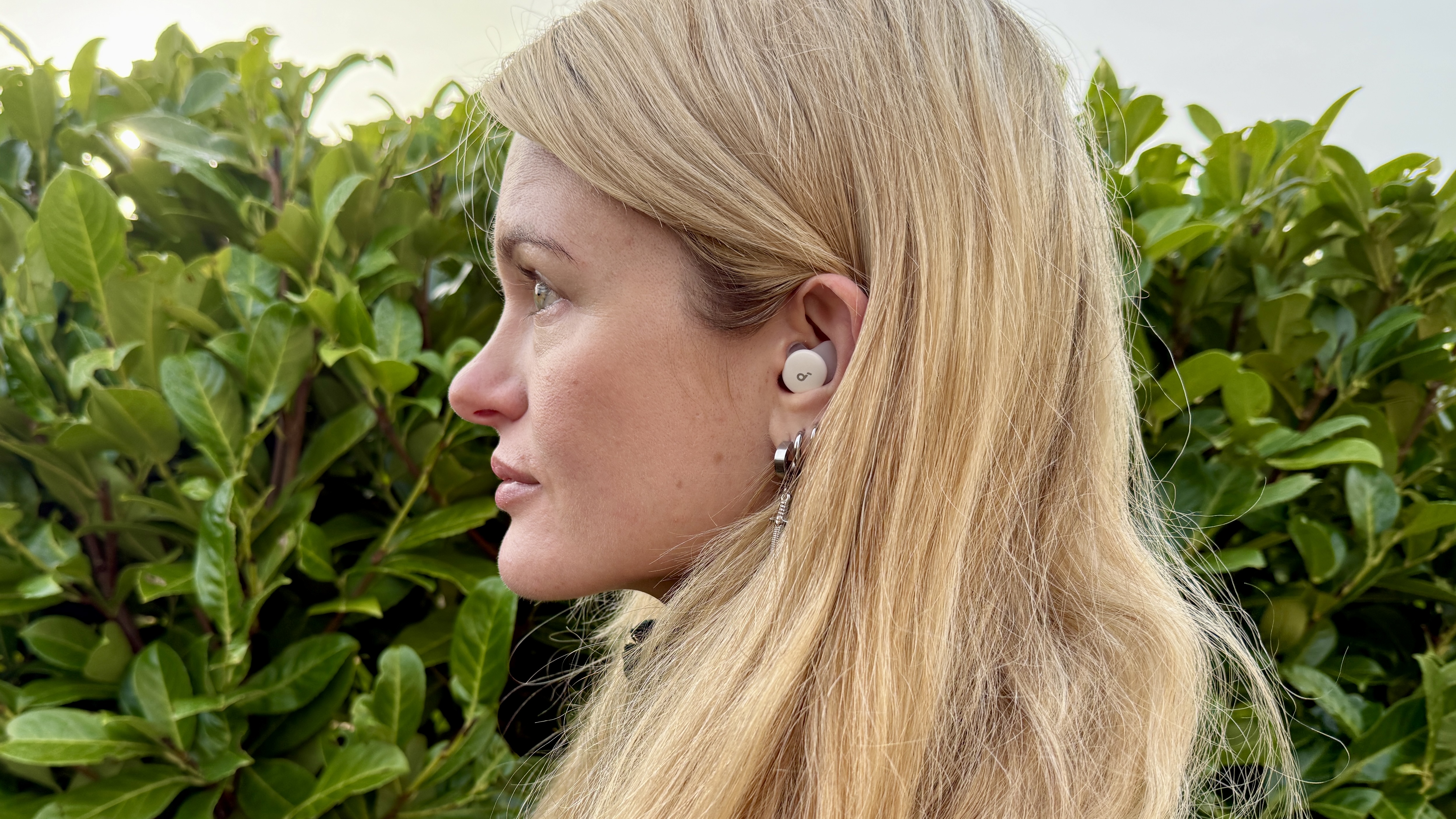
They're noticeably lighter than most earbuds I own, and it's the kind of difference you immediately feel. The main body is so low-profile they sit like tiny buttons in your ears, instead of jutting out. That matters for sleep (especially those of us who sleep on our sides), obviously. But it also mattered far more during the day than I expected.
Sign up for breaking news, reviews, opinion, top tech deals, and more.
I’ve got awkward, small ear canals and I’m fussy – if something feels unstable, it’s out within seconds. But these stay put through pretty much anything.
Yes, comfort is the obvious win here. But the real surprise has been how that comfort spills over into everything I do during the day, too.
I have thick hair, I live in woolly hats at this time of year and 50% of the time I wear glasses. Big over-ears are a no-go with glasses, a hat and a hood in winter. Even streamlined buds can snag on my hair or jut out just enough to feel irritating under a hat. But these don't.
Their low profile means nothing catches on them. Not hair, hoods, glasses or scarf fluff. Once I realized just how secure they are, I started wearing them for walking, working, even running, yoga sessions and handstand practice – whatever I do, they stay secure.
I never would have pointed anyone towards sleep-focused buds as workout companions, but the fit has been that reliable for me.
(Image credit: Future)
Quietly capable sound
Sound isn't the headline feature here, and that's okay.
I wouldn't reach for them if I wanted to sit down and really listen to one of my favorite albums at home. But for quieter listening, think podcasts, audiobooks, meditation tracks, they're clear, comfortable and easy to live with.
During the day, that translates well enough for walks, workouts and background listening when I'm writing. Bass is a little flat and the soundstage can feel pinched, but for everyday listening, especially on the move, I've never felt short-changed.
(Image credit: Future)
Battery, sleep tools and smart touches
As you'd hope, the sleep features here are really extensive. I don't use them for sleep now as I use them for walking and working out, but you'd like to know a bit about what makes them so specifically special for sleep, right?
You can use them like regular buds and stream your favorite tracks. But, in the app, there's a library of sleep-focused soundscapes, from waves to crackling fire, and they're all customizable with extra layers or density. There's also a Brainwave Audio section with binaural beats.
You get some sleep tracking too. It's not as detailed as some sleep specific trackers, like the Oura ring, but it's more useful than I expected.
Snore-masking is clever. The snug seal plus ANC already cuts a lot, but the case has a built-in microphone that listens out for snoring and adjusts what you're listening to in real-time. I found this worked surprisingly well.
You also get thoughtful extras, like bedtime reminders, a personal alarm, and a "find device" sound to save you from hunting a rogue bud in the sheets.
Their battery life is a little disappointing. You can get around 6.5 hours from them with ANC on when you're streaming. But the case offers up to 45 hours of top-ups, which makes up for it.
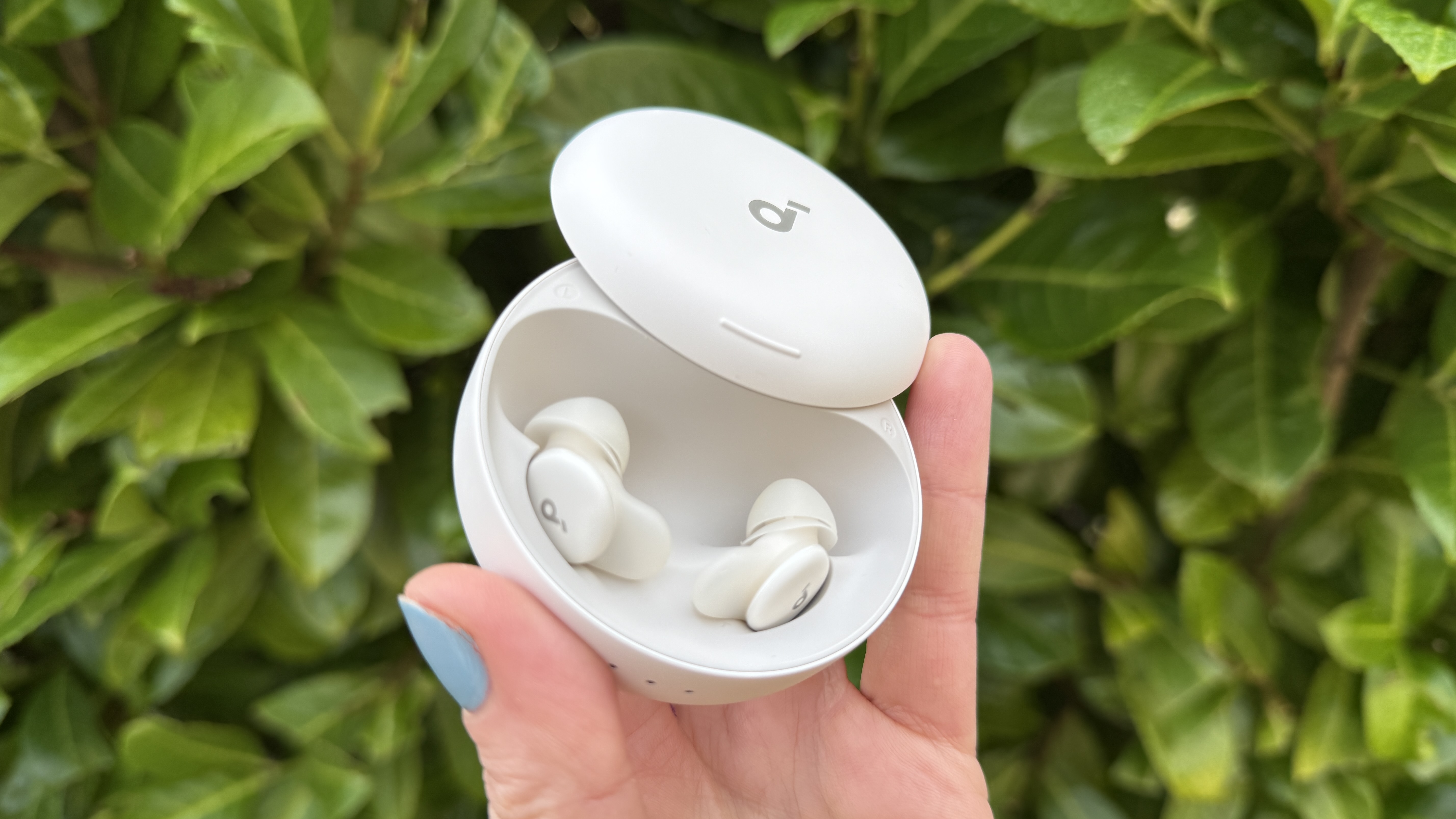
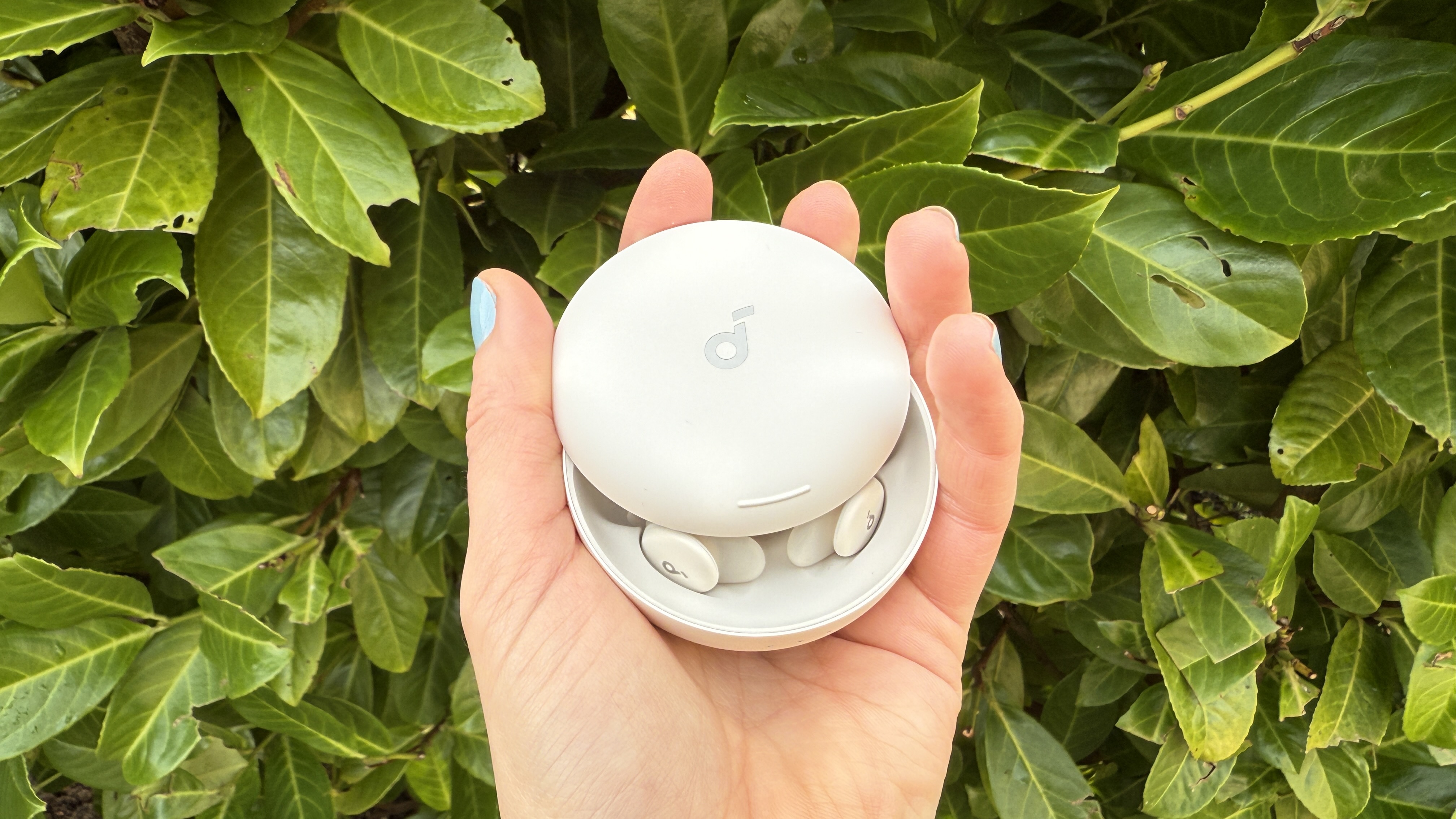
Speaking of the case, it's lovely. Compact, shaped like a hockey puck, and topped with a smooth, sliding lid. You can genuinely slip it into a pocket.
(Image credit: Future)
An unexpected, all-day winner
Yes, these are sleep earbuds first and foremost, and they really excel at that. But the traits that make them great for sleep – tiny size, lightweight build, secure fit and low profile – make them unexpectedly brilliant during the day too.
They've reminded me that comfort and design can matter more than raw audio power and performance, especially when I'm out and about. They're not my best-sounding buds, but they're not meant to be. They're simply the pair I've found myself reaching for time and time again because they fit my life without effort.
Sometimes the "right" tech isn't the most premium or the most powerful. Instead, it's the product you keep using, almost without even thinking. And for me, that's the Soundcore Sleep A30.
And of course you can alsofollow TechRadar on TikTokfor news, reviews, unboxings in video form, and get regular updates from us onWhatsApptoo.
Becca is a contributor to TechRadar, a freelance journalist and author. She’s been writing about consumer tech and popular science for more than ten years, covering all kinds of topics, including why robots have eyes and whether we’ll experience the overview effect one day. She’s particularly interested in VR/AR, wearables, digital health, space tech and chatting to experts and academics about the future. She’s contributed to TechRadar, T3, Wired, New Scientist, The Guardian, Inverse and many more. Her first book, Screen Time, came out in January 2021 with Bonnier Books. She loves science-fiction, brutalist architecture, and spending too much time floating through space in virtual reality.
You must confirm your public display name before commenting
Please logout and then login again, you will then be prompted to enter your display name.