I love Google Gemini — but not on a screen, in my fridge
I want it in my toaster, microwave, air conditioner — everywhere!
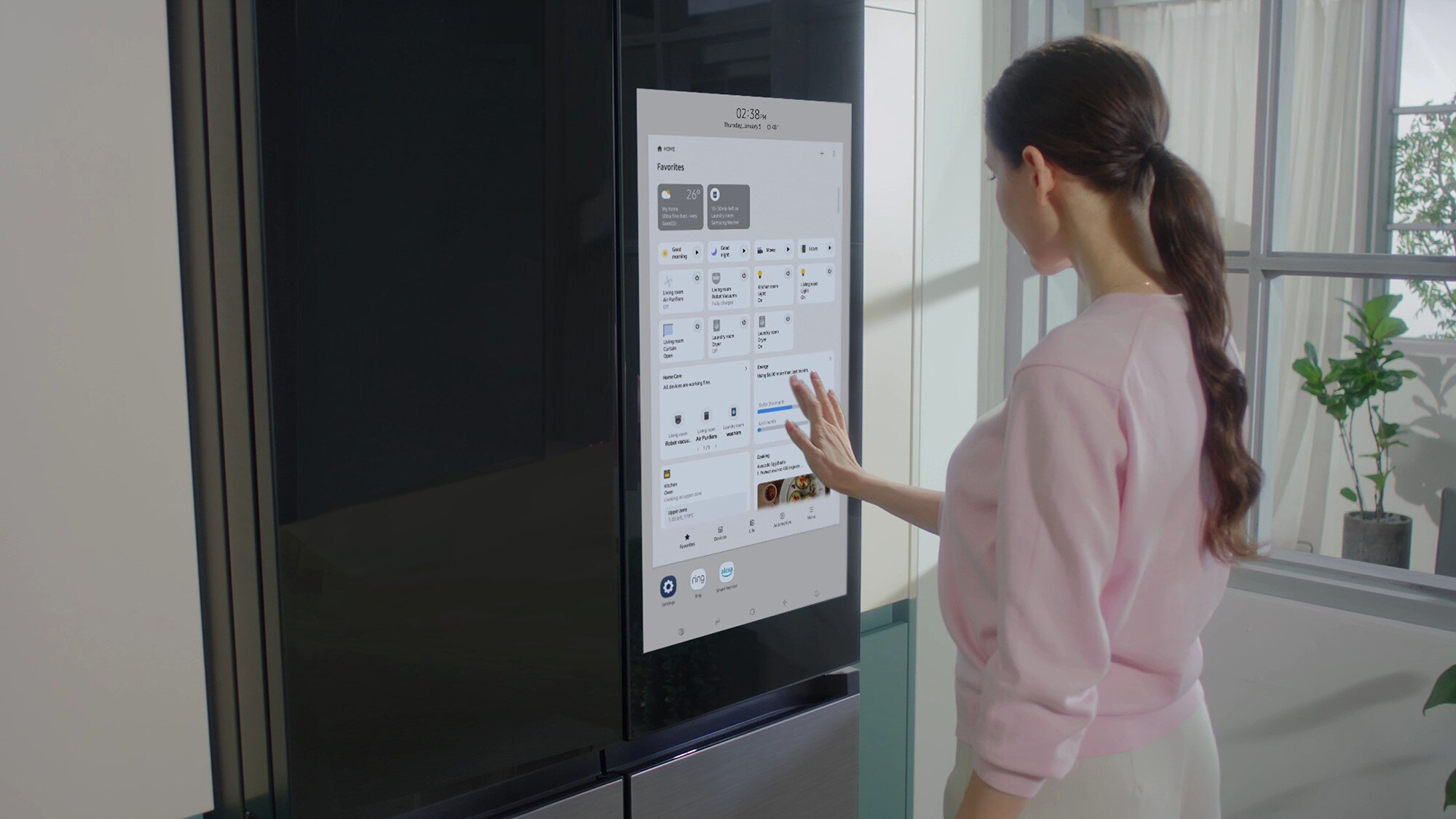
Before you judge me too harshly, let me get this out of the way: I don’t ever want my washing machine or dryer connected to an app. I couldn’t care less about checking laundry status on my phone or talking to my appliances just because I can.
And yet, here I am, living in a home with smart speakers scattered across rooms, talking to a voice assistant to get small things done no matter where I am. Somehow, without intending to, I got used to the idea of AI help available around me, even if I were in my room or in the car. And as we move towards a more conversational future with Gemini and Alexa Plus, I’ve started to believe that the future of smart homes isn’t more gadgets but smart intelligence that’s everywhere.
There is something like too much tech
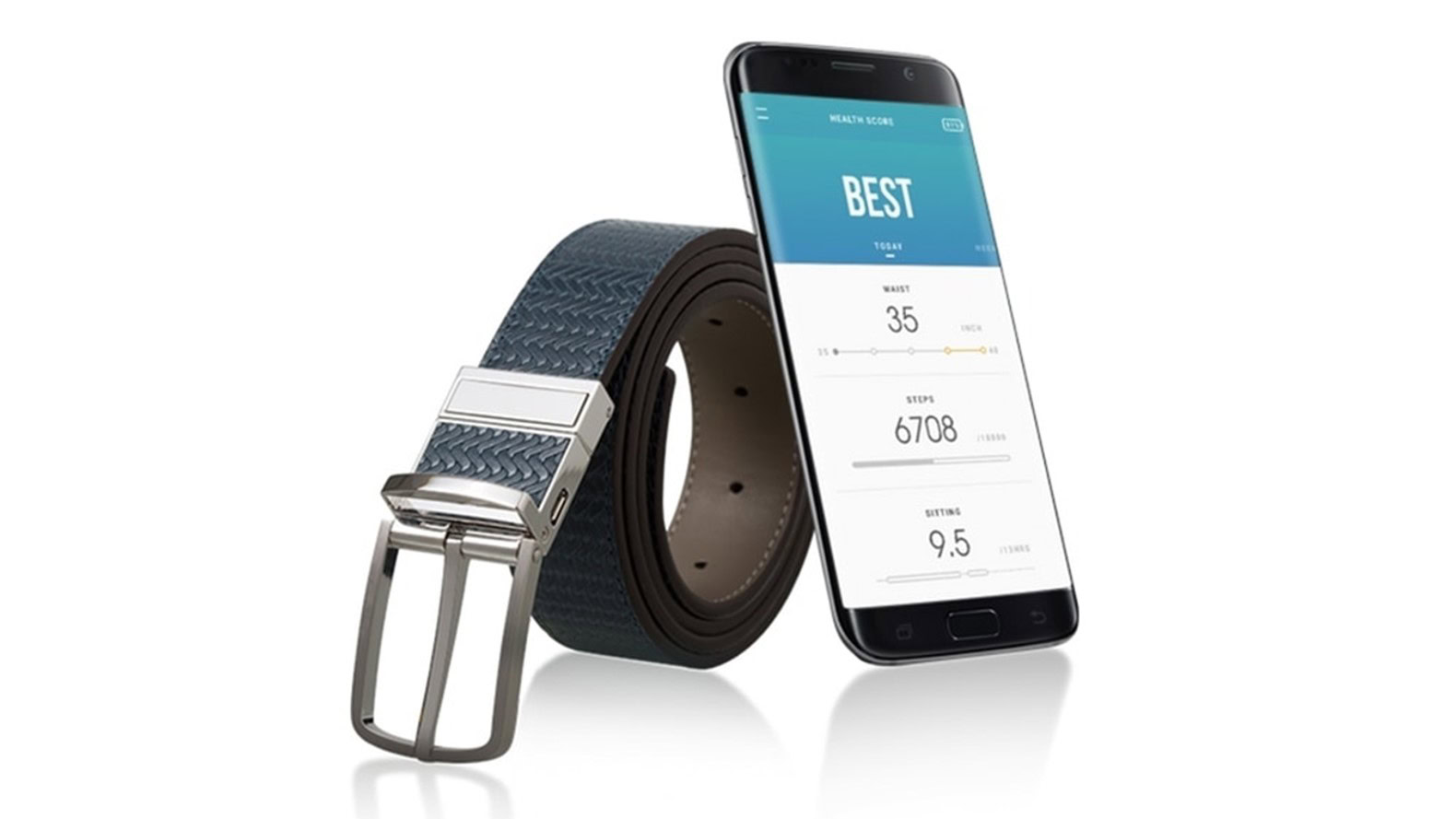
Our phones need to be smart to run dozens of apps and make sense of the sheer amount of information they hold about us. Our smart speakers need to be smart to interact with us and all the connected devices. But do we really need a display on the washing machine, or the ability to talk to a printer?
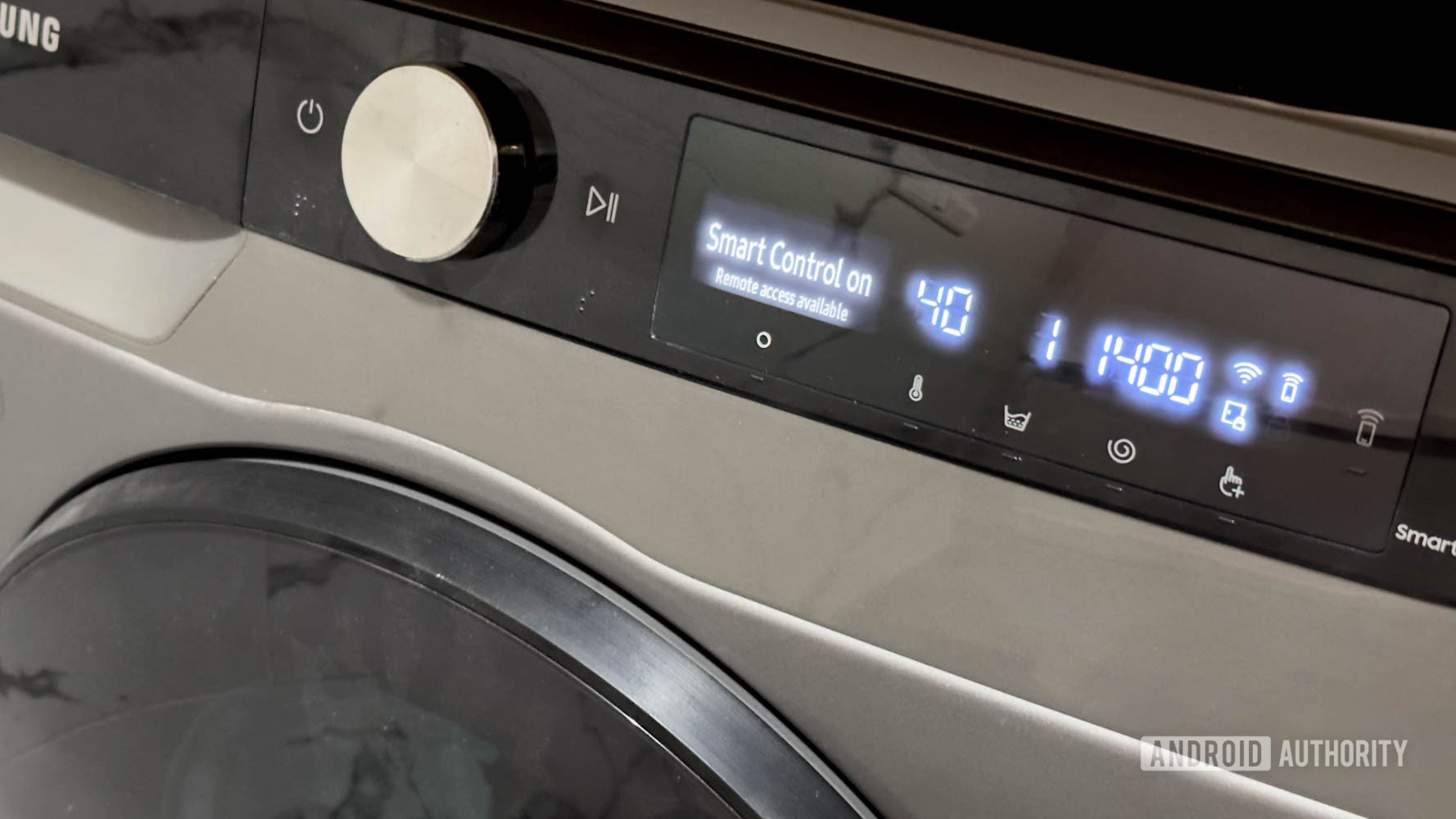
The moment you slap the “smart” tag on any appliance, it brings along dozens of unnecessary steps and complications — connecting the device to a cloud account, signing into an app, paying for extra storage, managing software updates, and so on.
I wouldn’t mind if, besides doing all of this with the existing simplicity, the toaster could also act as one of the nodes in a larger smart home ecosystem.
Honestly, if I had to do this for every device and appliance I own — from kitchen hoods and microwaves to air-conditioners, washing machines, and refrigerators — I’d go mad. I want my toaster to stay exactly the way it is. I drop in a couple of slices of bread, press a button, and a few minutes later, it pops out golden-brown, crispy toast. That’s it.
Having said that, I wouldn’t mind if, besides doing all of this with the existing simplicity, the toaster could also act as one of the nodes in a larger smart home ecosystem with an omnipresent intelligence. That’s the kind of literal “smart home” I imagine for the future.
What if Gemini is everywhere?
Stephen Schenck / Android Authority
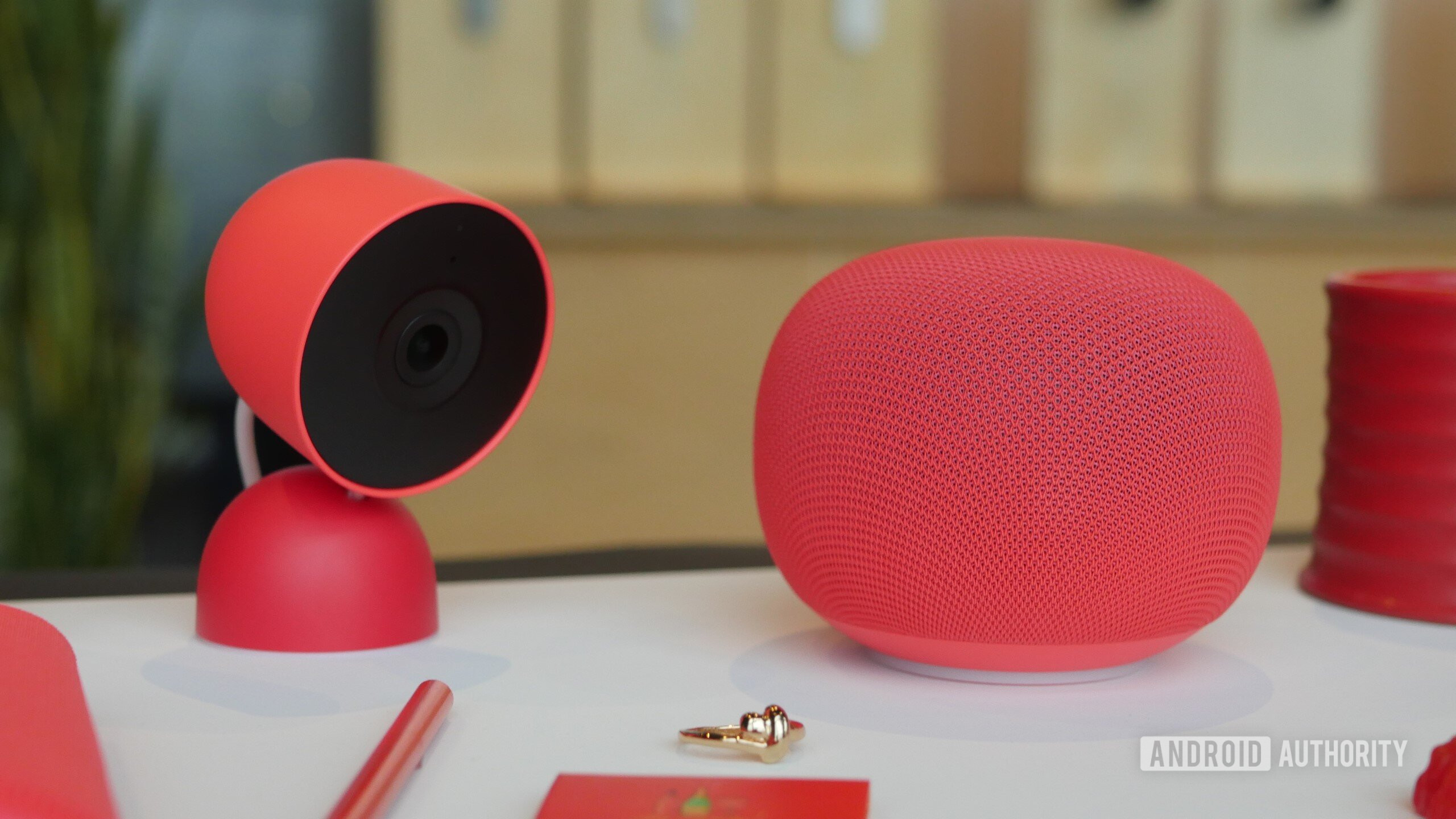
I’ve grown tired of seeing dedicated smart speakers and displays in every bedroom, living room, and kitchen, all competing for plug points. I certainly don’t need more of them in my home.
What I actually want from Gemini is to be available across my appliances, including the ones I once considered off-limits. Without a huge, bright screen blinding me when I wake up at night to grab something from the refrigerator, I want Gemini to live inside my appliances as a background presence. It should know where I am in the house, and the nearest appliance should light up when I call on Gemini for help.
I want from Gemini is to be available across my appliances, but without a huge, bright screen blinding me. I want Gemini to live inside my appliances as a background presence.
With this kind of enveloping presence, it would already know who I am, what my preferences and habits are, and could take action either after I ask or on its own, within a room. Since Gemini is already smart enough, it would understand ambient context — the time of day, recent actions in a room, ongoing routines, where I am, and where other family members are.
At that level of integration, most interactions wouldn’t even need speech. I call it omnipresent intelligence because it would know what’s happening on which device, where, and who initiated what — and then take intelligent actions based on all that information. Visual cues or subtle sounds, like alarms or microwave beeps, could enable these backend automations. Ideally, these would handle 80% of the use cases, and voice would become the exception, not the default.
And save me from fragmentation
Dhruv Bhutani / Android Authority
The idea is simple: every smart home appliance should share the same heart — in this case, Gemini — so I don’t have to deal with fragmentation. That fragmentation is the very reason I’ve remained skeptical of smart appliances.
Instead of managing multiple apps, each appliance with its own software updates and quirks, there would be just one interface (Gemini’s) to connect, control, and coordinate everything that has Gemini built in.
Think of it like Iron Man’s Jarvis. The voice doesn’t come from a single speaker tucked into a corner. It’s ever-present and can control everything. It isn’t dependent on one device to operate or stay connected. Gemini could function like a web, with all devices perfectly in sync.
The perk of bundling devices in one
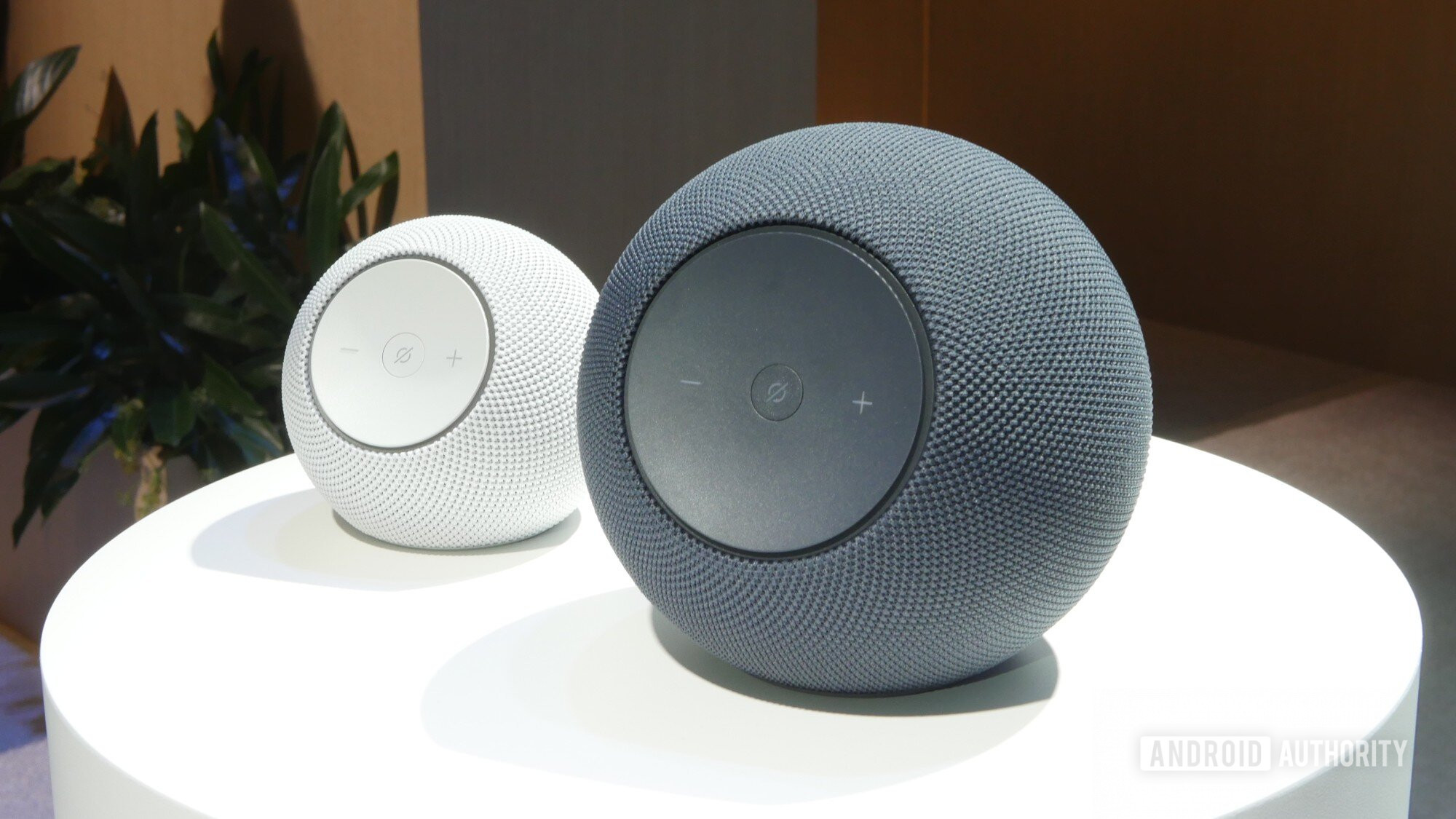
Stephen Schenck / Android Authority
What I’m asking for isn’t entirely new. We’ve had smart refrigerators with massive, blinding screens for years. We can already connect services through Google Assistant or Alexa to make things work. The problem is the lack of cross-connection. Everything is so fragmented that it ends up feeling broken.
What I want Gemini to do is bring it all together into a cohesive ecosystem. That’s my dream for an ideal smart home.
Companies have already done this, in limited ways, by bundling multiple services into single devices. Some Amazon Echo speakers double up as router nodes for Amazon’s Eero mesh system. These speakers also include additional sensors, like temperature and presence sensors, to trigger automations. Google’s mesh routers once doubled up as Google Assistant speakers too, saving you from adding yet another device to a room.
Privacy remains non-negotiable
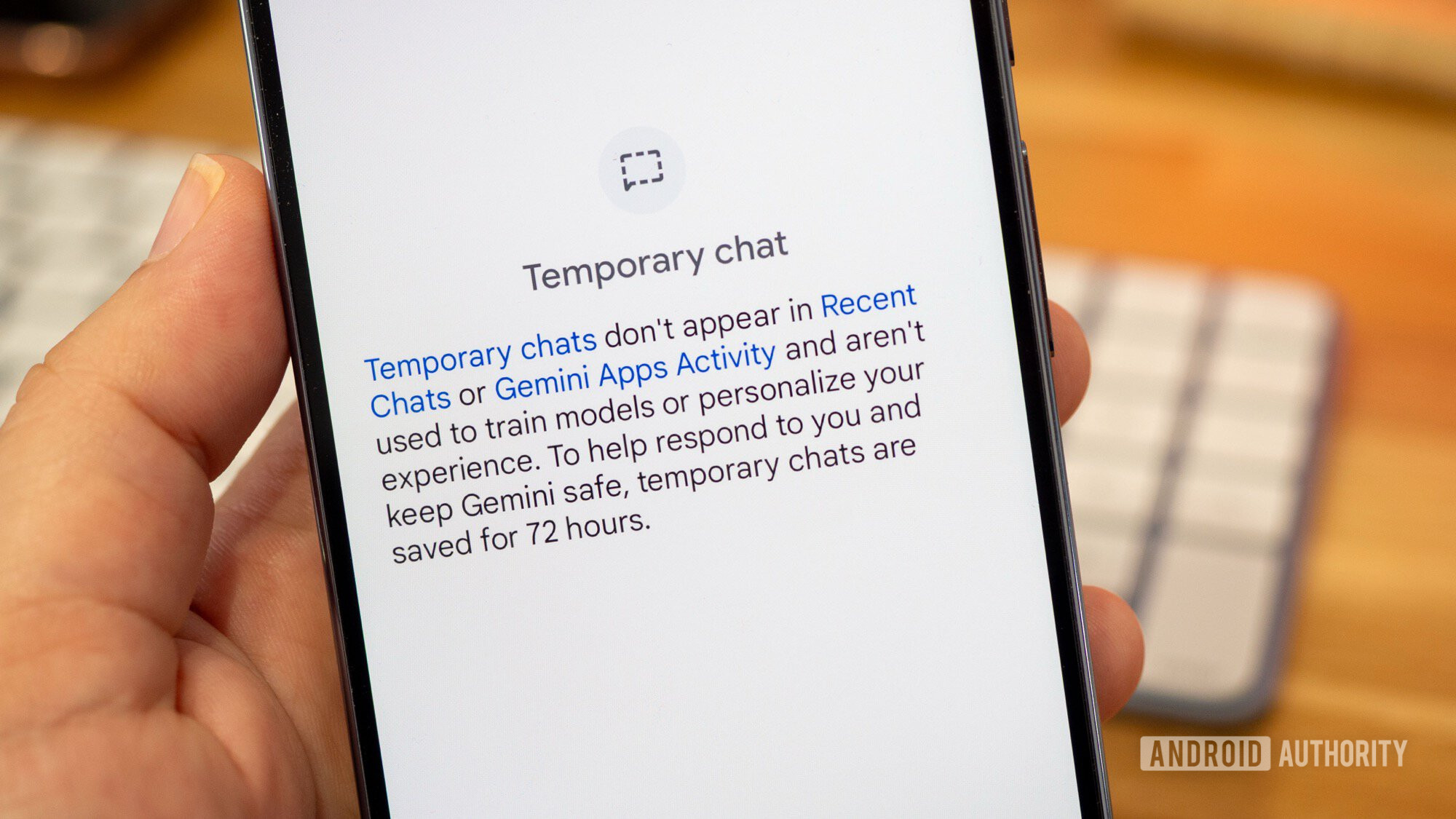
Rita El Khoury / Android Authority
With this level of access to one’s private life at home, it’s natural if this idea sends a chill down your spine. I, too, feel the same way. I wouldn’t want my daily routines or private interactions — things the AI was never meant to hear — ending up on some random website one day and making it to the news.
If Gemini is ever going to make this a reality, Google will need to double down on existing privacy measures, like clearly informing users when a device is actively listening. Privacy just can’t be an afterthought, because it’d otherwise become too risky to hold that level of information on you.
Gemini for the future

Ryan Haines / Android Authority
I’m fairly certain Gemini is headed in this sci-fi-esque direction. Google has already put it almost everywhere it can, or at least has the partnerships with brands to bring it into most corners of the home. What would actually matter is its form.
AI doesn’t need to be in the face the way Google Assistant and Alexa have been for the past decade. It doesn’t need more screens or a personality. If Gemini is going to make its way to our homes, it needs to learn to stay out of the way and be useful without being intrusive.
That’s the kind of smart home I’d actually want to live in.
Follow
Thank you for being part of our community. Read our Comment Policy before posting.