IDC warns PC market could shrink up to 9% in 2026 due to skyrocketing RAM pricing — even moderate forecast hits 5% drop as AI-driven shortages slam into PC market
An IDC report revises earlier guidance, warning of a shrink in the PC market that could approach 9%.

(Image credit: Acer)
The International Data Corporation (IDC) has published a new update to its device market outlook, and the message is blunt: things are getting worse. Under newly-reported pessimistic scenarios, shipments of PCs could shrink by up to 9% in 2026, with a more moderate scenario showing a 5% shrinkage in the market. These figures have been revised from a 2.5% drop, which was recently published in IDC's November forecast.
Since then, the global memory shortage, which began accelerating in mid-October, has intensified beyond what IDC originally modeled. While the firm isn't formally rewriting its official forecast entirely, it's now laying out scenarios that are notably more pessimistic than what it projected just a few weeks ago.
(Image credit: Tom's Hardware)
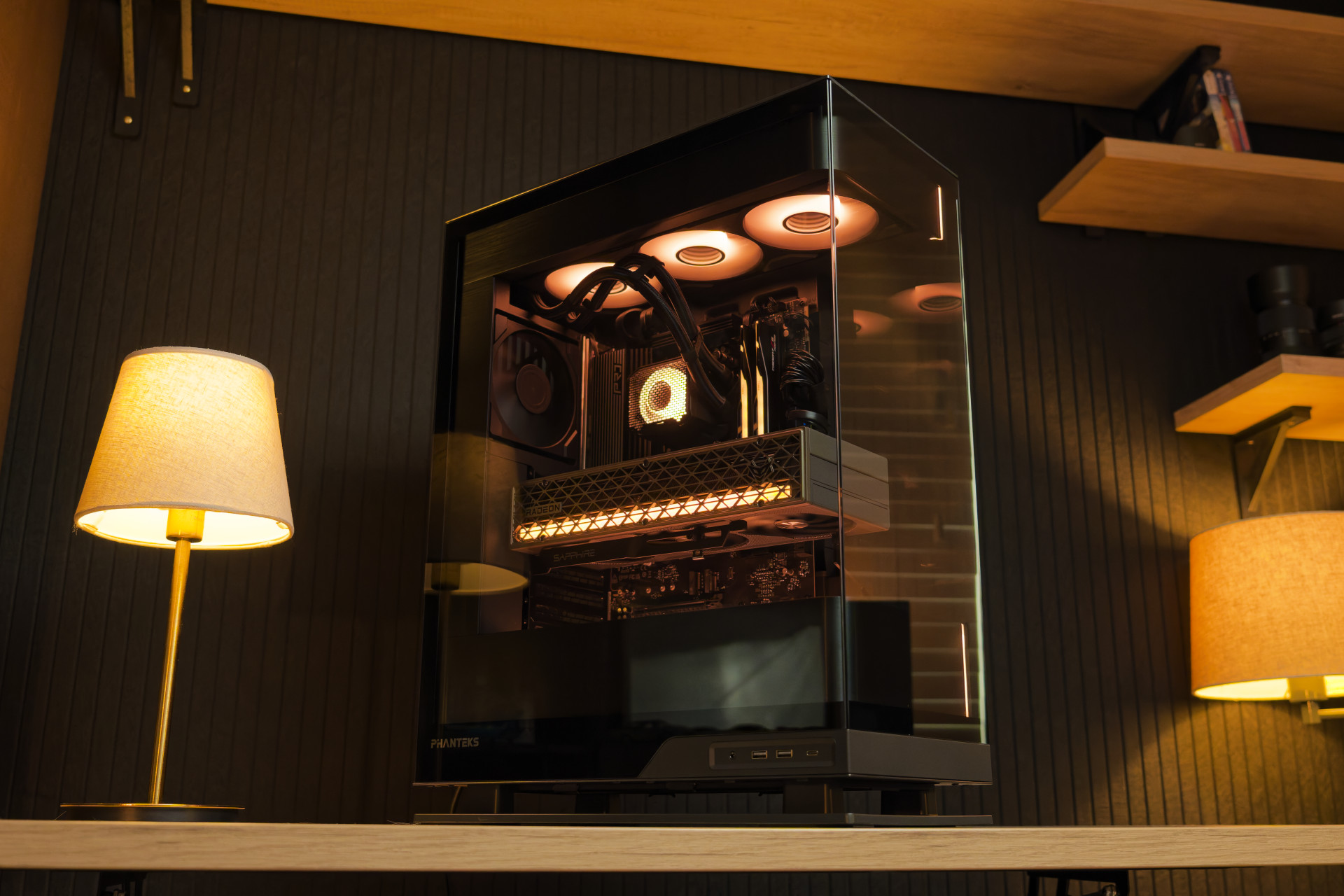
Larger OEMs like Dell, HP, Lenovo, and ASUS are expected to weather this environment better than smaller vendors thanks to scale, inventory leverage, and long-term supply agreements. Smaller regional brands, white-box builders, and DIY system builders are far more exposed, particularly in gaming PCs, where high memory configurations are standard, and cost sensitivity is high. IDC suggests this dynamic could shift market share further toward major OEMs, even if the overall market shrinks.
There's a particular irony in how this environment intersects with the industry's AI PC narrative. IDC defines an AI PC simply as a system with an NPU, but in practice, these machines also demand more RAM. Microsoft's Copilot+ requirements alone set a 16GB floor, and many premium designs are targeting 32GB or more. The problem is that memory is precisely the component becoming most scarce and expensive. Just as vendors are trying to upsell consumers on AI-branded systems, the economics of building those systems are deteriorating.
Get Tom's Hardware's best news and in-depth reviews, straight to your inbox.