If you have a problem with thong bikinis, the problem is you
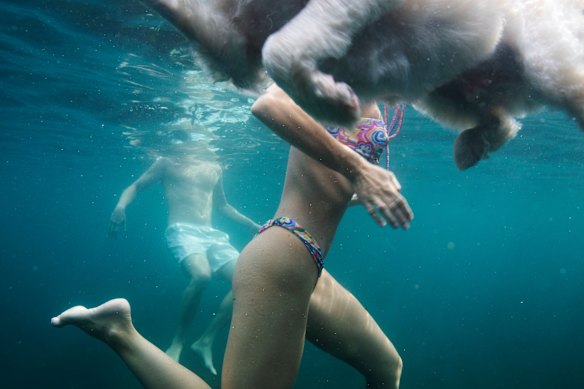
From surf lifesavers to Love Island stars, the thong is a practical beach staple – so why are we only clutching our pearls when women wear them?
Opinion
In this column, we deliver hot (and cold) takes on pop culture, judging whether a subject is overrated or underrated.
By Damien Woolnough
January 2, 2026 — 5.30am
The recent outbreak of thongs (G-strings, not flip-flops) at beaches and swimming pools has prompted a revival of prudish responses from casual swimsuit observers. Not since the days of bikini beach inspectors at Bondi have so many zinc-covered noses wrinkled in disgust at the bold attempts of sun worshippers to achieve maximum vitamin D exposure.
Teenagers who years earlier could have been building sandcastles au naturel are deemed too young for the revealing silhouette of “barely there” swimsuit bottoms, and those who have been fighting gravity for decades too old. Despite the critics, the thong continues to spread faster than glandular fever at a school formal.
Let’s get the sexism behind these complaints out of the way.

Love Island has helped to popularise the thong bikini.Credit: Sara Mally/PEACOCK via Getty Images
Men have been tapping into the trend for years, with surf lifesavers submitting to self-imposed wedgies to reduce the risk of friction burns from skimpy fabric while rowing. That doesn’t explain why the gathered fabric remains unplucked from clenched glutes while lifesavers stand on the beach. Patriarchal privilege has shielded them from complaints. For that, I say “thank you”.
Scholars look back even further, with the thong regarded as one of the earliest forms of clothing worn by men to protect their genitals. It is not known whether they were worn when swimming, though male and female Japanese divers would don white versions of the buttock-dividing fundoshi when gathering pearls.
The unsolicited opinions start when women start wearing thongs for their own satisfaction. Sound familiar? Please see similar reactions to trousers, bloomers and miniskirts.
In the ’70s, the modern swim thong entered popular culture – and women’s wardrobes – thanks to US designer Rudi Gernreich as a response to the banning of nudity on Californian beaches.
“The Thong is my response to a contradiction in our society: nudity is here; lots of people want to swim and sun themselves in the nude; also lots of people are still offended by public nudity,” Gernreich, who died in 1985, wrote in his manifesto.