I’m a VPN expert — these are the 3 things I want the industry to adopt in 2026
The new year brings fresh opportunities for improvements to an industry under increasing scrutiny
(Image credit: Future)
The VPN industry is going to face intense scrutiny in 2026. As governments introduce new laws and censors develop increasingly sophisticated surveillance and censorship capabilities, it’s vital that providers continue to push their products to the next level.
I’ve spent this year hands-on with all kinds of VPNs, and several areas for development that stand out. Levelling up against continuous censorship and anti-VPN measures, optimizing for new users, and improving transparency are all key points for improvement.
The censorship problem
Several VPNs improved their anti-censorship capabilities throughout 2025, most notably NordVPN. That said, factors such as the Great Firewall of China and Russia’s evolving censorship system remain continuously changing dilemmas to solve.
Each VPN provider tackles these issues in their own way. Extensive details on these measures are tricky to find, however, since providers must avoid being thwarted by the authorities they’re trying to bypass.
The goal for each remains the same: to make a secure VPN connection appear identical to normal internet traffic.
We’ve been testing VPNs in regions such as China throughout 2025. Unsurprisingly, our top-ranked providers are among the most consistent, but even they don’t guarantee a connection every time. Download speeds are often inconsistent and latencies are high – and that’s if you get a connection at all.
Given the growing number of instances of social media blackouts and censorship measures, improving the stability of these tools is paramount.
In 2025 China’s ‘Great Firewall in a Box’ approach was discovered. Given that, it’s likely that China’s sophisticated approach to internet censorship will spread to yet more countries in the coming 12 months. Without improved obfuscated protocols, these approaches could leave more people scrambling to find ways to connect to the free internet.
VPNs for the masses
VPNs aren’t just used in extreme instances, however. Alongside government-mandated censorship, the global spread of age verification measures has led to more people engaging with VPNs than ever.
This means there’s a need for resources to educate new users properly. The goal shouldn’t just be to provide a quick connection, but to help users develop an understanding of a VPN's potential and limitations.
Fundamentally, the product needs to work without the customer being educated”
Martin Budac, Head of Privacy Products at Gen Digital
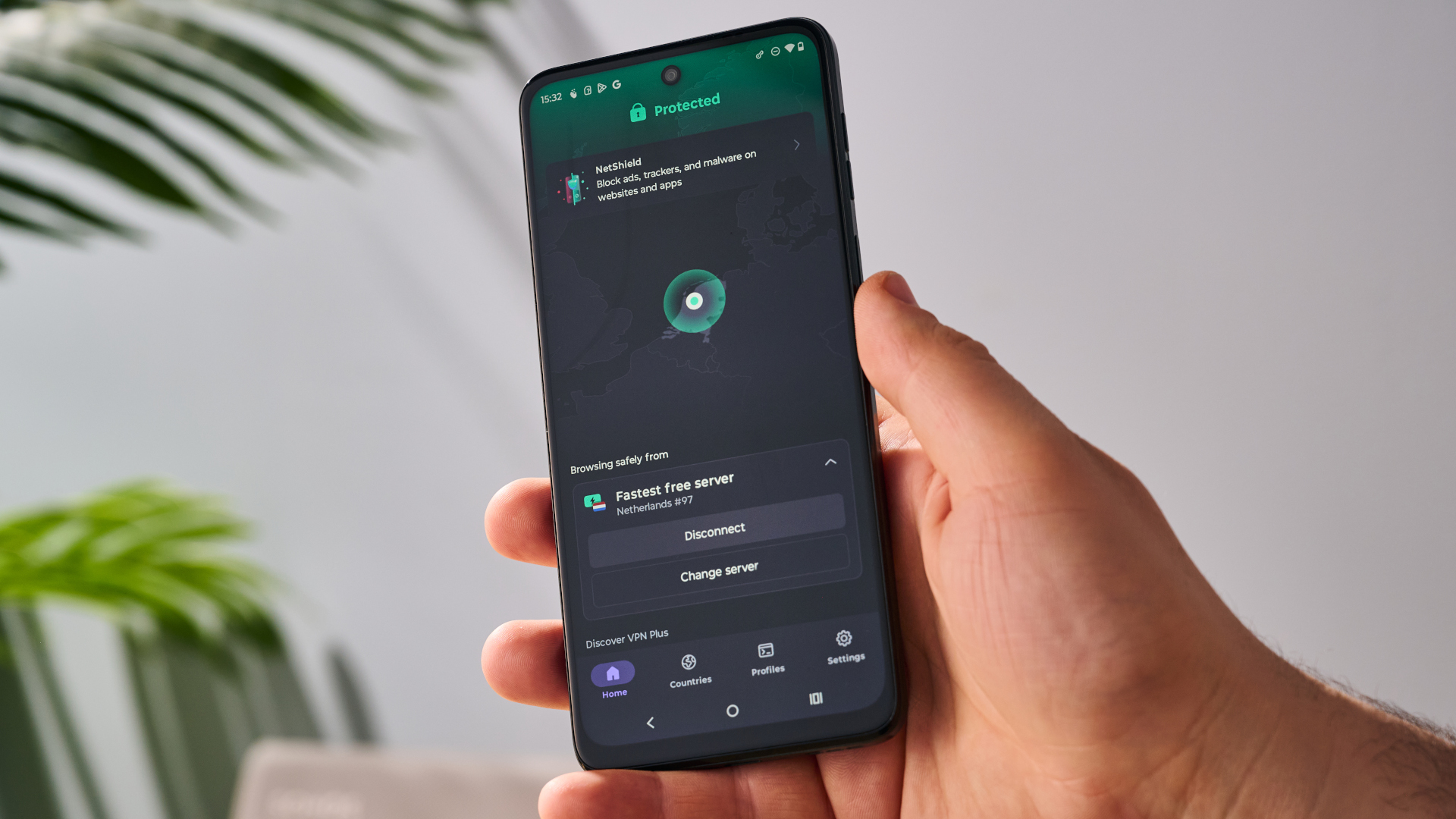
Some VPNs already take great steps to do this. Proton VPN has a wealth of tooltips and explanations built into its apps, and NordVPN offers a huge bank of knowledge articles, but these methods aren’t adopted everywhere.