India’s first runway tunnel: Rs 250-cr Varanasi project to carry traffic under jets
Uttar Pradesh is building India's first underpass tunnel beneath Varanasi International Airport's runway on National Highway 31. This Rs 250 crore project, set for completion in Q3 2027, will reroute highway traffic underground, enabling runway expansion for larger aircraft and enhancing airport safety and efficiency. It's a groundbreaking step for regional transport.
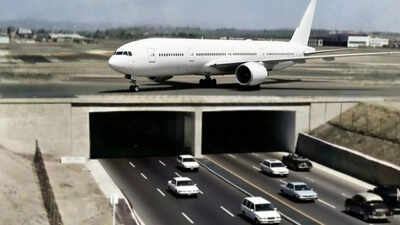
LUCKNOW: Construction is progressing on a pioneering infrastructure project in Uttar Pradesh— a nearly half km long underpass tunnel on National Highway 31 that will run directly beneath the runway of Varanasi International Airport.
With 2.89‑km long alignment, the stretch is designed to revolutionize both road connectivity and airport operations, the tunnel is the first of its kind in India and is being built at a cost of Rs 250 crore.
Lucknow Headlines Today — The Biggest Updates You Need to Know.
Within the airport boundary, the tunnel itself will span 450 meter, allowing highway traffic to move seamlessly below ground while aircraft operate safely overhead. Work on the tunnel began in September 2025, marking a major step forward in developing the region’s transport network. Engineers have incorporated high‑grade safety measures into the project, including the ability to withstand blast intensities of up to 100 TNT, ensuring robust protection for both commuters and aviation activity.Once completed, the tunnel will eliminate surface‑level vehicular movement near the runway, providing a safer and more efficient environment for airport expansion. A similar arrangement currently exists at Delhi’s Indira Gandhi International Airport, where a road passes through the taxiway, but the Varanasi project will be the first to route a national highway directly beneath an active runway.
The project is expected to be completed in the third quarter of 2027. After traffic is shifted underground, the Airports Authority of India will begin extending Varanasi Airport’s existing 2,745‑metre runway to 4,075 metres. This extended runway will accommodate Code E aircraft, including large wide‑body jets like the Boeing 777‑337, enabling greater passenger capacity and improved long‑haul connectivity.