Inside India’s Rs 5 canteens: From Tamil Nadu to Delhi, how cooked meals fill the last-mile gap
SOURCE:Times of India|BY:SHREEDHAR RATHI
Delhi's new Atal Canteens offer a Rs 5 meal, joining a national trend of government-run low-cost food initiatives. These canteens aim to provide dignified, affordable nutrition to daily wage earners and the urban poor. While demand is high, initial operations faced challenges with supply and capacity, highlighting the ongoing need for such services across India.
The rise, fall and return of India’s subsidised canteens
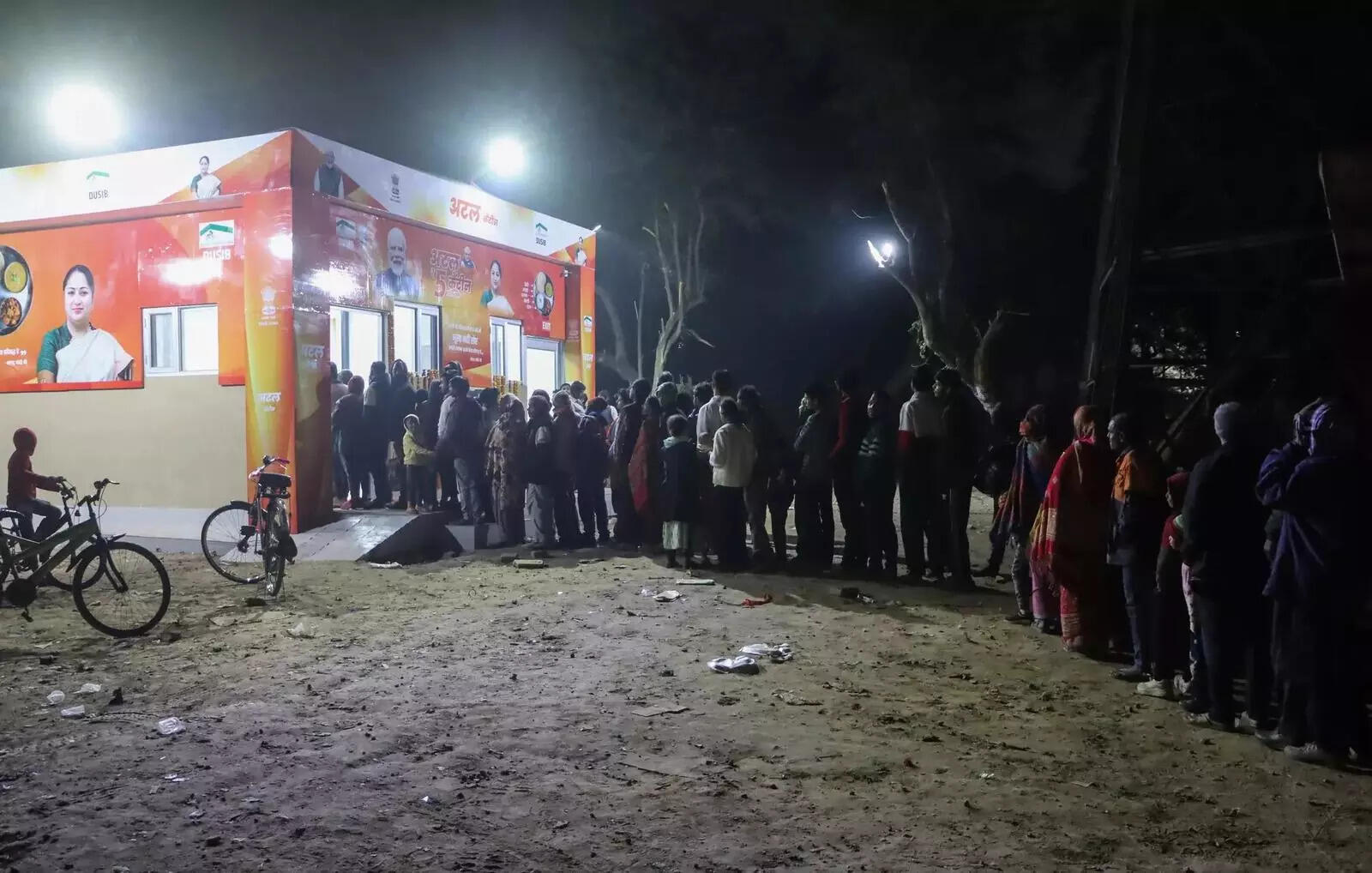
At around 11.30am, long before the lunch rush hits Delhi’s markets, a quiet line begins to form outside a modest building in Lajpat Nagar. Construction workers with dust still clinging to their clothes, elderly men with walking sticks, sanitation staff on break — all wait patiently, clutching a Rs 5 coin.
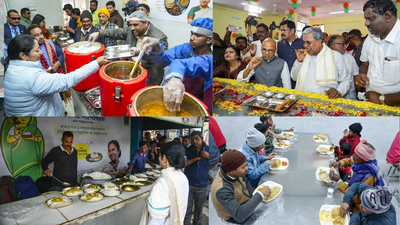
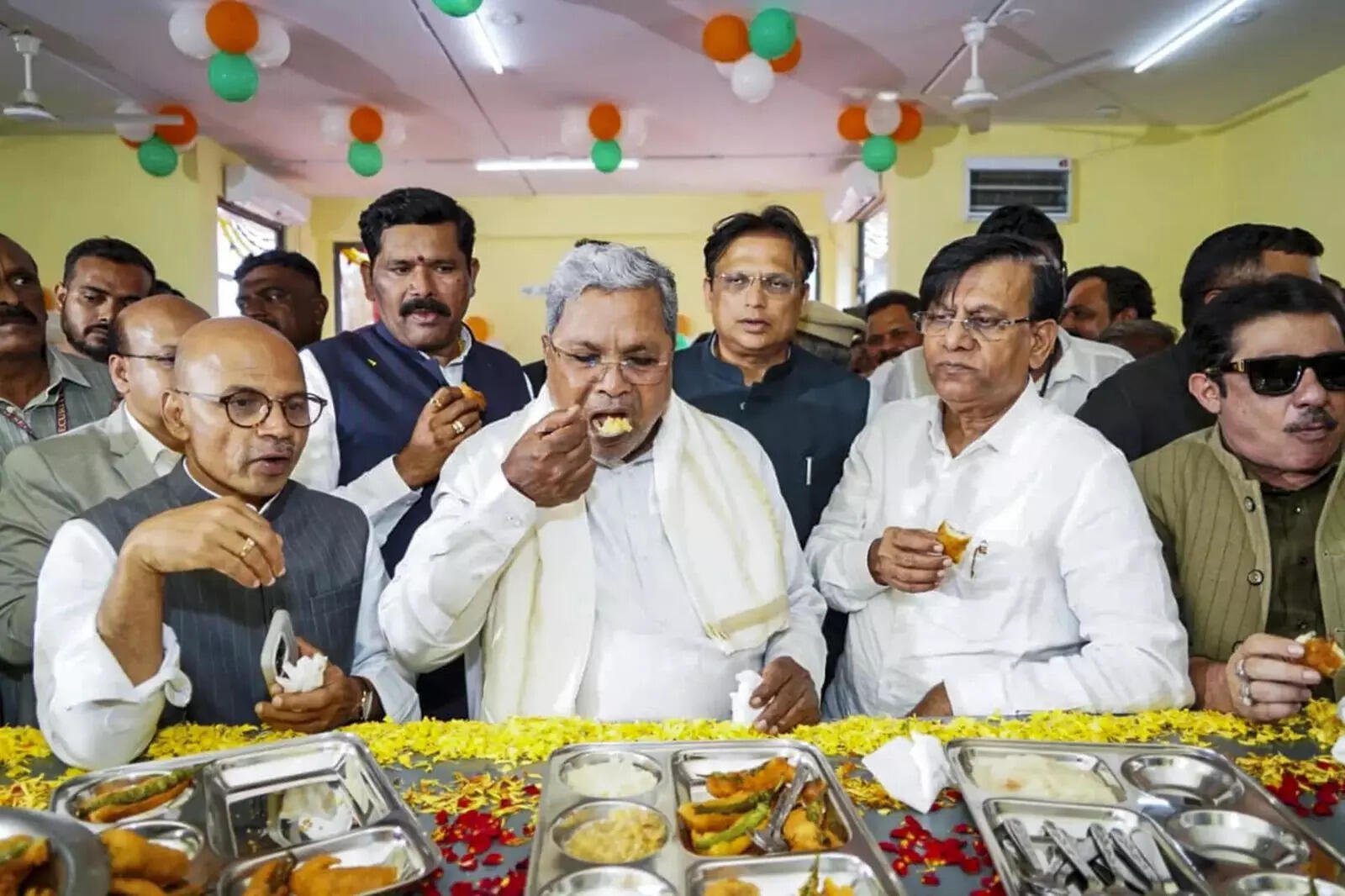
Inside, large steel vessels simmer with dal, stacks of rotis are readied, and plates move swiftly across the counter. For the price of a bus ticket, a full meal is served. This is an Atal Canteen — one of dozens opened across the capital in December — and the latest chapter in India’s growing experiment with government-run low-cost food canteens.
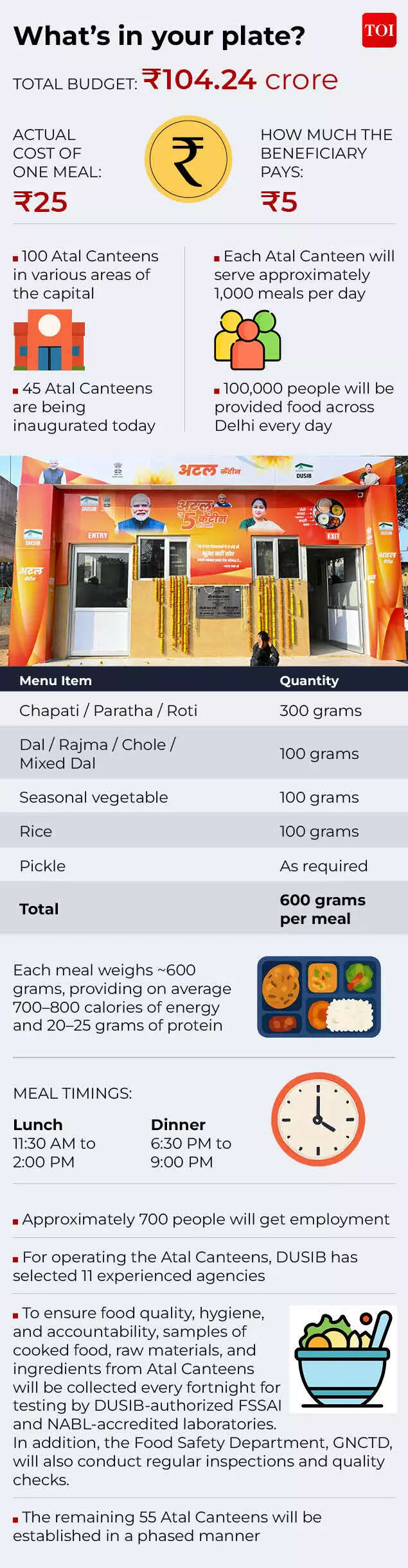
The Delhi government inaugurated 45 Atal Canteens on December 25, marking the 101st birth anniversary of former prime minister Atal Bihari Vajpayee, with plans to expand the network to 100 canteens in the coming weeks.
Each canteen serves a cooked meal at Rs 5, a price the government describes as symbolic.
According to officials, the scheme is designed to reach over one lakh people daily once fully operational, primarily daily-wage workers, migrants and the urban poor. The meals are standardised for nutrition and scale: roti, rice, dal, seasonal vegetables and pickle, offering 700–800 calories per plate and 20–25 grams of protein.
Food is served twice a day — lunch from 11.30 am to 2 pm and dinner from 6.30 pm to 9 pm — with each canteen expected to cater to nearly 1,000 people daily. Kitchens are equipped with LPG-based cooking systems, industrial RO water plants, digital token systems, CCTV surveillance and food quality testing mechanisms. Raw materials and cooked food are to be tested regularly by FSSAI and NABL-accredited laboratories. The total budget allocation for the project stands at Rs 104.24 crore.
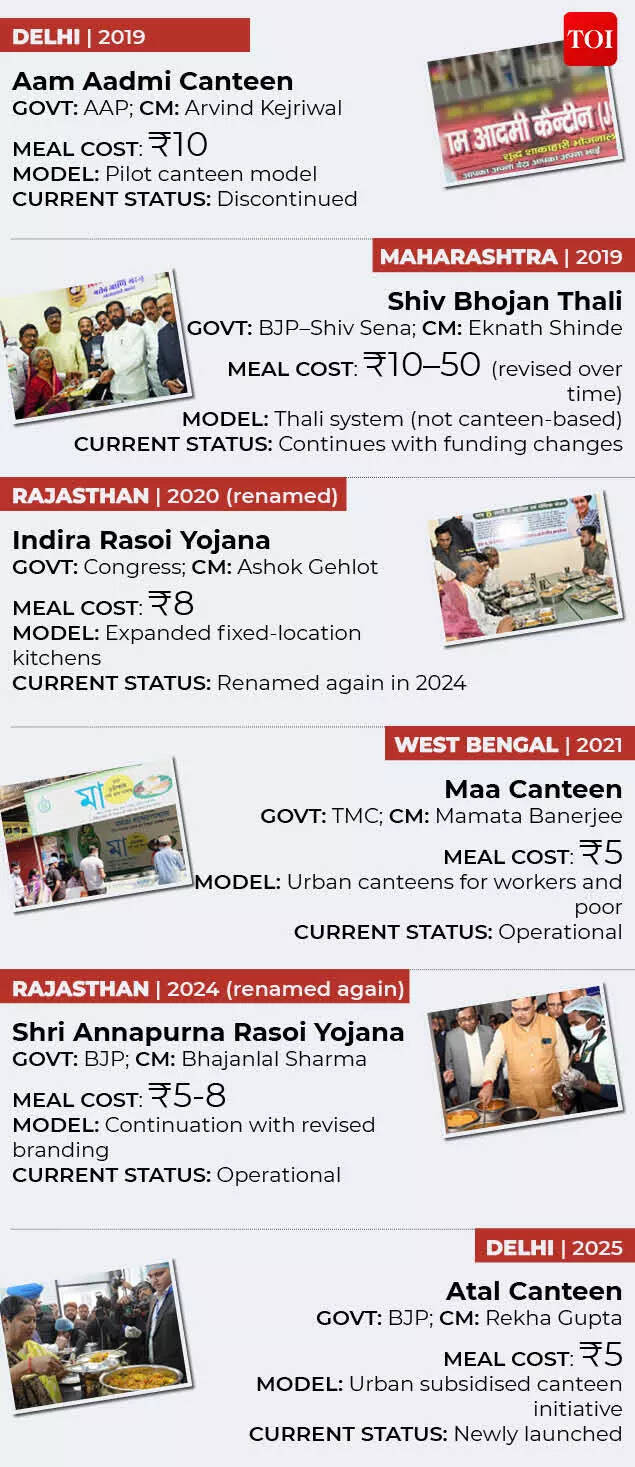
The response was immediate. Within the first two days of launch, more than 33,000 meals were served across the newly opened canteens, underlining the scale of demand for affordable cooked food in the city.Delhi’s experiments with subsidised cooked food predate the Atal Canteens, but they remained fragmented and personality-driven. In 2019–20, the Aam Aadmi Party government introduced the Aam Aadmi Canteen, later rebranded as Jan Aahar, promising meals at around Rs 10 through partnerships with NGOs and private kitchens rather than a permanent state-run network. Around the same time, BJP MP Gautam Gambhir launched a Jan Rasoi canteen in Gandhi Nagar, East Delhi — one of Asia’s largest wholesale garment markets — offering meals for as little as Rs 1 during lunch hours. Promise meets pressure“The system is quite simple,” said Rajeev Kumar Singh, a staffer at south Delhi’s Nehru Nagar. “People come to the counter, pay Rs 5 and receive an invoice. They show it at the next counter and are served a full plate.
The response from the public has been very positive.”At the tables nearby, Ekta, who works at a shop in the area, nodded in agreement. “I hadn’t brought lunch from home today, so I decided to eat here. I will definitely come back.”Rakesh, another visitor, praised the quality. “The aloo gobhi was cooked perfectly and the dal tasted great. At this price, what more can one ask for?” But the rush soon exposed limits. Santosh, an autorickshaw driver, said he waited nearly 45 minutes, only to find items running out.
“By the time I reached the counter around 1 pm, the rice and pickle had finished.
I paid the full amount but didn’t get everything.” Others pointed out that portions were insufficient for physically demanding work, while some said the fixed timings were not displayed anywhere, leading to confusion. A staffer admitted turnout had exceeded expectations. Official data showed that on Thursday, the canteens served 17,587 people across lunch and dinner, while on Friday, 15,805 people ate at the outlets.
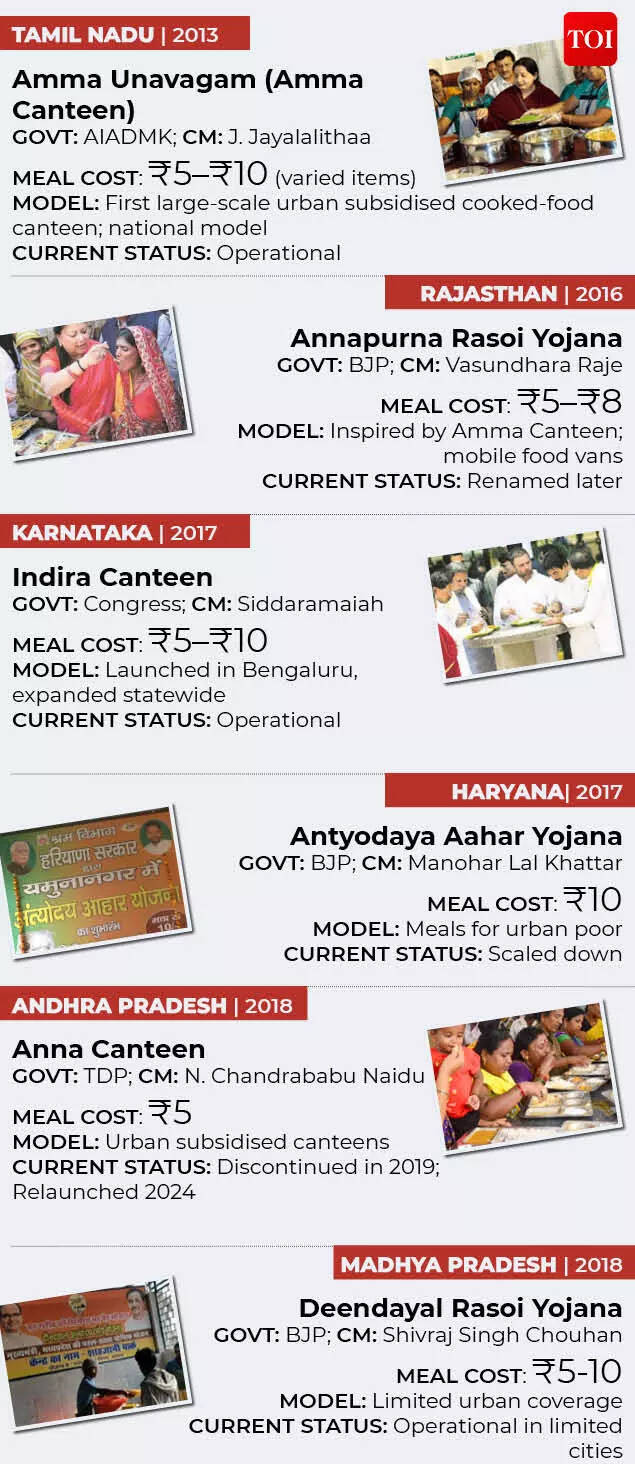
“The scheme is not merely a welfare programme, but a commitment to providing dignified support to citizens,” Haryana chief minister Manohar Lal Khattar said, reacting to the broader model. “By offering nutritious meals for Rs 5, we are ensuring that no one goes hungry.”Delhi Pradesh Congress Committee president Devender Yadav, however, said the very need for such canteens highlighted the hunger crisis gripping the city amid unemployment and inflation.A plate with historyDelhi’s Rs 5 plate is not an innovation. It belongs to a longer national story — one that began over a decade ago and has reshaped how Indian states think about hunger, welfare and visibility. The influential model emerged in Tamil Nadu in 2013, when the AIADMK government under J Jayalalithaa launched Amma Unavagams. Municipal-run canteens sold idlis for Rs 1, pongal and variety rice for Rs 5, and chapatis with dal for Rs 3.
Over time, the state treated them not as a temporary scheme, but as permanent urban infrastructure.At their peak, around 650 Amma canteens operated across Tamil Nadu, including more than 400 in Chennai. Each kitchen cost roughly Rs 3.5 lakh per month to run. By the state’s own estimates, over 2.15 crore people benefited from the scheme between June and November alone, including more than 30,000 construction workers and migrant labourers.
During the Covid-19 pandemic and natural calamities, food was served free.The DMK government has since announced plans to open 500 additional Kalaignar Unavagams alongside existing Amma canteens and has sought 100% central funding under the National Food Security Act to sustain them.
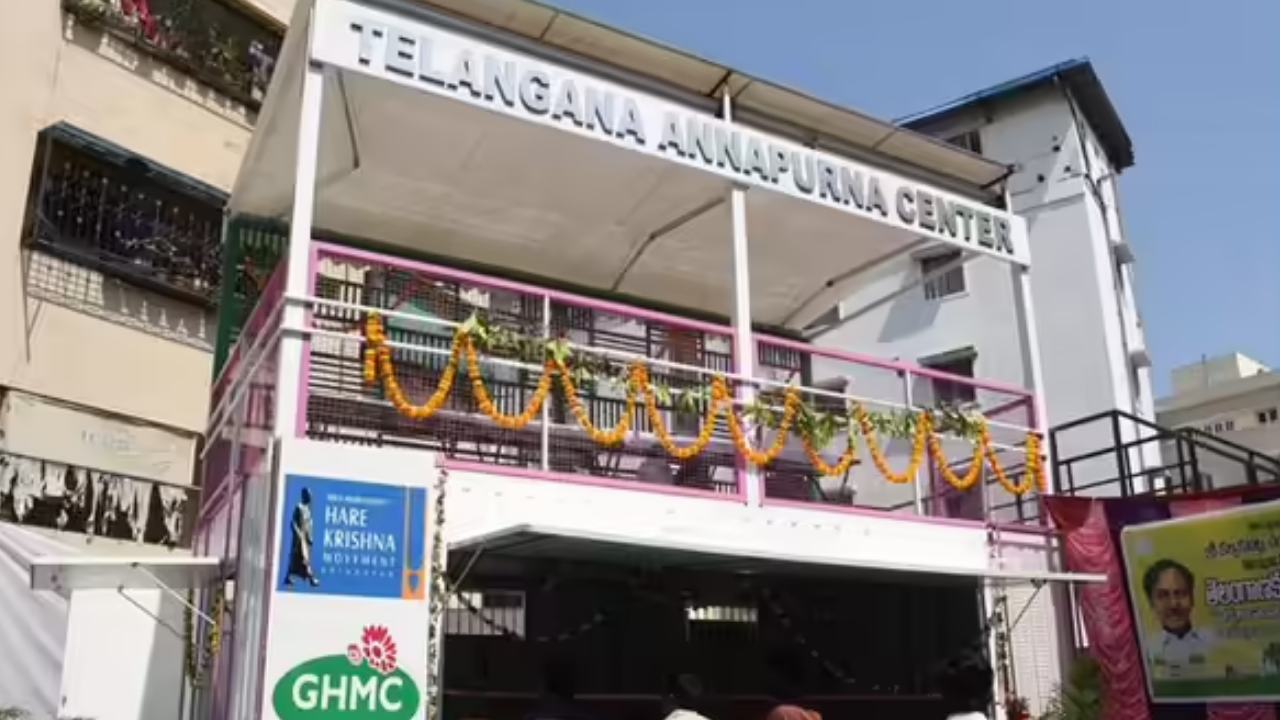
Replication, retreat and revivalAs Amma canteens expanded across Tamil Nadu, the idea of a subsidised cooked meal began travelling — not as a single model, but as a political language that different states adapted to their own compulsions.Some treated community kitchens as emergency welfare. Others turned them into permanent urban infrastructure. A few discovered too late that once a state begins feeding people in public, retreat is politically costly.Telangana:Telangana was among the earliest adopters after Tamil Nadu. In 2014, the Greater Hyderabad Municipal Corporation launched Annapurna canteens, initially just eight kitchens meant to serve the urban homeless and daily-wage workers.
Meals were priced at Rs 5, but the structure differed from Tamil Nadu’s municipal-run model.Here, the state relied heavily on partnerships with charitable trusts, religious institutions and NGOs, which cooked and distributed food using government-provided infrastructure and subsidies. Over time, the network expanded to around 150 canteens across Hyderabad.
The model allowed the state to keep costs relatively low while rapidly scaling coverage.
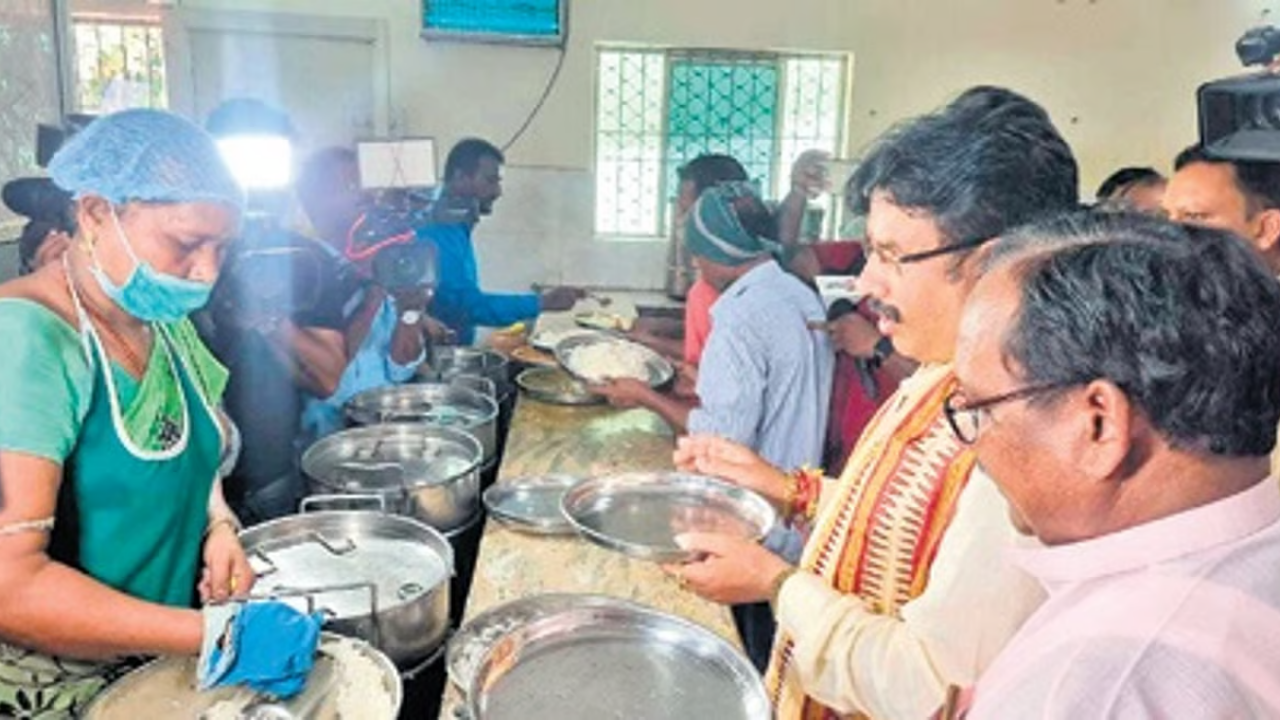
But dependence on charities also meant uneven quality and capacity. While some Annapurna kitchens became well-run community anchors, others struggled with irregular supply and staffing shortages.Even so, the scheme survived changes in leadership and continues to serve tens of thousands daily — a quiet acknowledgment that cooked food had become an essential urban service.Odisha: Odisha’s Aahaar Yojana, launched in 2015, approached the problem from a different angle.
Instead of dispersing canteens across city centres, the state placed most of its kitchens inside or near government hospitals and medical colleges.The logic was simple: hospitals attract not just patients, but attendants — families who spend entire days or weeks caring for relatives, often sleeping on pavements and skipping meals. For them, the PDS is useless, and private food is unaffordable.
Meals were priced at Rs 5, heavily subsidised by the state, with annual costs hovering around Rs 70 crore.
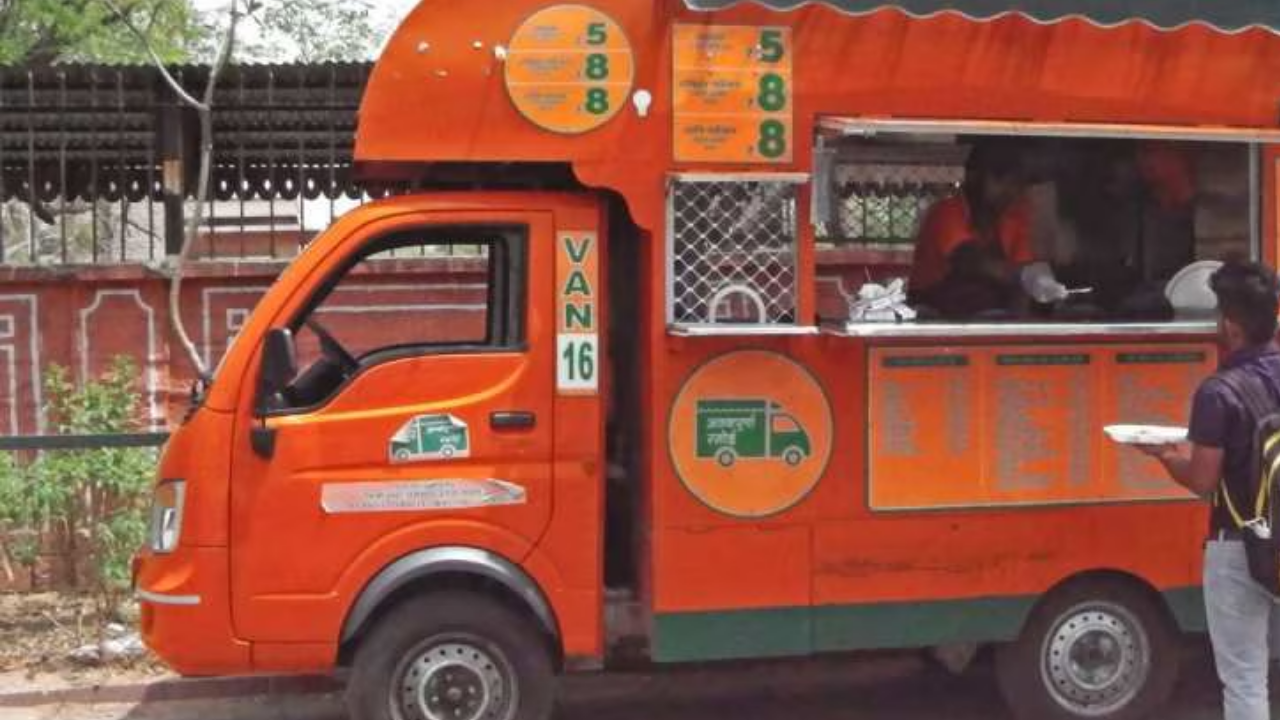
By 2023, Aahaar was serving roughly one lakh meals daily across 167 centres.Independent evaluations found high uptake among women caregivers, elderly attendants and migrant labourers accompanying injured co-workers. The hospital-centric model limited reach beyond medical campuses, but it ensured that food reached those least likely to access other welfare schemes.Rajasthan: Rajasthan’s experiment with subsidised meals has been among the most turbulent.Annapurna Rasoi was launched in 2016 by the Vasundhara Raje-led BJP government, offering meals at Rs 8. The scheme expanded rapidly, serving over one crore meals within its first few months. But contractor payments were delayed, kitchens complained of rising costs, and food quality varied widely.When the Congress came to power, the scheme was renamed Indira Rasoi and dramatically expanded, especially during the Covid-19 pandemic.
Prices were kept low despite soaring food inflation, forcing the state to increase subsidies per plate — in some cases up to Rs 22 per meal.
Between 2020 and 2023, Indira Rasoi served over 15 crore meals, with annual budgets ballooning from Rs 100 crore to nearly Rs 700 crore. Critics accused the government of unsustainable spending and politicisation. Supporters pointed out that during lockdowns, the canteens fed migrant workers when no other system functioned.After another change in government, the scheme was renamed again — Shri Annapurna Rasoi — but not dismantled. The name changed. The plate remained.Karnataka: Karnataka’s Indira Canteens, launched in 2017, were conceived as a flagship urban welfare programme, particularly for Bengaluru. Meals were priced at Rs 5 for breakfast and Rs 10 for lunch and dinner.Initially, 100 canteens were planned. Delays in land allocation, disputes between the state and municipal bodies, and contractor issues slowed expansion.
Allegations of corruption and poor hygiene surfaced, and several kitchens shut temporarily.
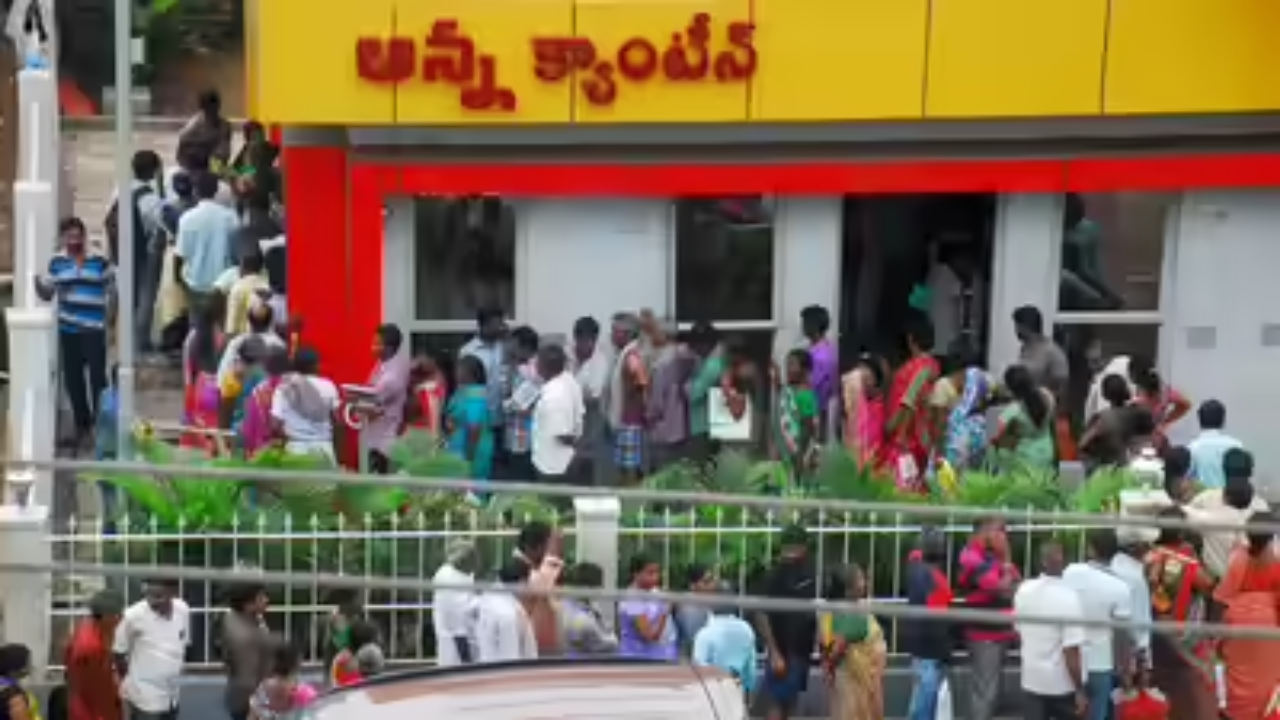
Yet, despite repeated political changes, the scheme endured. By 2024, the state announced plans to expand Indira Canteens to 250 outlets in Bengaluru alone, acknowledging persistent demand among construction workers, sanitation staff and low-income service workers.Here, the canteens exposed a recurring governance problem: feeding people was easier than coordinating agencies.Andhra Pradesh: Anna Canteens were launched in 2018, inspired directly by Tamil Nadu. Meals were priced at Rs 5, and in cities like Visakhapatnam, 25 canteens served nearly 25,000 people daily. Migrant labourers and fishermen formed a significant share of beneficiaries.
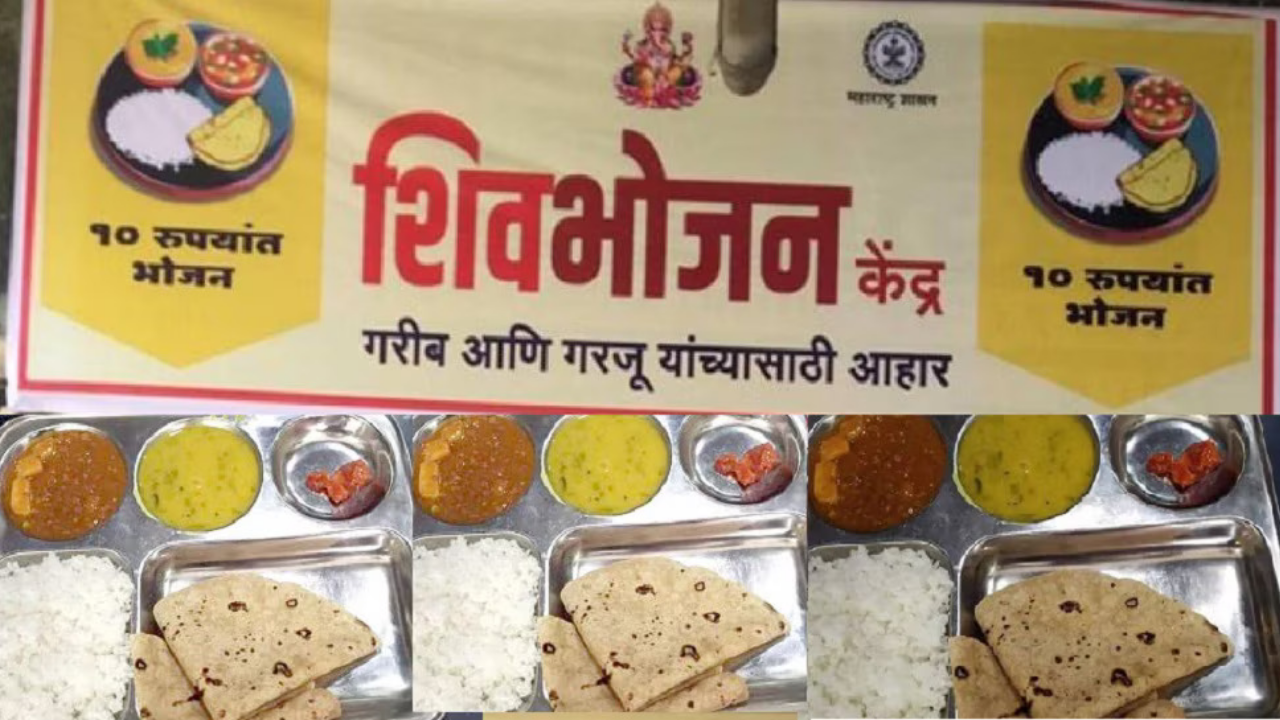
After a change in government in 2019, the scheme was abruptly shut down. Kitchens were abandoned. Equipment was stolen or vandalised. For nearly five years, the canteens remained defunct.Public pressure, combined with the memory of the Covid crisis, eventually forced a reversal. In 2024, the scheme was revived. Within months, nearly 65 lakh meals were served again — a stark reminder that hunger does not disappear with a change in regime.Maharashtra: Maharashtra’s Shiv Bhojan Thali, launched in 2020, deliberately avoided a leader-centric brand. Meals were priced at Rs 10 and served through partnerships with hotels, canteens and self-help groups rather than purpose-built kitchens.The scheme scaled quickly during the lockdown, feeding stranded migrants, truck drivers and informal workers. By 2023, it was serving around 1.75 lakh meals daily.
While the decentralised model reduced infrastructure costs, it also led to uneven quality and monitoring challenges. Still, successive governments retained the programme, tweaking pricing and menus rather than scrapping it.Madhya Pradesh, Haryana and West Bengal Madhya Pradesh’s Deendayal Antyodaya Rasoi, launched in 2017, offered a four-chapati meal with dal, vegetables and sweet at Rs 5. It expanded rapidly before being discontinued, only to be revived later — reflecting the now-familiar cycle of dismantling and restoration.Haryana’s Antyodaya Aahaar Yojana priced meals at Rs 10 but packed them with over 1,100 calories, co-funded by labour departments to support industrial workers.
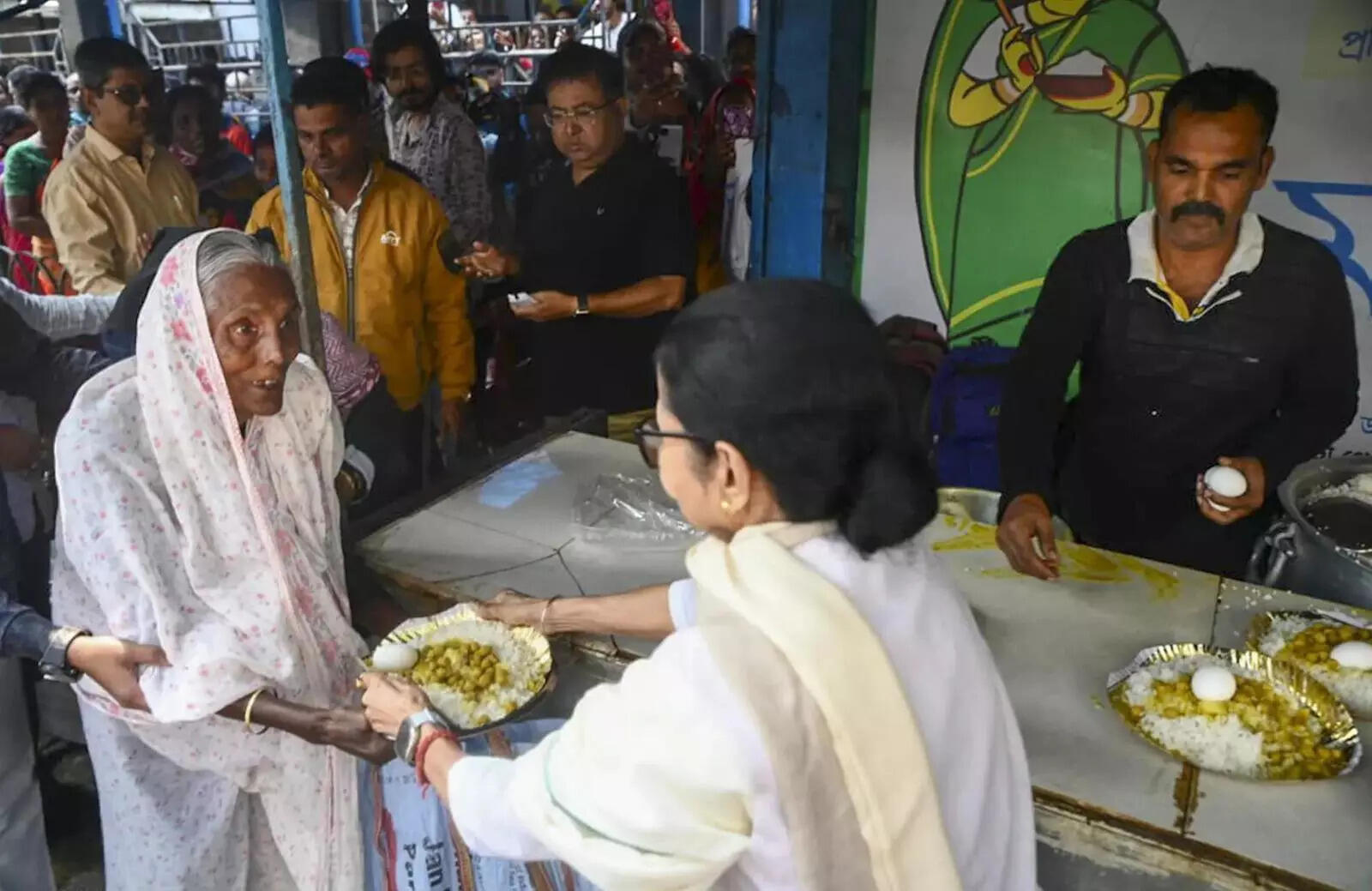
West Bengal’s ‘Maa’ scheme, introduced ahead of elections, relied heavily on women’s self-help groups, serving rice, dal, vegetables and egg curry at Rs 5. Critics called it populist; users treated it as essential.A Pattern Emerges Across states, the pattern is unmistakable. Schemes differ in name, pricing, kitchens and contractors, but the underlying logic remains the same: in urban India, cooked food fills the gap that grain-based welfare leaves behind.Some states tried to exit. Most returned.The plate, once offered, becomes a promise. And promises, when withdrawn, leave a hunger that is far louder than the politics that created them.The rise, fall and returnThe rise of India’s subsidised canteens began not as a crisis response but as a rethinking of urban welfare. When Tamil Nadu launched Amma Unavagam in 2013, it quietly broke from the grain-centric logic of the Public Distribution System.Municipal bodies ran the kitchens, women’s self-help groups cooked the food, and the canteens became fixtures near hospitals, labour markets and transport hubs. Their success — measured in lakhs of plates served daily and their resilience through elections and emergencies — turned cooked food into a legitimate instrument of urban policy, inspiring a wave of imitation across states. The fall came just as quickly, and for reasons that had little to do with demand.
As food inflation rose and political administrations changed, many state-run canteens slipped into fiscal and administrative limbo. Karnataka’s Indira Canteens were slowed and shut after a change in government; Andhra Pradesh’s Anna Canteens were discontinued altogether in 2019; Rajasthan’s Indira Rasoi struggled as contractors went unpaid and kitchens ran short of supplies. Across states, half-built structures, idle equipment and abandoned kitchens became familiar sights. Unlike ration schemes backed by central law and funding, cooked-food canteens depended entirely on state budgets and political will. Without bipartisan support or a national framework, they proved vulnerable — not to lack of users, but to the fragility of governance. Yet the idea never disappeared. It returned — Andhra Pradesh reopened Anna Canteens after the 2024 elections, serving millions of meals within months.
Karnataka announced a relaunch and expansion of Indira Canteens with higher state funding shares. Rajasthan retained the core structure of its scheme even as names and menus changed. And in Delhi, where cooked-food welfare had long remained piecemeal, the launch of Atal Canteens marked a belated but unmistakable return to the same solution other states had tried, abandoned and rediscovered. What distinguishes this return is caution shaped by past failures.
States now speak the language of audits, CSR partnerships, trusts, digital tokens and shared fiscal responsibility. Why the plate enduresAcross states, surveys show that regular users — earning between Rs 10,000 and Rs 18,000 a month — save 5–10% of their income by eating even one subsidised meal a day. Three in four Indians could not afford a healthy diet in 2021. In 2019, the Supreme Court observed that nearly 80 million unorganised workers without ration cards must be provided food access.Unlike ration shops or cash transfers, canteens are visible.
They sit near labour chowks, hospitals and transport hubs, quietly signalling the presence of the state. Political leaders understand this. Names — Amma, Indira, Atal, Maa — tie welfare to identity. Critics call it populism. Governments call it infrastructure.The Centre, the States and the Right to Food The Supreme Court has repeatedly held that the right to life under Article 21 includes the right to food. Yet cooked food finds no explicit place in national food security law. The reality lies somewhere in between.What keeps pulling governments back to subsidised canteens is not ideology but arithmetic. According to the 2025 State of Food Security and Nutrition in the World (SOFI) report, approximately 12 per cent of India’s population — around 172 million people — remains undernourished, one of the highest absolute number for any country in the world. In cities where hunger hides behind informal work and unstable incomes, these canteens make it visible — and addressable.Subsidised meals do not guarantee electoral victory. Several governments that launched them lost power. But dismantling them has repeatedly proven costly.Once the state places a plate in public, it makes a promise. Breaking that promise leaves a hunger louder than politics.For Rs 5, the Indian state buys something rare — not just calories, but a small, repeatable assurance that dignity, at least once a day, can be served hot.