Is 8GB of RAM enough for a laptop in 2026?
RAMageddon in 2026? There are dire predictions for laptops regarding the memory crisis, and we could see a lot more 8GB notebooks.

(Image credit: MAYA LAB / Shutterstock)
There's a crisis in the world of PC components in case you hadn't noticed. Yes, another one, and this time it's memory, the RAM modules which are crucial (pun fully intended) to your computer for running its host operating system and the apps (or games) installed with it.
Why the price of RAM has rocketed skywards is a somewhat complex issue, but by way of simplification, you can blame AI, as well as some past market-related decisions regarding production and supply by memory chip makers. (Check here for a more involved explanation.)
Sign up for breaking news, reviews, opinion, top tech deals, and more.
Of course, whether an 8GB loadout of system memory is viable does depend on what type of laptop we're talking about, too – some are very different beasts. Therefore, in this article, I will examine the main consumer laptop choices of today, taking them in turn, to assess how they compare in terms of the likelihood of a shift towards 8GB memory and how that might pan out.
(Image credit: Future)
Chromebooks
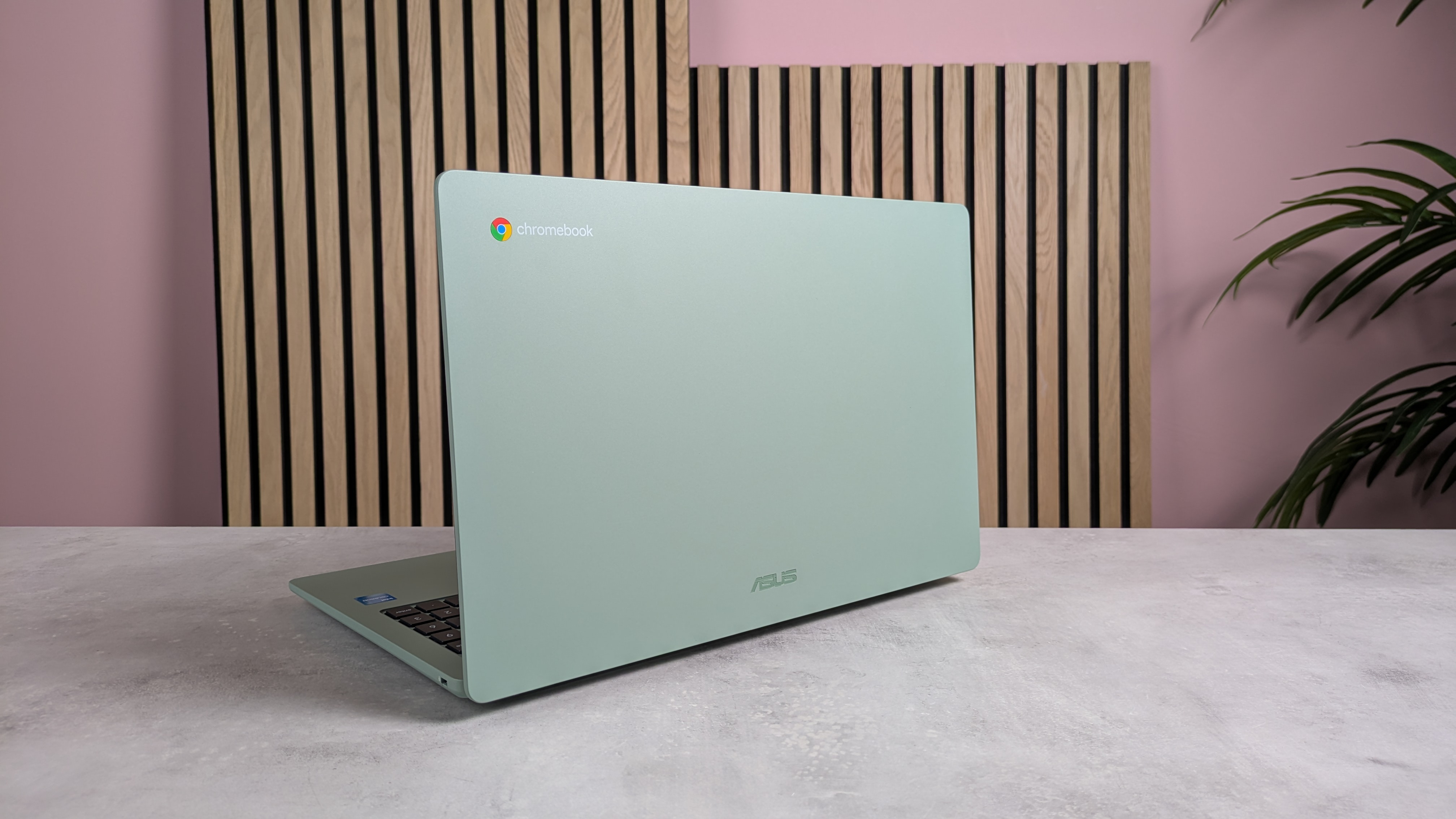
Here's where Google wins big, frankly, in this whole memory crisis. The fact is that 8GB is plenty of system RAM for a Chromebook, because these laptops are built on a streamlined operating system (Chrome OS) which is not resource-hungry (and leans on web-based usage).
They're lean machines by their very design, and I've got a Chromebook with 4GB of RAM, and it still works fine. Okay, so 4GB isn't ideal, no, but it still runs Chrome OS well, providing you're just pottering around with the basics of web surfing, checking emails, and maybe doing a bit of writing in a document. And that's all many people do with a basic Chromebook, anyway.
Granted, you really should aim for 8GB of system RAM if you can, especially if you're intending to run a fair few tabs in your browser, fire up some Chrome extensions, use Android apps (or games) and engage in a bit of multi-tasking. But 8GB will certainly do justice to the computing experience on a Chromebook, and as noted, this could be a strength for Chrome OS-powered laptops in 2026.
As far as laptops go, Google's are uniquely positioned to weather the RAM crisis simply because of their undemanding nature.
(Image credit: Future)
Apple MacBooks
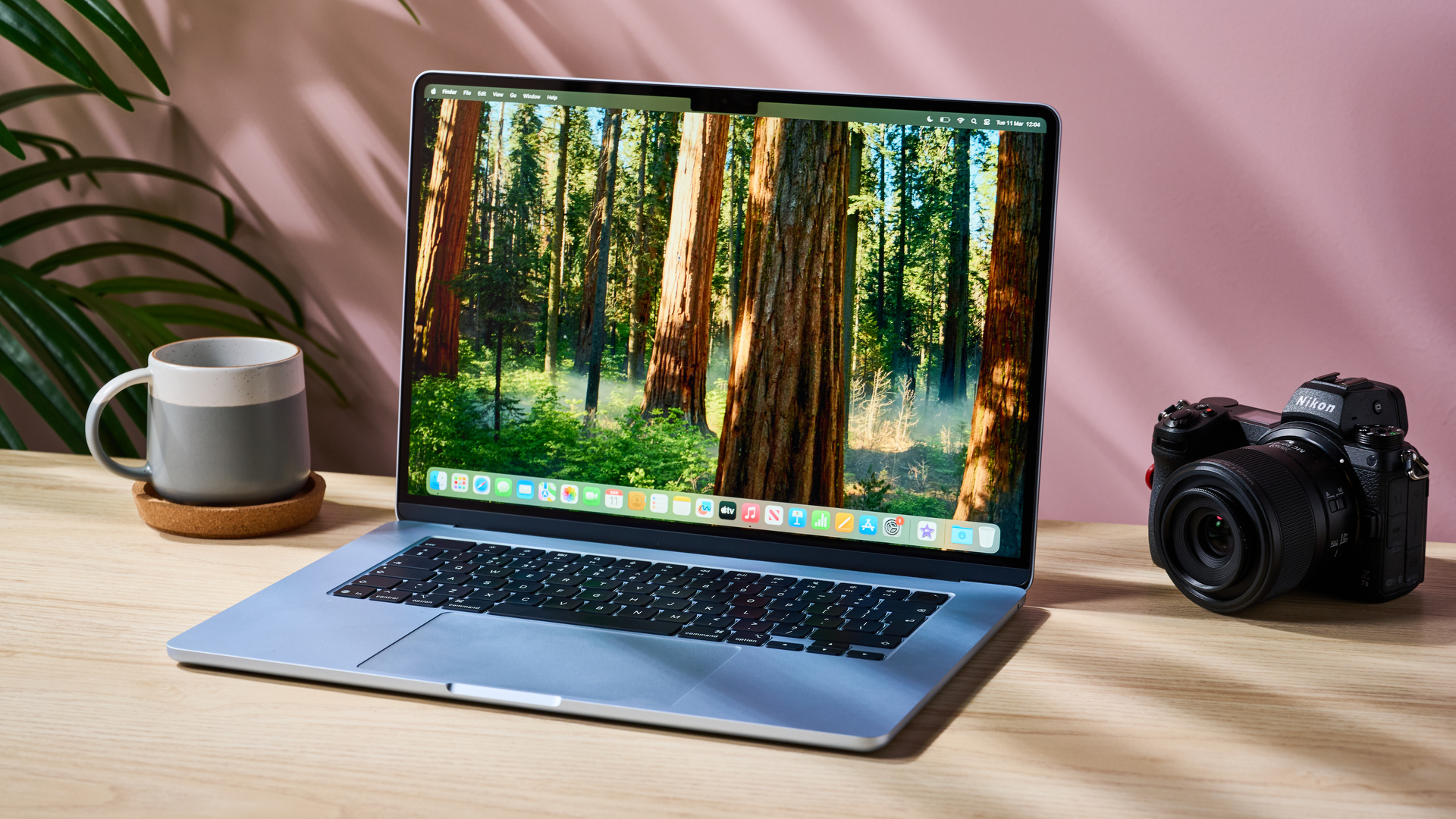
This gets a bit more complex, so bear with me. As you may recall, Apple made a bold move on the memory front with its most recent Macs, switching to 16GB of RAM as a baseline amount across the board with all these devices. Any MacBook now has 16GB with the entry-level models.
Now, if Apple is feeling the heat with memory costs this year, might it revert some of its existing MacBook line-up to allow for 8GB again at the entry-level? That doesn't seem likely, frankly, as it'd feel like Apple was taking a step backwards with its tech – and that 16GB of memory decision was also somewhat wrapped up in having enough RAM for future-proofing with (on-device) Apple Intelligence (AI) features, too.
What's also a consideration here is that Apple has considerable heft when it comes to buying RAM, and negotiates long-term contracts on high-volume orders. This means it should theoretically be quite well shielded from the big memory hikes we're seeing – at least for the time being. Of course, we don't know the reality of how much memory inventory Apple has, or when the company might have to renegotiate for new RAM supplies at a higher cost – but it could be good for a while yet.
Moreover, when Apple does have to face the reality of ramped-up RAM costs (assuming this pricing misery continues, outlasting the firm's current contracts), CEO Tim Cook has another ace up his sleeve. Namely the fact that Apple already charges a big premium for RAM upgrades, so there's room to maneuver in absorbing price rises by taking a hit on those chunky profits, rather than actually hiking up the (high) asking prices.
So, while some rumors are floating the idea that Apple's RAM contracts could be up soon, and price hikes may be in the works somewhere, I don't think this is going to happen in the nearer-term. And anyway, Apple has a good deal more wiggle room than most to absorb price hikes itself for the mentioned reasons.
In short, while price hikes may happen – I mean, they can't be ruled out – I'm hoping if they do that they'll be relatively constrained in the near-to-mid term, and I don't see a return to 8GB for Apple's laptops as in the cards.
However, that said, there's a possible wrinkle here in the rumor of a cheaper MacBook – the mythical $599 portable that you may recall. If it was to appear soon, as some speculation insists, it might run with 8GB, true, as that seems an obvious cost-cutting move (and the notebook will need to make compromises to reach such a low price point).
If that does happen, I think 8GB is going to look thin on the ground for Apple, and be a potential performance sticking point – particularly around AI features going forward. For that reason, I'm doubtful that Apple might attempt such a MacBook configuration in a climate of high memory prices and storage hikes to boot. It makes more sense to wait out this current PC components pricing storm if the main aim is to ensure this new offering is seriously affordable, but we shall see.
(Image credit: Shutterstock)
Windows 11 laptops
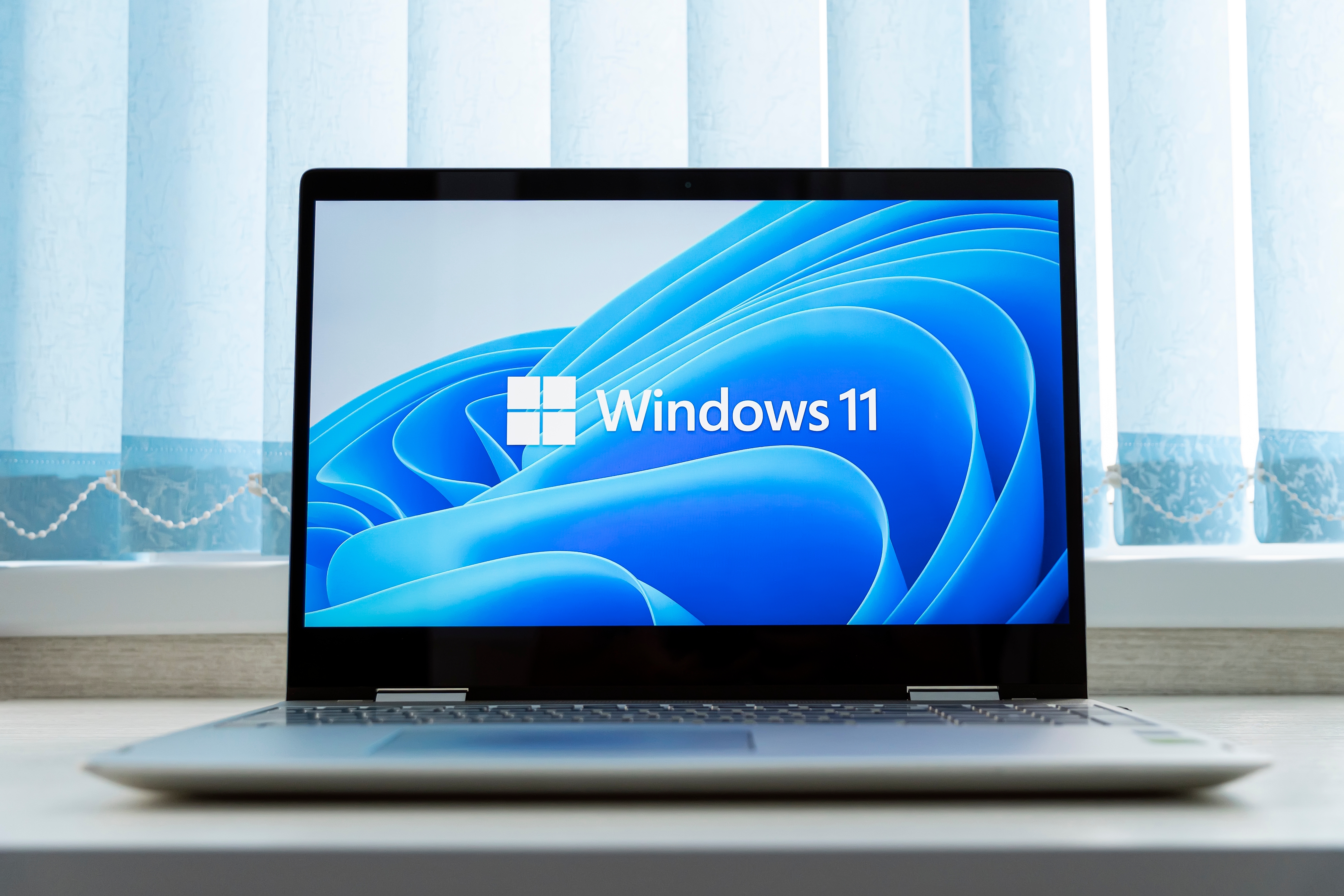
What about laptops with Windows 11, then? Here's where a fallback to 8GB of RAM is looking much more likely, and where things could get sticky. Firstly, bear in mind that we're talking about traditional Windows 11 notebooks here – I'll consider gaming laptops separately in their own entry following this, as they're a somewhat different proposition memory-wise.
Microsoft has a bit of a problem here when it comes to Windows 11 portables, because while 8GB of RAM has been considered a decent enough allocation of system memory previously, it's looking shakier these days.
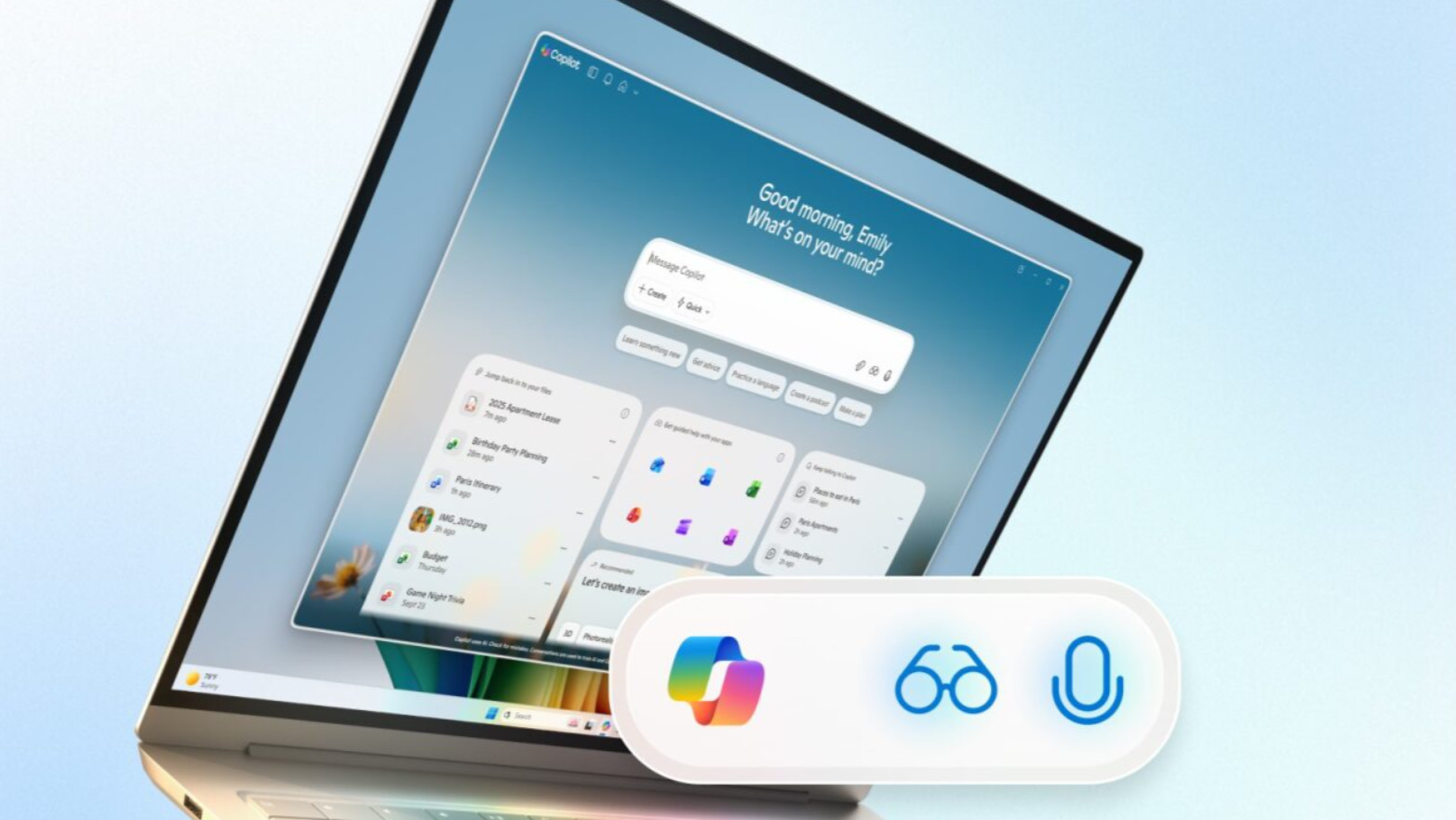
Indeed, Microsoft officially upped the minimum system RAM loadout for Windows 11 to 16GB for a certain newer category of device, namely the Copilot+ PC (otherwise known as the AI PC). These laptops and their AI tricks don't just require a powerful NPU (40 TOPS or more), but also specify 16GB of system memory as a hard requirement (and a 256GB SSD minimum as well).
So, there's no wiggle room here, and we aren't going to see AI PCs with 8GB of RAM, obviously.
In fact, I don't think we'll see any higher-end laptops of the ultra-thin premium kind drop below 16GB of system memory. For starters, they won't want to fail to qualify as an AI PC – as that hardly looks good for an expensive, premium machine. In fact, 8GB says a machine isn't premium, so it's not going to fly in this world at all. Especially as these laptops run with powerful modern CPUs that have great integrated graphics – and those GPUs need to tap the system RAM too (as they're integrated, they don't have their own dedicated video RAM). Such a premium laptop trying to run fluidly with 8GB is going to be a joke, frankly.
(Image credit: Microsoft)
The fate of high-end Windows 11 laptops and Copilot+ PCs appears to be sealed, then, as far as the memory crisis goes. Manufacturers will stick to 16GB and they will jack up prices based on the increased cost of buying more expensive RAM from their suppliers, end of story.
But what about a 'normal' non-AI Windows 11 laptop that isn't a premium offering? In other words, the standard kind of notebook most people plump for. It's here, in the mid-range market, where TrendForce predicts there will be a skew towards 8GB of RAM (based on the report I mentioned in the intro).
So, given that forecast and the likely swelling ranks of these portables, is 8GB going to be okay for a mid-range Windows 11 notebook in 2026? As I already hinted, unlike Chromebooks, 8GB doesn't feel so solid on Microsoft's desktop platform. Those doing somewhat more demanding multi-tasking, or dabbling in gaming, will feel their laptop creaking more in performance terms.
As we forge onwards into 2026, the cold reality is that 8GB is not ideal, but it is still workable – just about. Of course, laptop performance is always going to be difficult to pin down precisely in that it's a 'how long is a piece of string' kind of conundrum, as it depends on what you're doing with the Windows 11 notebook. If it's only basic daily computing chores like web surfing then 8GB will suffice, but really, as each year rolls on, this quantity of memory is becoming less and less tenable.
This issue of future-proofing is where an 8GB allocation of system memory gets a lot trickier. With most laptops, you're looking at this RAM being soldered directly onto the motherboard, with no way to swap it out or upgrade. That means if you want your Windows 11 laptop to last a few years – and ideally, we all want five years, or more, of longevity from a notebook – then how's 8GB going to fare down the line when it's already a bit unsteady on its feet in contemporary workloads? Not well is the short answer.
But sadly, the truth is that due to the RAM pricing crisis, we are almost certainly going to get a lot more middling notebooks that have 8GB but will be priced like they have 16GB – because that's the way the manufacturer is going to avoid pushing the machine out of its mid-range pricing bracket.
There may be another way forward, though, and that's a compromise. Not 16GB, but not 8GB either, and what is likely to happen is that we'll witness something of a rise in popularity for 12GB notebooks. These are still around in small numbers today, but they used to be more prevalent in the past – and I expect their ranks to be bolstered in the new year.
What a 12GB allocation means is a dual-module setup of 8GB plus 4GB, rather than the traditional 2 x 8GB RAM modules. Now, the former isn't ideal in terms of performance (for technical reasons of memory configuration I won't get into here), but it could still give mid-range notebook makers some breathing room in 2026. Compared to 8GB, 12GB is a much more acceptable RAM configuration for Windows 11 users who will be doing more multi-tasking and running workloads beyond the mentioned basic computing duties – and it'll keep price hikes to a more palatable level with such models.
(Image credit: Shutterstock)
Windows 11 gaming laptops
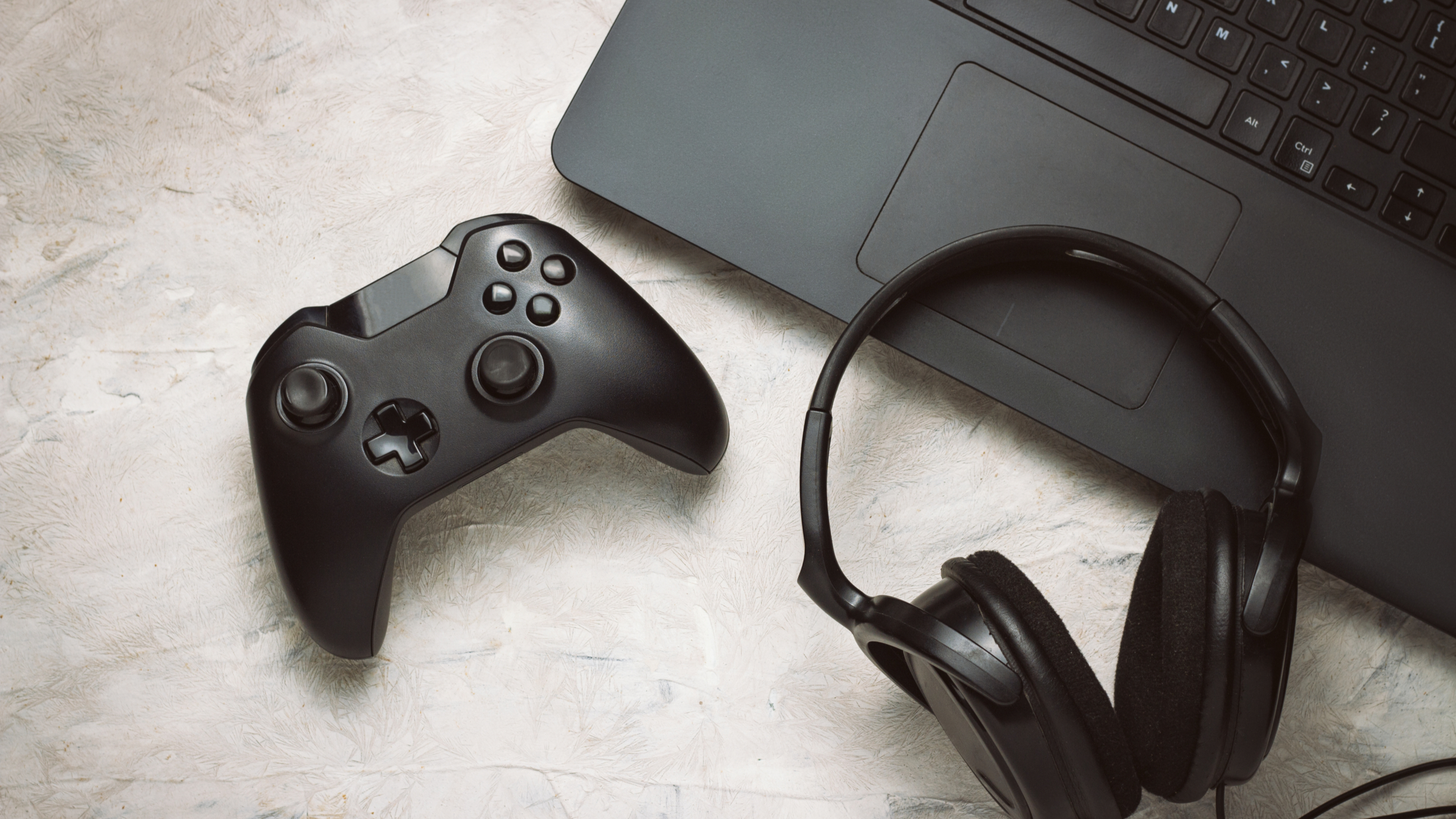
Gaming laptops are obviously somewhat different from standard Windows 11 laptops, as they will be undertaking some demanding workloads, running potentially intensive games, of course – and that's where 8GB of RAM really isn't going to be enough.
So, we could see a resurgence of 12GB laptops in the more budget-friendly Windows 11 gaming device category more than anywhere else, if pricing corners need to be cut. Especially when you consider that there are even more cost pressures on these notebooks, as a gaming laptop also needs to run with a discrete (standalone) GPU with its own video RAM, and VRAM is also rising in price, of course – making this a double-whammy.
Alternatively, what some gaming laptop makers may do with more affordably pitched notebooks is to run with 8GB (soldered) but build in a RAM expansion slot, so the buyer of the device can purchase a memory upgrade of another 8GB at a later date, when RAM prices have gone back to normal.
There's going to be a lot of heat on gaming laptops, though, considering that Microsoft doesn't just recommend 16GB for these machines, but 32GB as the ideal loadout for "serious players who run the most demanding titles or use heavy mods" (as Neowin recently spotted).

(Image credit: Shutterstock/insta_photos)
Final thoughts
In summary, then: while Chromebooks are still very much good-to-go with 8GB, and MacBooks don't run with that amount of RAM anymore, and are less likely to be affected by 'RAMageddon' for the reasons discussed above, it's Windows 11 notebooks that are more in the firing line.
It's arguable whether 8GB is enough anymore for devices running Microsoft's OS, and it's looking overly lean for my liking these days – especially through the lens of any kind of future-proofing. And that's going to be a problem for laptop makers looking to cut costs by trimming memory allocations on mid-range models.
As we've seen, though, there are other avenues to explore in terms of workarounds to avoid higher price markups. That includes the possibility of more 12GB loadouts, or including a RAM expansion slot, in order to side-step the worst effects of the memory crisis – although this assumes that said crisis isn't going to last for a long time.
And that's certainly the hope, but most predictions are foreseeing the RAM crisis making life very difficult throughout the whole of 2026. Where opinions differ is whether 2027 should see the worst of this in the rearview mirror, or whether we're looking more at 2028 for this memory storm to abate. And the latter, more pessimistic forecast could leave the aforementioned memory workarounds for laptops less than ideal in terms of being a longer-term fudge, but let's hope it doesn't come to that.
Meanwhile, you should be prepared to see more 8GB laptops on the shelves this year, certainly in the world of Windows 11 machines, but also for notebook makers to get creative in 2026 with other cost-cutting measures like compromise RAM solutions. It'll be interesting to see how Apple copes with all this, too, and what happens with MacBooks.
Follow TechRadar on Google News and add us as a preferred source to get our expert news, reviews, and opinion in your feeds. Make sure to click the Follow button!
And of course you can also follow TechRadar on TikTok for news, reviews, unboxings in video form, and get regular updates from us on WhatsApp too.
Darren is a freelancer writing news and features for TechRadar (and occasionally T3) across a broad range of computing topics including CPUs, GPUs, various other hardware, VPNs, antivirus and more. He has written about tech for the best part of three decades, and writes books in his spare time (his debut novel - 'I Know What You Did Last Supper' - was published by Hachette UK in 2013).
You must confirm your public display name before commenting
Please logout and then login again, you will then be prompted to enter your display name.