Love it or hate it, but frame generation is the one major graphics technology that really needs improving in 2026
Upscaling is almost perfect. Now it's frame gen's time.

(Image credit: CDPR)
When it comes to GPUs and graphics technology, I know what I'd like to see in 2026. Super-modern processors that are a substantial leap forward in terms of performance, capabilities, and affordability. We won't get that, of course, because we didn't get that this year. Or last year. But there is something GPU-related that can be a lot better, and that's frame generation.
Ever since GPU upscaling and frame generation first appeared (DLSS 1.0 in 2019, DLSS 3.0 in 2022), I've always held the opinion that if you couldn't tell they were working, other than just from the performance lift, everyone would be happily using them by default. With the first iteration of both technologies and their corresponding alternatives from AMD and Intel, you could very much tell they were being used, and that's only served to tarnish their reputations.
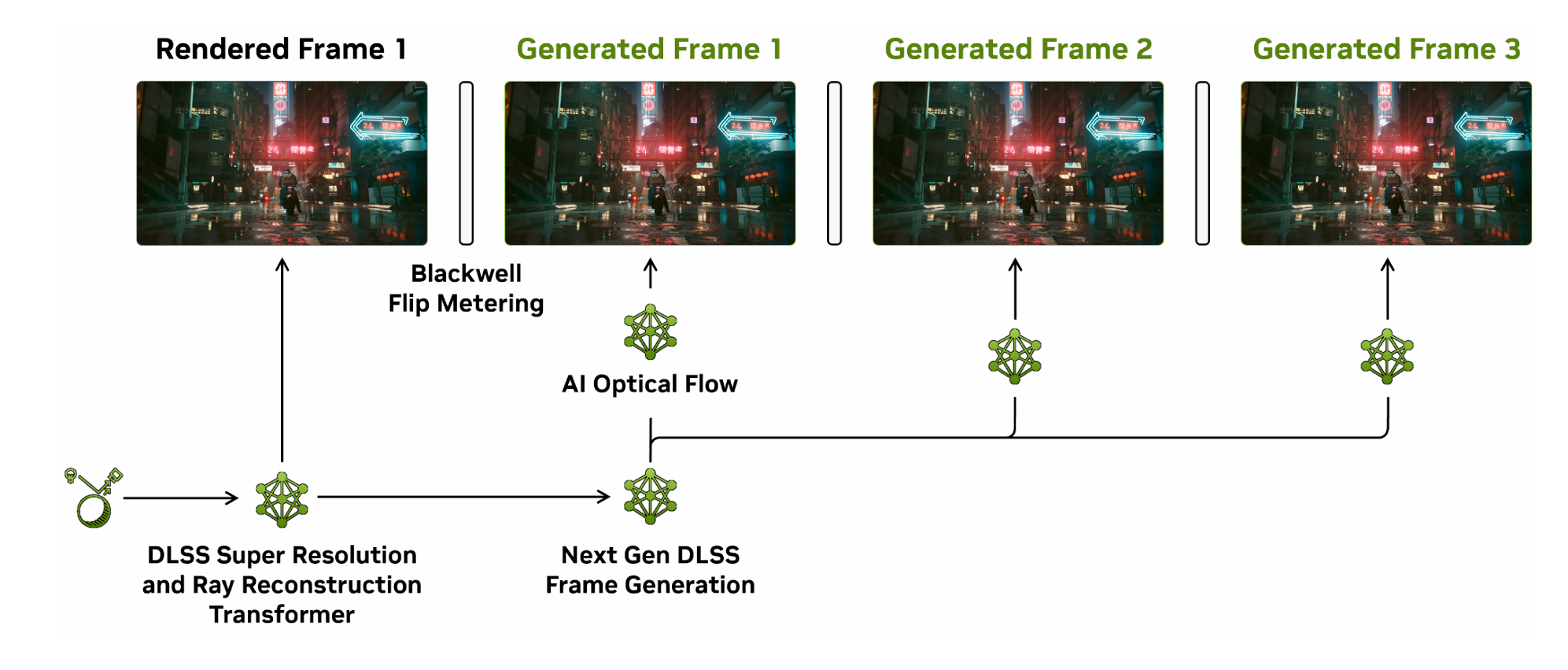
DLSS Quality upscaling + 3X frame generation
Ryzen 7 9800X3D, GeForce RTX 5090, 4K, Ultra preset
There's no way around the latency issue with frame interpolation, unless you start delving into the world of predicting input changes (which is a whole different tech), but I can live with it in certain games. What I can't live with is when frame gen turns my perfectly rendered and upscaling graphics into a wonky, blurry mess.
Keep up to date with the most important stories and the best deals, as picked by the PC Gamer team.
If Nvidia, et al can properly sort out the visual quality of frame generation in 2026, then I'll be happy to use it as intended: a simple switch to seriously boost performance in games that comfortably hit 60 fps. My worry is that we won't because GPU companies can't usually sell more of their latest graphics cards this way. Instead, they tend to use tech like ray tracing or performance metrics such as FP32 TFLOPS to promote new GPUs.
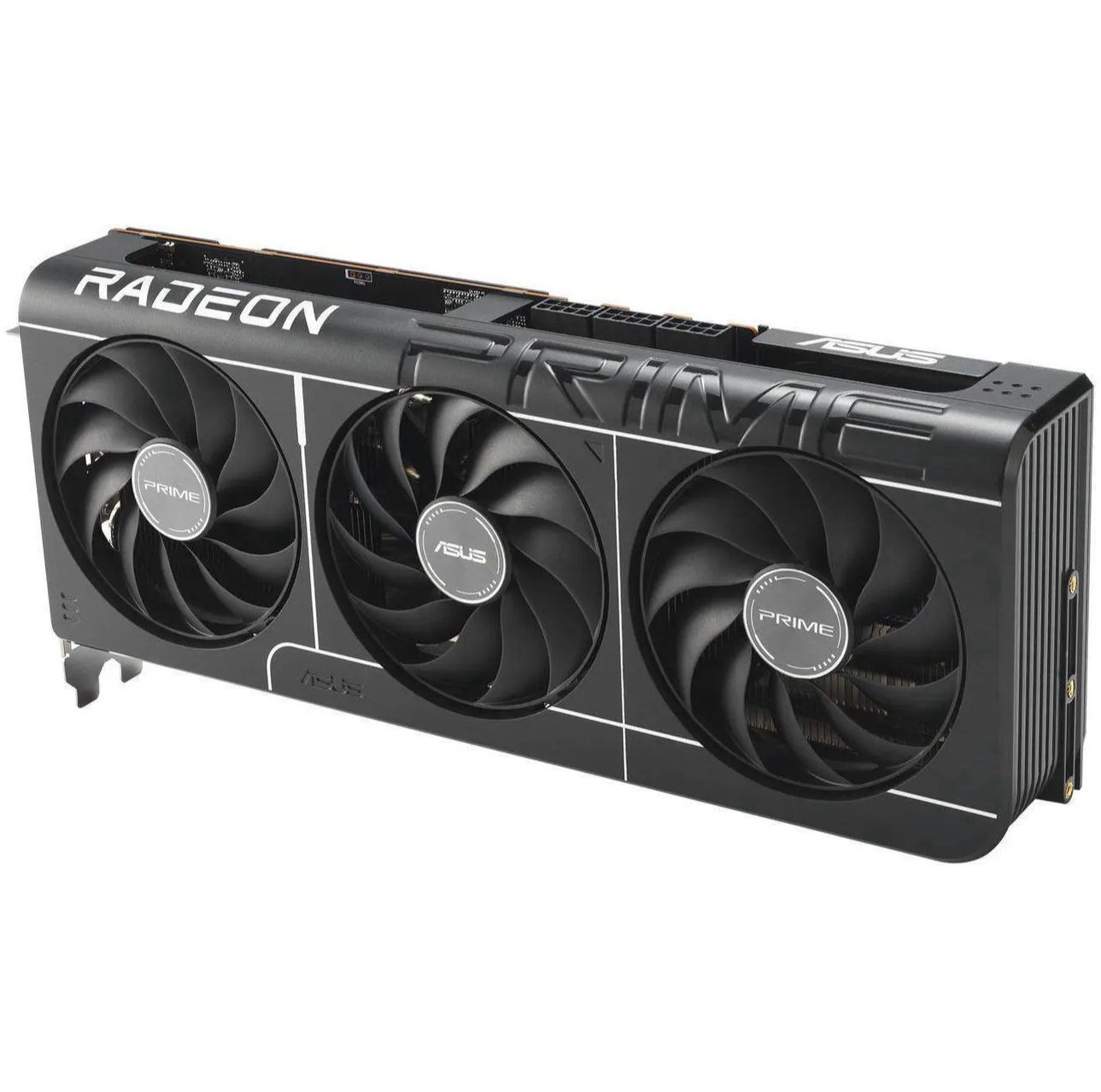
FSR 4 Frame Generation being tied to RDNA 4 GPUs is the exception for AMD, not the norm, though Nvidia ties pretty much every new DLSS feature to a certain GeForce series. At least Intel's AI-powered interpolator works on every Arc card.
Image
1
of
3
(Image credit: Nvidia)
However, we're almost certainly not going to see any new GPU architecture in 2026, even if Nvidia Super updates miraculously appear or Intel actually launches its big Battlemage G31-based card, they'll have no actual physical changes inside the chips.