Meet Project Patchouli, an open-source drawing tablet project to 'build your own tablet from scratch'
You will need some electronics knowledge, though.
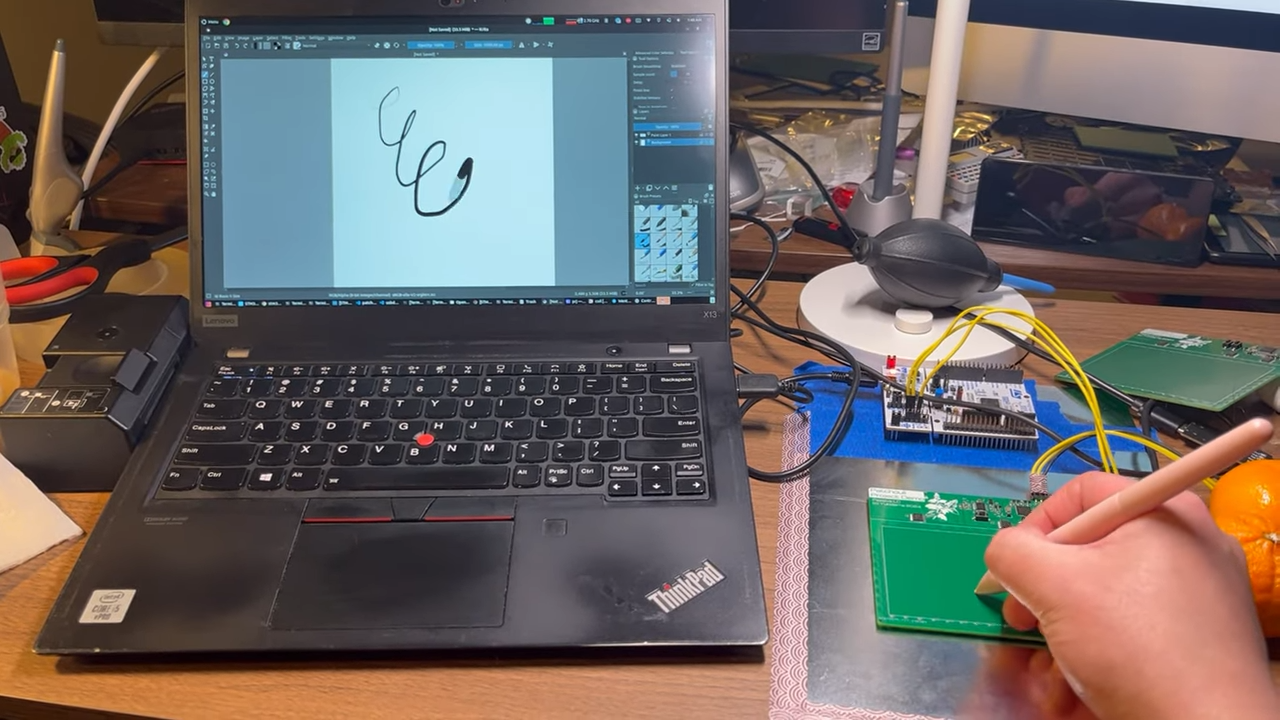
(Image credit: Yukidama on YouTube)
For something intended to mimic good old pencil and paper, drawing tablets and the tech behind them are surprisingly complicated. If you fancy a crash course in how they work and want to build your own from scratch, I have the open-source project for you.
Project Patchouli from designer Yukidama is a project to "build your own EMR tablet from scratch". As helpfully laid out in Yukidama's YouTube video, an EMR tablet is one that uses Electromagnetic Resonance that sends a signal to a tablet, which is then translated by the tablet. It's a quick and responsive bit of technology, but different pen vendors work off different frequencies, which can impact compatibility.
Build your own EMR Tablet from scratch - YouTube 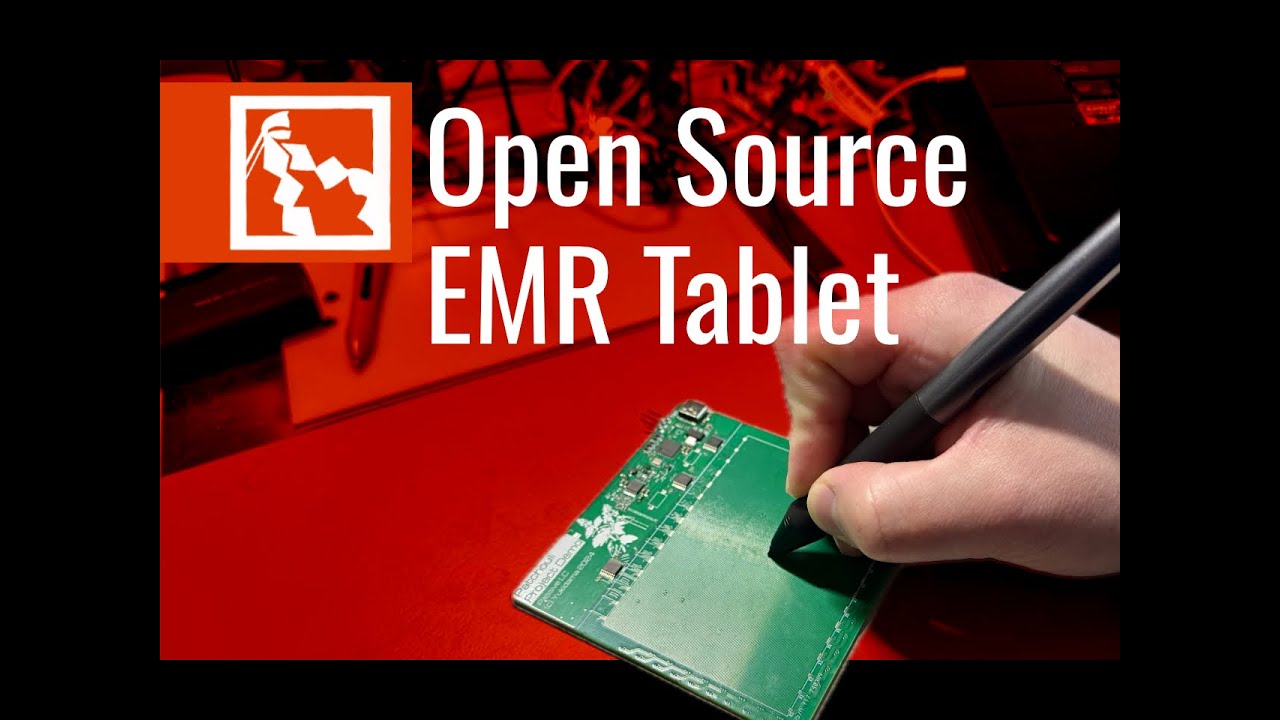
Much of the hardware blueprints are in CAD files, which means (for most) having to send those files off to get created by a circuit board manufacturer. A project like this won't be done on a whim, but it's still rather impressive.
Over on the Project Patchouli Discord, Yukidama has said that they are looking into documentation so that the non-initiated can also replicate the project and has said, "Please let me know if there's something you want to know in particular, so I can include them in the guide." Though I'm tempted to say 'well, all of it', I do think the YouTube video does a good job at explaining the background of EMR tech and why artists use EMR tablets.
Keep up to date with the most important stories and the best deals, as picked by the PC Gamer team.
In a sense, one could look at this more as a proof of concept than a replacement for a drawing tablet. Modern drawing tablets will have all kinds of neat software and hardware handshakes like tilt control or high-pressure sensitivity, and they will be a good bit bigger than the rather small tablet Yukidama is using. But what makes it interesting is that the tech is there and ready to use. It being open-source allows someone else to pick up the project and run with it.
Still, if you have the will to make one, and don't mind contacting a PCB manufacturer of some kind, this not only seems like a solid way of getting around pencil compatibility issues but also a way of learning about tech that you may not have put much thought into until now, I know It's certainly made me a little more appreciative of drawing tablets.