Minister ‘working every day’ as flood disaster strikes state’s north
The disaster recovery minister had booked leave for shortly before Christmas, when regions in North Queensland copped a year’s worth of rain.
The Queensland government has defended the minister responsible for flood recovery after she booked leave that coincided with the state’s peak summer disaster season.
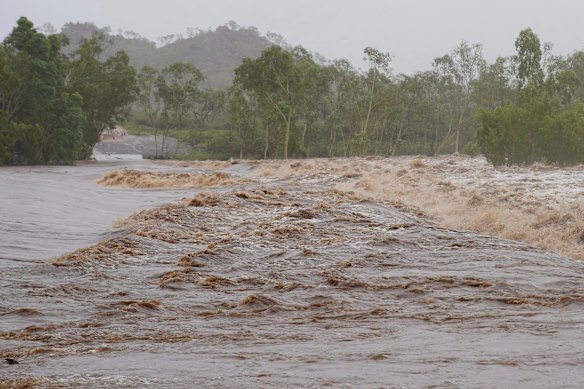
Parts of the central and northern Queensland coast received a third of their annual rainfall during the Christmas and New Year period, with some towns between Cairns and Townsville recording upwards of 1300 millimetres.
Bureau of Meteorology senior meteorologist Angus Hines said flooding had reached moderate levels in coastal parts of central and northern Queensland, but widespread rainfall over inland regions had seen major flooding of the Flinders and Western rivers.
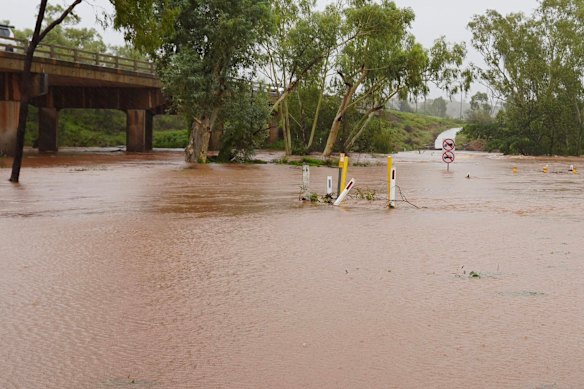
Cloncurry, 100km east of Mount Isa, recorded more than 420mm of rain between Christmas Eve and January 1.Credit: Cloncurry Shire Council
“This part of the country typically averages between 450 and 600 millimetres of rain in a year, so, for some of these spots, it’s about a year’s worth of rainfall falling in approximately the space of a week towards the end of 2025,” Hines said.
Deputy Premier Jarrod Bleijie said despite criticism of Disaster Recovery Minister Ann Leahy’s leave arrangements, which had been scheduled to start just as heavy rain hit the state’s north, “she actually didn’t go on leave”.
“She cancelled her leave the day she went on leave because of this … she’s been working every day,” Bleijie said from the Sunshine Coast, where he spoke to the media about funding for police helicopters in the region.
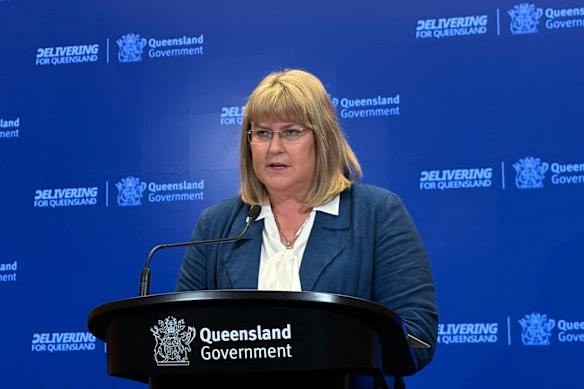
Disaster Recovery Minister Ann Leahy had booked leave from the final week of December.Credit: Catherine Strohfeldt
Leahy has not travelled to North Queensland, but has been speaking with mayors in the affected regions and has joined disaster management committee meetings online.
While rainfall eased from about Wednesday, Hines said inland regions might not have seen the worst of the flooding.