My gift to Windows 11 users — here are 10 keyboard shortcuts I can't live without
SOURCE:TechRadar|BY: Marcus Mears III
Quick screenshots, easy emojis, and more – I use these shortcuts almost every day.
Windows 11 shortcuts that are actually worth remembering (Image credit: Shutterstock / KUMOHD)
I know, I know – keyboard shortcuts are hard to remember, and most of them are so niche they're not even worth trying to waste memory on.
But some are incredibly useful, and I've put together this list of the shortcuts I actually use day-to-day for work, browsing, and gaming.
You may already know some of them – but I'm willing to bet you'll learn at least one new trick from this article that'll save you time and Windows-fueled headaches.
Swipe to scroll horizontally
Cheat sheet to my top 10 Windows keyboard shortcuts
Shortcut
What it does
Windows + .
Opens the Emojis and more table
Windows + Shift + S
Opens the Snippet tool for screenshots and recordings
Windows + Alt + Arrow keys
Snaps the active window to part of the screen
Windows + Shift + Arrow keys
Moves the active window between multiple displays
Alt + Tab
Cycles through active windows
Windows + Alt + G
Records a 30-second clip of gameplay
Ctrl + arrow keys
Skips cursor through words of text
Ctrl + F
Opens the Find function in browsers
Ctrl + R
Refreshes the current browser page
Ctrl + Shift + T
Opens recently-closed tabs
1. Windows + .
(Image credit: Future)
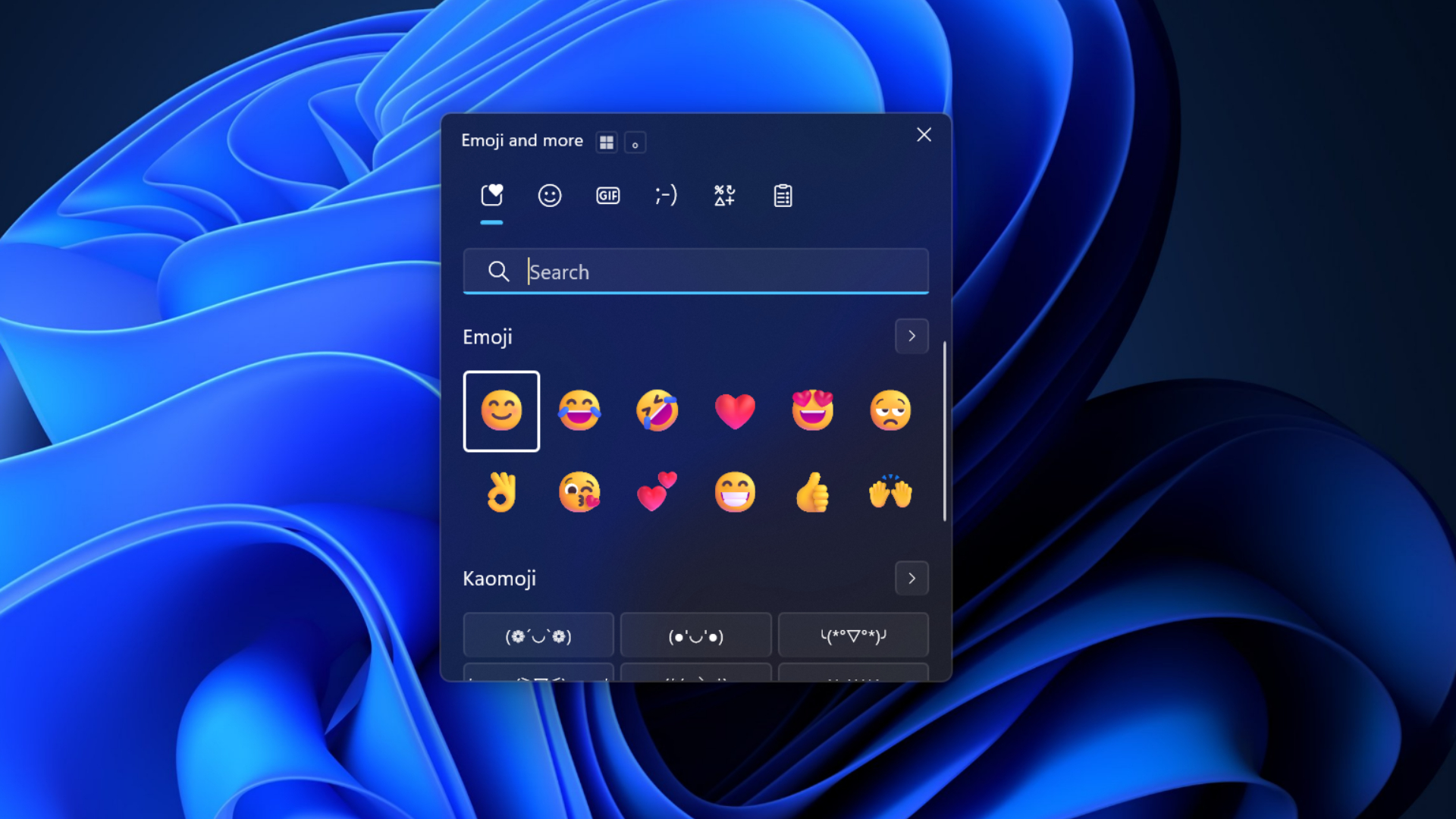
Windows + . is an incredibly handy little timesaver that not many users know about.
If you've ever Googled 'skull emoji,' tried to find an ASCII face like '( ͡° ͜ʖ ͡°),' or realized you need the link you copied to your clipboard an hour ago, this shortcut, which opens the 'Emojis and more' table for you.
Sign up for breaking news, reviews, opinion, top tech deals, and more.
It's also invaluable for those who need to use special symbols like Em dashes (—), arrows (→), and various currencies ($ or £).
Windows + V will take you straight to your clipboard history, where you can see past text you've copied with Ctrl + C, and even recent screenshots you've taken. Clipboard history is disabled by default, but will still get you there to enable it.
Windows + Shift + S is far better than using PrtScn for screenshots because you can choose to grab either a rectangular area of your choosing, just the active window, your entire screen (taskbar and all), or even a freeform shape.
You can also use the toolbar at the top of Windows + Shift + S to switch to screen recording, a color picker that returns Hex, RGB, or HSL values, or a text grabber that allows you to quickly copy words from images or stubborn PDFs.
Plus, once you take a screenshot, you can paste it straight into chats or image-editing software with Ctrl + V.
Screenshots taken this way will be saved to the 'Screenshots' folder by default (not Downloads!)
3. Windows + Alt + Arrow keys
(Image credit: Future)
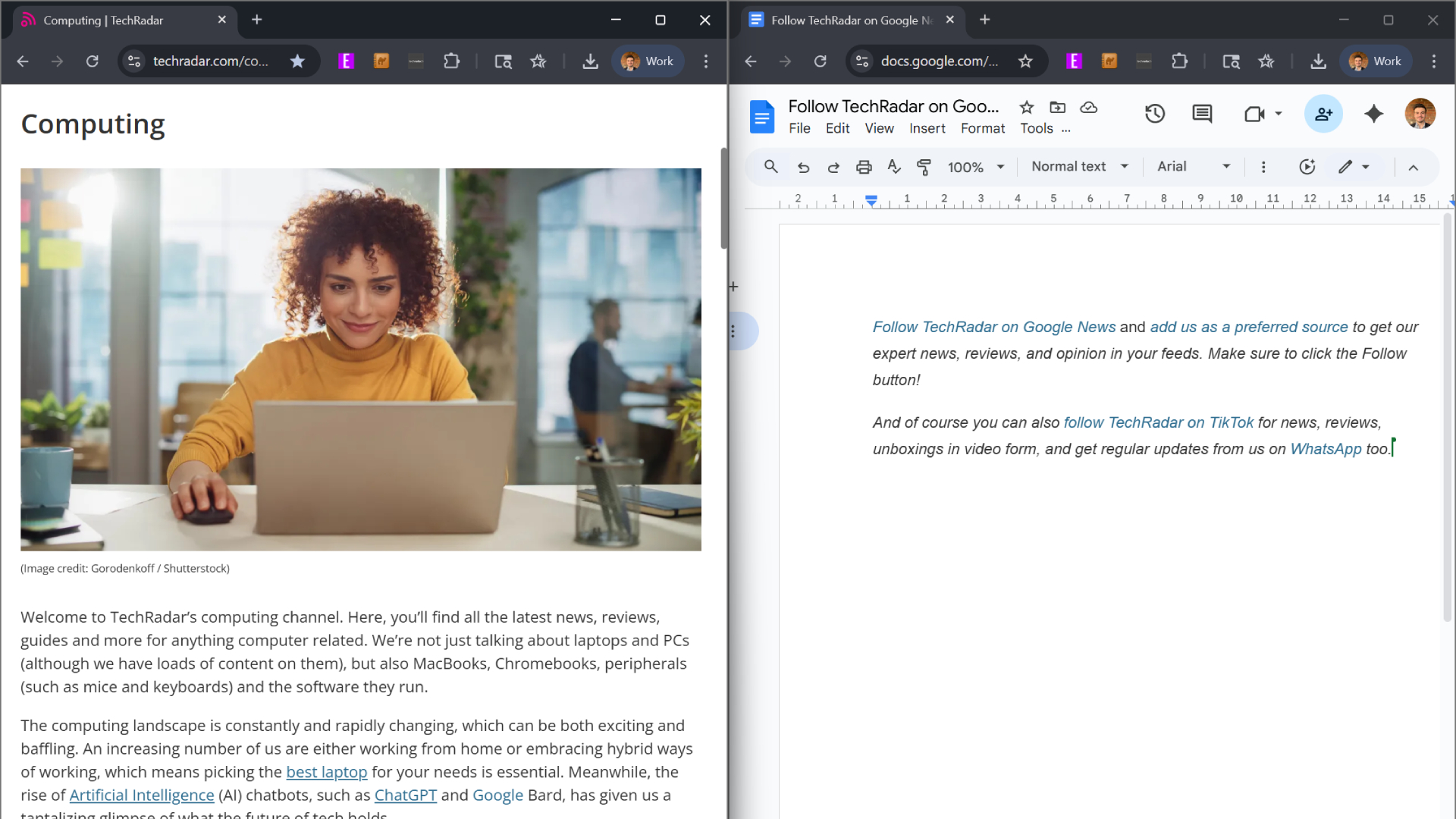
If you ever need to divide your screen up into halves or quadrants – so that you can read an article on the left side of your screen and take notes on the right half, for example – you can use Windows + Alt + Arrow keys for quick cycling between them.
4. Windows + Shift + Arrow keys
This one is for the multi-display users in the audience. If you kitted your setup with two or more of the best monitors, Windows + Shift + Arrow keys is a lifesaver.
You can quickly throw a full-screen video from your left monitor to your right one without having to exit full screen, drag the video over to the other monitor, then re-enter full screen.
It's also great for productivity, allowing you to quickly move spreadsheets or documents to your second monitor.
And for gamers, if a game starts on the wrong monitor you can move it to the correct one (though sometimes this will mess with the game's display resolution).
Plus, it comes in handy when Task Manager opens behind an unresponsive app and you can't access it otherwise.
5. Alt + Tab
(Image credit: Future)
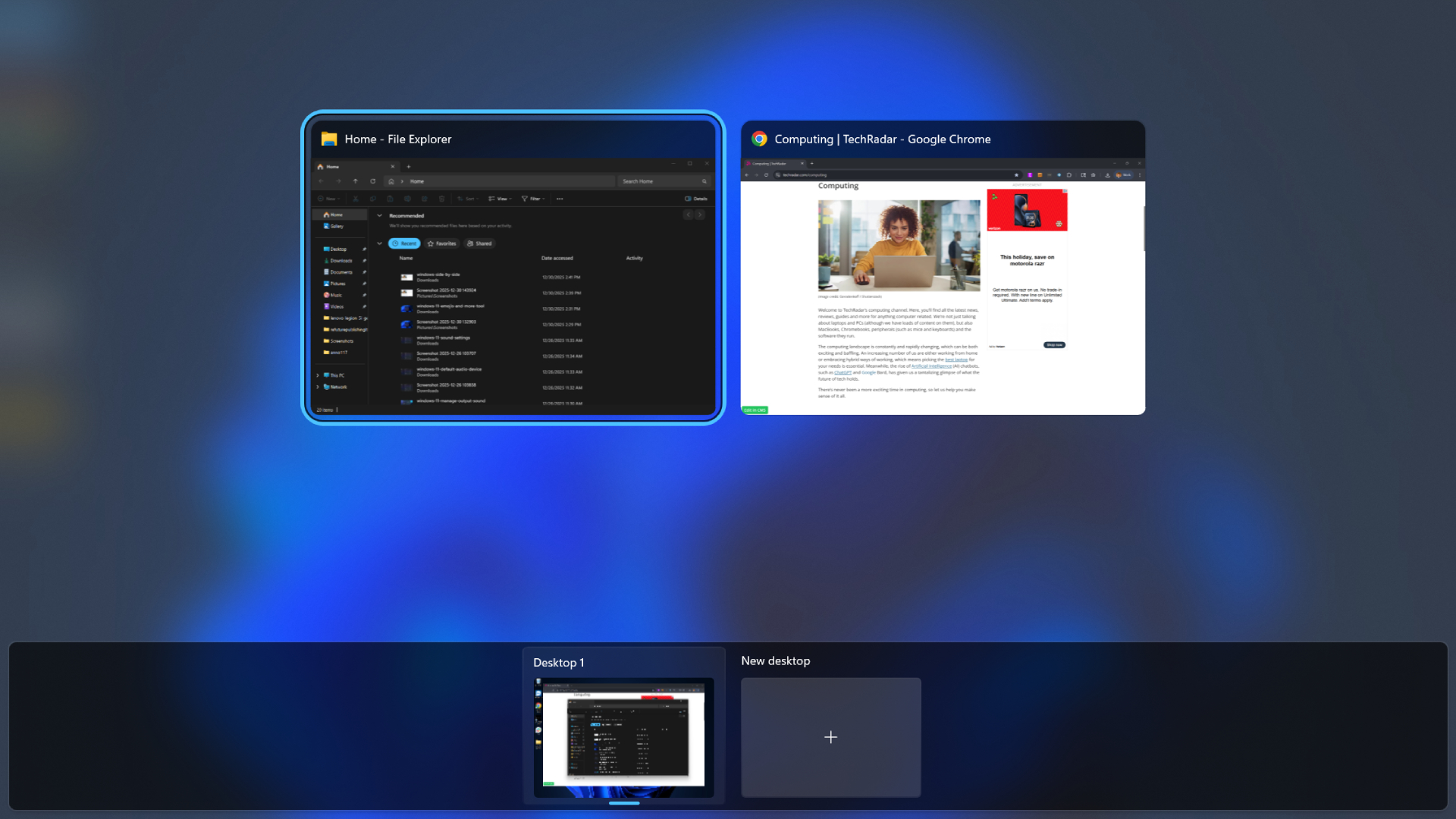
Most of you with skin in the Windows game will be very familiar with Alt + Tab. It's a tried and true time-saver, letting you quickly flip through open windows without having to click around.
But it's so useful that I had to include it in this list just in case someone isn't already using it – if this shortcut were to disappear I might genuinely consider switching to Linux.
You can also use Windows + Tab to see all your open windows across multiple desktops, and it's better than Alt + Tab in some cases (for example when you want to look through your open windows without constantly holding down Alt).
6. Windows + Alt + G
(Image credit: Future)
If you want to capture highlights of your gameplay, share funny moments with friends, or have a replay to confirm your suspicions of a cheating enemy, Windows + Alt + G is the way to go.
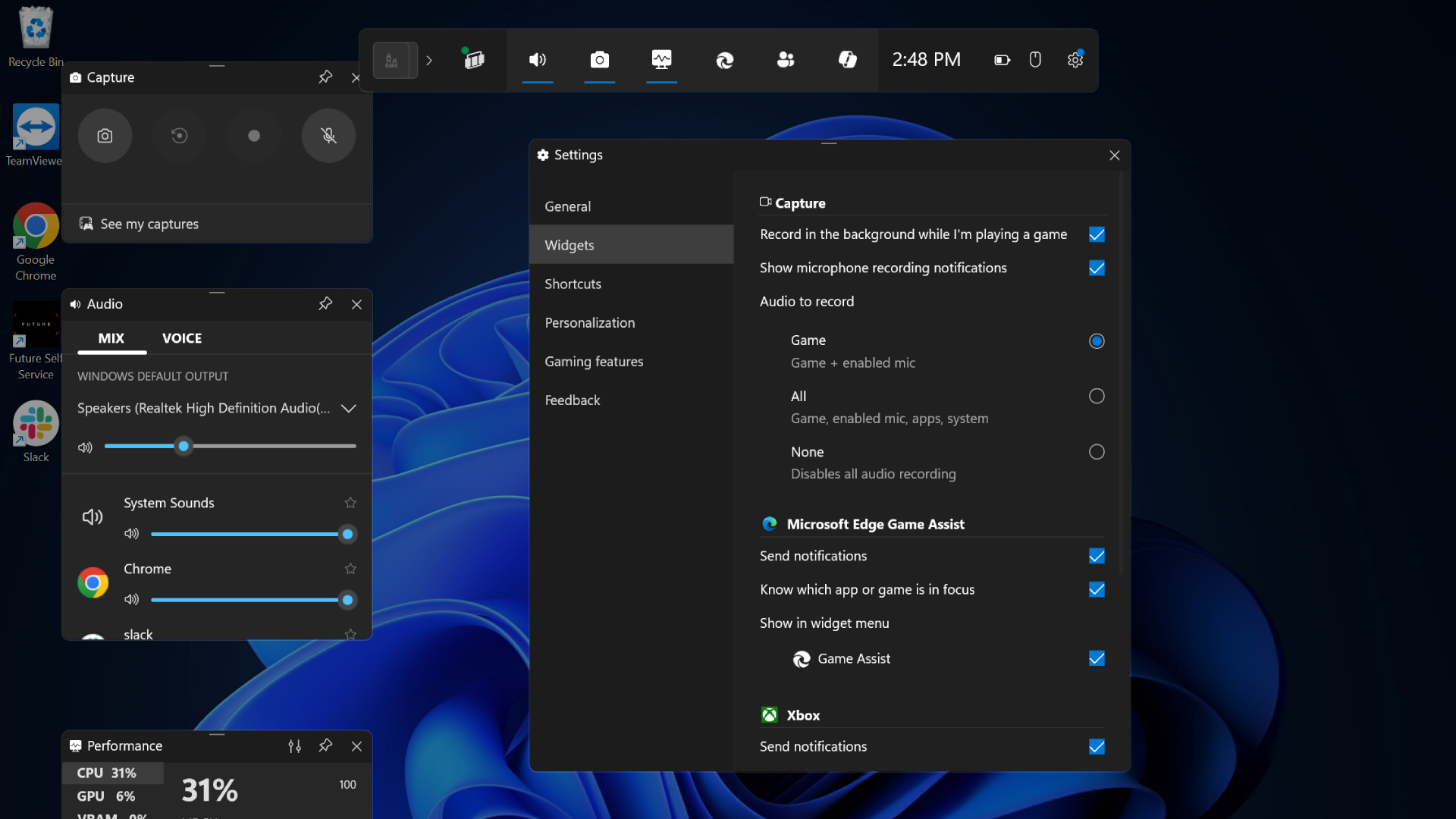
You'll have to enable it before you can use it though, so be sure to open Xbox Game Bar with Windows + G (you do not need to own an Xbox), click the gear icon in the top nav bar to head to settings, then click Widgets and enable 'Record in the background while I'm playing a game.'
Once enabled, Windows + Alt + G will create a clip of the past 30 seconds of gameplay and save it to your Captures folder (in Videos).
You can also choose whether it records solely game audio, or desktop audio as well (which will capture mic inputs from Discord, for example). You can also use Windows + Alt + R to start an ongoing screen recording.
7. Ctrl + Arrow keys
Ctrl + Arrow keys is great for quickly navigating text. It jumps your cursor to the start or end of a word, and can be used in combination with Shift (Ctrl + Shift + Arrow keys) to highlight entire words or lines of text at a time.
It's perfect for grabbing certain sections of text to copy and paste or delete without using your mouse or Ctrl + A, which highlights all of the text on a page or in a text input field.
If you want to highlight text letter by letter, or line by line, use Shift + Arrow keys.
8. Ctrl + F
(Image credit: Future)
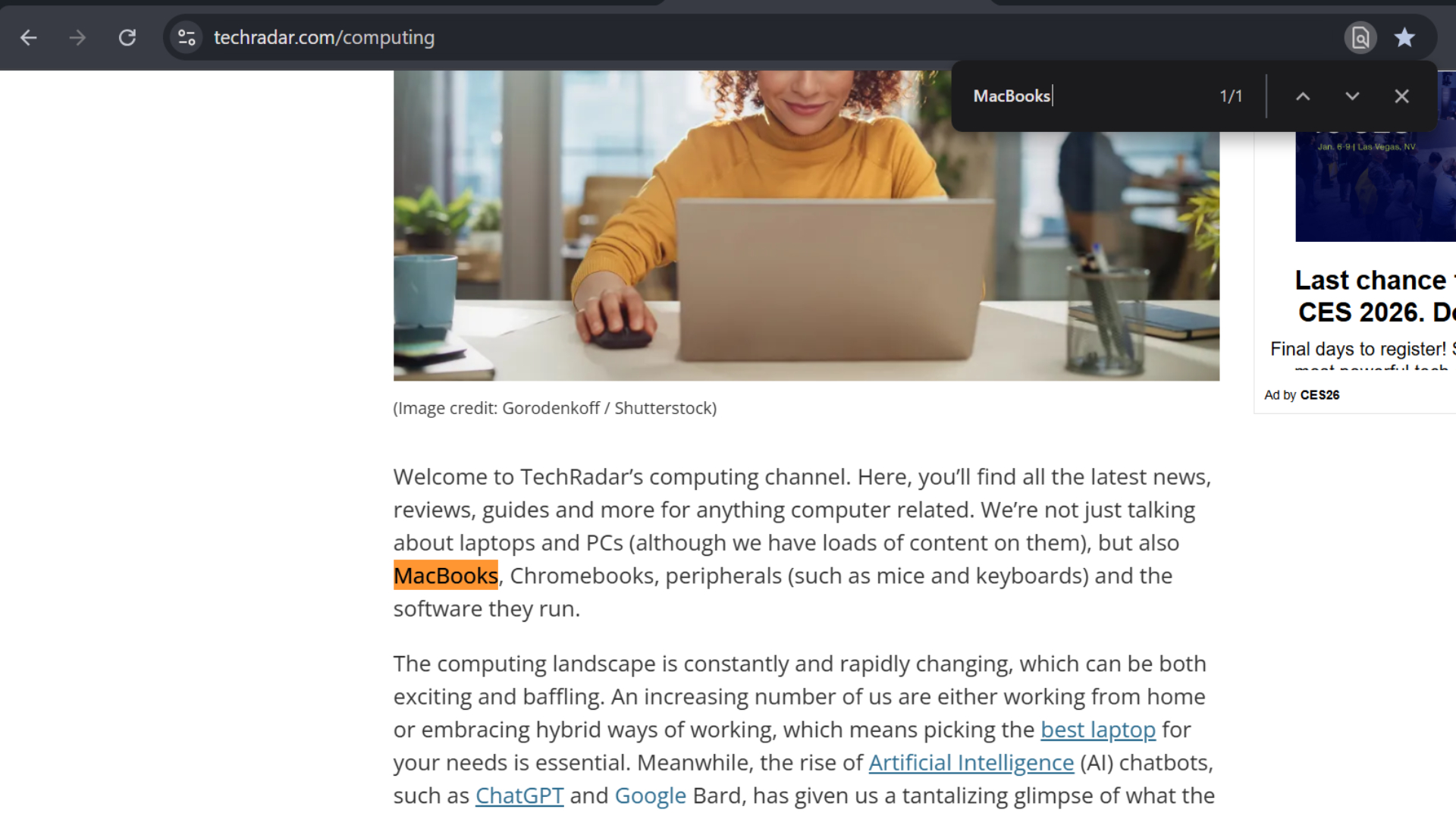
I've saved my friends countless hours with this one. If you're searching for a name, a date, or even just a certain letter in a document or web page, Ctrl + F will do the searching for you.
After using Ctrl + F to bring up the search field, simply type in whatever you're searching for and use the arrow keys to the right of the search bar to jump directly to the text you want.
It also tells you how many times a certain word, number, or phrase appears on the page, which is useful if you're writing a paper so you can see when it's time to sub in a synonym. I just used Ctrl + F to see that this is the first time I used the word 'paper' in this article (it just jumped to two).
9. Ctrl + R
Ctrl + R refreshes the browser tab you're currently on, which is great for getting fresh results on limited-time sales events, live-blog pages, and YouTube recommendations, among other things.
10. Ctrl + Shift + T
Ctrl + Shift + T will open recently-closed tabs on browsers including Chrome, Firefox, Edge, Opera.
This is a huge time-saver if you close a tab only to realize you need to look at it again, or if you accidentally close the entire browser and need to get your tabs back.
It reopens tabs in the order they were closed, so if you need multiple tabs open again just use Ctrl + Shift + T multiple times.
Got a favorite Windows 11 shortcut of your own? Let me know in the comments below!
And of course you can alsofollow TechRadar on TikTokfor news, reviews, unboxings in video form, and get regular updates from us onWhatsApptoo.
Marcus Mears III is the Computing Reviews and Buying Guides Editor at TechRadar. He's been covering the latest in consumer tech for over 5 years, and he's gone hands-on with everything from the M2 MacBook Air to Valve's Steam Deck. Marcus is an advocate for Right to Repair laws and believes everyone can benefit from getting under the hood of your daily-driver tech. He'll also beat you in Texas Hold 'Em, too.
You must confirm your public display name before commenting
Please logout and then login again, you will then be prompted to enter your display name.