My year in smartphones – 2025 was the year of the AI phone
New-ish looks, better cameras, and a whole lot of AI marked my 2025 smartphone journey.
(Image credit: Lance Ulanoff / Future)
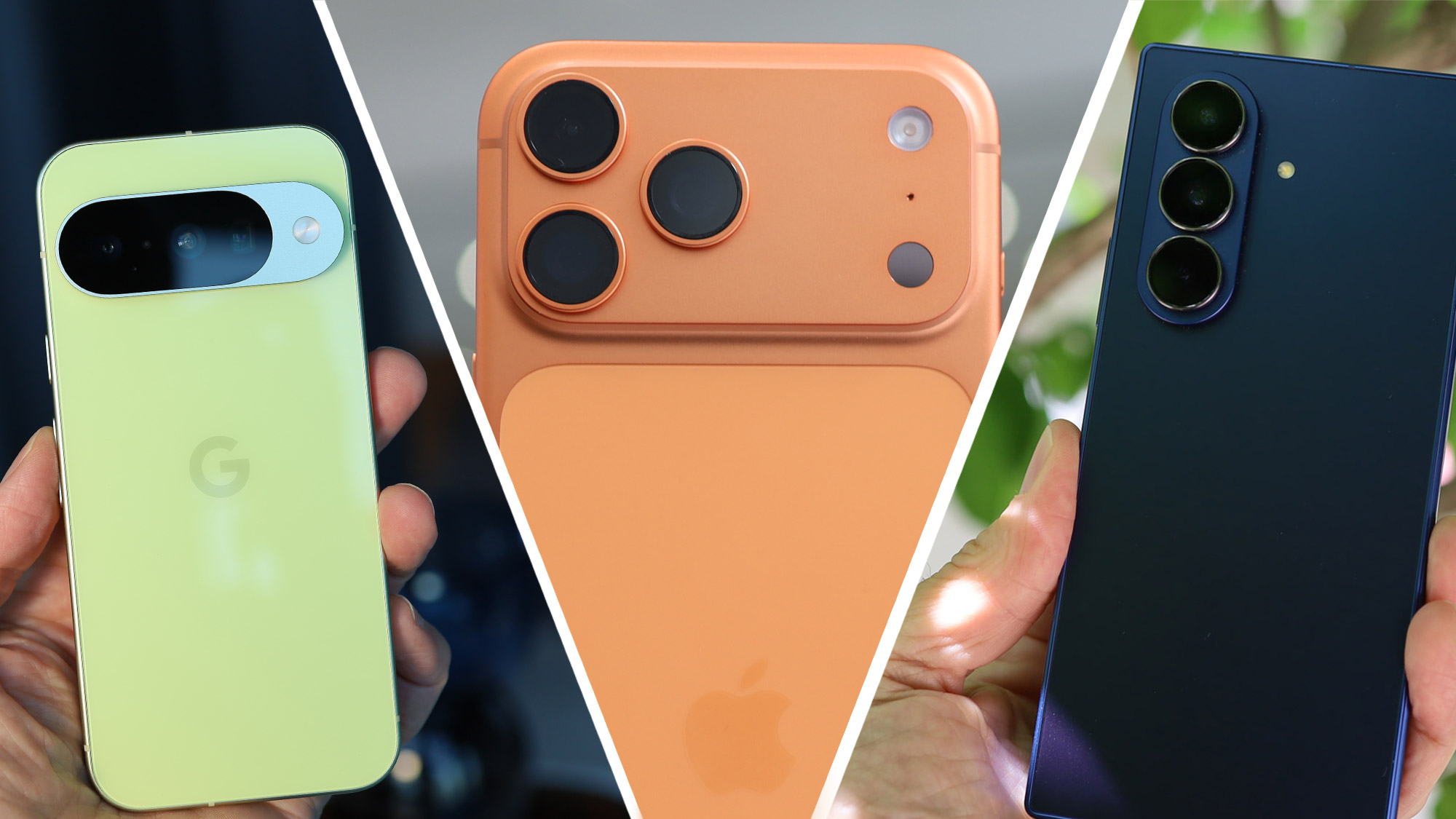
Don't let anyone fool you; 2025 was not the year of the ultra-thin phone. Sure, there were some excitingly svelte handsets like the iPhone Air and Samsung Galaxy S25 Edge in the mix, but my recollection across 12 months of reviewing and writing about new smartphone technology is that all anyone cared about was AI.
And, guess what, that won't change in 2026.
Samsung Galaxy S25 Ultra lived up to its name
(Image credit: Future / Lance Ulanoff)
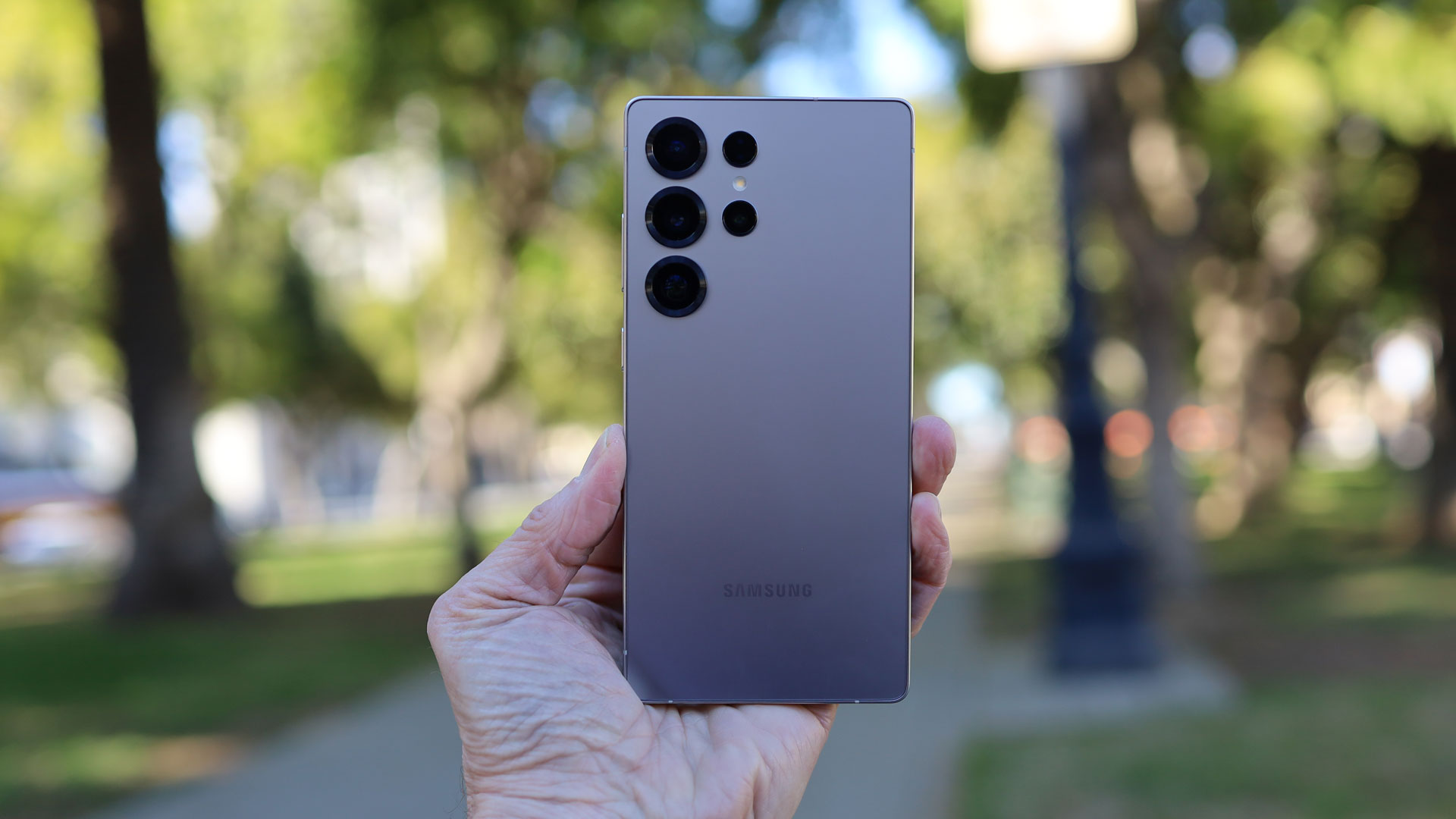
My year started with the Samsung Galaxy S25 Ultra, a do-everything slab of Gorilla Glass and metal that thankfully still includes the ever-useful S Pen. At the time, I called it the "ultimate Android" phone, a label that I still think it deserves, despite the appearance of the slim Galaxy Z Fold 7 and Google's excellent Pixel 10 Pro.
Samsung is now leading the pack when it comes to AI stuffing, offering not one, but two generative AI systems to manage words, video, images, and more. It's a fantastic handset full of great cameras and a fair bit of positive tension between Samsung Galaxy AI and Gemini AI. I'm not always convinced we need two AI platforms on one phone, but they mostly complement each other.
Like many of the phones I saw this year, though, the focus on AI upgrades means that we didn't see many major hardware enhancements. Though the S25 Ultra's subtle redesign swept away all cuteness in favor of a bold, almost tough look that I rather like.
The phone also marked the start of a trend toward even better photo and video capabilities. Samsung doesn't, as Apple often does, market its phones as pro-level video tools, but I think the chops are there, if not the promotional push.
Samsung's next major release would prove to be my favorite among the Galaxy line, and, if not the best phone of the year, a very close second.
Sign up for breaking news, reviews, opinion, top tech deals, and more.
My favorite folding phone of the year
(Image credit: Lance Ulanoff / Future)
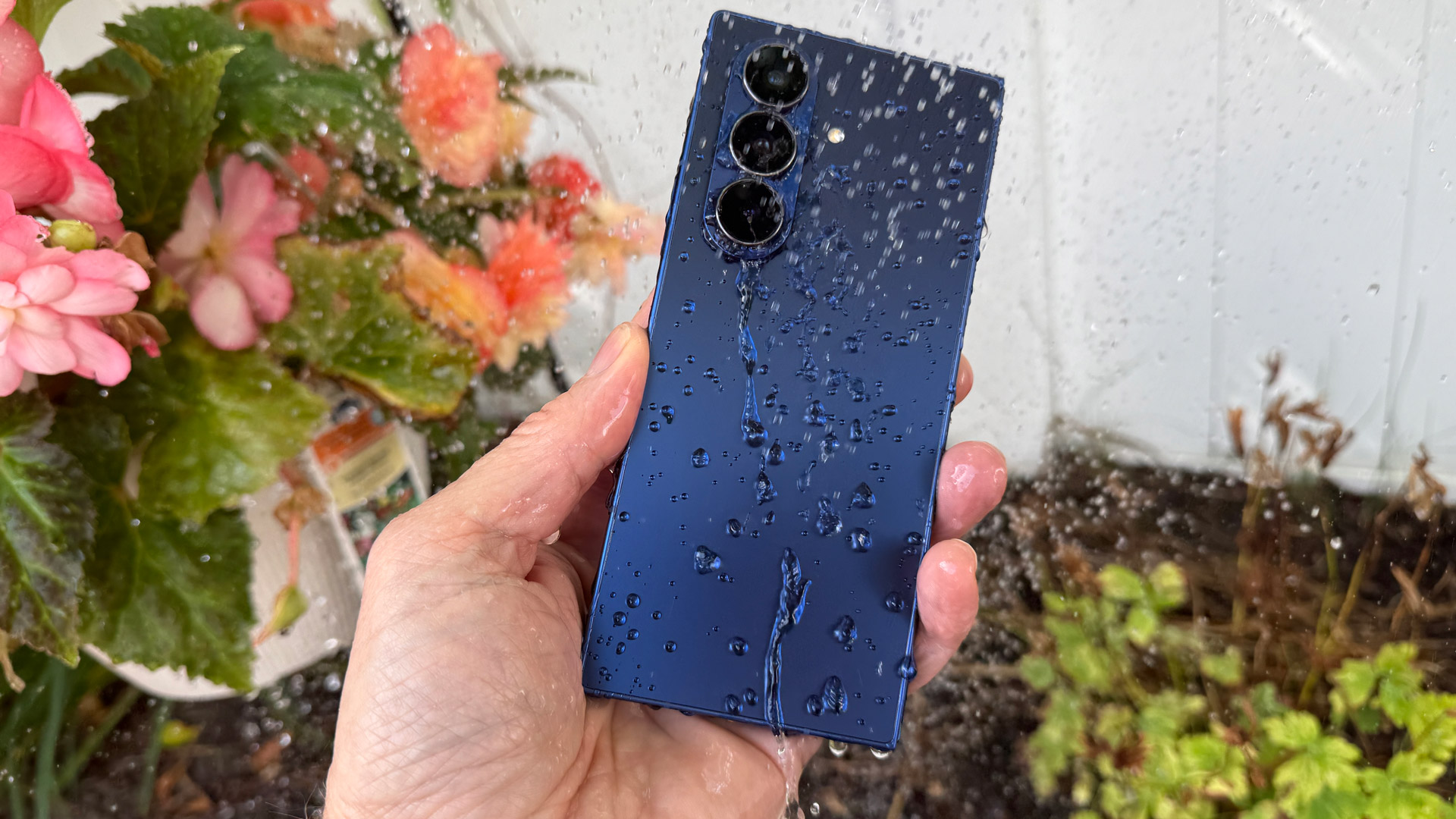
It is hard to describe my shock when Samsung unveiled the 4.2mm thick, 215g Samsung Galaxy Z Fold 7. Not only is it significantly thinner than the last Fold, but that thin frame means that, even folded, the Z fold 7 is thinner and lighter than the Galaxy S25 Ultra.
There was some give and take here. While the Z Fold 7 got its own 200MP sensor (and does take lovely photos and videos), it lost support for the S Pen. That hurt because I loved drawing on that 8-inch flexible display (I still remember walking around Paris in 2024 and sketching the Notre Dame on the Galaxy Z Fold 6).
Even so, I was smitten (and remain so) with the Galaxy Z Fold 7. Its cover screen is big enough that I don't need to unfold it to have a completely satisfying smartphone experience, but I love that I have a phone in my pocket that, while weighing less than most flagships, is hiding a giant, creativity- and productivity-friendly screen. Even with the Galaxy Z Trifold on the horizon, this is the sweet spot for most smartphone power users, even if it's still really expensive.
Google's Pixel 10 shows AI prowess but slips on Fold
(Image credit: Philip Berne / Future)
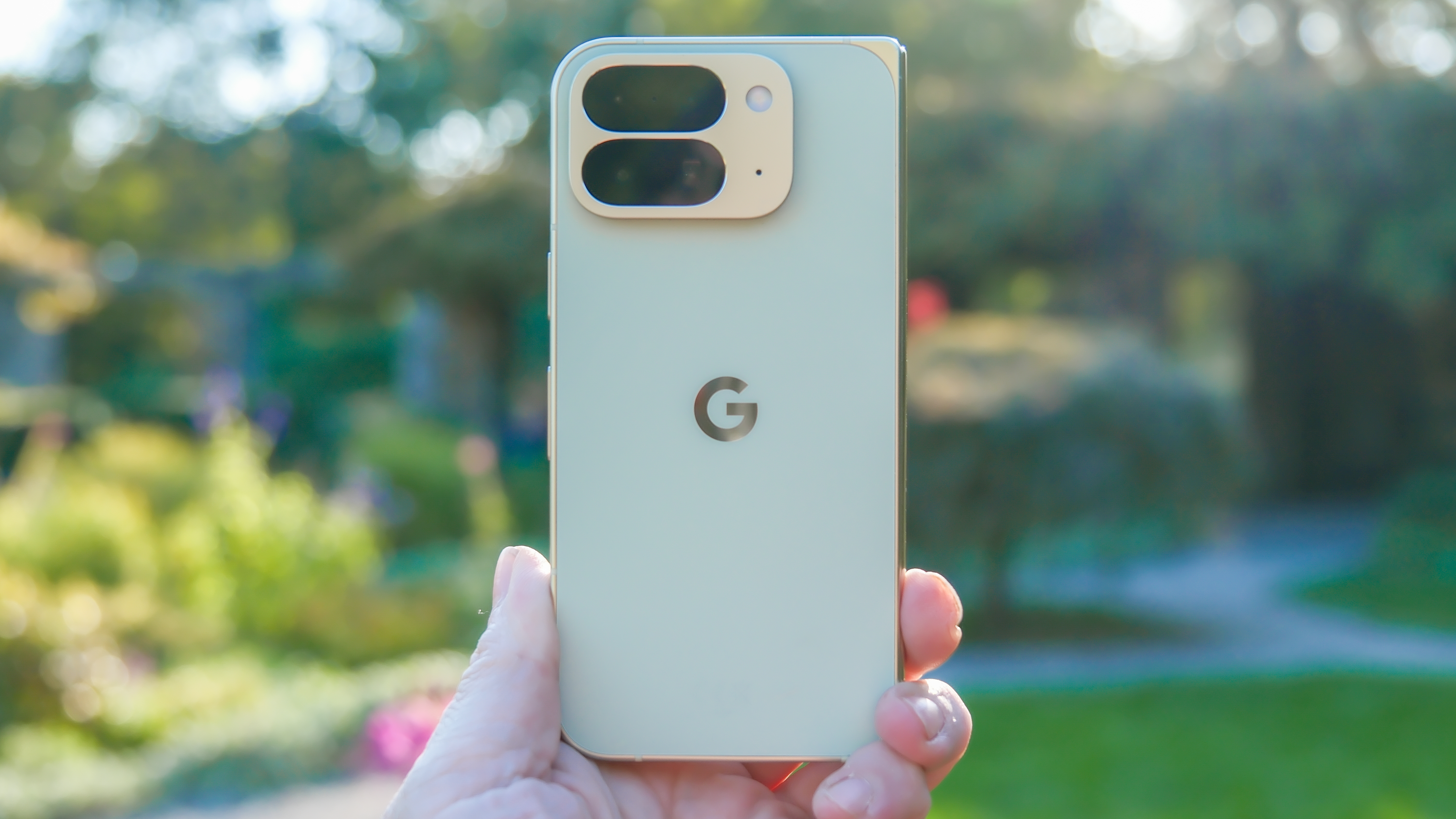
A month later, I was seeing Google's new line of Pixel 10 phones. After all these years, and some necessary design changes from Google, I'm finally starting to warm up to the look of these phones. The Pixel 10 phones remain the purest Android experience, and the cameras are generally excellent.
The Pixel 10 line – even the Pros – does not have the most megapixels, but the photographic quality remains top-notch. I'm not a fan of the 100x AI-assisted zoom because it appears to create AI slop, but I'm generally a fan of these phones and their especially rich Gemini integrations.
I don't think there's another phone where the marriage of hardware and AI intelligence seems so natural and complete. There are so many AI capabilities that most of us will only scratch the surface. I have, though, become a fan of my almost daily chats with Gemini. It's fast, smart, not too sycophantic, and has rarely failed me in the answer department.
I also liked the Pixel 10 Pro Fold, but not as much as I would have had it not launched in the shadow of the supreme Galaxy Z Fold 7. To show up with a foldable that featured minor upgrades and was not as thin as the Z Fold 7 was just a big miss for me. At least all the Pixels got the MagSafe-style Pixel Snap, which is a bigger upgrade than you think.
iPhone 17 Pro Max FTW
(Image credit: Lance Ulanoff / Future)
A month later, I was sitting in Cupertino, CA, ogling three new iPhones and one lightweight marvel, the iPhone Air.
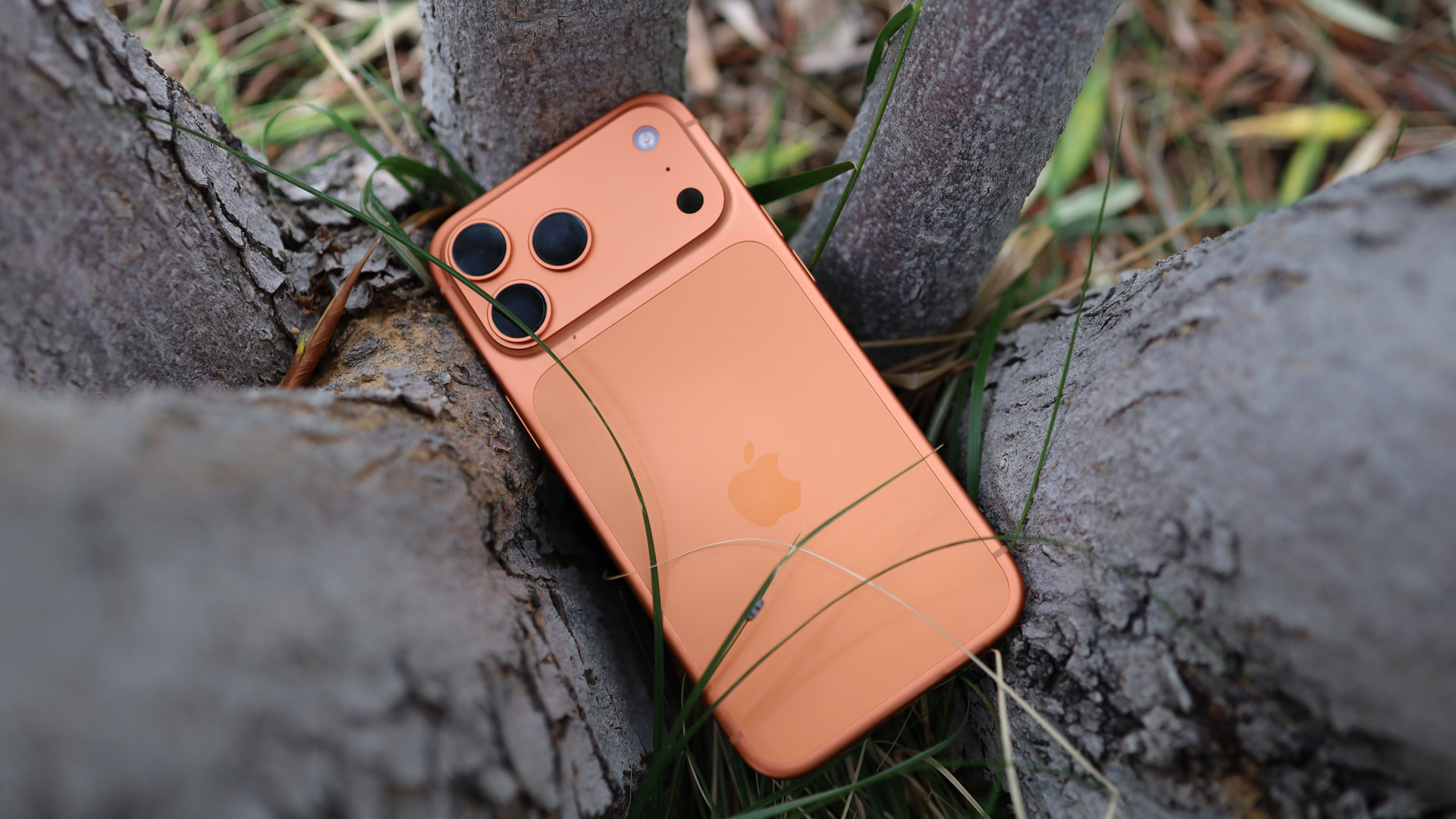
Leaving aside the lingering disappointment of Apple Intelligence, this is another collection of fantastic smartphones from arguably the leader in the space. I'm still surprised by how much I love the Cosmic Orange iPhone 17 Pro Max and have even warmed to the massive camera plateau.
Apple's decision to enhance the zoom and give me fantastic 4x optical and surprisingly good 8x sensor crop zoom is one of the reasons this is my favorite phone of the year.
Yes, it's fast and fun to use, and while iOS 26 Liquid Glass can be overwhelming, the overarching impression, for me at least, is one of beauty.
I know, how can I love the iPhone 17 Pro Max when Siri is so lackluster compared to, say, Gemini on the Pixel? Well, I know that, with all that A19 Pro processing headroom, it will only take a software upgrade (in the spring, I hope) to bring the iPhone 17 Pro Max in alignment with ChatGPT, Samsung Galaxy AI, and Google Gemini. In fact, I'm fairly certain that the final Apple Intelligence Siri we do get in 2026 will be underpinned by Gemini intelligence.
That will make the iPhone 17 Pro Max (and Pro) nearly perfect.
Thin wasn't in
(Image credit: Jacob Krol/Future)
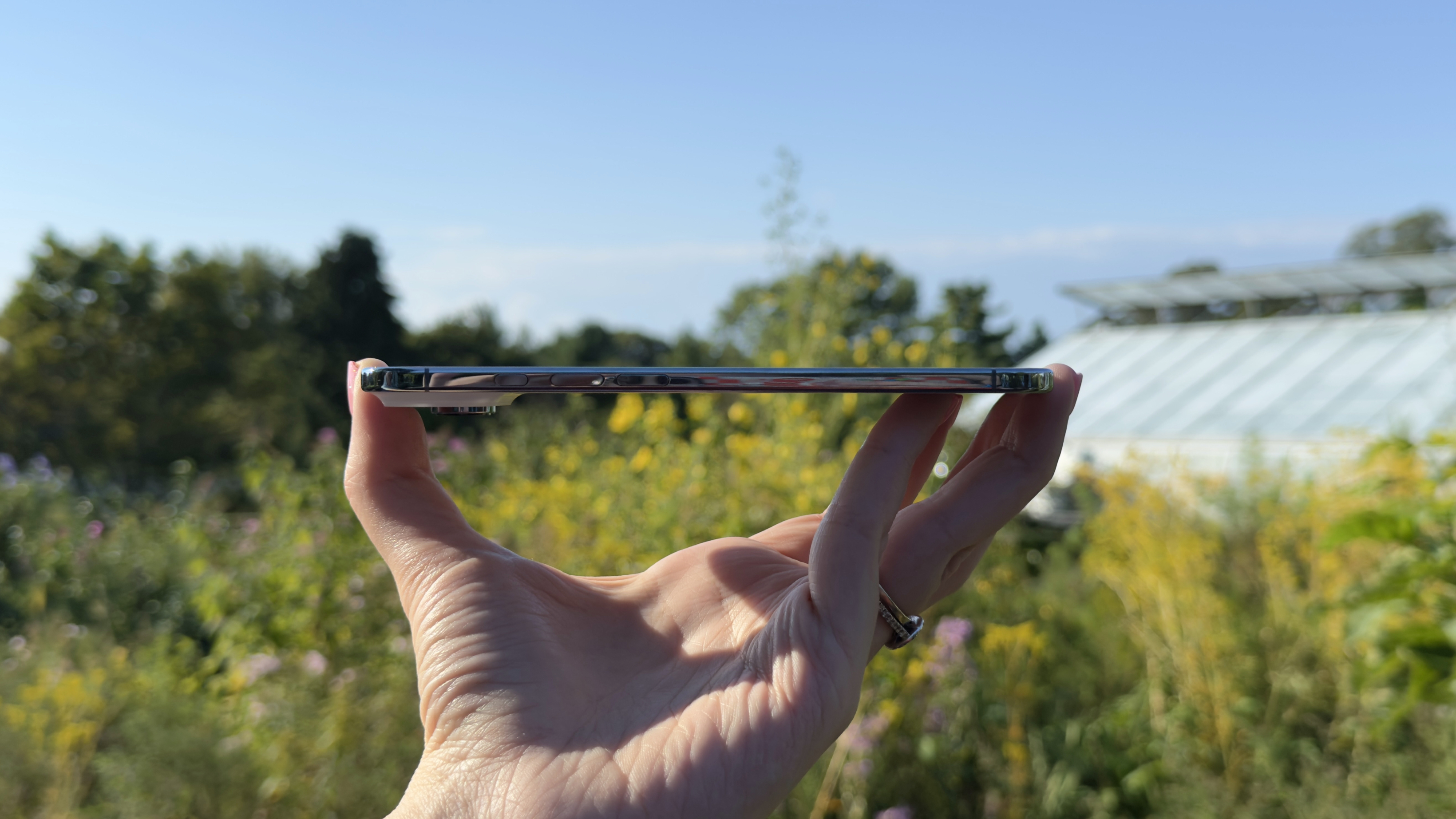
As for the iPhone Air, I feel about it much the same way as I do the Galaxy S25 Edge. I've seen, held, and tried both (I even tried to bend and break one of them). They're gorgeous phones, but lack the battery life and camera skills I demand from my everyday handset.
I suspect 2026 will be a year of thin phone recalibration, with most of the attention focused on foldables and ever more AI.
Follow TechRadar on Google News and add us as a preferred source to get our expert news, reviews, and opinion in your feeds. Make sure to click the Follow button!
And of course you can also follow TechRadar on TikTok for news, reviews, unboxings in video form, and get regular updates from us on WhatsApp too.
A 38-year industry veteran and award-winning journalist, Lance has covered technology since PCs were the size of suitcases and “on line” meant “waiting.” He’s a former Lifewire Editor-in-Chief, Mashable Editor-in-Chief, and, before that, Editor in Chief of PCMag.com and Senior Vice President of Content for Ziff Davis, Inc. He also wrote a popular, weekly tech column for Medium called The Upgrade.

Lance Ulanoff makes frequent appearances on national, international, and local news programs including Live with Kelly and Mark, the Today Show, Good Morning America, CNBC, CNN, and the BBC.
You must confirm your public display name before commenting
Please logout and then login again, you will then be prompted to enter your display name.