New Year’s Eve food traditions around the world to invite luck and joy
As the year concludes, diverse global cultures embrace symbolic foods, transforming meals into hopeful rituals. From Spain's midnight grapes for luck to Italy's lentil 'coins' for prosperity, these traditions weave a tapestry of shared wishes. Whether for long life, abundance, or togetherness, these culinary customs offer comfort and a meaningful transition into the new year.

There is something about the final hours of the year that makes people reach for food that feels meaningful rather than ordinary. Even people who barely notice superstition at any other time often follow specific dishes linked with luck, money or happiness as midnight approaches.
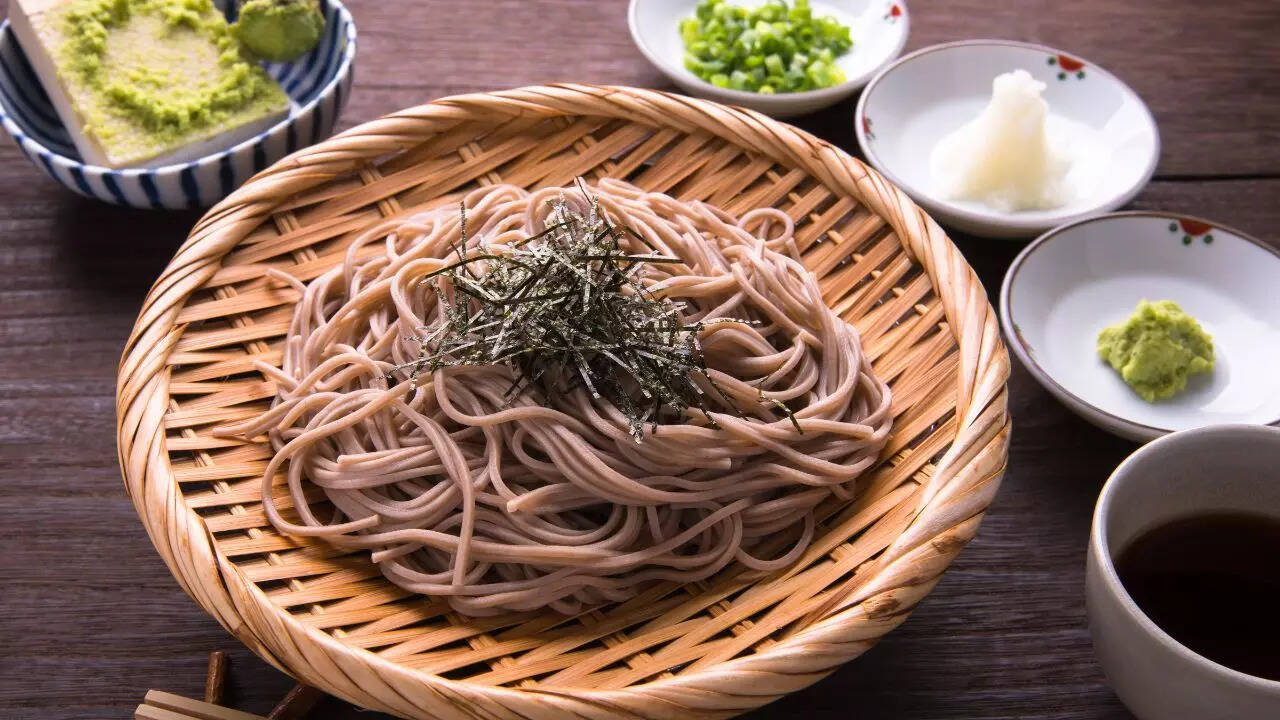
Food becomes a small ritual in many homes, kitchens and streets around the world as families eat meals that symbolise hope for what comes next. The dishes may look completely different from country to country, yet many carry the same instinct of welcoming fortune or leaving behind the troubles of the year that is ending. Sometimes the atmosphere is playful, sometimes quiet, but the moment always feels heavier when food holds meaning.Across cultures, shapes, colours and textures take on symbolic importance on New Year’s Eve. Round foods echo coins, legumes swell when cooked and long noodles seem to promise a longer life. Some customs focus on prosperity, others on health, and many combine both ideas without much explanation. Even when people follow these traditions casually, they often speak about them with a mix of humour and belief, as if the old ideas still linger somewhere deep and are worth repeating for good measure.
Partying tonite? Get your New Year's Eve look sizzling
How New Year’s Eve food traditions reflect luck and hope across cultures
Grapes at midnight and New Year’s Eve beliefs about fortune
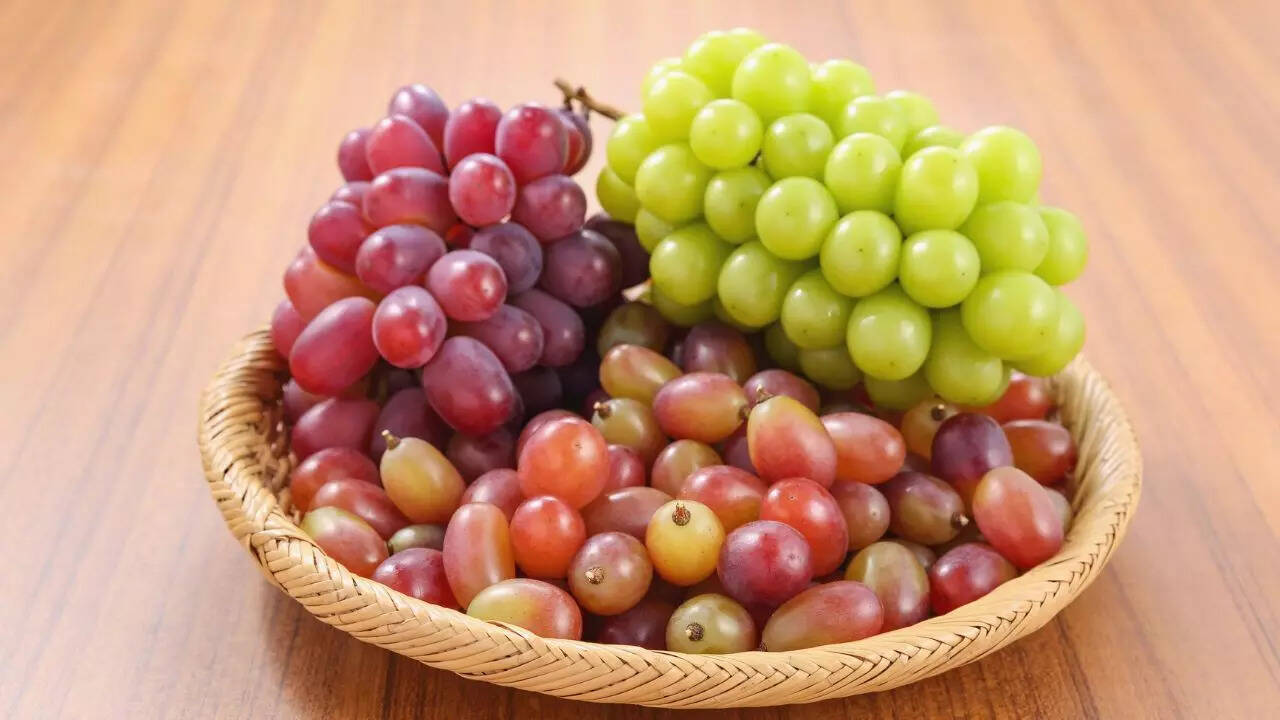
In Spain, the approach of midnight fills living rooms with bowls of grapes. As the clock chimes twelve times, people eat one grape with each chime in the hope of inviting good luck for every month ahead. It sounds straightforward, but it becomes chaotic quickly, with laughter and mild panic as everyone tries to keep pace. This tradition has travelled across Spanish-speaking regions and into households far from its origins, mostly because it gives a simple action weight and excitement.
In many places, the ritual continues even among those who do not fully believe in luck, because it feels like the right way to greet the year.
Prosperity foods linked to New Year’s Eve superstitions
Italy brings lentils to the table on New Year’s Eve because they resemble coins. Lentils are often served with sausage, creating a meal that looks humble but carries a story about prosperity. In the Southern United States, black eyed peas turn up for the same reason and are paired with greens and cornbread, the colours hinting at money and gold.