NRL coaches sweat on return of injured stars worth more than $10 million
Some of the NRL’s top earners are racing the clock for round-one selection.
They are the NRL stars who collectively amounted to a $10 million-plus write-off last season and will be desperate to provide more bang for their bucks in 2026.
For their coaches, the likes of Latrell Mitchell, Cameron Murray and Campbell Graham (South Sydney), Kalyn Ponga (Newcastle), Valentine Holmes (St George Illawarra), Thomas Flegler, Herbie Farnworth, Tom Gilbert and Daniel Saifiti (Dolphins), Taniela Paseka and Haumole Olakau’atu (Manly), Mitch Barnett and Luke Metcalf (Warriors), and Cam McInnes (Cronulla) will be as valuable as any recruits, given the amount of time they spent last year on the sidelines.

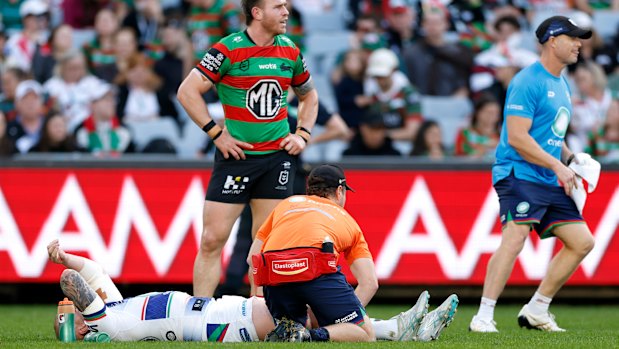
Cameron Murray and Latrell Mitchell, Souths’ highest-paid players, made only 12 appearances between them last season.
Three of those players – Ponga, Mitchell and Murray – are reported to earn at least $1 million a season.
As NRL clubs continue pre-season training on Monday, all those returning are hoping to be ready to roll for round one.
No team was hit harder by injuries in 2025 than South Sydney, who finished 14th in master coach Wayne Bennett’s return to the club.
The Rabbitohs started strongly, winning four of their first five, but eventually were decimated by a casualty toll Bennett described as “absolutely” the worst he had encountered in his decades-long career.
“I haven’t gone close to that,” Bennett said after his team copped a 60-14 hammering from the Broncos, while 13 first-graders were out.
Mitchell and Graham played 11 games apiece and finished the season in the stands. Skipper Murray made one appearance, in the last round.
If all three are fit for the season-opening clash with the Dolphins, Bennett might have something to smile about.
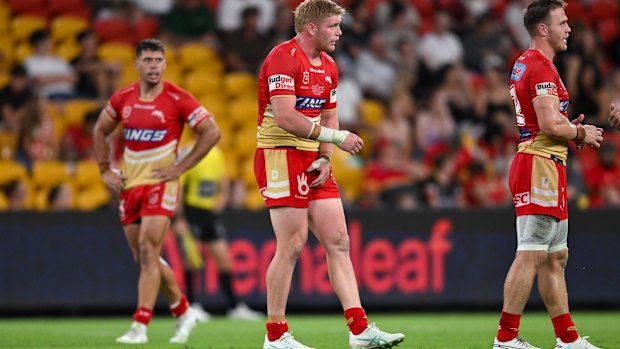
Their opponents are also hoping to welcome back some reinforcements, headed by the luckless Flegler, who hasn’t played in 19 months. The Queensland and Kangaroos prop injured his shoulder in April 2024.
What was initially diagnosed as a routine “stinger” was actually career-threatening nerve damage.